
Anson: All change at Burgundy’s Clos de la Commaraine
Jane Anson reports on ambitious renovation work at Clos de la Commaraine in Pommard and tastes through wines being made elsewhere in Burgundy by its new American investors.


‘We haven’t found any pottery, so you are probably okay,’ one of the archaeologists calls out cheerfully to us on our arrival.
I can feel Jean-Luc Vitoux relax, just a little, besides me as he takes this in.
We are standing in front of two vast pits dug into the front garden of Clos de la Commaraine, the Monopole 1er Cru vineyard in Pommard that he has been in charge of running since November 2017.Behind us is the château building and, immediately beyond that, the 3.75ha walled vineyard. The château is right now stripped back to its skeleton, centuries of modifications and alterations removed, with medieval floors and windows exposed. The property was first build in 1112 and has thrown up constant mysteries; why, for example, are there doors that seem to go nowhere? Was there an entire extra floor at one point?
This time around, the renovations will see la Commaraine become a luxury hotel, restaurant and spa, although most likely not until 2021.
For today, though, renovations are on hold while the action centres around the pits. Clear outlines of half-submerged stone blocks in the ground in front of us trace the walls of an earlier structure. ‘Probably as far back as the 10th century’, says one of the two women from the Bâtiments de France carrying out the survey. ‘But without pottery or other artefacts its hard to accurately date.’
‘I am torn between intellectual interest at finding remains here, and knowing that any finds could hold up the renovations by months or longer,’ admits Vitoux, a former lawyer from Champagne and now a Burgundy wine producer and négociant.
Vitoux – whose legal expertise covered viticultural acquisitions and regulations for many years – is the man on the ground for Boston-based American financiers Denise Dupré and Mark Nunnelly, owners of a rapidly-growing French wine empire.
I came across their biodynamic Champagne house Leclerc Briant when researching for my Wine Revolution book. It was their first French winery investment back in 2012.
More recently, their stunning Royal Champagne Hotel and Spa near Epernay opened to international fanfare in July 2018, helped perhaps by the fact that one of Dupré’s former roles was as dean of the Boston University School of Hotel Administration.
‘It seems hard to believe that this particular American-led operation is not going to gain in status and importance.’
Whether this experience soothes or alarms their new Burgundian neighbours is up for debate.
They have had to get used to American arrivals in recent years, of course – Stan Kroenke at Bonneau du Martray, for one, and Grace and Ken Evenstad at Château de la Crée in Santenay, among others.
‘The jury is out I would say,’ says Vitoux, ‘but we hope to show that we are going about things in the right way’.
This latest chapter began in 2017 with the purchase of the 22ha Domaine Belleville in Rully and négociant house and winery Manoir Murisaltien in Meursault, followed later that year by a long-term tenancy agreement for Clos de la Commaraine. Reports have suggested an investment of around €30 million.
Since then, things have moved pretty fast.
All three estates are now in organic conversion, and various soils studies have been carried out to better isolate and identify terroirs.
The grapes from Clos de Commaraine were being sold in their entirety to Maison Louis Jadot on purchase, but the new owners have taken them back in-house, and sold off 4ha of land that they didn’t feel was of high enough quality for their plans.
Comte Louis-Michel Liger-Belair of Château de Vosne-Romanée agreed to come on board as consulting winemaker as of the 2018 vintage, working with full-time winemakers Charles Nébout and Isabelle Laurand.
There are expansion plans to expand as and when high-quality parcels become available, and a new micro-négociant business launched in the meantime.
Spotting new boutique négociants has become something of a sport in Burgundy recently. As land prices climb, more and more people are choosing the route of buying grapes or juice and creating their own brands.
A possible road map for Les Parcellaires de Saulx can be found with Pascal Marchand, who comes from Montreal (although in Burgundy since 1983) and who launched his own high-quality micro-négociant business with Canadian financier Moray Tawse back in 2010. Today he works with partner-growers to create extremely high quality wines from 51 appellations and 25 climats, with unfiltered and unfined wines, and biodynamic principles wherever possible.
But it seems Vitoux already has very particular ideas for the new négociant. Launched in October 2018, Les Parcellaires de Saulx takes its name from a former 15th-century owner of Clos de Commaraine, and so far has 21 wines from 21 plots, with one climat and one winemaker per bottling.
For the whites, they buy grapes or must and vinify in Meursault, while for the reds they select instead finished wine, and oversee the barrel ageing, until a new red wine cellar is completed later this year. All purchases are of organic or biodynamic grapes where possible.
‘The aim is to avoid blending and bottle only single climat wines from single producers, which makes us a little different from many Burgundy négociants,’ says Vitoux.
‘Even our village Mercurey will, as of the 2018 vintage, be split into two separate named plots to ensure we reflect the different climat expressions. For now we are making 30,000 bottles per year, and our methods make it unlikely that we will be able to go above 50,000.
‘We buy from well-known producers and pay a little above market value to ensure that we are attractive to the right people. But in Burgundy it is never just about the money. We are able to convince them to work with us because they appreciate the approach.’
Clos de la Commaraine will be similarly terroir-led. The 3.7ha are now split into 10 plots, all harvested and vinified separately.
‘Last year we had 60 barrels in total from the grapes. We sold on 25 barrels as 1er Cru Pommard but not under our name, and have a further 35 that we ageing and tracking as they develop.
‘We are simply trying to understand the terroir right now, analysing the effect of different rootstocks, clones, massal selections and so on. We will decide, together with Liger-Belair, how much to release under the Commaraine name later this year. We are looking to bottle the most elegant style of Pommard and don’t want to compromise.’
I tasted through a sampling of both Domaine Belleville and Les Parcellaires de Saulx after spending the morning visiting the vineyards in Rully, Meursault and Pommard, so that when we were back in the cellar Vitoux could point out, ‘that’s the one by the old tennis court’, or ‘that’s the one from the south-facing slope that we walked up to’.
The majority of the wines to date are Côte de Beaune or Côte Chalonnaise – a place that is quickly gaining in importance and buzz right now.
Rully in particular seems to be benefitting from big names arriving from the Côte d’Or – I was taken the back there the next day by Domaine Drouhin – and from wines being bottled by individual estates rather than anonymous cooperative cellars.
More Côtes de Nuits climats are due over the next few years, and it seems hard to believe that this particular American-led operation is not going to gain in status and importance.
Certainly having Louis-Michel Liger-Belair on board should help soothe local sensibilities, and on the evidence of this tasting, Belleville, Commaraine and Saulx are names to watch.
Tasting Domaine Belleville and Les Parcellaires de Saulx wines:
Domaine Belleville, Chaponnière, Rully, Burgundy, France, 2017
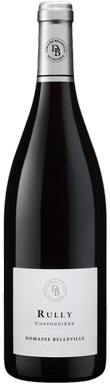

If you're looking for the fresh cherry and raspberry nose of a simple, good-quality red Burgundy, this one has it in spades with its bright...
2017
Domaine BellevilleRully

Domaine Belleville, Rully, 1er Cru Chapître, Burgundy, France, 2017
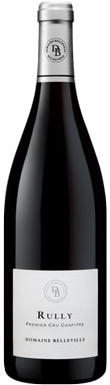
A tiny east-facing climat that covers 0.4ha, this was once part of the Chapitre des Chanoines of the Cathédrale St Vincent de Chalon. Delicate aromatics...
2017
Domaine BellevilleRully
Domaine Belleville, Les Perrières, Mercurey, Burgundy, France, 2017
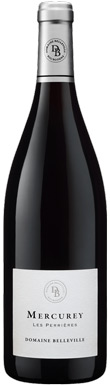
Sourced from 40-year-old-vines on an excellent site with gravel-heavy soils. This is clearly a more tannic centre and bite compared to the village Rully but...
2017
Domaine BellevilleMercurey
Domaine Belleville, Mercurey, 1er Cru Le Clos l'Evêque, Burgundy, France, 2017
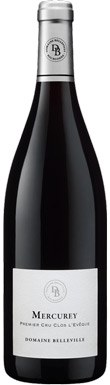
From clay-limestone soils that err on the side of limestone, this wine is gorgeously elegant with real power through the mid-palate, softened by a grilled...
2017
Domaine BellevilleMercurey
Domaine Belleville, Les Hâtes, Santenay, Burgundy, France, 2017
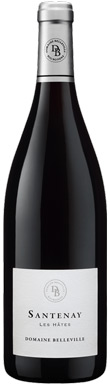
From 0.75ha of east-facing slopes in the village of Santenay, close to the premier cru of Beaurepaire. It gives a finely woven, elegant Santenay with...
2017
Domaine BellevilleSantenay
Les Parcellaires de Saulx, Volnay, Burgundy, France, 2017
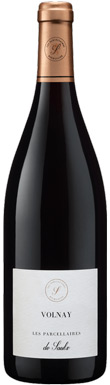
Volnay makes some of the most enjoyable reds on the Côte de Beaune, and this is a lovely, delicate wine. There's good fruit here with...
2017
Les Parcellaires de SaulxVolnay
Les Parcellaires de Saulx, Volnay, 1er Cru Mitans, Burgundy, France, 2017
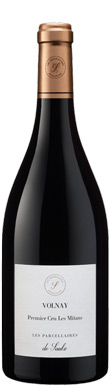
From east-facing slopes, the flavours here are significantly more profound than in the village Volnay, with the liquorice edge of a great Burgundy. It's light...
2017
Les Parcellaires de SaulxVolnay
Les Parcellaires de Saulx, Nuits-St-Georges, Burgundy, France, 2017
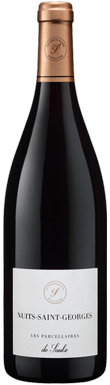
A fairly classic Nuits-St-Georges, full of pretty dark cherry fruits and gentle tannins that offer grip through the body of the wine. A smoked caramel...
2017
Les Parcellaires de SaulxNuits-St-Georges
Les Parcellaires de Saulx, Nuits-St-Georges, 1er Cru Murgers, Burgundy, France, 2017
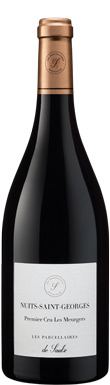
There are very few Côtes de Nuits wines within the Saulx stable for now, but this one is definitely pulling its weight. The plot is...
2017
Les Parcellaires de SaulxNuits-St-Georges
Les Parcellaires de Saulx, Gevrey-Chambertin, Burgundy, France, 2017
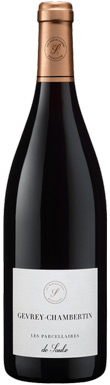
Elegant and fleshy red fruits are married to power but balanced by a push of acidity through the finish that seems to tiptoe through the...
2017
Les Parcellaires de SaulxGevrey-Chambertin
Les Parcellaires de Saulx, Gevrey-Chambertin, 1er Cru Clos de Fonteny, Burgundy, France, 2017
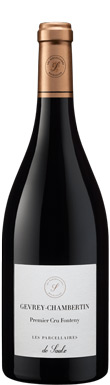
Biodynamic growers supply the fruit for this wine, sourced from powerful soils with serious limestone and very little topsoil. It has clear black and white...
2017
Les Parcellaires de SaulxGevrey-Chambertin
Les Parcellaires de Saulx, Corton Perrières Grand Cru, Burgundy, France, 2017
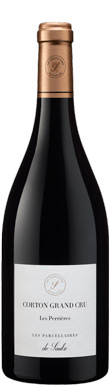
An elegant Corton, with a touch of reduction on the first nose right now. It's sourced from mid-slope vines on stony soils, and has clear...
2017
Les Parcellaires de SaulxCorton Perrières Grand Cru
Domaine Belleville, La Crée, Rully, Burgundy, France, 2017
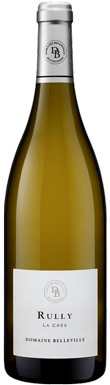
Once part of Les Pucelles but split off when Les Pucelles was designated a premier cru, this village wine is already open and easy to...
2017
Domaine BellevilleRully
Domaine Belleville, Mercurey, Burgundy, France, 2017
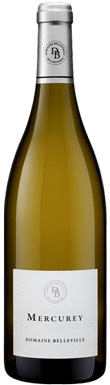
2017 is the last vintage that they will produce a village Mercurey before splitting the fruit into two separate lieux-dit bottlings. I prefer this style...
2017
Domaine BellevilleMercurey
Domaine Belleville, Rully, 1er Cru Rabourcé, Burgundy, France, 2017
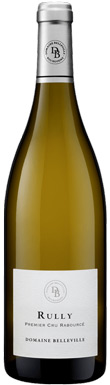
The only one of Domaine Belleville's Rully plots to be facing fully south, on clay-limestone slopes tucked up towards the highest point of the appellation....
2017
Domaine BellevilleRully
Domaine Belleville, Rully, 1er Cru La Pucelle, Burgundy, France, 2017
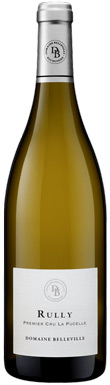
On east-facing stony slopes, this is a stunning wine full of slate and white flowers, with the most gorgeous mix of minerality and creaminess and...
2017
Domaine BellevilleRully
Domaine Belleville, Les Boudrières, Puligny-Montrachet, Burgundy, France, 2017
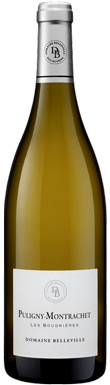
Sourced from 55-year-old vines on clay-limestone slopes, this is more closed up at this early stage than the Rully, even though it's a village wine....
2017
Domaine BellevillePuligny-Montrachet
Les Parcellaires de Saulx, Sous le Bois de Noël et les Belles Filles, Pernand-Vergelesses, Burgundy, France, 2017
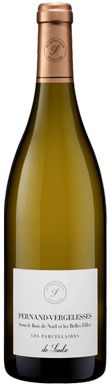
Pernand-Vergelesses is one of my favourite places on the Côte de Beaune. The gorgeously-named Sous le Bois de Noël et les Belles Filles climat (named,...
2017
Les Parcellaires de SaulxPernand-Vergelesses
Les Parcellaires de Saulx, Narvaux, Meursault, Burgundy, France, 2017
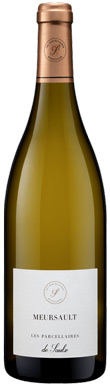
This good quality Meursault is from one of the most complex village plots, located on one of the higher, cooler spots just above the Genevrières...
2017
Les Parcellaires de SaulxMeursault
Les Parcellaires de Saulx, Meursault, 1er Cru Les Porusots, Burgundy, France, 2017
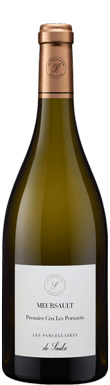
Meursault has no grands crus, but Poruzots/Porusots (meaning 'stony place', reflective of the soils) is at the higher end of premier cru quality. This is...
2017
Les Parcellaires de SaulxMeursault
Les Parcellaires de Saulx, Chassagne-Montrachet, 1er Cru Clos St-Jean, Burgundy, France, 2017
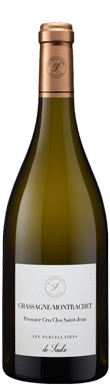
A stunning, texturally rich Chassagne that elongates and expands in the mouth - a great sign of the potential for Les Parcellaires de Saulx (and...
2017
Les Parcellaires de SaulxChassagne-Montrachet
