Corbières: 10 names to know plus top wines to try
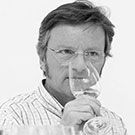

Traditionally known for its good-value rustic red blends, this Languedoc heartland region is forging a new reputation for quality and great terroirs. James Lawther MW heads south for a visit…
It’s the size and rugged beauty that assails you. Corbières is such a massive chunk of land and within its borders the terrain is so wild and resplendent. Rocky garrigue harbours bush-trained and trellised vines as well as pine, cherry, almond and olive trees, with fir and oak in the higher reaches. Some of the hillside vineyards seem incredibly remote, yet the major cities of Carcassonne and Narbonne to the north and Perpignan to the south are never far away, with the beach resorts of the Mediterranean adjacent to the east.
Scroll down for James Lawther MW’s top 12 Corbières reds to try
Viticulture has always been the mainstay of the region. When I first visited in 1997 there were just over 14,000ha of AP Corbières declared, producing an average 600,000hl, the equivalent of 80 million bottles. These days the figure stands at 10,600ha with an output of 390,000hl or 52m bottles, but it is still the Languedoc’s leading appellation by volume.
Corbières at a glance
Area under vine: 10,600ha (12% farmed organically)
Production: 390,000hl; 52 million bottles
Producers: 1,210
Independent wineries: 241
Cooperatives: 23
Wine styles: Red (87%), rosé (10%), dry white (3%)
Soils: Predominantly limestone-clay
Climate: Mediterranean
Grape varieties: Red & rosé Syrah (30%), Carignan (29%), Grenache Noir (29%), Mourvèdre (8%), Cinsault (3%), others (1%). White Grenache Blanc (41%), Roussanne (14%), Vermentino (13%), Marsanne (12%), Macabeo (11%), Bourboulenc (8%), Muscat à Petits Grains (1%)
Blending: Two varieties minimum required for AP Corbières (all colours), including a primary variety representing no less than 40% and no more than 80% of the blend
Given the size, there’s an inevitable contrast in terroirs. Soils are predominantly limestone-clay but there are zones of schist and sandstone, and enough variability to interest students of pedology. The climate is Mediterranean, but dependent on the proximity to the sea, altitude (50-500m), exposure and varying rain pattern – not to mention the passage of the humid sea wind, the Marin, or the dry northwesterly Cers – so the ripening varies, as does the quality and character of the wines.
The local authorities designated 11 different terroirs in Corbières some time ago, but realising the difficulty of transmitting the message, they are now promoting a more user-friendly plan of five touristic zones. These include the lower-lying maritime stretch with its lakes and pink flamingos; the hilly Hautes-Corbières to the south with its Cathar history; Boutenac, which has already acquired cru status; the northwest corner, which falls within the shadow of the Montagne d’Alaric and which also has a moderating Atlantic influence; and finally the plain and lower hills that stretch from Lézignan-Corbières to Narbonne in the northeast.
Classic Carignan
When all is said and done, though, it’s the ability to transmit the true expression of Corbières via these terroirs that matters, and to my mind the most important vehicle for this is the Carignan grape variety. Twenty years ago it was denigrated for its rusticity, but with lower yields and later harvesting a depth of fruit and riper tannins have been added to its hallmark colour, acidity and herbal notes. ‘With Carignan, it’s all about yield,’ says Sophie Guiraudon of Clos de l’Anhel, where output turns around 25-30hl/ha.
Both carbonic maceration and classic methods are used for vinification, but Corbières’ greatest asset – and this despite much grubbing up – is the quantity of old, bush-vine Carignan (some more than 100 years old) that still exists.
And as time goes on and severe heat and drought become an annual occurrence, producers are realising that this is the grape variety best adapted to local conditions, so new plantings have been stepped up. Sensibly, producers in the Corbières-Boutenac cru established the precedent of a minimum 30% Carignan in the vineyard when the rule book was agreed in 2005.
Other grape varieties found in red Corbières blends include Grenache, which adds fruit and volume and is also resistant to the dry conditions, Syrah and Mourvèdre. Mourvèdre, being later-ripening, prospers in the hotter zones, particularly with a maritime influence, so tends to be located in vineyards closer to the Mediterranean, and when successful provides structure and aroma. Syrah can add complexity and finesse, but clearly there is a growing concern over its ability to contend with the hot, dry weather, so site is primordial.
From 2019 a maximum 10% of the Cabernet Sauvignon-Grenache cross, Marselan, will also be permitted in the varietal mix of each property. The argument is that it copes well with the heat and drought, but the question is will it radically alter the style of Corbières? We will have to wait and see. ‘There’s already a palette of interesting varieties, so why open it up to outsiders like Marselan?’ asks Jon Bowen of Domaine Sainte Croix. Other changes include increasing Grenache Gris from 10% to 50% of the range for rosé and the addition of Carignan Blanc (up to 30%) and Viognier (up to 10%) for whites. These represent just 3% of the production, but can be surprisingly fresh and appetising.
Dynamic quality
The multitude of smallholdings has meant that cooperatives have always been an important factor, when it comes to the social fabric of the region. Over the past 20 years their number has diminished from 54 to 23, and yet they still account for 50% of production. Some, such as the Cave d’Embreset- Castelmaure, have taken the necessary steps to ensure quality and do a great job. Others are still turning out a lot of indifferent wine for sale at a low price, mainly to French supermarkets. Exports of Corbières remain at a constant of 30%.
Of the independent domaines, there are both large (100ha or more) and small. What I found encouraging on my recent visit was the emergence of a number that are leading by example. Corbières-Boutenac clearly has a dynamism spurred on by the pursuit of cru and eventually full appellation status. Château Ollieux Romanis is representative of this élan. Elsewhere there has been heavy investment in estates such as the Domaines Barons de Rothschild Lafite-owned Domaine d’Aussières and Domaine de La Cendrillon, but it’s the smaller domaines that may eventually add impetus to Corbières’ renown in the Languedoc.
A number of growers, including Maxime Magnon, Paul Old of Les Clos Perdus and Jon Bowen of Domaine Sainte Croix, saw the potential of the region in the early part of the new millennium.
Now, with the price of land spiralling in the more coveted appellations of the Languedoc (witness Terrasses du Larzac or Pic St-Loup), there’s a steady trickle of newer investors, such as Gaëlle and Florian Richter of Domaine des Deux Clés, chancing their luck and skill in the region. Where else can you get a great terroir and old-vine Carignan or Grenache for as little as €9,000/ha (government agency SAFER’s average price in 2017)?
The added bonus is that most of these domaines are partisans of organic or biodynamic cultivation
Corbières: 10 names to know

Cave d’Embres-et-Castelmaure
The co-op near Durban in the Hautes-Corbières has been a role model since the 1980s. Hand harvesting, plot-by-plot management of the 440ha, replanting programmes, carbonic maceration to soften tannins and special selections are all practised here. Long-time winemaker Bernard Pueyo has recently retired and been replaced by Antoine Robert, fresh from making wine at Cape Mentelle in Western Australia.
Château Ollieux Romanis
Now a sizeable 60ha domaine, Boutenacbased Château Ollieux Romanis is a reference in the region. The various red cuvées are all Carignan-dominated (40%-70%), the top of the range labelled Corbières-Boutenac. Owner Pierre Bories is also developing another estate at Fabrézan – Domaine Le Champ des Murailles – and its Grande Cuvée was a Gold medal winner at the 2018 Decanter World Wine Awards.
Clos de l’Anhel
Sophie Guiraudon launched her organically certified domaine in 2000. The word ‘Vigneronne’ printed on the label is a declaration of her affinity with the vineyard, the vines located in the hills near Lagrasse. The three cuvées Le Lolo, Les Terrassettes and Les Dimanches are all Carignan-dominated, the latter grown on 80- to 105-year-old vines. All are vat-aged and good value.
Domaine d’Aussières
This huge estate (570ha) was acquired by the (Lafite) Rothschilds in 1999. The vineyard had been left abandoned so its 175ha have all been planted since then. A modern cellar was also constructed. The later-ripening, northwest-facing site in Fontfroide encouraged the planting of a majority of Syrah along with Grenache, Mourvèdre and Carignan. The wines are rounded and refined.
Domaine de La Cendrillon
Sixth-generation owner Robert Joyeux has invested heavily in the 48ha property since taking over in 2011. A new winery and barrel cellar have been built and the vineyard has been certified organic since 2012. The wines are varying blends of Syrah, Grenache and Mourvèdre, and are firm and structured. Robert’s son, Hubert, has now joined the venture.
Domaine des Deux Clés
This 14ha domaine in the Hautes- Corbières is a rising star. Following work experience in New Zealand, Napa and the Languedoc, husband-and-wife team Florian and Gaëlle Richter spotted the potential of the Corbières and launched their first wines in 2015. The vineyard is cultivated biodynamically and the wines are made with minimum intervention, but great attention to detail.
Domaine Sainte Croix
English husband-and-wife team Jon and Elizabeth Bowen had three requisites when searching for a vineyard: old-vine Carignan, old-vine Grenache and limestone. They found them all in Fraissé-des-Corbières in the Hautes- Corbières in 2004. Organic cultivation and plot-by-plot vinification are de rigueur, the accent on the fruit and terroir.
La Baronne
A family-owned domaine since the late 1950s, La Baronne is now a flagship property in the region. Jean and Anne Lignères have been at the helm since 1989, and the 90ha vineyard at the foot of Montagne d’Alaric is now biodynamically certified. Plenty of experimentation with amphorae and concrete eggs for ageing; the wines are fresh and digeste with enhanced elegance these days.
Les Clos Perdus
It was the old-vine Carignan and Mourvèdre that persuaded former professional dancer Paul Old to ditch plans to return to his native Australia. After studying wine science at Charles Sturt University in Wagga Wagga, in 2003 he bought 1.5ha in the maritime section of the Corbières, and then acquired further parcels in the Hautes-Corbières. The Mourvèdre-dominant cuvée Mire La Mer is the maritime expression, while the Grenache-based Prioundo is from the higher ground.
Maxime Magnon
Originally from the Ain department in the east of France, Maxime Magnon has gained a solid reputation since launching the domaine in 2002. Influenced by producers such as Marcel Lapierre in the Beaujolais (Morgon), he takes a natural approach to winemaking and runs the 15ha vineyard organically. His wines are bottled with a low sulphur content and are always fresh and digestible.
Bordeaux-based James Lawther MW is a contributing editor to Decanter and author of The Finest Wines of Bordeaux
See James Lawther MW’s top 12 Corbières reds to try
You may also like
Panel tasting: How good is rising star Terrasses du Larzac?Where to go in Carcassonne: A wine lover’s guideMas de Daumas Gassac red wines: Recent vintages tastedFrom Burgundy to Languedoc: Anne Gros in Minervois
Maxime Magnon, La Bégou, Corbieres, Languedoc-Roussillon, France, 2016
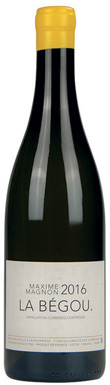

One of the most stylish whites in the Languedoc. Mostly old-vine Grenache Gris and Grenache Blanc from schist soils. Broad and expressive on the nose. Pear, apple and vanilla notes. Fine texture and taste. Long, fresh, stone-sucking finish.
2016
Maxime MagnonCorbieres

Château Ollieux Romanis, Atal Sia, Corbieres, Boutenac, Languedoc-Roussillon, France, 2015
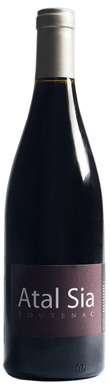
Selected parcels of old-vine Carignan, Grenache and Mourvèdre with a dash of Syrah. No oak, but creamy and profound. Lovely fruit density, smooth on the palate a mineral note adding freshness and tension. Delicious.
2015
Château Ollieux RomanisCorbieres
Les Clos Perdus, Mire La Mer, Corbieres, Languedoc-Roussillon, France, 2013
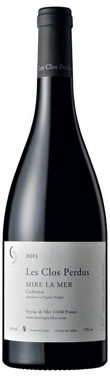
Ample, complex and amazingly youthful. Garrigue, dark fruit, olive notes. Firm, long and structured with freshness on the finish. 70% Mourvèdre with Carignan, 100-yearold vines. You can feel the low-yielding, old-vine density.
2013
Les Clos PerdusCorbieres
Domaine Le Champ des Murailles, Grande Cuvée, Corbieres, Boutenac, Languedoc-Roussillon, France, 2016
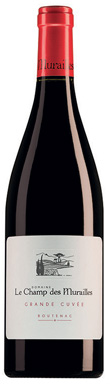
A blend of the four principal red varieties including 45% Carignan. Dark fruit with a roasted, coffee note from oak ageing (30% new oak). Good depth to the palate, with the rounded tannins lending structure. Slight saline finish.
2016
Domaine Le Champ des MuraillesCorbieres
Domaine des Deux Clés, Corbieres, Languedoc-Roussillon, France, 2016
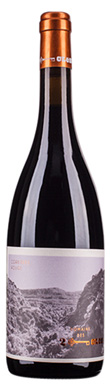
Fresh and minerally on the nose, silky and structured on the palate. Fruit lifted by the acidity. Measured weight and style. A blend of 50% Carignan with equal parts Syrah and Grenache.
2016
Domaine des Deux ClésCorbieres
Cave d’Embres-et-Castelmaure, La Pompadour, Corbieres, Languedoc-Roussillon, France, 2016
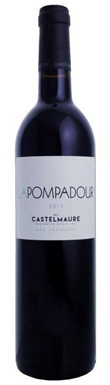
A yearly success for the co-op. Carbonic maceration Carignan (50%) with Syrah and Grenache. Round and fruit-driven with supple tannins. Cherry, chocolate and eucalyptus notes. Gourmand.
2016
Cave d’Embres-et-CastelmaureCorbieres
Château d’Aussières, Corbieres, Languedoc-Roussillon, France, 2015
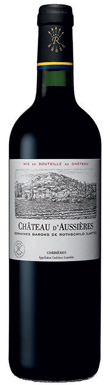
Syrah-based (60%), plus Mourvèdre and Grenache. Sleek and well-groomed with red fruit, spice and liquorice notes. Lacks the wild side of Corbières, but dense and rounded with fine tannins.
2015
Château d’AussièresCorbieres
Clos de l’Anhel, Les Terrassettes, Corbieres, Languedoc-Roussillon, France, 2016
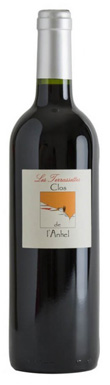
Dark fruit with a touch of herbs. Truly the wild side of Corbières. Smooth and round with a little mid-palate sweetness and a chewy freshness to the finish. Authentic, vat-aged wine.
2016
Clos de l’AnhelCorbieres
Domaine de La Cendrillon, Inédite, Corbieres, Languedoc-Roussillon, France, 2014
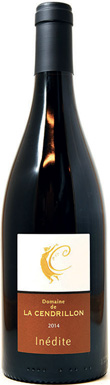
Serious and structured in style. Red fruit and a peppery, spicy note from the Syrah (60%). Rounded attack with a little mid-palate sweetness, then a menthol-fresh finish.
2014
Domaine de La CendrillonCorbieres
Domaine Sainte-Croix, Le Fournas, Corbieres, Languedoc-Roussillon, France, 2015
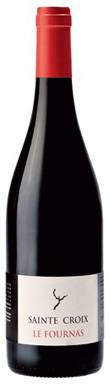
Great value, vat-aged Carignan, Grenache, Syrah, Mourvèdre blend. Juicy fruit with a stony, terroir nuance. Pure pleasure.
2015
Domaine Sainte-CroixCorbieres
Château La Baronne, Les Lanes, Corbieres, Languedoc-Roussillon, France, 2015
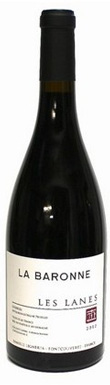
Pure, digestible and easy-drinking. Accent on the fruit. Cherry and raspberry notes with a touch of tapenade. Good value entry-level wine from this biodynamic producer.
2015
Château La BaronneCorbieres
Domaine Sainte Marie des Crozes, Les Mains sur les Hanches, Corbieres, Languedoc-Roussillon, France, 2017
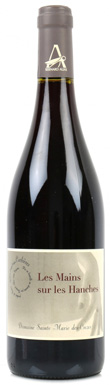
Grenache with a touch of Syrah. Less typical Corbières, but pleasing. Red fruit expression. Round and gourmand.
2017
Domaine Sainte Marie des CrozesCorbieres
