
Côtes de Provence rosé: panel tasting results
The difficult 2018 Provence vintage meant many wines were light, if of decent quality, and there were fewer stars than might normally be expected, says Elizabeth Gabay MW...


Nicolas Clerc MS, Elizabeth Gabay MW and Joanna Simon tasted 91 rosés from the Côtes de Provence, with 2 Outstanding and 15 Highly Recommended...
Entry criteria: Producers and UK agents were invited to submit their latest-release or currently available dry rosés from APs Côtes de Provence, Coteaux Varois en Provence or Coteaux d’Aix-en-Provence
Scroll down to see the tasting notes & scores
The verdict
Covering the appellations of Côtes de Provence, Côteaux Varois and Côteaux d’Aix, in an area that stretches from the Mediterranean to the northerly uplands, from the Rhône Valley to the centre of the Var, on soils of schist, limestone, volcanic and clay, one would expect a degree of regional variation or taste of terroir.
However, the dominance of wines from the fairly dilute 2018 vintage resulted in a fairly bland range.The best wines showed greater intensity of flavour, boasting good weight, attractive ripeness and a complex array of fruits and spices, balanced by savoury garrigue notes, a clean mineral structure and often a saline acidity. They all reminded us of Provence and we praised them for their food-matching versatility.
‘The better wines certainly improve with age’
All but six wines were from the 2018 vintage, with five from the previous vintage (their 2018s not yet shipped) and the oaked Elevae 2016 from Gassier, only just released. While there is still considerable emphasis on drinking rosés young within the year, the better wines certainly improve with age as greater complexity and secondary flavours come to the fore.
There was some discussion as to whether some of the wines were actually still too young and might score better once more fruit emerges with age. Joanna Simon and I certainly seemed to like the mature fruit characters more than Nicolas Clerc MS, who also felt the wines from the five named regional terroirs for Côtes de Provence had greater energy, texture and minerality.
Quick link See all 91 wines in the panel tasting
The majority of the wines tasted were between £10-£20, though price was not a strong indicator of quality. Among the best were supermarket favourites: Tesco’s Finest by Castel Frères and the Mirabeau Classic from Waitrose, along with wines from Gassier and Hecht & Bannier, possibly because in this weaker vintage négociants came into their own with their ability to source and blend grapes from different sites. These held their own successfully against some of the pricier wines.
Only two of the wines were oaked – a contentious character in Provence, where the style is generally for fruit and freshness. Clerc queried if this was what was expected of a Provence rosé, but we all liked, in varying degrees, the more gastronomic weightiness of the style and the greater complexity of flavours.
The 2018 vintage was difficult in most regions, apart from the coast, and particularly for organic vineyards, which struggled with high humidity. This was noticeable, with Simon commenting that, for her, many of the wines lacked those classic Provence characters of minerality, herbal notes, grip and creamy ripeness and instead showed almost unripe fruit and extreme delicacy. Of these lighter-style wines, those based on Cinsault seemed to do well, while Grenache-dominant wines felt a little coarse.
The vast majority of the wines were extremely pale pink, and in many cases almost creamy white. While this pale colour appears to be a character of the 2018 vintage, we did question at what point a rosé becomes a blanc de noir. While Simon said she judged rosé on the quality, whatever the colour, we did consider whether some of the wines might command a higher price had they been white, not rosé.
Finally, some crucial advice for rosé lovers: serving your wines ice cold does them no favours. The ideal temperature should be about 11°C to 15°C – between how you’d serve white and red wines. Sometimes decanting brings out greater complexity too.
The scores
91 wines tasted
Exceptional 0
Outstanding 2
Highly Recommended 15
Recommended 53
Commended 18
Fair 2
Poor 1
Faulty 0
See all 91 wines from this panel tasting
About Côtes de Provence rosé
Already one of the country’s top rural tourist draws, this corner of southeast France is now the global benchmark for quality rosé wine production.
The once remote, and often inaccessible region of Provence started to open up to tourism in the 1950s, creating a market for local wines. Elizabeth David’s A Book of Mediterranean Food confirmed this love affair with southern flavours.
By the late 1980s, Peter Mayle’s humorous account of life in Provence and the atmospheric films Jean de Florette and Manon des Sources captured the imagination, and inland Provence was discovered.

Tourism proved to be a big incentive in raising the quality of local wines. During the early 1990s, rosé progressed from being a by-product of red wine to a wine in its own right. The next decade saw refinement in winemaking, with increasingly fresh and elegant blends based on Grenache and Cinsault. The heatwave of 2003 was a major turning point, as consumers, beguiled by its colour and ice-cold temperature, turned to rosé. Rising sales have been recorded every year since, with a growth in Provence-style rosés from around the world.
In Provence itself, great progress is being made in research and development, particularly in how its range of terroirs creates different wine styles. Within Côtes de Provence, five regional areas have been acknowledged: the maritime, schist soils of La Londe, the schist and clay soils of Pierrefeu-du-Var, the limestone and altitude of Ste-Victoire, the volcanic soils of Fréjus and, as of 2019, the hot, dry region of Notre Dame des Anges.
Coteaux Varois benefits from slightly cooler sites, including some of the more northerly domaines, while Coteaux d’Aix spreads from hot coastal plains to the cool, northerly high-altitude (400m) vineyards where Cabernet Sauvignon does so well.
Quality credentials
Nearly 30 years of experience has given Provençal producers the edge on getting the right balance on harvesting dates to achieve rich, ripe fruit. Generally higher prices are often down to the fact that their yields are in many cases lower than other rosé producers, resulting in greater intensity and often the added complexity of savoury garrigue notes and firm mineral acidity.
In terms of grapes, Grenache and Cinsault continue to dominate, although Mourvèdre, Syrah and Cabernet Sauvignon often appear, giving extra depth, and up to 20% of white varieties can be included for delicacy and acidity.
Hotter summers are pushing alcohol levels up, and extensive research on viticulture and site selection is being followed to maintain freshness. Use of oak remains contentious, with many producers opposed, while others have embraced its gastronomic potential. A few estates use amphorae and earthenware jarres, which contribute texture without losing fruit freshness.
Along with their rising quality levels, it comes as no surprise that rosés can remain fresh and vibrant for at least three to four years in bottle from vintage, slowly developing rounder, more complex characters, before hinting at more mature characters of dried fruits, bitter orange and nuts.
Provence rosé: The facts
Production: Côtes de Provence (73.5%), Côteaux d’Aix-en- Provence (16.5%) and Côteaux Varois en Provence (10%) produce 96% – about 178 million bottles – of the total production of Provence
Area: 26,680ha
Wineries: 562 producers, 61 co-ops and 100 négociants
Rosé dominance: 89% of production (5% of global rosé production), making Provence the largest rosé region in France, with 42% of AP wines
Growing: Continuing demand for Provence rosé, and several smaller vintages, has led to a request, in 2018, to increase the appellation of Côtes de Provence by 300ha (1%).
Provence rosé: Know your vintages
The vast majority of wines on the following pages will be consumed within the 12 months following production. However many will age well for two to three years (if not longer) if you wish to lay them down. Take note of the drink dates on each tasting note.
2018 A cool, wet spring followed by higher-than-usual humidity led to the unusual problem of mildew. Vineyards along the coast were the most successful, but elsewhere – especially in organic vineyards – yields were low and dilute.
2017 A small, hot, dry vintage producing ripe, concentrated fruit.
2016 Small, good-quality vintage with classic ripe, fresh fruit.
2015 A hot vintage, often lacking balance of fresh fruit and acidity.
2014 A cooler, damper vintage producing lighter, fresher rosés.
Top Côtes de Provence rosés from the panel tasting:
See all of the wines tasted here
The judges
Nicolas Clerc MS
Clerc is a wine buyer for Armit Wines. Master Sommelier since 2010, he is the current president of the sommelier arm of the UK Academy of Food & Wine Service, and a board member at the Court of Master Sommeliers Europe. He won UK Sommelier of the Year in 2007.
Elizabeth Gabay MW
A Master of Wine since 1998, Gabay moved to southeast France in 2002. She is a widely published journalist, writer, educator, speaker and wine judge, and is Provence specialist for the Wine Scholar Guild. Her book Rosé, Understanding the Pink Wine Revolution
Joanna Simon
Formerly wine critic at The Sunday Times for 22 years, Simon is a wine writer, presenter and judge, co-founder of The Wine Gang, founding editor of Waitrose Drinks magazine, and blogs regularly on www.joannasimon.com. Her specialist areas include the wines of southwest France and matching wine with food.
You may also like:
What makes a premium rosé?Expert’s Choice: Premium Spanish roséHow does English sparkling rosé compare to pink Champagne? 20 summer wines under £20
Domaine des Mapliers, Abacus, Côtes de Provence, Provence, France, 2018
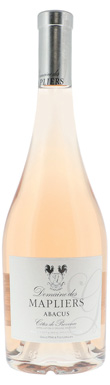

After years of working as a famous distributor of Provence rosé in the French Riviera, Jean Gallo realised his dream and set up Domaine des...
2018
Domaine des MapliersCôtes de Provence

Domaine Terre de Mistral, Rosalie, Côtes de Provence, Ste-Victoire, Provence, France, 2018
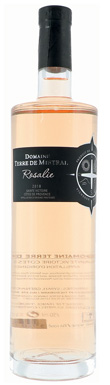
95
<p>Terre de Mistral, named after the famous and powerful mistral wind, so ubiquitous in the area, but also from owners Nadia and Serge Davico’s affinity to the land and Provençal poet, Fréderic Mistral. Situated on the slopes of the Sainte-Victoire mountain near Rousset, just east of Aix-en-Provence, the 50ha estate produces a diverse range of wines from red, white, sparkling and rosé, in varying appellations from IGP Méditerranée, Côtes de Provence and Côtes de Provence Sainte-Victoire, where Cuvée Rosalie is made from Syrah, Grenache and Rolle (Vermentino). There’s a tradition of naming every wine from someone in the family, and Rosalie is Serge Davico’s grandmother! Nicolas Clerc MS: Discreet, mineral, fresh pistachio, marzipan, garrigue, thyme, oregano, pretty fruit. Creamy, solid but tense, generous and gastronomic. Extremely Mediterranean in style. Elizabeth Gabay MW: Creamy, fresh, and spicy. Good intensity of fruit and lively white peach acidity. Very attractive. Joanna Simon: A very pale peach. Fragrant, sweet, creamy peach aromas and flavours (almost like Viognier!), precise and fresh yet creamy textured, with citrus-edged length.</p>
2018
Domaine Terre de MistralCôtes de Provence
Château Léoube, Rosé, Côtes de Provence, La Londe, Provence, France, 2018
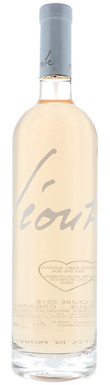
Pale, creamy white in appearance. It’s appetising, fresh, with a sea breeze nose. The palate is fleshy - full of grapefruit, nectarine and peach flavours,...
2018
Château LéoubeCôtes de Provence
Château Galoupet, Côtes de Provence, Cru Classé, Provence, France, 2018
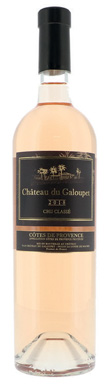
The initial notes of mineral, flint and chalk are atypical of what follows. Ripe and juicy peach fruit, apricot too. Velvety and harmonious, a class...
2018
Château GaloupetCôtes de Provence
Château Minuty, Rose et Or, Côtes de Provence, Provence, France, 2018
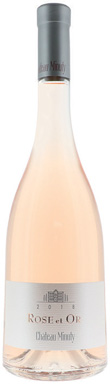
Fragrant white peach and apricot aromas. White peach dominates the palate with cardamom, hints of black fruit inner core and a touch of minerality to...
2018
Château MinutyCôtes de Provence
Château Montaud, Extrait de Terroir, Côtes de Provence, Pierrefeu, Provence, France, 2018
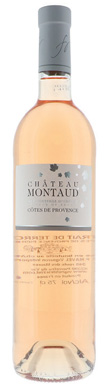
An elegant nose of fresh fruit, raspberries, violets and an intriguing Turkish delight. Ripe rhubarb and cream fruit texture add to its long mineral finish.
2018
Château MontaudCôtes de Provence
Château Sainte Marguerite, Cuvée Symphonie, Côtes de Provence, La Londe, Provence, France, 2017
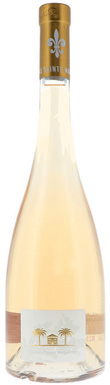
Muted, discreet opening, but powdery chalk acidity slowly ignites it to Potpourri, white flowers and spice, with a creamy, crystalline acidity finish.
2017
Château Sainte MargueriteCôtes de Provence
Domaine de Cala, Prestige, Côteaux Varois en Provence, Provence, France, 2018
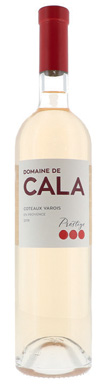
A charming character of fresh berries, wild herbs - oregano, rosemary and mint. The intrigue continues with touches of jasmine flower, saffron and an orange...
2018
Domaine de CalaCôteaux Varois en Provence
Château de Pampelonne, Côtes de Provence, Provence, France, 2018
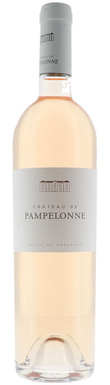
90
A restrained nose, but an elegant palate combining summer berries with orange and savoury mineral notes, fine texture and a refreshing red apple length.
2018
Château de PampelonneCôtes de Provence
Château Maravenne, Collection Privée, Côtes de Provence, Provence, France, 2018
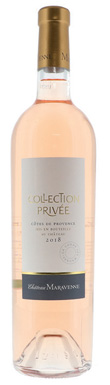
90
Perfumed Peach Melba aromas dominate, which gradually lead to sweet red berry, spice and an earthy mineral note, met with delicate ripe apple acidity.
2018
Château MaravenneCôtes de Provence
Château Paradis, Terre des Anges, Coteaux d'Aix-en-Provence, Provence, France, 2018
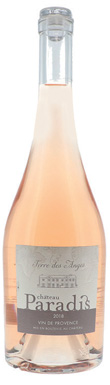
Creamy white peach fruit and floral aromas. The oak is very well integrated, adding to the structure and intense white peach fruit with an extra...
2018
Château ParadisCoteaux d'Aix-en-Provence
Château Thuerry, Les Abeillons, Côteaux Varois en Provence, Provence, France, 2018
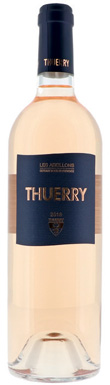
Fresh apricot, spiced peach and a hint of coffee bean on the palate. Creamy and delicate, balanced and appealing, with fresh mineral acidity to the...
2018
Château ThuerryCôteaux Varois en Provence
Domaine Saint Laurent, Rosé, Côtes de Provence, Provence, France, 2018
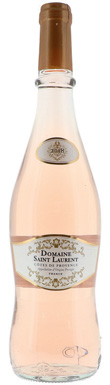
90
Floral jasmine aromas and Peach Melba flavours lead to fresh red berry fruits, augmented with a rose petal expression. A well-made example.
2018
Domaine Saint LaurentCôtes de Provence
Figuière, Première, Côtes de Provence, Provence, France, 2018
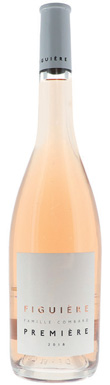
Pretty floral, peaches-and-cream aromas which lead to red currants and spicy red berries on the palate. It’s vibrant and fresh, with a touch of herbs...
2018
FiguièreCôtes de Provence
Château Gassier, Esprit Gassier Limited Day/Night Edition, Côtes de Provence, Provence, France, 2018
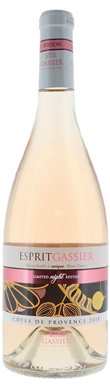
90
Alluring peach and red berry aromas, followed by orange blossom and elderflower. There’s a mineral end to this, with a strong and persistent saline acidity coming through.
2018
Château GassierCôtes de Provence
Hecht & Bannier, H&B, Côtes de Provence, Provence, France, 2018
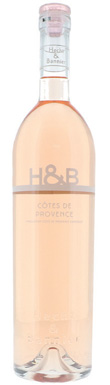
A delicate nose with a floral hint of herbs – juniper and rosemary. A duality of a wine showing sweetness yet acidic freshness, a touch...
2018
Hecht & BannierCôtes de Provence
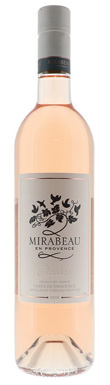
Mirabeau, Classic, Côtes de Provence, Provence, France, 2018
90
Rose petal aromas and vibrant red berry fruits on its creamy, silky, textured palate. Grapefruit freshness gives charm, and complexity to its lively ending.
2018
MirabeauCôtes de Provence
