The David Ramey interview
With an early career influenced by some of the most respected names in the world of French wine, this classically minded innovator went on to become one of the key figures in wine in California. Elin McCoy meets the Ramey Cellars founder...


‘Okay, we’re an American success story,’ David Ramey admits with a satisfied smile as I look at the line-up of 27 bottles on a table at Ramey Cellars in Healdsburg. Most are current releases. ‘Our winery is like a chef-owned restaurant,’ he explains. The wines are signature dishes; he’s ‘the chef of the cellar’.
At 6’ 1”, white-haired and casually dressed, Ramey could easily be mistaken for a laid-back Western rancher – but he is one of California’s most accomplished winemakers, known especially for his lush-textured Chardonnays.
Scroll down to see Elin McCoy’s Ramey tasting notes
Over the past 40 years, he’s built the reputation of half a dozen famous wineries, achieved his artistic vision at his own Ramey Cellars, and now, at 67, still has the enthusiasm to embark on new projects.But there’s more. As a pioneer of traditional winemaking techniques and champion of the idea of terroir, he heavily influenced the direction of California wine as both he and the industry were coming into their own.
Like so many winemakers of his generation, Ramey didn’t grow up with wine. He attended the University of California Santa Cruz, where he hated science and was no good at calculus, so studied American literature instead. Along the way, he learned to love wine.
His decision to make it came after college, in 1974, as he was driving a Toyota through the Mexican desert en route to Colombia to teach English. ‘It was a coup de foudre,’ he says, shaking his head and smiling at the memory. Pondering what he should do with his life, he concluded that winemaking had much of the same aesthetic appeal as literature.
Before long he was on his way back to California to enrol in a Masters programme in Enology, and graduated from University of California at Davis in 1979. ‘There were a lot of liberal arts retreads at Davis back then,’ he laughs, ticking off names like Cathy Corison and John Kongsgaard.
Though his classmates were taking status jobs in Napa after graduation, Ramey craved European adventure. He sent a dozen letters to Bordeaux, but only Christian Moueix replied positively, so he started out as a cellar rat in Pomerol, where Jean-Claude Berrouet, then winemaker at Petrus, became a key mentor. ‘He taught me to make red wine and to let nature do the work,’ says Ramey.
David Ramey at a glance
Born 1951 in Seattle
Training BA in American Studies, University of California, Santa Cruz; MS in Enology, UC Davis.
Internships JP Moueix, Lindemans Winery
Career Winemaker for Simi Winery, Matanzas Creek, Chalk Hill, Dominus, Rudd Estate; founder, Ramey Cellars (1996); consultant for Rodney Strong, Davis Bynum, Westwood Estate
Family Wife Carla, children Claire and Alan
Hobbies The New York Times crossword, hiking, cooking, travel, watching movies on his home video system
Early impact
During his first real job as assistant winemaker to Zelma Long at Simi winery, he experimented with white winemaking techniques that are now commonplace in California, such as malolactic and barrel fermentation, and ageing wine on the lees. He hands me some papers he’s published, one on the effects of skin-contact temperature on Chardonnnay. ‘But the biggest thing I learned from Zelma,’ he says, ‘was how to run a winery.’
At each career step, he added innovations based on scientific experimentation. At Matanzas Creek, he stopped acidifying wine and introduced whole-cluster fermentation, which was quickly copied by others. His next stint, at Chalk Hill, put him on the map. It had been selling cheap, thin Chardonnays. Ramey introduced fermentation with native yeasts, upped quality, and when he left, the wine was selling for four times its previous price.
In 1996, Moueix lured him as vice president to run Dominus at Yountville and oversee the building of its now iconic Herzog & de Meuron-designed winery; but Ramey pointed out that Dominus didn’t make any white wines. ‘Moueix told me, look, if you want to make a little Chardonnay on the side, that’s okay,’ he recalls. So Ramey convinced Larry Hyde to sell him grapes from his oldest block to make 260 cases of the first Ramey Cellars Chardonnay, vintage 1996.
That’s how most winemakers without investors to back them start their own wineries in California today: find top vineyards, negotiate long-term contracts, and make the wine in someone else’s winery. Ramey’s wife Carla, whom he married in Bordeaux, took on the administrative and financial side; Ramey hunted more vineyards.
Their project got a boost when Ramey went to work for Leslie Rudd, turning Napa’s Girard Winery into Rudd Estate. Rudd didn’t want to use the grapes from two blocks of old Wente clone Chardonnay vines, so Ramey took them on and overnight the Rameys’ production quintupled. By 2002, their line-up included reds, and Ramey, at 51, was ready to go full-time on his wines.

Rounded philosophy
While California winemakers embraced the now much-derided buttery, over-oaked style of Chardonnay, Ramey stuck to his own tradition-based ideals. He likes to say: ‘I don’t want to reinvent the wheel.’ Winemaking for his two appellation and five single-vineyard Chardonnays, many from Russian River Valley, is similar: whole-cluster pressing, native yeast fermentation in barrels, sur-lie ageing with bâtonnage, a light fining and no filtration.
His ideal has always been a marriage of sun-kissed California fruit married to Burgundian-style minerality. ‘I think of it as neoclassical Burgundy,’ he says. He loves rich texture and doesn’t worry about alcohol levels. ‘Alcohol,’ he says, ‘adds to the mouthfeel.’
Yet he now harvests all his grapes earlier and the 2015s seem more precise, lifted and filled with energy than his wines of a decade ago, each reflecting a different vineyard character. ‘Terroir,’ he insists, ‘is not deniable.’
Most people identify Ramey with Chardonnay, but he also makes reds: three Cabernets, a ‘Claret’ blend, a Merlot-based blend, a new Pinot Noir, and three Syrahs. The Napa Cabernets have deep fruit, structure and silky richness. He’s migrating away from Napa to Sonoma, though, and will release a 2016 Sonoma Cabernet.
What finally excited him about California Syrah was a Neyers, Hudson Vineyards 1998 bottling that ‘had that smoked meat aroma and Rhône-like taste I love.’ He tracked down cool sites, including Rodgers Creek in new AVA Petaluma Gap.
His favourite wine region other than his own is, surprisingly, Tuscany. He also loves wines from the Rhône, and says the best white wine he’s ever tasted is Domaine de la Romanée-Conti’s Montrachet; the best red, Château Haut-Brion.
Finally, in 2012, Ramey was able to purchase his own property: a 30ha farm on Westside Road in the Russian River Valley, with a 17ha vineyard and a historic hop kiln building he plans to turn into a public tasting room. The location, across the road from the Williams Selyem winery and about a mile south of famous Rochioli, is prime wine territory. Happily, this will remain very much a family winery now that his children Claire and Alan have joined the business.
Add to that his latest venture – a second label, Sidebar, which made its debut in 2014. ‘I created it to have fun,’ he says, ‘and to try out other varieties and wines that can be sold at cheaper prices, like rosé, Sauvignon Blanc and Kerner – all the somms want that.’ They’re fresh, bright wines for casual drinking and far more interesting than many in the same price range. The Kerner 2017 is notably spicy, refreshing and crisp.
The Sidebar varieties reflect what was available that Ramey just couldn’t pass up, such as grapes from an old Russian River vineyard that include Zinfandel and Alicante Bouschet. ‘I have to keep a lid on it,’ he admits. Why a new brand instead of just adding to the Ramey Cellars line-up? ‘BMW,’ he points out, ‘is not going to put its name on a $20,000 car.’

Whither Californian wine
Ramey is bullish on the quality of wines in California. ‘After 40 years we’ve figured things out,’ he says over a lunch of wagyu ribeye steaks, bone marrow soufflé and two stunning vintages – 2005 and 2011 – of his top Cabernet from Pedregal Vineyard in Oakville. ‘California is making the best wine it ever has; basic mistakes were worked out long ago.’
When it comes to Chardonnay, he sees ‘the triumph of Burgundy’, meaning California’s winemakers have adopted the Burgundian techniques that he helped to introduce. One big change, he says, ‘has been the march to the coast and cooler climates’. Another has been the market: wine is so much more popular than when he began. The downside is that the state is crowded with ‘the constant noise of new brands, many made by wannabe players who don’t have a frame of reference’.
The most serious problem that California’s wine success has brought, he says, is that ‘agriculture is under assault by retirees’. The Russian River Valley is a vacation destination and a desirable place to live. ‘The question for the future is whether we want to be a residential community or an agricultural one.’
If I had to describe Ramey in two words, I’d settle on ‘meticulous maverick’. He’s a classicist, yet a bold experimenter, and both romantic and scientific enough to think about the underlying meaning of wine. He doesn’t follow trends, puts winemaking ideas to the test, and if they work towards his final goal of quality and style, adopts them.
David Ramey is not afraid to dream big, and he wants to do things his own way.
David Ramey – a timeline
1979 MS in Enology at UC Davis, Intern, Ets Jean-Pierre Moueix
1980 Intern, Lindeman’s Winery, Australia
1980-1984 Assistant winemaker, Simi
1984-1989 Winemaker, Matanzas Creek
1989 Works at Petrus again; marries Carla
1990-1996 Winemaker, Chalk Hill
1996 Founds Ramey Wine Cellars
1996-1998 VP, winemaker, Dominus Estate
1998 Debut of first Ramey wine, Hyde Chardonnay
1998-2002 Director, vineyards and winemaking, Rudd Estate
2002 Leaves Rudd to focus on Ramey Wine Cellars
2012 Buys first vineyard, Westside Farms
2013 Daughter Claire joins winery
2014 Starts Sidebar Cellars; Pinot Noir programme begins
2016 Son Alan joins winery
David Ramey wines:
Ramey, Woolsey Road Vineyard Chardonnay, Sonoma County, Russian River Valley, California, USA, 2015
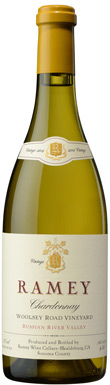

This cool-sited single vineyard, owned by the Martinelli family, was planted to Ramey’s specifications in 2007 using the famous old-fashioned Wente clone. Though the vineyard lies in the Russian River appellation, this wine is more Sonoma Coast in style, with wonderful lemony aromas and very bright, intense citrussy flavours. There's plenty of vibrancy and zing, and silky rather than creamy textures. Nineteen months' ageing in 20% new French oak barrels gives it depth and balance.
2015
RameySonoma County

Ramey, Pedregal Vineyard Cabernet Sauvignon, Napa Valley, Oakville, California, USA, 2014
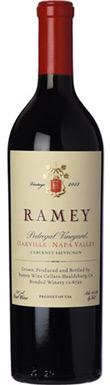
This blend of 88% Cabernet Sauvignon and 12% Petit Verdot comes from a small hillside vineyard in eastern Oakville, just below the Dalla Valle winery. Pedregal means 'rocky place' in Spanish, and the soil is iron-rich volcanic rock. The vintage, a drought year, was classic, with harvest on 19 September. The wine is dark, deep, and layered, with mineral overtones and a silky richness, its tannins smoothed by ageing for 25 months in new French oak.
2014
RameyNapa Valley
Ramey, Ritchie Vineyard Chardonnay, Sonoma County, Russian River Valley, California, USA, 2015
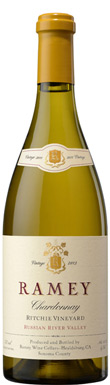
This lush-textured white comes from 42-year-old vines grown on the gravelly, sandy Goldridge loam common to great vineyards in Russian River. Harvest was early, but smaller grapes concentrated the flavours. Stylistically, the wine harks back to the full-on seduction of classic California Chardonnay, but it also has lift, tang and the structure to age well. The spicy, pineappley fruit marries well with 21% new oak, which lends the wine depth and complexity.
2015
RameySonoma County
Ramey, Rochioli Vineyard Chardonnay, Sonoma County, Russian River Valley, California, USA, 2015
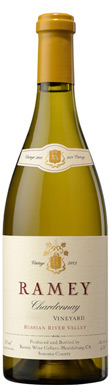
This is the first vintage of this wine, made using grapes from the historic Rochioli vineyard on Yolo loam soils, plus a tiny bit from the Allen Vineyard, which the Rochiolis also farm. Most of the grapes come from vines that are more than 20 years old. The wine has a very rich, deep, fruity character with super-refined elegance and a long finish.
2015
RameySonoma County
Ramey, Rodgers Creek Vineyard Syrah, Sonoma County, Sonoma Coast, California, USA, 2014
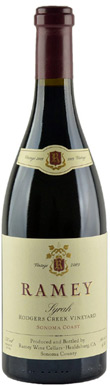
This vineyard is a unique site, 250 metres up on the cooler side of Sonoma Mountain. It lies in the new Petaluma Gap AVA, on rocky, volcanic soils. The vintage was early, with harvest in early October, but it was a good one. This wine includes 10% Viognier, grown in the same vineyard and co-fermented. The result is very northern Rhone-like, with complex white pepper, lavender, and mint aromas, a savoury, structured character, and a texture approaching silk.
2014
RameySonoma County
Ramey, Hyde Vineyard Chardonnay, Napa Valley, Los Carneros, California, USA, 2015
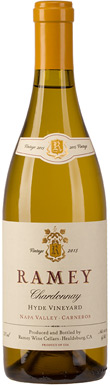
Marine breezes flowing through the Petaluma Gap cool this historic vineyard on the Napa side of the Carneros District. This wine has been a classic since its first vintage in 1996, and it seems to be picked earlier than in the past. Savoury, bright, elegant and long, it shows pretty aromas of lemon, white flowers and minerals. It’s brisk and tightly wound, with plenty of natural acidity to lift the palate. It has the structure to age.
2015
RameyNapa Valley
