Expert’s Choice: 18 supreme Argentinian Bonardas
No longer just the standard lunchtime sip for Argentines, Bonarda and its succulently fruity charms are climbing the quality ladder and garnering ever-increasing attention.


Smooth, creamy, with luscious black fruit, Bonarda is a kitten that just wants to be petted.
And there is no shortage of Bonarda kittens in Argentina: it’s the third-most planted grape variety in the country – the first is Malbec, the second Cereza (one of the historic Criolla varieties) – and one of Bonarda’s main, grower-appealing characteristics is its generous yields.
It’s especially the case in the warm, sunny vineyards of eastern Mendoza, where its many bunches can ripen to deliver that dose of creaminess and sweetness that are Bonarda’s trademark.
Scroll down to see Patricio Tapia’s pick of Argentina’s Bonardas
Opaque origins

Although Bonarda has been part of the Argentine wine landscape since the beginning of the last century, it wasn’t entirely clear where it came from or what it was.
Bodega Nieto Senetiner’s winemaker Roberto González (pictured, above), a Bonarda expert, explains: ‘In 2008, DNA studies were conducted and determined that Bonarda originates in Savoie and is [the same as] Douce Noir/Corbeau.’
González has been vinifying Bonarda at Nieto Senetiner since 1999 and is responsible for the first attempt at making a truly great Bonarda.
In 2000, the winery launched Edición Limitada (now called Las Tortugas Estate – see recommendations), a Bonarda that at the time was a giant in terms of ripeness and extraction, but has since been substantially refined and now even shows signs of freshness – a detail that’s uncommon in the grape.
Freshness in his Bonardas is what winemaker Alejandro Vigil, a partner in the El Enemigo winery, has been searching for.
Vigil has been studying Bonarda’s behaviour and experimenting with different soils in eastern Mendoza, all planted with very old Bonarda vines.
And from there, he’s developed a series of four single-vineyard bottlings that are among the best examples of the variety today.
‘The main challenge I face is getting the grapes to ripen without excessive alcohol, which would give them too much sweetness,’ says Vigil.
‘And I’ve found [better balance] in clay soils, which have better water retention. In sandy or very stony soils, what I get is peach jam.’
And nothing against peach jam, but what Vigil wants to demonstrate is that Bonarda can also be fresh and elegant; as is the case with one of these four single vineyards called El Mirador (see recommendations), which offers an expression of Bonarda with an unusual, firm tannic structure and freshness, rich in red fruits and herbs.
Reaching new heights

Sebastián Zuccardi, winemaker at the Zuccardi Uco Valley winery, has taken it a step further.
For Emma, the house’s top Bonarda (above), he uses vines planted in Altamira and San Pablo, cool, high-elevation areas where the variety should have problems. Does it?
‘The first versions of Emma came from the east, but in 2013 we decided to explore new areas in search of higher quality. And what we found was a different Bonarda,’ he explains.
‘The chalk in those soils gave them a firmer tannic structure, and the elevation gave them redder, fresher fruit. But in those cooler areas, like San Pablo, Bonarda takes much longer to ripen. In fact, it’s the last variety we harvest, and with low alcohol levels, sometimes at less than 12%.’
The new versions of Emma are Bonardas with sharp tannins, but they maintain that ripe, juicy, fruity side that is the hallmark of the grape and the reason why it’s so lovely to drink.
18 top-of-their-game Bonardas from Argentina:
Related articles
- Argentina: A vinous powerhouse in South America
- Argentina: Award-winning wines to celebrate Malbec World Day
- Decanter’s Dream Destination: Entre Cielos, Mendoza, Argentina
El Enemigo, Single Vineyard El Mirador Bonarda, Rivadavia, Mendoza, Argentina, 2023
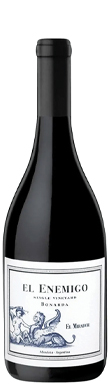

Part of the line of single-vineyard wines with which winemaker Alejandro Vigil aims to demonstrate that Bonarda can make more than just simple wines for sipping on the go. This comes from more than 80-year-old vines in the warm east of Mendoza. It’s aged for one year in foudres and is a red rich in herbal and fruity nuances. The palate displays especially energetic acidity and fine, sharp tannins. Fruit flavours abound.
2023
El EnemigoRivadavia

Zuccardi, Emma Bonarda, Uco Valley, Mendoza, Argentina, 2023
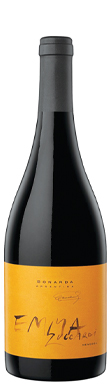
The Andean freshness seems to lend a herbal side to this red, with ripe red fruits pulsing in the background. The calcareous soils of these places have imparted a pungent texture and the acidity is fine and tense. One of the most daring interpretations of Bonarda, this combines equal parts from Altamira and San Pablo, both in the Uco Valley, between 1,100m and 1,500m. A Bonarda that challenges definitions of the variety.
2023
ZuccardiUco Valley
Catena Zapata, Nicola Catena Bonarda, Rivadavia, Mendoza, Argentina, 2022

Nicola Catena was the founder of the Catena winery and planted the first vineyards of what is now one of the key wineries in modern Argentine wine. This Bonarda, from eastern Mendoza, is a tribute to the founder in a wine of great balance and elegance. It seems to have no sharp edges; everything flows with spicy, herbal and, above all, fruity flavours – ripe, juicy black fruits, as dictated by the grape’s DNA.
2022
Catena ZapataRivadavia
El Enemigo, Bonarda, Rivadavia, Mendoza, Argentina, 2021
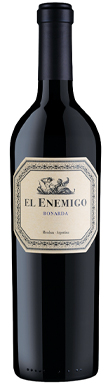
Southeast of Mendoza, Rivadavia has one of the greatest concentrations of Bonarda vineyards in Argentina. Thanks to a cold year in 2021, this shows an energetic face full of refreshing fruit. The gentle sweetness of the Bonarda is still there, but the tension of the acidity takes on a different dimension. A smooth and juicy red to pair with charcuterie.
2021
El EnemigoRivadavia
Foster Lorca, Firmado Bonarda, Los Arboles, Uco Valley, Mendoza, Argentina, 2022
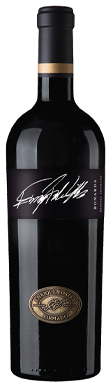
Although winemaker and co-owner Mauricio Lorca is originally from eastern Mendoza, where Bonarda is native, for Firmado he selected his own vineyards in Los Arboles, in Uco Valley. Full-bodied, with spicy and smoky aromas from oak ageing, but with a background of ripe, succulent black fruits that quickly take centre stage. Tannins are soft, juicy and fluid in a Bonarda suitable for hearty meals.
2022
Foster LorcaUco Valley
Mundo Revés, La Garrigue Bonarda, Uco Valley, Los Chacayes, Mendoza, Argentina, 2023
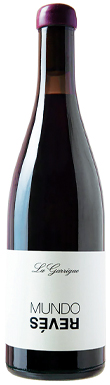
From French winemakers Quentin Pommier and Thibault Lepoutre, who have lived in Mendoza for years. Their wines come from the highlands of the Uco Valley, such as this Bonarda from old vines in the Los Chacayes region. A strong sensation of ripe, succulent fruit, along with spicy and herbal aromas. Generous flavours and firm tannin structure, closely connected to the limestone soils of the area.
2023
Mundo RevésUco Valley
Nieto Senetiner, Las Tortugas Estate Bonarda, Luján de Cuyo, Agrelo, Mendoza, Argentina, 2023
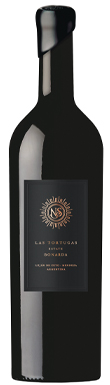
Winemaker Roberto González sources this Bonarda from an old vineyard on the clay soils of Agrelo, Mendoza. This has been the same source of grapes since this Tortugas was launched in 2000, under the name Edición Limitada. This vintage offers a layer of ripe, mouthwatering flavours, a firm but not aggressive tannin texture and fresh acidity.
2023
Nieto SenetinerLuján de Cuyo
El Porvenir de Cafayate, Pequeñas Fermentaciones Bonarda, Cafayate Valley, Salta, Argentina, 2021
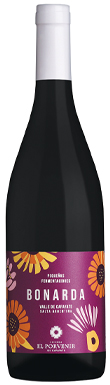
As a slow-ripening variety, Bonarda likes the sun. And in Cafayate, at about 1,600m, there’s plenty of sunshine. This experiment from one of the area’s key wineries, has created a Beaujolais-style interpretation of the grape, using carbonic maceration to imbue great fruit expression and a delicious freshness that invites you to keep drinking.
2021
El Porvenir de CafayateCafayate Valley
Tutu Wines, Antro Bonarda, Uco Valley, Tunuyán, Mendoza, Argentina, 2024

The idea of planting Bonarda in the Uco Valley is growing among Mendoza producers. Here, gastronomic entrepreneur Aldo Graziani has made room in his catalogue for a Bonarda from Agua Amarga, at about 1,200m. With a firm texture, in tune with Andean Bonardas, the tannins here grip like sharp nails, while the acidity is juicy and refreshing. The rest is fruit and more fruit to sip and quench your thirst.
2024
Tutu WinesUco Valley
Amuleto, Bonarda, Mendoza, Argentina, 2024
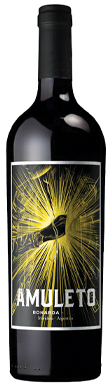
The Cabrillana brothers come from a long tradition of wine-growers in eastern Mendoza, so they know something about Bonarda. Winemaker Leonel and viticulturist Esteban grew up with this grape, and in this wine they’ve interpreted it in such a refreshing way that it’s hard to recognise, but very much in tune with the brothers’ winemaking style. Here, there are juicy red fruits, sharp acidity and a light and refreshing body, perfect for sipping poolside.
2024
Amuleto
Entrometido, Echos du Terrain Bonarda, Mendoza, Argentina, 2022
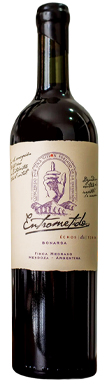
Owned by winemakers Francisco Fraguas and Conrado Gibbs, this is another small Mendoza project reviving Bonarda. For this wine, they purchase grapes from 70-year-old vineyards located in the Medrano region of eastern Mendoza. The wine has aromas of sweet black fruits and some herbal notes that contribute to its freshness. It’s juicy, with a full-bodied texture: one of those reds that fills the mouth with its flavour.
2022
Entrometido
La Posta, Armando Bonarda, Mendoza, Argentina, 2023
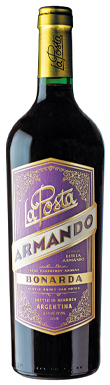
It’s not unusual to come across old Bonarda vines in Mendoza. In this case, they’re more than half a century old and planted in the warm plains of Guaymallen, east of the city. The nine months of barrel ageing (half of the wine) initially bring toasted notes, but soon the variety’s ripe, succulent fruit takes hold, with juicy flavours and that smooth, creamy texture. A textbook Bonarda.
2023
La Posta
Oid Mortal, Selección de Parcelas Bonarda, El Peral, Uco Valley, Tupungato, Mendoza, Argentina, 2023
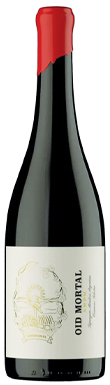
Oid Mortal is the project of Amparo March and Pablo Marino, in Tupungato in the northern Uco Valley. For this Bonarda, the couple select grapes from the neighbouring area of El Peral, crafting a wine with juicy black fruits, full-bodied on the palate but refreshed by a mountain-high acidity and herbal notes that add tension. Suitable for stewed meats.
2023
Oid MortalUco Valley
Onofri, Alma Gemela Bonarda, Lavalle, Mendoza, Argentina, 2021
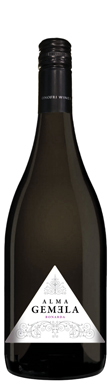
Mariana Onofri is a well-known sommelier from Mendoza who also has this project based on vineyards in the Lavalle area of eastern Mendoza. From there, and from 40-year-old vines, she obtains this Bonarda, another that challenges the definitions of the variety. It’s muscular, with firm tannins and high acidity by the grape’s standards. The flavours reflect the variety, displaying their ripe and succulent tones.
2021
OnofriLavalle
Altos Las Hormigas, Colonia Las Liebres Bonarda, Mendoza, Argentina, 2023
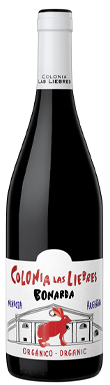
This Bonarda began appearing on the international market in the early 2000s and was an immediate success because it showcased the grape’s friendlier side. This new vintage offers a similar character, full of fruity aromas and flavours, and a texture that makes the wine flow through the mouth, leaving a pleasant sweetness. Perfect with finger food; serve it chilled.
2023
Altos Las Hormigas
Escala Humana, Livverá Bonarda, Uco Valley, Mendoza, Argentina, 2022
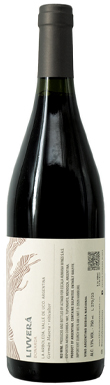
Germán Massera and his wife Ayelén Bonetto have a small property in the heights of Gualtallary, Uco Valley, where they grow vines, while also buying in grapes from other local growers. This comes from an Uco vineyard and is a simple, direct Bonarda. Ripe fruit aromas blend with herbal notes. A juicy palate with bright acidity, but with Bonarda's succulent side. Perfect for grilled meats.
2022
Escala HumanaUco Valley
Ricardo Santos, Bonarda, Ugarteche, Luján de Cuyo, Mendoza, Argentina, 2020
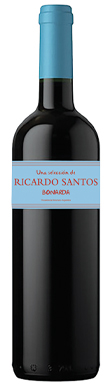
The Santos family has been involved in winemaking for generations. Today, they have a winery base near Mendoza, and four other vineyard sites around the region; they also buy in grapes. In this case, it’s a Bonarda from a vineyard planted in 1981 in Ugarteche. A classic example with sweet aromas of black fruits and succulent flavours that are allied to a creamy texture.
2020
Ricardo SantosLuján de Cuyo
Staphyle, Premium Bonarda, Luján de Cuyo, Agrelo, Mendoza, Argentina, 2024
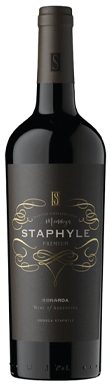
Staphyle is owned by the Porretta family, who also own the historic Hotel Potrerillos, above Potrerillos dam in the foothills of the Andes. Their vineyards are mostly located further downstream in Agrelo and from there they source the early-harvested grapes for this refreshing, soft Bonarda. Aromas and flavours of black fruits emerge alongside herbs, lively acidity and a light body.
2024
StaphyleLuján de Cuyo
