
Furmint: A versatile variety to watch
Hungary has established the reputation of this grape’s subtle, complex, food-friendly dry whites, but great Furmint wines can be found in other places too, says Caroline Gilby MW. Try a range of styles of dry Furmint this month and get some food pairing inspirations from Isa Bal MS.


Furmint is famous as the key ingredient in the amazing sweet wines of Tokaj, but over recent years it has quietly been building a reputation as a variety to watch: with multiple claims for joining the ranks of great white grapes.
Incredibly versatile, Furmint has some similarities to Riesling – able to go from bone dry, crisp and vibrant all the way to intensely sweet, though always with its hallmark steely acidity.
Scroll down for Furmint food pairing suggestions and top recommendations
At the same time, it has a touch of Chardonnay’s nature about it: capable of fine sparkling wines and able to respond well to oak and malolactic fermentation to give layered, complex, almost Burgundian-style wines.
This all makes sense, as genetic analysis shows it’s a half-sibling of both Chardonnay and Riesling.
The variety’s homeland is almost certainly Hungary, where it first appeared by the name Furmint in 1611, and of the 4,954ha planted in the world, Hungary has nearly 4,000ha (of which the biggest plantings are in Tokaj at 3,766ha).
Its second-biggest home is Slovenia, where it is better known as Sipon (supposedly a corruption of the nickname Napoleon’s soldiers gave – ‘si c’est bon’ – for ‘it’s so good’).
In the past it was treated as a high- yielding workhorse here, but now winemakers are identifying parcels of old vines, harvesting at low yields and giving it proper respect in the winery.
There’s also a new generation of bottle-fermented sparkling wines in both Hungary and Slovenia – Furmint’s naturally crisp acidity makes great raw material for bubbly.
Croatia is the third most important grower of Furmint, though it’s often hidden under alternative names like Moslavac and Pušipel.
Hungarians outside Hungary seem to feel a spiritual connection to Furmint, and there are notable small producers in Slovakia, Romania and Serbia, typically with Hungarian roots.
In the spotlight
A sense of place or terroir – reflecting different growing conditions – is another important feature of any great grape.
Furmints grown in Slovenia, Croatia, Slovakia, Romania, or even other Hungarian regions such as Somló, are distinctive.
In Tokaj, winemakers are increasingly searching out micro-locations or dűlő (the Hungarian word for a site selection), which show clearly how the variety responds to differences in soil and aspect.
The final question to establish a grape’s quality credibility is ageability.
Tokaj’s luscious aszú wines can age for decades, but serious dry wines from Furmint are relatively new on the scene, though recent tastings show 15-year-old examples still in great shape.
The warm, dry vintage of 2003 was a turning point for many producers, kick-starting new thinking about how to make dry wines deliberately (and managing the vineyards in a different way – aiming for super-healthy grapes).
It’s been a rapid learning curve to discern how best to grow and vinify this new generation of amazing dry wines, but the results today are truly exciting.
Whatever your choice: sparkling, dry or sweet, Furmint should be in your glass. It’s good enough to rival any of the world’s more famous whites.
Hungarian wine facts
- Regions: 22 wine regions, 33 PDOs
- Area under vine: 58,276 ha of vineyards in production in 2020 (white: 40,396 ha, red: 17,880 ha).
- Total production: 2.7 million hl in 2020
- Furmint accounts for 3,712 ha (3,573 ha in production). It is the country’s third most important white grape.
What food pairs well with different styles of dry Furmint?
Furmint is of strong interest for gastronomy due to its versatility, said Isa Bal MS, co-founder and sommelier of Trivet, London. It can be made into a range of styles and of varying sweetness, therefore diners can enjoy wines made from the same variety throughout the entire meal. ‘Not that many varieties can do that,’ he said.
Dry Furmint with its aroma characters and underlying acidity can work well with a diverse range of world cuisine, especially oriental spices. And it’s not only for aperitif and starters, he stressed, the weightier and more concentrated bottles can serve as alternatives to red wines to take on stronger flavours such as stews and other pot dishes. That is especially helpful when you are having heavy dishes in hot summers, he said.
Matching the weight of the wine with those of the food is the key, said the Master Sommelier. Here is his pairing guide based on four styles of dry Furmint.
1. Lighter, unoaked style
Examples: Patricius Furmint 2019, Sauska Furmint 2020
To be paired with: Japanese Tempura of red mullet and sea vegetables, with mild sweet and sour dip with a touch of spiciness.

The hot and crunchy Tempura dish is a perfect partner for a lighter dry Furmint with refreshing acidity and floral, citrus and green apple notes, which refreshes the palate and creates an extra dimension of flavours. Lightly seasoned seafood and soft-rim goat cheese could also pair nicely with these crisp dry Furmints.
2. Fuller with some oak ageing – ‘estate style’
Examples: Zsirai Estate Furmint 2016, Kikelet Furmint 2018
To be paired with: Seared scallop confit Kombu, with purée of sesame and pickled Hand of Buddha

For dry Furmints with a more oily texture but firm underlying acidity, Isa Bal MS recommends a dish that features citrusy acidity from the pickled Hand of Buddha, a touch of earthiness from the sesame seeds, and caramelised Kombu (kelp seaweed) for an element of umami. The scallop is seared brown on top and decorated with sesame for extra texture.
Both the dish and the wine style showcase a combination of richness and freshness, with the matching acidity level being the key to the marriage.
3. Single vineyard, more linear ‘Riesling style’
Examples: Sanzon Tokaj Nobilis Rany Furmint 2018, Tokaj Nobilis Barakonyi Furmint 2018
To be paired with: Lobster tagliolini. Native lobster tail steamed in its shell, with fresh trivet pasta, lobster and miso broth.

The dish plays on two different flavour profiles and textures, namely the firm texture of the lobster and the soba noodles-like tagliolini pasta. Miso provides umami and richness to the dish.
The textural quality of the wine and its poised acidity matches well with the lobster. The saltiness of the dish also complements the ripe and long fruity notes on the finish of the wine.
4. Single vineyard, richer ‘Chardonnay style’
Examples: Demetervin Úrágya 57 Furmint 2015, Grand Tokaj Kovago Furmint 18
To be paired with: Chicken with a vinegar sauce, lyonnaise potatoes and braised turnips

The sauce is based on vinegar and shallots that are finely chopped, thus high in acidity in itself. The crisp skin of the chicken provides further textural interest. Such a rich and complex dish works in perfect harmony with a full-bodied dry Furmint that boasts layers of flavours.
Pork belly with high acidity sauce, as well as a rich and full cantal cheese, could be another classic match.
*Stay tuned for more food and wine recommendations on Hungarian varieties in Decanter’s Hungarian supplement 2021, on sale at the beginning of March, in collaboration with Wines of Hungary.
See Caroline Gilby MW’s top Furmint wines in addition to our top picks for Furmint February 2021
You may also like
Expert’s Choice: Slovenia & CroatiaDecanter travel guide: Tokaj, HungaryWine sweetness: navigate your way through
Szepsy, Szent Tamás, Tokaj, Hungary, 2016
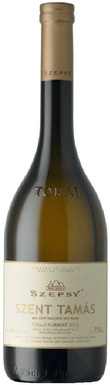

Grapes were picked in three lots to ensure optimum ripeness from this steep, stony site. Lovely classy nose, creamy oak, a textured, complex palate with...
2016
Szepsy

Kreinbacher, Prestige Brut NV, Somló, Hungary
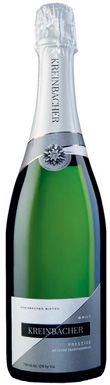
Furmint with 15% Chardonnay. Meticulous winemaking guided by a consultant from Champagne. Biscuity aromas, notes of quince and red apple, appetising crispness and a long,...
Kreinbacher
St Tamás, Szent Tamás, Tokaj, Hungary, 2013
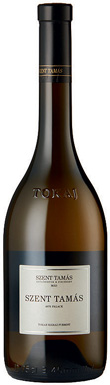
A gorgeously complex wine from one of the best vineyard sites in Tokaj. 2013 was a superb vintage and this wine is starting to evolve...
2013
St Tamás
Bott Frigyes, Furmint Barrel No33, Južnoslovenská, Slovakia, 2017
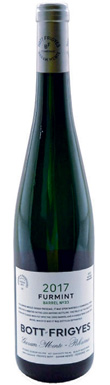
Organic cultivation, natural fermentation, special barrel selection. Expressive nose of meadowsweet, acacia, greengage and lemon. Vibrant and fresh, zesty, green pear and a fine lingering...
2017
Bott Frigyes
Dveri Pax, Sipon Furmint, Štajerska, Podravje, Slovenia, 2016
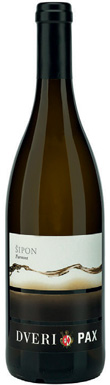
A pristine winery making super-clean, precise wines. This has an inviting bouquet of green apple and acacia blossom, mouthwatering fresh pear and green apple flavours...
2016
Dveri PaxŠtajerska
Gizella, Deák, Tokaj, Hungary, 2017
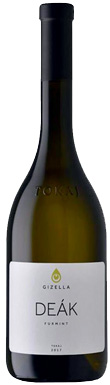
A single-vineyard selection with a beautifully pure bouquet of cut pear, quince blossom and a hint of vanilla. Refined but firm to taste, with supple...
2017
Gizella
Sauska, Birsalmás, Tokaj, Hungary, 2015
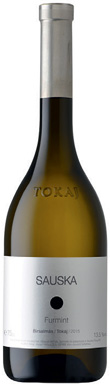
A limpid golden wine with inviting aromas of lemon, white peach and pear. Good fruit and silky texture with creamy hints and notes of quince...
2015
Sauska
Dobogó, Furmint, Tokaj, Hungary, 2015
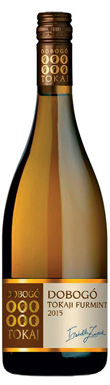
Inviting aromas of honey, peach and spice. Lovely harmony, with mouthwatering citrus acidity to finish.
2015
Dobogó
Kikelet, Birtok Furmint, Tokaj, Hungary, 2018
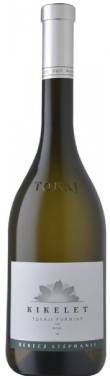
Honeyed, waxy nose with dried apricot and lemon peel. Oily-textured, with sufficient acidity and white pepper spices to support layers of bee wax, pineapple, figs...
2018
Kikelet
Verus, Podravje, Štajerska, Podravje, Slovenia, 2017
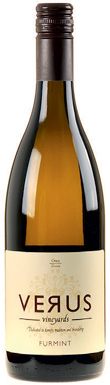
Made by three friends producing consistently great-value wines. Lovely pear and honey aromas, good intensity of poached pear and spice, vibrant finish.
2017
VerusŠtajerska
Balla Géza, Stonewine, Banat, Romania, 2016
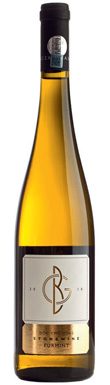
Balla Géza has Hungarian roots and replanted Furmint 15 years ago with clones from Hungary. His style is more full-bodied and softer than Tokaj, though...
2016
Balla Géza
Puklavec Family Wines, Seven Numbers, Štajerska, Podravje, Slovenia, 2016
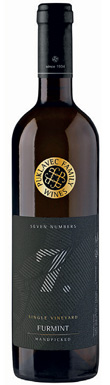
Produced from 40-year-old vines on steep terraces and only in exceptional years. Honey and spice hints, ripe pear notes. Nice texture with a long finish.
2016
Puklavec Family WinesŠtajerska
Grand Tokaj, Kővágó Single Vineyard Dry Furmint, Tokaj, Hungary, 2018
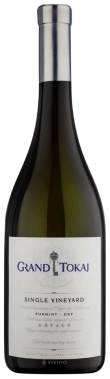
Sourced from the Kővágó vineyard of the Tokaj region, it has a gasoline-like attack followed by dried pineapple and preserved fruits notes. Oily and spiced...
2018
Grand Tokaj
Sauska, Furmint, Tokaj, Hungary, 2020
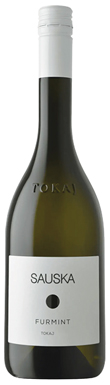
93
Refined yet unpretentious this has nutty intensity, mineral assertiveness and fruit juiciness in equal measure, showing the different faces and full potential of the Hungarian grape. Orange blossom, peach and kiwi are topped by fresh almonds and camomile. Lively, long finish.
2020
Sauska
Barta, Öreg Király Dűlő Mád, Tokaj, Hungary, 2015
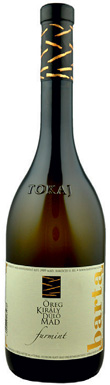
The Old King vineyard is the highest in Tokaj. The steep slopes, farmed organically, produce fantastically intense, elegant wines. This very fine example has notes...
2015
Barta
Disznókő, Inspiration Tokaji Dry, Tokaj, Hungary, 2018
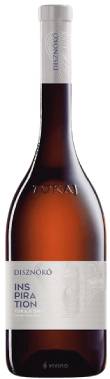
Golden-coloured, with plenty of banana, bee wax, vanilla and dried apricot on the nose. Great concentration of citrus fruits, apricots, pineapple and biting spices on...
2018
Disznókő
Disznókő, Tokaji Dry Furmint, Tokaj, Hungary, 2019
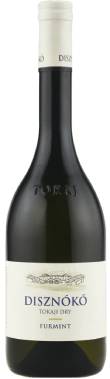
Sourced from volcanic clay soils, it has a nose of flint and bee wax, mingled with citrus and bruised apple. Fresh acidity sings through concentrated...
2019
Disznókő
Dvanajščak-Kozol, Prestige Pušipel, Zagorje - Medimurje, Croatia, 2016
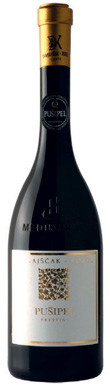
Made from partly dried grapes with a slow natural fermentation. Gently honeyed baked apple and sultana, creamy texture backed by fresh acidity.
2016
Dvanajščak-Kozol
Tokaj Nobilis, Rány Furmint, Tokaj, Hungary, 2018
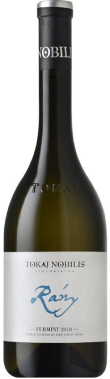
Made by a family producer that has been cultivating vine for 70 years. This single vineyard Furmint showcases a flinty nose that opens up to...
2018
Tokaj Nobilis
Tornai, Premium, Somló, Hungary, 2015
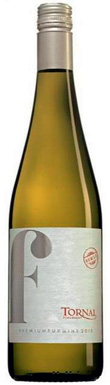
This premium organic selection from a family-run winery is youthful but has fine aromas of white peach and yellow plum. Fresh on the palate, just...
2015
Tornai
Maurer, Fruška Gora, Srem, Serbia, 2016
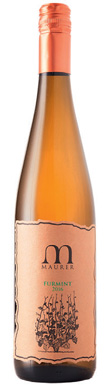
Oskár Maurer has Hungarian roots and a natural approach in vineyard and cellar. His Furmint expresses lemon and exotic fruit on the nose and to...
2016
Maurer
