
Explore Spain’s undiscovered whites
The source of many well-loved reds, Spain’s wide diversity of terroirs and innovative winemaking mean there is also great quality to be found among its modern white wine styles. Sarah Jane Evans MW introduces five of the best varieties to try and recommends three excellent examples of each to taste…


Spain’s red wines are a safe bet on any wine list – sometimes just too safe, when the same denominations keep appearing and there is so much more to be enjoyed. There’s more to life than Tempranillo and its synonyms.
Scroll down for Sarah Jane Evans MW’s top 15 undiscovered Spanish whites
When it comes to whites, the story is the same. There is so much more to Spain’s whites than the too-often seen Viura (Macabeo) from Rioja and Verdejo from Rueda. Below, I’ve selected five varieties to highlight Spain’s glorious diversity. With miles of coastline, mountains (Europe’s second most mountainous country), soils of every variety – slate, clay, granite, volcanic, sand – and myriad thoughtful, experienced winemakers, the potential for white wine is terrific and, to a certain extent, still unrecognised.
The most famous of my five varieties is Albariño, which was in its time a trailblazer for the new Spanish wine. The remaining four are former ugly ducklings that have been transformed only recently into very desirable swans. The traditional Malvasías had been ignored, through lack of export, as single varieties; Xarel.lo was stuck in the niche of sparkling wine; Listán Blanco has had to prove that it’s so much more than just the ‘Sherry grape’; and Garnacha Blanca was a workhorse variety that’s now ennobled on Michelin-starred wine lists. While the Listán Blanco and Malvasías will remain niche wines, Garnacha Blanca is definitely on the rise, with Xarel.lo following on behind.There are so many more varieties jostling for our attention: Zalema in the Condado de Huelva, the family of Moscatels especially in Malaga, the Albillos, the Godellos of Valdeorras and Bierzo are up there with the very top, Treixadura from Ribeiro, Caiño, Doña Blanca… Seek them out.
Xarel.lo
Xarel.lo has travelled a long way in a short time. Formerly a favourite for its uncommon spelling, it was known only as an ingredient of Cava. And as Cava’s reputation declined, so did Xarel.lo’s. However, latterly, winemakers have been keen to stress that it’s Xarel.lo which gives great Cava its longevity, as well as the refreshing acidity that teases the palate. It’s even more recently that it’s become popular as a feature of still wines. It’s surprising that it hasn’t happened sooner.
The fact that it’s not an international import is a mark in its favour, as is its freshness. Several of the Cava companies have their own versions, including notably the delightfully elegant biodynamic Font Jui from Gramona, barrel fermented to give texture.
At Can Ràfols del Caus, Pairal Xarel.lo is fermented in chestnut and bottle aged: definitely a Xarel.lo built for the long haul. Alemany i Corrió’s Principia Mathematica also benefits from time in 225-litre and larger French oak barrels, and time on lees.
An increasing number of producers in Catalonia are experimenting with – or returning to the traditional history of – amphoras, and Xarel.lo is proving a good candidate. At Loxarel (the company name is a play on Xarel.lo) biodynamic producer Josep Mitjans uses amphoras for some of his wines, still and sparkling – ageing them in a remarkable underground cellar. The 109 Gran Reserva Brut Nature sparkling spends 109 months on its lees; while the A Pèl Blanco is a finely balanced example of an orange wine, all about texture with tannin, spending five months on skins in large amphoras. An original is the Xarel.lo sparkling that Sergi Colet made using Sherry from Equipo Navazos as the liqueur d’expedition. In the DO of Alella, just along the coast from Barcelona, Xarel.lo goes under the local name Pansa Blanca.
Malvasía
I must admit to an element of cheating here: there a plenty of Malvasías to enjoy in Spain, but they are diverse types masquerading under the same name. However I have collected them together under the Malvasía umbrella. Malvasía – Madeira’s Malmsey, and with many different vines in Italy – has its own characters in Spain. What caught my eye, and my palate, was the very distinctive Malvasía tasted on trips to the Canary Islands. While the Canaries have long been able to service requirements from domestic consumers and tourists with their local wines, there is now a growing group of producers who are making individual, distinctive wines worthy of export. While they do export to mainland Spain, most of them only export internationally in a small way. Definitely islands to watch.
In Lanzarote, home to Malvasía Volcánica, aka Malvasía de Lanzarote (though it may be a crossing with the local Marmajuelo, just to add to the confusion), El Grifo produces an original cross-vintage blend every five years or so. I tasted a recent blend of 1956, 1970 and 1989, which was supple, with vivid lime and roasted caramel. The venerable 1881, with its 8g/L of acidity, was equally punchy, but enrobed in honey to soften the finish.

In La Palma – overrun with banana plantations and home to the best bananas I’ve ever tasted – Victoria Torres Pecis is developing an exceptional range of wines from Listán Blanco, Albillo Criollo and Diego (also known in the Canaries as Vijariego). She makes a glorious sweet Malvasía and also a dry version. The latter starts by promising sweetness aromatically, and finishes elegantly dry. This is not the same as Malvasía de Sitges (Malvasía Riojana or Subirat Parent), which, among others, makes a charming sweet Cava for Freixenet, and some scarce sweet wines in the region. In Rioja, meanwhile, Malvasía was historically a feature of whites, and turned up in red field blends. It’s having a little revival with the return to exploring the old ways.

Albariño
Albariño is Rías Baixas. It’s the Galician grape variety that launched Spanish whites on the world, revealing that Spain could make ‘modern’ wines which were fresh, not oxidative, and were unoaked. It has had a huge and deserved success, but with that has come the risk of its own destruction. Stainless steel tanks, commercial yeasts, and retailer demands for low prices have all conspired to drive Albariño – as it has Verdejo in Rueda – to an anonymous reliability.

The wines are consistent, fresh, nicely fruity and made to be drunk young, however it can be hard to distinguish between one brand and the next. This situation may just be awkward growing pains. The bonus for Rías Baixas is that it is a rare geographically separated DO, with its five recognised sub-zones set apart from one another. For instance, the southerly Condado de Tea, located just over the river Miño from Portugal, is of a very different character from the northerly maritime Salnés. This gives the potential for much greater diversity.
In Rías Baixas, another key characteristic is minifundia, tiny landholdings, with the average holding of just 0.6ha. However, added to that is a renewed focus on viticulture, on old vines and ensuring diversity. There’s been plenty of investment from leading names elsewhere in Spain, including La Rioja Alta (with Lagar de Cervera), Ramón Bilbao (Mar de Frades), González Byass (Pazos de Lusco) and Torres (Pazo das Bruxas).
The vast majority of the wines are drunk young. Yet it’s important to remember that Albariño, in the right conditions, can age wonderfully well. A classic example is Pazo de Señoráns run by Marisol Bueno, one of the founders of the Rías Baixas DO. Her Selección de Añada spends 30 months on lees followed by six months in bottle. The Wine Society released a trio of these wines from 2009, 2008 and 2007, showing their transformation from the finely structured 2009 with a memory of the apple fruit, through to the intense, steely 2007, with characteristics of a refined Chablis. It may not be a typical fruity, zesty, creamy Albariño; instead it’s become fine wine.
Listán Blanco
In my selection of five white varieties for this article, Listán Blanco is the one that has most recently come to international attention. It was Tenerife that did it, specifically with the arrival of the wines of Suertes del Marqués. What drew the headlines was the combination of the astonishing traditional vine-training, with branches stretching up and down the hillsides from the central stem, as well as the memorable name of the business – and the distinctive wines.
There was an element of surprise here, too, for Listán Blanco is the Palomino or Palomino Fino of Jerez and other parts of Spain. In general it has been regarded as a dull variety, low in acid, low in alcohol, and thus ideal for Sherry making where the solera and the cellarmaster can bring their influence. In the volcanic soils of the Canaries, then, the character of Listán is transformed. Vidonia, from vines of more than 100 years old, is the big brother of Suertes’ Trenzado.
Palomino turns up occasionally in small quantities in red field blends in Bierzo as ‘Jerez’. It also featured traditionally in Rueda, where it has given way to the more characterful Verdejo. In the Marco de Jerez in the south, Palomino Fino was the variety of choice in the replanting after phylloxera, when so many varieties were ignored.
It’s only recently that the enthusiasm has grown for more characterful Palomino planting material than the original choice, and for revival of some of the other local historical varieties. There’s a lively interest, too, in single-vineyard or single-parcel wines. Given the tradition of cross-blending vintages and terroirs in soleras, few producers have been capable of producing single-parcel Sherries. This will change over time. The other trend is for unfortified dry Palomino wines from the Marco de Jerez region. They have spent time under flor, and some of them are made with grapes that have been sun-dried in the traditional way to raise the alcohol by half a degree or a degree.

Garnacha Blanca
Garnacha Blanca had to travel a very long way to establish itself as a respected variety. The transformation of the unloved, easily oxidative, overly alcoholic red Garnacha into an elegant red made all the difference. G is now for Garnacha Blanca, but also for Gastronomy. With its lesser fruit character and its texture, as well as its adaptability to winemaking, Garnacha Blanca has become the sommelier’s friend, often producing golden wines with silky, mineral palates.
Like Xarel.lo it is strongly Catalan, and specifically focused on Terra Alta, which accounts for 90% of all Garnacha Blanca in Catalonia, 75% of the variety grown in Spain, and one-third of all Garnacha Blanca plantings in the world. It offers the ideal combination of altitude with hot summers and cool nights, which gives freshness to lighten the full body of the fruit. Terra Alta is undoubtedly the place to begin with Garnacha Blanca. Among the leading producers are Edetària, Bárbara Forès, Herència Altés and the Ramon Roqueta family. This is a variety that also turns up frequently in blends. The organic Habitat from Torres is a case in point, where it comes blended with Xarel.lo.

Elsewhere in Catalonia you’ll find it successfully in Alella, in Costers del Segre, Tarragona and Priorat (where Mas Doix has launched a white Garnacha this spring). It’s widespread in Aragón, thought to be the home of red Garnacha. In Valdejalón, Fernando Mora MW and Mario López make an old-vine Garnacha Blanca aged in large French oak for eight months. Norrel Robertson MW, whose specialism is very old-vine red Garnacha in Calatayud in Aragón, uses Garnacha Blanca as a component in El Puño Blanco, with Macabeo and Viognier, and with Macabeo in his Manda Huevos wines, to produce complex, spicy wines, greater than the sum of the individual parts. Elsewhere, in Rioja, it’s a lesser item in a white blend dominated by Viura, and usually also containing Malvasía.
See Sarah Jane Evans MW’s top 15 undiscovered Spanish whites
You may also like
Best Cava sparkling wines from top producersInsider guide: Rioja restaurantsSpain’s top 40 Tempranillo winesSpend a weekend in Jerez: Travel guideExpert’s Choice: Premium Spanish rosé
Recaredo, Turo d’en Mota, Corpinnat, Penedès, Spain, 2005
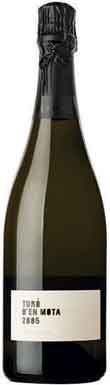

One of the greats of Spain’s traditional method sparkling wines, produced by a family dedicated to excellence. The wine spends a minimum of 10 years...
2005
RecaredoCorpinnat

Can Sumoi, Xarel.lo, Penedès, Spain, 2017
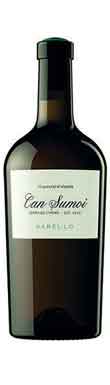
A new project from Pepe Raventós of Raventós i Blanc, based on a 400ha estate at 600m elevation. His intention is to be as close...
2017
Can Sumoi
Casa Berger, El Xitxarel.lo, Catalonia, Spain, 2017
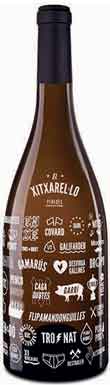
Here’s a drink-me-now wine that wants to celebrate the good times, starting with its unforgettable bottle design. Bursting with apple and pear fruits on the...
2017
Casa Berger
Macrobert & Canals, Laventura Malvasía, Rioja, Northern Spain, Spain, 2016
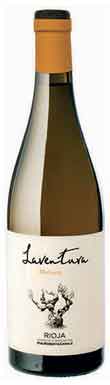
This Malvasía Riojana, aka Alarije, is relatively rare as a single variety bottling, rarer still for being an orange wine. Fermented on skins in a...
2016
Macrobert & CanalsRioja
San Román Bodegas y Viñedos, Malvasía, Toro, Castilla y Léon, Spain, 2017
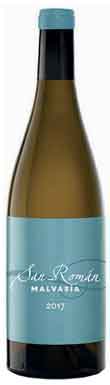
The first white wine produced by San Román winery, which is run by Mariano García of Aalto (and formerly of Vega Sicilia), along with his...
2017
San Román Bodegas y ViñedosToro
El Grifo, Colección Malvasía Seco, Lanzarote, The Islands, Spain, 2017
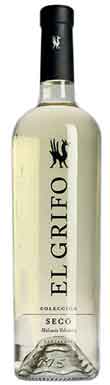
El Grifo is a well-displayed visitor attraction amid Lanzarote’s black volcanic soils, the oldest winery in the Canary Islands. This dry Malvasía Volcánica is made...
2017
El GrifoLanzarote
Alberto Nanclares, A Graña, Rías Baixas, Spain, 2017
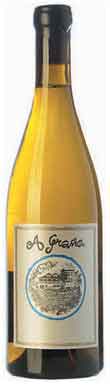
Alberto Nanclares owns 2.2ha of organically farmed vines overlooking the Atlantic on granite soils. Alongside two fresh, unoaked Albariños, he makes this more savoury style,...
2017
Alberto Nanclares
Bodegas Fulcro, O Equilibrio, Rías Baixas, Spain, 2017
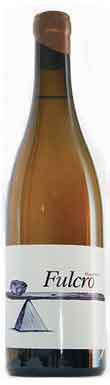
A tiny project; the winery is located literally in a garage very close to the sea at Sanxenxo. Winemaker Manu Moldes is producing a wonderfully...
2017
Bodegas Fulcro
Zarate, Albariño, Rías Baixas, Spain, 2017
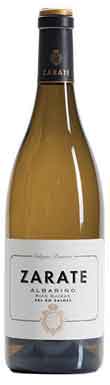
Anything that Eulogio Pomares does turns to gold (not just Albariño – seek out his reds too). This is his ‘straightforward’ Albariño and it’s textbook...
2017
Zarate
Envínate, Benje Blanco, Tenerife, Spain, 2017
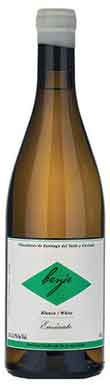
A volcanic, Atlantic wine, all sea salt and herbal notes, made from grapes grown at an altitude of some 1,000m on the slopes of the...
2017
Envínate
Borja Pérez Viticultor, Artífice, Tenerife, Spain, 2016
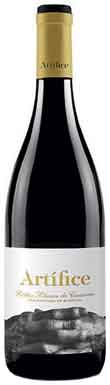
A winemaker to watch. A small proportion of the Listán Blanco fruit is fermented on skins and then aged in 500-litre barrels. This is a...
2016
Borja Pérez Viticultor
Suertes del Marques, Trenzado, Valle de la Orotava, Tenerife, Spain, 2017
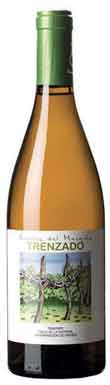
Trenzado is the remarkable vine-growing system of the Orotava valley, with branches woven together running up and downhill. This is fresh, with jasmine and white...
2017
Suertes del MarquesValle de la Orotava
Viña Zorzal, Garnacha Blanca, Navarra, Navarra, Spain, 2017
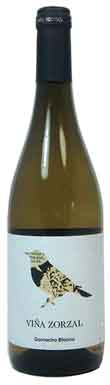
A bit of a surprise: Garnacha Blanca is a relatively rare sighting in DO Navarra. Not so much of a surprise to discover it’s the...
2017
Viña ZorzalNavarra
LaFou, Els Amelers, Terra Alta, Catalonia, Spain, 2017
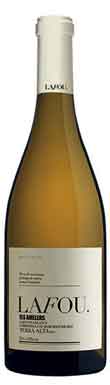
One of several wineries belonging to the Ramon Roqueta family, this one founded in 2007 in the pretty town of Batea. The wine is named...
2017
LaFouTerra Alta
Herència Altés, Garnatxa Blanca, Terra Alta, Catalonia, Spain, 2017
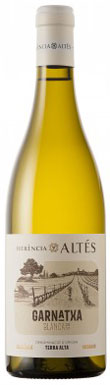
89
DO Terra Alta is the heart of Garnacha Blanca, and the young Herència Altés is an enthusiastic leader. This is the winery’s entry-level Garnacha: full of freshness and energy, unoaked, made from younger vines, and representing good value.
2017
Herència AltésTerra Alta
