
French cooperative wines: 20 of the best
To many, French cooperatives conjure up an image of monolithic wine factories, producing very ordinary wines, but the reality is more nuanced. Elizabeth Gabay MW highlights 20 of the best French cooperative wines.


The cooperative movement in France started in 1901 with the Languedoc cooperative of Ensérune (now part of Les Vignobles Foncalieu), supporting rural communities in a post-phylloxera and industrial revolution world, and continuing to keep viticulture alive during world wars and economic recessions.
Cooperatives are diverse in size, type of organisation and philosophy, and appear in every winemaking region in France, producing wines in a wide range of styles, quality levels and price brackets.
Scroll down to see tasting notes and scores for 20 top French cooperative wines
The number of French cooperatives boomed between World War I and World War II, growing from just 82 to an impressive 827. By the 1970s, however, this growth began to level out.
For a while they were successful, producing high volume, inexpensive wine, but as the market shifted to higher quality wines made by small producers with a personal story, cooperatives started a slow decline, and today there exist 40% fewer cooperatives, either due to mergers or closures.
Cooperatives have, however, adapted to survive. Mergers which result in a new single identity, or groupings of multiple cooperatives, have led to some vast enterprises.
The biggest ones include the Rhône Valley’s Cellier des Dauphins with its 20,000ha of vineyards, Vignerons Catalans in Roussillon with 12,000ha, Les Vignobles Foncalieu with 7,000ha, and Tutiac in Bordeaux with 5,400ha.
Strategic alliances between groups of cooperatives provide a strong base for marketing and, far from dying, cooperatives remain a vital part of French wine production.
They produce nearly half of the nation’s wine, which includes 70% of IGP wine (important in the Languedoc-Roussillon) and 40% of AOP wine.

The importance of French cooperatives in figures
Many consumers do not realise that numerous famous brands are made by négociants who buy grapes or juice from cooperatives.
Around half of all Provence rosé comes from cooperatives, as does about a quarter of all Bordeaux wine; La Chablisienne alone produces a quarter of all Chablis; Cave de Tain makes a third of all northern Rhône wine; the Cellier des Dauphins makes a third of all Côtes du Rhône wine; and over 20% of all Champagne is sold by cooperative brands.
Despite such vast production levels, there are many cooperatives that focus on quality by making wines from single estates or parcels. The Union de Producteurs de Saint-Émilion produces all of its wine under the estate names of the individual member producers.
Some cooperatives have chosen to remain small, producing high quality wines with shared costs. The Cave de Turckheim in Alsace has even closed to new members to ensure it stays small and can focus on quality. Many of the Rhône cooperatives are still independent, resulting in a diverse range of wines with a clear sense of local terroir.

Moving forward
This move to produce premium wines sourced from single parcels or single estates, as well as interesting varieties or organic grapes, is a key way forward for cooperatives, and an important move away from bulk wine.
Cooperatives are often the keepers of local traditions, with enough volume to devote resources to a wide range of wines, from benchmark classics to more individual and more experimental wines.
Take for example Plaimont Producteurs and Les Vignobles Foncalieu, who both focus on ancient, indigenous grape varieties. Vinovalie’s stunning Astrolabe is made with passerillé (or raisined) Loin de l’Oeil grapes, and Corsica’s Cave d’Aleria makes an amphora-fermented white.
Others are experimenting with brand new varieties, such as Cellier des Demoiselles’ orange wine which is made from the Soreli grape, a new crossing. And Estandon takes a traditional winemaking approach in its new oaked rosé.
The overall quality of the wines tasted was impressive. It’s worth noting that the branding is often stylish, with the cooperative name not always visible. Prices are usually extremely reasonable, making them interesting wines to look out for and an excellent introduction to the wine styles of every region.
Top 20 French cooperative wines to try
The wines below are listed by style, then by score.
Related content
Walls: the best Rhône wines to buy in the UK right now
Variety in abundance: discovering the Languedoc’s Côtes de Thongue
Big push on Rhône Valley whites underway
Devaux, Cuvée D, Champagne, France
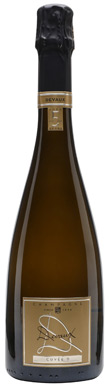

A blend of Pinot Noir and Chardonnay based on the 2009 vintage but with 40% reserve wines, this fizz calls upon the services of...
Devaux

Alliance Loire, La Dilecta, Touraine, Touraine, Loire, France, 2019
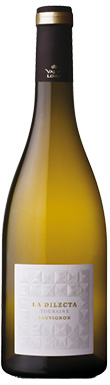
Old-vine fruit harvested from two plots on limestone soil as late as possible gives both freshness and depth of flavour. Grassy nettle aromas means you...
2019
Alliance LoireTouraine
Cave De Turckheim, Riesling Grand Cru Brand, Grand Cru Brand, Alsace, France, 2018
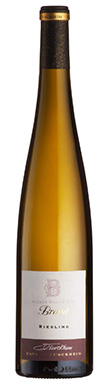
Great concentration of dried apricots and roses on the nose, along with subtle kerosene aromas. On the palate there is tropical fruit, white flowers, candied...
2018
Cave De TurckheimGrand Cru Brand
Clairmont, Domaine Defrance Notes Blanches, Crozes-Hermitage, Rhône, France, 2020
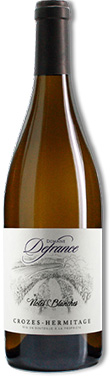
Old-vine Marsanne shows how much it can offer with age and reduced yields. Tropical fruit, with a hint of pineapple, white pepper and delicate herbal...
2020
ClairmontCrozes-Hermitage
Cave de Tain, Terre d'Ivoire, St-Joseph, Rhône, France, 2020
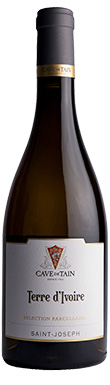
Made from old-vine fruit from a single parcel on granite and limestone, this lightly oaked wine ticks all the boxes. Delicate aromas of oak and...
2020
Cave de TainSt-Joseph
Les Collines du Bourdic, 1928 Secret de Cave, Pays d'Oc, Languedoc-Roussillon, France, 2020
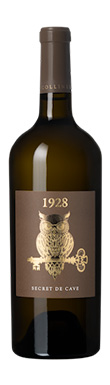
Reflecting its proximity to the northern Rhône, this is a seriously complex, oak-aged Viognier. Fresh, leafy, herbal and floral, with a touch of oak on...
2020
Les Collines du BourdicPays d'Oc
Plaimont Producteurs, Cirque Nord, Saint-Mont, Southwest France, France, 2019
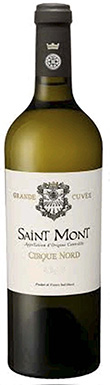
Restrained oak aromas with some waxy, smoky notes. On the palate, stunning acidity gives structure to the intensity of fruit - ripe green plums, cooking...
2019
Plaimont ProducteursSaint-Mont
Cave d'Aleria, L'Eterna, Corsica, France, 2021
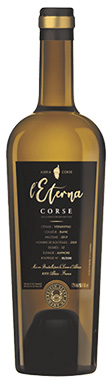
Rich peaches and cream, lychees and exotic spice on the nose. On the palate, white peaches and then honeyed floral notes, and sugared almonds emerge...
2021
Cave d'Aleria
Château Haut Gléon, Blanc, Corbieres, Languedoc-Roussillon, France, 2019
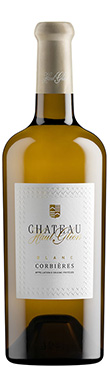
This single-estate wine stands out for its freshness and elegance. Beeswax and rich, ripe pear aromas then, on the palate, a creamy and soft richness,...
2019
Château Haut GléonCorbieres
Vinovalie, Far from the Eye, Gaillac, Southwest France, France, 2021
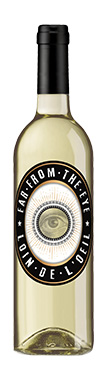
Classic aromas of bruised red apples and marzipan. There are lovely, rich and creamy phenolics on the round and supple palate which holds soft, bruised-apple...
2021
VinovalieGaillac
Cellier des Demoiselles, Orange is the New Color, Vin de France, Languedoc-Roussillon, France, 2021
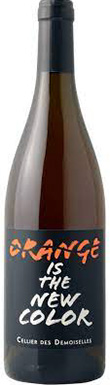
Golden amber colour - gloriously and unashamedly an orange wine. Intensely perfumed florals and spice on the nose. On the palate, creamy sweet oranges and...
2021
Cellier des DemoisellesVin de France
Estandon, Légende, Côtes de Provence, Provence, France, 2019
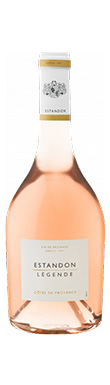
Rich, golden brioche and oak aromas. On the palate, the oak is still very evident, with sweet and nutty notes balanced by creamy yellow peach,...
2019
EstandonCôtes de Provence
Castelbarry, Les Raisins d'y Croire, Terrasses du Larzac, Languedoc-Roussillon, France, 2019
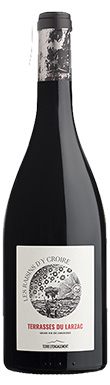
Made from old-vine fruit, the nose is all fresh, fruity cranberry and raspberry. The palate is intense, structured and poised. Initially deceptive and suggestive of...
2019
CastelbarryTerrasses du Larzac
Les Vignerons du Castelas, Domaine du Fournier, Côtes du Rhône Villages, Signargues, Rhône, France, 2020
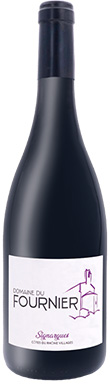
Bright red fruit aromas. Beautiful concentration, with sour hedgerow berries, sweet, ripe fraise des bois, dark cocoa and vibrant, slightly moody acidity. Youthful, grippy, garrigue-flavoured...
2020
Les Vignerons du CastelasCôtes du Rhône Villages
Maison Sinnae, Les Cosses Vacquières, Lirac, Rhône, France, 2020
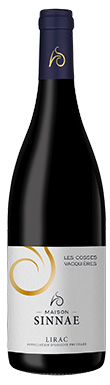
Warm, jammy, stewed red fruit aromas. Creamy and ripe red berry fruit on the palate, almost overripe raspberries, then a hint of wild strawberries with...
2020
Maison SinnaeLirac
Cellier des Princes, Châteauneuf-du-Pape, Rhône, France, 2021
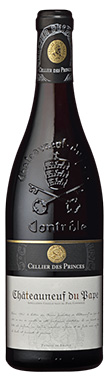
Blue floral aromas. Very creamy red fruit, fresh cherries, raspberries, redcurrants; this is round, rich and juicy. Mouthfilling, balanced and intense, with big, fruity tannins,...
2021
Cellier des PrincesChâteauneuf-du-Pape
Union de Producteurs de Saint-Emilion, Château Tour de Yon, St-Émilion, Grand Cru, Bordeaux, France, 2019
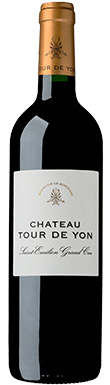
Silky smooth tannins, black chocolate, blue minerality, damsons and sloes, with long and fine acidity; the freshness is charming. Deep, rich and elegant fruit, showing...
2019
Union de Producteurs de Saint-EmilionSt-Émilion
Gigondas la Cave, La Référence, Gigondas, Rhône, France, 2018
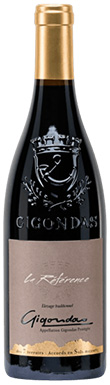
This is very good with a lovely sense of purity and harmony to the forest berry and plum fruit ending in a long, tapered finish....
2018
Gigondas la CaveGigondas
Jaillance, La Surprenante, Clairette de Die, Rhône, France
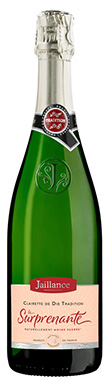
Interesting aromas of grape and a saline breeziness. On the palate, we have a creamy ripeness, with fresh Muscat grapes, gentle floral notes, pears, green...
JaillanceClairette de Die
Les Vignerons de St-Jean-de-Minervois, Domaine des Tailhades, Muscat de St-Jean-de-Minervois, Languedoc-Roussillon, France, 2020
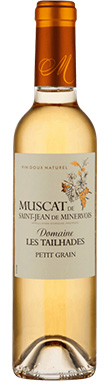
Floral, musky and unbelievably perfumed, with notes of eau de cologne, bitter oranges and orange blossom. Those perfumed notes continue on the palate, with an...
2020
Les Vignerons de St-Jean-de-MinervoisMuscat de St-Jean-de-Minervois
