
Galicia: Beyond Albariño
Grapes such as Doña Blanca are unfamiliar to many... for now. Pedro Ballesteros Torres MW explores Galicia’s lesser-known varieties and recommends some highly distinctive wines.


Albariño is the best-known ambassador for Galician grapes. But Galicia is much more than Albariño. In fact, the region is a heartland for a large number of highly distinctive wines made from several different grape varieties.
One might wonder why these Galician wines aren’t yet widely known. There are two reasons. Firstly, Galicia was a poor and isolated region throughout the 20th century, with no resources to produce high-quality wines, and emigration a major concern. Secondly, land holdings in Galicia are extremely small – less than 1ha per holding in many areas. On this scale, quality winemaking was almost impossible.
Godello is the new Galician star. Rescued by Horacio Fernández Presa, an official who launched a development programme for the region in the 1970s, it came to international fame thanks to Rafael Palacios. Now, it is the base of some of the greatest wines in Spain, mainly in Valdeorras, but also in Monterrei, Ribeira Sacra and, outside Galicia, in Bierzo. Godello is very demanding in terms of viticulture and winemaking, and needs ageing in order to free its essence. The best wines improve with bottle age, offering amazing textures and unmatched class.
Treixadura is dominant in Ribeiro. Bringing aromatic, grassy notes with crisp acidity, it’s at its best when blended with Albariño, Lado, Loureira, Torrontés and other varieties. Ribeiro is all about terroir. In my opinion, it is the region with the highest potential in Spain (incidentally, its capital, Ribadavia, gave its name to one of the most appreciated wines in England in the 17th century).
In Rías Baixas, the Caíño Blanco grape makes a very interesting alternative to Albariño in its heartland. Rescued by Terras Gauda, the variety is less aromatic than Albariño, but sleeker and of firm acidity.
‘The best Godello wines improve with bottle age, offering amazing textures and unmatched class’
Until three years ago, Blanco Lexitimo was dismissed by winemakers due to a perceived insufficient genetic quality, which was mostly down to difficult ripening. However, sound viticulture, lower yields and professional winemaking have brought the variety to the world of fine wine.
Another rarity is Doña Blanca, known in Toro as Malvasía de Toro, and brought into the limelight by José Luis Mateo from Monterrei. Not very aromatic, it tends to be creamy and long. Definitely one to look out for.
There are other white (and red) varieties in Galicia with huge potential, such as Loureira and Torrontés, and some of those will hopefully rise to fame in the near future.
In my view, Galicia’s most valuable asset is its capacity to release highly distinctive wines of unmatched quality. The realisation of terroir diversity and impressive varieties, together with some smart winemaking, should end centuries of oblivion and emigration for the region. Watch this space.
Pedro Ballesteros Torres MW’s top 20 Galicia wines
Rafael Palacios, As Sortes, Valdeorras, Galicia, Spain, 2019
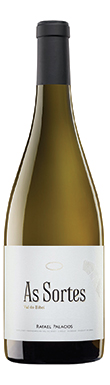

Sampled from a vat, this is one of the best As Sortes I have ever tasted, comparable to the iconic 2011. It's a prodigy of...
2019
Rafael PalaciosValdeorras

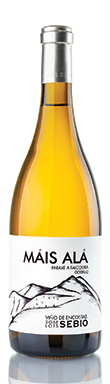
Viños de Encostas, Máis Alá, Galicia, Spain, 2018
97
An amazing surprise by Viños de Encostas, of Ribeiro fame. The wine should not be tasted directly from the bottle. It needs vigorous aeration to free its multi-layered aromatic expression, with a lovely white pepper touch and restrained, elegant white fruit. The wine's texture is spectacular, finely sown, firm and lively. It has a style of its own, with outspoken depth worth comparing to the austere elegance of As Sortes, a kind of Meursault-versus-Montrachet situation. It keeps its fresh complexity for two days with the bottle open. From just outside the Valdeorras appellation.
2018
Viños de Encostas
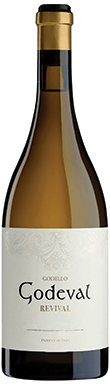
Godeval, Revival, Valdeorras, Galicia, Spain, 2018
96
Godeval, the rescuers of Godello, have finally entered the ranks of top quality producers. This is great Godello at its best – delicate, poised, multi-layered, its impressive concentration revealing itself little by little. Delicious, so exciting. It’s long, and it gives the impression that it will become even better in three or four years’ time. Single-vineyard wine from slate soils. A great achievement, this will become an icon.
2018
GodevalValdeorras
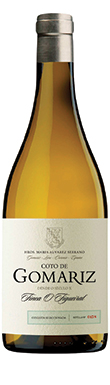
Coto de Gomariz, Finca O Figueiral, Ribeiro, Galicia, Spain, 2017
96
Top wine. An amazing expression of complexity and a refinement of what Ribeiro can – and must – be. Not particularly intense on the nose: grassy and zesty, with a hint of green spice. Spectacular mouthfeel, amazingly balanced, with a baroque expression, showing different nuances after every sip, keeping a joyful, very fresh style despite the complexity. The finish shows that the wine has been carefully aged on its lees, and it promises nice development in bottle. I took the sample home, and tasted it over the next three days to check ageability, with good results. But nothing surpasses drinking a glass of it right now.
2017
Coto de GomarizRibeiro
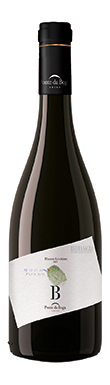
Adega Ponte da Boga, Blanco Lexítimo de Parcela, Ribeira Sacra, Galicia, Spain, 2019
95
An extremely original wine made from the almost-extinct Blanco Lexítimo grape variety (also known as Albarín Blanco). It is intensely vegetal on the nose, with gooseberries, savia, hay, grass, asparagus notes. The sharp acidity in the mouth could indicate a green but somehow classy wine, but the tight structure, the intense extraction and long finish speak to a particular style – one that needs decanting. I took the bottle home to try it again the day after my initial tasting; it became round and long, a pleasure. A daring alternative to Sancerre.
2019
Adega Ponte da BogaRibeira Sacra
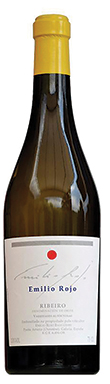
Emilio Rojo, Ribeiro, Galicia, Spain, 2018
95
For some people, this is a most idiosyncratic wine. For me, it is the epitome of the potential of Ribeiro. Emilio Rojo defies any classification. His wines do not indicate variety, but they show origin and style, with white fruit, white spice, zesty notes and some grass aromas, as well as a healthy bit of development. The mouthfeel is amazingly delicate and persistent, in a style of its own. I'd recommend sipping this wine – it is a unique experience. I would do it now, but I’m curious about its potential for ageing.
2018
Emilio RojoRibeiro
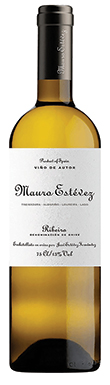
Mauro Estévez, Ribeiro, Galicia, Spain, 2019
94
A benchmark Ribeiro wine, in which the terroir is far more important than the grape varieties (Treixadura, Albariño and Loureira among them). It has aromas of apple, hay, green curry and green tea leaves. Rich and juicy, with a very lively and smooth mouthfeel, plus a long aftertaste. This is not a wine to keep for the long run, but it's one to enjoy now.
2019
Mauro EstévezRibeiro
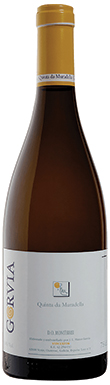
Quinta da Muradella, Gorvia Blanco, Monterrei, Galicia, Spain, 2014
94
In a very individual style, this is made from the Doña Blanca grape variety, which has a neutral aromatic expression that becomes quite complex and elegant after oxidative ageing. The nose is quite developed and not very fruity, giving way to a full-bodied silky and velvety mouthfeel. It is deep but restrained, a wine that requires a lot of attention, but gives a unique impression. A masterwork by José Luis Mateo, Monterrei's leading figure. Strongly advised to match top-notch fusion food.
2014
Quinta da MuradellaMonterrei
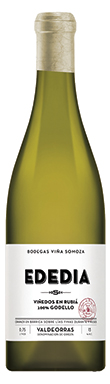
Bodegas Viña Somoza, Ededia, Valdeorras, Galicia, Spain, 2017
94
An atypical example of Godello, intensely perfumed, with ripe white-fruit notes and a touch of tropical fruit. Concentrated and dense, with a very elegant and enticing bitterness. Definitely worth trying. This is one of those wines that demonstrates that Godello’s most important role is to convey terroir. The finish is very slow. A unique wine.
2017
Bodegas Viña SomozaValdeorras
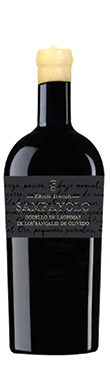
Bodegas Sampayolo, Godello en Lágrimas de los Bancales de Olivedo, Valdeorras, Galicia, Spain, 2019
93
A very nice surprise, with aromas that open up slowly: white fruit, apricots and discreet wax notes, indicating extended lees contact. In the mouth, it is very serious and well structured, with a crisp acidity that suggests minerality and lovely citric fruit. Very persistent, with a tense and elegant finish. An excellent expression of Godello, built upon great fruit and deft ageing. A new star.
2019
Bodegas SampayoloValdeorras
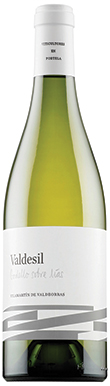
Valdesil, Godello Sobre Lías, Valdeorras, Galicia, Spain, 2018
93
A sleek version of Godello from Valdeorras, more focused on texture than on aromatic expression. Great acidity, high extraction and lots of elegance. More hedonistic than complex, indicative of a special terroir, schist-based. Particular and very interesting – yet another distinctive option. Finish is long and a bit narrow, but very well-defined. There’s a lovely, subtle bitterness on the finish. To be drunk now and in four to five years’ time.
2018
ValdesilValdeorras
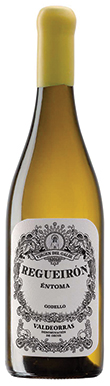
Virgen del Galir, Regueirón, Valdeorras, Galicia, Spain, 2018
93
CVNE, the winery of Rioja fame, invested heavily in Valdeorras to harness the potential of the Godello grape. This wine is its first single-vineyard example, setting the bar very high indeed. Very clean, with zesty and white-fruit aromas, quite powerful, rich and very expressive. An ambitious wine – and an interesting alternative to the mineral styles of other top wines in the appellation.
2018
Virgen del GalirValdeorras
Bodegas Terras Gauda, La Mar, Rías Baixas, Galicia, Spain, 2018
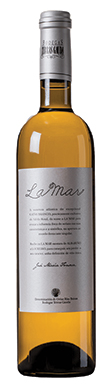
92
A speciality of this winery, made with the unique Caíño Branco variety. Quite herbaceous, with hints of green curry and rosemary, it is very distinctive and difficult to identify as Rías Baixas. On the palate it is tight, balanced and lightly saline, displaying a finish with that bit of electricity that defines minerality so well. A very interesting proposal, so Galician and so particular.
2018
Bodegas Terras GaudaRías Baixas
Fazenda Agricola Augalevada, Ollos de Roque, Galicia, Spain, 2018
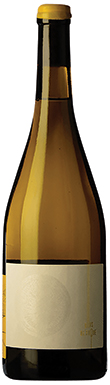
92
A wild wine, complex and very original, with an amazing mix of grass, citrus and lemon peel, green apple, aromatic herb aromas and almonds coming together in a restrained by very enticing way. There’s a slight touch of volatility that, in my view, provides more complexity, but for many could be indicative of ‘naturalness’. Made in the Ribeiro region but out of the DOP system, the wine is a blend of Treixadura, Albariño, Godello, Lado and Loureira. Biodynamic viticulture, aged in amphora. So fresh and intriguing, love it or hate it.
2018
Fazenda Agricola Augalevada
Bodegas Palacio, Fernando González Godello Sobre Lías, Valdeorras, Galicia, Spain, 2017
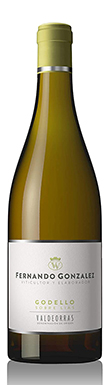
92
This is a wine with lots of ambition. Bright colour, intense aromas, high volume, lots of fruit. It must come from a privileged patch of land, because the concentration is matched by nuanced aromas of apricot, brioche, lemon zest and white spice, and a remarkable roundness on the palate, with a spicy touch typical of oak contact. Quite long on the palate, it lacks just a bit of subtleness to be at the top. Promising.
2017
Bodegas PalacioValdeorras
Nairoa, Val de Nairoa, Ribeiro, Galicia, Spain, 2017
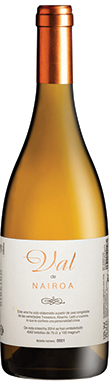
92
Quite intense, with a nice array of typical Ribeiro flavours: herbs, hay, spice, savia. On the palate it is quite firm and creamy, with remarkable power and good structure. It opens up in the glass in a slightly more nuanced way. Brilliant, not in the league of the more complex wines, but a good entry point to high-class Ribeiro. Original winemaking with cryo-extraction at -26ºC, enhancing flavour extraction, plus long ageing in stainless steel.
2017
NairoaRibeiro
Señorío de Beade, Primacía Treixadura, Ribeiro, Galicia, Spain, 2019
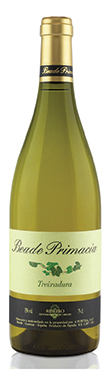
92
Although this wine is 100% Treixadura, it expresses more about Ribeiro than it does about the grape variety. Medium intensity, quite nuanced, with grassy and zesty aromas. It is fresh and lively but quite solidly built, with an open and persistent finish. Very nice, a fruit-driven wine.
2019
Señorío de BeadeRibeiro
Silice Viticultores, Silice Blanco, Galicia, Spain, 2018
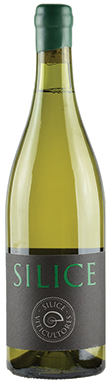
92
A free-style expression of terroir, with understated fruit and wild yeast, apple, grass and lemon-zest aromas. A style to love or to hate, but definitely one with a well-defined profile. Low alcohol and high acidity. Harmonious on the palate. It is fragrant in its peculiar aromas, but the texture and the evidence of ripe, healthy fruit indicate doubtless quality. A very attractive alternative wine from the Ribeira Sacra region, but outside the DOP.
2018
Silice Viticultores
Adega da Pinguela, Memoria de Ventura Godello Lías, Valdeorras, Galicia, Spain, 2019
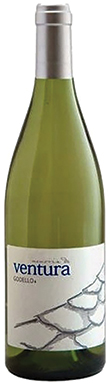
91
Lots of value for money in this wine; intense and fresh, clean, ripe, expressive. Well structured and defined by precision. It’s not complex, nor is it very long, but it is still a textbook wine for approaching young Godello. A small downside is that the lees are a bit too obvious, but the wine is highly enjoyable.
2019
Adega da PinguelaValdeorras
Castro de Lobarzán, Blanco, Monterrei, Galicia, Spain, 2019
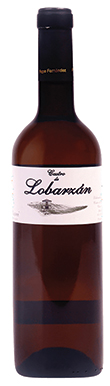
90
A clean, well-defined blend of Godello and Treixadura from Monterrei, a region more dedicated to red wines. It has yellow and white fruit and an immediate appeal on the nose; it's not very intense. Balanced, fresh, quite straightforward and open, with a light salinity. Excellent value for money, and good to drink in one or two years’ time.
2019
Castro de LobarzánMonterrei
