
Get to know Piedmont red wines in three steps
Piedmont is full of wine treasures and everyday delights, but the profusion of names, regions and sub-regions can be daunting. Our three-step guide tells you where to look to find the best value at each level.


In Italy’s northwest, Piedmont is the region for aesthetes and epicureans. The capital city of Turin is an art and cultural hub, while the town of Bra is the birthplace of the Slow Food movement. From cheese, rice, chocolate and hazelnuts to white truffles and tajarin pasta, the region’s cuisine is as celebrated as its wines.
The viticultural zones of Langhe, Roero and Monferrato were designated by UNESCO in 2014 as World Heritage Sites, recognising generations of work by growers in harmony with the landscape. Winemaking in Piedmont is thought to date back to the Etruscans in the 5th century BC. It grew under the Romans and has thrived since the Middle Ages. Proximity to France surely advanced its fortunes as techniques both in the vineyard and the cellar were adopted from its neighbour.
During the House of Savoy’s lengthy rule (it was Italy’s ruling house from the mid-19th century until the establishment of the Italian Republic in 1946), various local wines captured the hearts of the nobility, but it was famously Barolo that entertained Europe’s royalty in the mid-1800s.
Scroll down to see tasting notes and scores for a selection of Piedmont red wines at three levels
Nature and nurture
Alas, phylloxera then two world wars led to great poverty and the consequent mass abandonment of the countryside during the first half of the 20th century. Nevertheless, the culture of winemaking wasn’t lost, and since the 1960s a renaissance has progressively swept through Piedmont.
Encircled by the Alps to the north and west, and the Apennines to the south, Piedmont is geographically and geologically blessed. The hilly territory is largely protected from rain, while hot summers are mitigated by cool nights; the long, slow growing season encourages complex, nuanced wines. Soils are equally propitious for growing quality grapes – from calcareous clay and sandy marls in the south to volcanic and glacial origins in Piedmont’s north.

Without being dismissive of Piedmont’s whites, the region is most renowned for its reds, which account for 60% of production (Istat, 2021). Despite a presence of international interlopers such as Cabernet Sauvignon and Pinot Noir, these varieties have never rivalled indigenous varieties. Nebbiolo is the crowning jewel, but Dolcetto and Grignolino were once equally prized. Producing plenty of cheerful vino as well as more serious examples, Barbera leads in terms of plantings with upwards of 11,500ha, according to Istat figures (with a 2020 update due soon, the latest precise data is from its 2010 census), compared with Nebbiolo’s 4,500ha or so.
Centuries of viticulture here have led to an intimate knowledge of which grape grows best where, according to altitude, wind and exposure. Producers have also long known the identity of superlative plots and distinguished between different sites. Sub-zones in the denominations of Barolo, Barbaresco, Dogliani and Diano d’Alba are now officially recognised as ‘menzioni geografiche aggiuntive’ (MGA) locations that may be appended to the DOCG name.
Above all, the region’s strength is not simply in its grandest bottles. Piedmont boasts a treasure trove of characterful wines at all price points which can be broken down into three levels, broadly in the UK priced at up to £25 per bottle, from £25 to £50, and then above £50, where money is essentially no object.
1: Where to start
Value is a relative concept depending on the wine region you’re looking at, and entry into Piedmont’s reds starts quite high. The region does not produce any IGT wines, so 94% of production falls under one of its many overlapping DOC and DOCG areas (Istat, 2021).
Of these, the Piemonte DOC is the most all-encompassing for basic, value-driven varietal wines and blends. Notably, it excludes single-varietal Nebbiolo. For affordable, everyday Nebbiolo, the Langhe DOC covers a large swathe of the Cuneo province where the hills of Barolo, Barbaresco and Roero are found.
These wines are often unoaked or see just a little time in wood, and may be sourced from young vines or vineyards that fall outside more esteemed denominations.

The Langhe DOC also allows for varieties of the zone’s other key cultivars, as well as a handful of international varieties. Nebbiolo d’Alba comes from a more limited area around the town of Alba and must be 100% Nebbiolo (as opposed to 85% for Langhe Nebbiolo). Similar denominations exist for Barbera and Dolcetto.
Comparable to the Langhe DOC, the denominations Colline Novaresi and Coste della Sesia take in the hills around the Ghemme and Gattinara DOCGs. Travaglini’s Coste della Sesia is a beautiful snapshot of the fine-boned, fragrant expression of Nebbiolo found in north Piedmont’s cool, sub-alpine reaches.
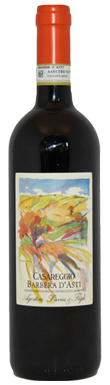
This price band is also where many of Monferrato and Asti’s wines are positioned. Barbera del Monferrato and the more prolific Barbera d’Asti are teeming with juicy, vibrant, food-friendly charmers that can be opened any day of the week – as epitomised by Agostino Pavia’s Casareggio Barbera d’Asti.
Sitting alongside Barbera are lesser-known but historically important grapes such as Freisa and Grignolino. The Freisa d’Asti DOC proposes strawberry-scented, structured reds. Lighter but still with gritty tannins, Grignolino features in two key denominations – Grignolino d’Asti and Grignolino del Monferrato Casalese. From the latter, Oreste Buzio’s version brilliantly demonstrates Grignolino’s slender, tangy and mouth-cleansing properties.
Finally, this category is a rich hunting ground for Piedmont’s most obscure and highly localised grapes – the effusively aromatic and plush Ruchè di Castagnole Monferrato (DOCG), and the sprightly and spicy Pelaverga in Verduno. One of the 11 townships of Barolo, Verduno sees eminent 2 producers such as Fratelli Alessandria and GB Burlotto crafting exceptional-value Pelaverga di Verduno (DOC).
The perfect introduction
Marziano Abbona, Papà Celso, Dogliani 2021
Fratelli Alessandria, Speziale Pelaverga, Verduno 2021
Oreste Buzio, Grignolino del Monferrato, Casalese 2021
Travaglini, Nebbiolo, Coste della Sesia 2020
Agostino Pavia, Casareggio, Barbera d’Asti 2021
2: Mid-price strength
Once at the next level price-wise (£25-£50), you’re in Piedmont’s sweet spot, showcasing its entire range at accessible prices and incorporating some top examples of grapes. For instance, Dolcetto reaches its apogee in the Dogliani DOCG – the area just south of Barolo.
This is well illustrated by the single- vineyard Superiore bottlings of Francesco Boschis and Pecchenino, as well as Marziano Abbona’s old-vine Papà Celso, featured here.

Within the Monferrato zone, Superiore versions of Barbera d’Asti DOCG and Barbera del Monferrato DOC represent the pinnacle of many producers’ line-ups. The Superiore classification requires longer ageing in each case, including a mandatory passage in wood which lends structure and varying degrees of oak nuance. The Barbera grape’s most prestigious examples emanate from the tightly delimited Nizza DOCG, where stringent requirements such as southerly exposures, low yields and oak ageing render concentrated, powerful and often heady wines. La Gironda, Oddero and Olim Bauda are names to look for here.
In terms of Nebbiolo, Piedmont’s less prominent denominations typically clock in at this medium price point. Sitting across the Tanaro river from Barolo and Barbaresco, Roero DOCG is overshadowed by these two titans. With lower yet steeper slopes and sandy soil, its signatures are elegance and perfume.
Producers Matteo Correggia and Malvirà are longstanding references, but recent tastings have revealed some exciting new up-and-comers. ‘From 2014 to 2018 there was a big increase in new wineries as the young generation begins to take over from their parents, who used to sell in bulk,’ explains Francesco Monchiero, president of the Roero consorzio. Stefano Occhetti is an excellent example of this new generation.
Further afield, in Piedmont’s northeastern foothills, Alto Piemonte is the collective name given to 10 denominations including the DOCGs of Gattinara and Ghemme as well the DOCs of Boca, Bramaterra, Lessona and more. Abandonment of agriculture here was severe as industrialisation took hold in the early 1900s; in the last couple of decades, however, a slow reawakening has gained momentum as local families and savvy outsiders reclaim the dynamic past.
Nebbiolo, traditionally called Spanna here, grows on predominantly volcanic, acidic soils. The cooler and wetter climate yields leaner, finer-framed wines compared with Barolo and Barbaresco. But they are nevertheless mineral-driven, racy and thrilling. Antoniotti, Ioppa, Le Piane, Massimo Clerico, Tenute Sella and Travaglini are just a few to seek out.
To the west of Alto Piemonte, the tiny DOC 3 4 of Carema is nestled in the mountains. Terraced vineyards sit on rocky soil of mostly glacial moraine origin. An estimated 90%-95% of production comes from the admirable Cantina Produttori Nebbiolo di Carema cooperative. President Viviano Gassino says: ‘We don’t count the hours of working in Carema. If we did, we’d do something else.’ From gruelling conditions, truly lovely mountain Nebbiolo is born. A new generation is braving the elements, too, with boutique projects – one, Monte Maletto, captures the alpine character and delicacy of Carema.
The best news is that you can find examples of Barolo – and particularly Barbaresco – at this price level. For Barolo, you’re looking mainly at ‘classic’ or non-MGA bottlings such as those from Azelia and Massolino. As for Barbaresco, Produttori del Barbaresco remains one of the wine world’s greatest deals.
Piedmont’s ‘sweet spot’
Monte Maletto, Sole e Roccia, Carema 2019
Stefano Occhetti, Sanche, Vezza d’Alba, Roero 2019
La Gironda, Le Nicchie, Nizza 2017
3: World-leading quality
Moving above the £50 mark, Piedmont’s best represent some of Italy’s most sought-after wines. The neighbouring denominations of Barolo and Barbaresco dominate this category, offering the ultimate, most ageworthy expressions of the noble Nebbiolo grape.
The most expensive hail from iconic producers – Giacomo Conterno’s Monfortino Riserva Barolo pushes four figures upon release (the 2015 is currently at £1,250 per 75cl bottle at Handford Wines), while older vintages can easily set you back £1,500 or more.
Expect to pay at least £500 for top vintages from the uber-traditional Bartolo Mascarello estate; Giuseppe Rinaldi’s Barolo are in the same league.

Bruno Giacosa’s red-label wines are among the world’s most collectible. The Asili Riserva Barbaresco stands on equal footing with the Falletto Vigna Le Rocche Riserva Barolo. The newly released 2016 vintage of the latter is a must-buy for Giacosa devotees.
Despite long being labelled under the wider Langhe DOC, to enable the inclusion of a small percentage of Barbera, Gaja’s Sperss and Conteisa (which hail from the hills of Nebbiolo-only Barolo) as well as Sorì San Lorenzo, Sorì Tildin and Costa Russi (from Barbaresco vineyards) have always sat in the upper echelons of Piedmont.
As of 2013, Gaja has brought them back into the fold of their respective DOCGs. In a recent tasting of the Barbaresco trio, Costa Russi stood out as the most evocatively fragrant.
Barolo has no shortage of great producers – Aldo Conterno, GB Burlotto, GD Vajra and Vietti are just a few – while in Barbaresco, Albino Rocca, Bruno Rocca, Marchesi di Grésy, Roagna and Sottimano come immediately to mind. I have also been impressed with the increased finesse of Ceretto’s Barolos and Barbaresco of late.
Beyond producers, site is equally intrinsic to Piedmont’s finest wines. With official recognition of Barolo and Barbaresco’s MGAs, individual ‘cru’ bottlings are fetching higher prices than ‘classic’ ones, particularly from the most exalted locations.
In Barolo, Brunate, Cannubi, Rocche di Castiglione and Vignarionda have long been revered, while Monvigliero and Ravera are fast on the rise. In Barbaresco, Asili, Montefico, Montestefano, Rabajà and Santo Stefano shine.
Notably, the pinnacle of Piedmont is not limited to Barolo and Barbaresco. The revitalisation of Alto Piemonte is promising. Gattinara’s wines in particular have proven longevity – this DOCG’s repute dates back to the 16th century. Since the 2018 purchase of the historic Nervi estate by Barolo producer Roberto Conterno, Gattinara is solidly in the spotlight once again. Don’t miss the Vigna Molsino and Vigna Valferana bottlings, which respectively highlight the vigour and refinement of Gattinara. Antoniolo has also been making consistently solid wines in recent decades, and the family’s Osso San Grato site stands alongside the greatest crus of the Langhe.
In Lessona, there is less critical mass of well-established top estates. However, Paolo de Marchi’s Proprietà Sperino leads the way and deserves its place among Piedmont’s best. The same can be said about Ferrando’s Carema wines. Even the most ambitious Barbera wines from Nizza are sneaking into this category – namely Coppo’s and Michele Chiarlo’s finest wines.
The bar is set high in Piedmont and the region lays claim to plenty of evidence that high-quality wine has existed in Italy for centuries. Never has there been a better time to explore that heritage, whatever your budget.
The greatest names
Bruno Giacosa, Falletto Vigna Le Rocche Riserva, Serralunga d’Alba, Barolo 2016
Gaja, Costa Russi, Barbaresco 2013
Antoniolo, Osso San Grato Riserva, Gattinara 2017
Proprietà Sperino, Lessona 2015
Piedmont red wines in three steps
Related articles
Second Barolo en primeur auction raises more than $769,000
Barbaresco: panel tasting results
Alto Piemonte Nebbiolo report and top picks
Abbona Marziano, Papà Celso, Dogliani, Piedmont, Italy, 2021
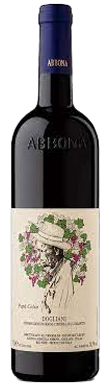

An homage to Marziano’s father Celso, who planted the Doriolo vineyard from which this hails: the vines are now more than 60 years old. The...
2021
Abbona MarzianoDogliani

Fratelli Alessandria, Speziale Pelaverga, Verduno, Piedmont, Italy, 2021
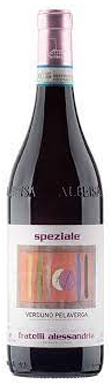
The name ‘Speziale’ refers to the spicy nature of Pelaverga. Winemaker Vittore Alessandria keeps fermentation temperatures to a modest 25°C in order to preserve the...
2021
Fratelli AlessandriaVerduno
Oreste Buzio, Grignolino del Monferrato Casalese, Piedmont, Italy, 2021
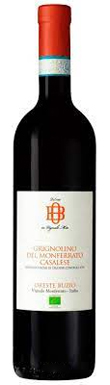
Oreste Buzio’s Grignolino is slender in build yet packed with tangy gusto. Pure, expressive and redolent of redcurrant and cranberry, this even smells ‘crunchy’. There’s...
2021
Oreste BuzioGrignolino del Monferrato Casalese
Travaglini, Nebbiolo, Coste della Sesia, Piedmont, Italy, 2020
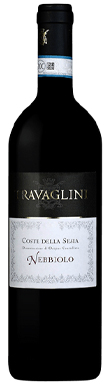
Gattinara’s largest producer crafts exceptional examples that are well worth seeking out. From the estate’s youngest plantings of Nebbiolo, this bottling opens slowly to reveal...
2020
TravagliniCoste della Sesia
Agostino Pavia, Casareggio, Barbera d'Asti, Piedmont, Italy, 2021
89
Casareggio takes its name from the vineyard – a sandy plot sitting at 200m. Fermentation in stainless steel is followed by a short passage in large oak casks to highlight Barbera’s frisky fruit. Cherry and raspberry show their succulent, fleshy charms, while accents of liquorice add some depth. Bouncy and bright, this juicy, joyful red offers excellent value.
2021
Agostino PaviaBarbera d'Asti
Monte Maletto, Sole e Roccia, Carema, Piedmont, Italy, 2019
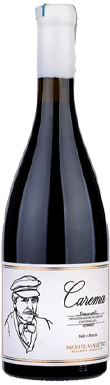
‘Sun and stone’ is Nebbiolo blended with 5% of the local Ner d’Ala variety, from approximately half a hectare of vines on Carema’s terraced slopes....
2019
Monte MalettoCarema
Stefano Occhetti, Sanche, Roero, Vezza d'Alba, Piedmont, Italy, 2019
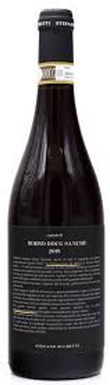
A young vigneron who has returned to his family’s roots, Stefano Occhetti is currently the only producer making a separate bottling from Roero’s Sanche cru....
2019
Stefano OcchettiRoero
La Gironda, Le Nicchie, Nizza, Piedmont, Italy, 2017
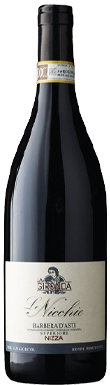
From a hot vintage, which Barbera (100%) adores, Le Nicchie demonstrates all the headiness and concentration that the Nizza denomination is capable of. The nose...
2017
La GirondaNizza
Bruno Giacosa, Falletto Vigna Le Rocche Riserva, Barolo, Serralunga d’Alba, Piedmont, Italy, 2016
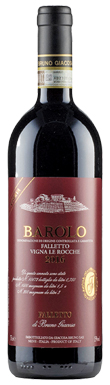
The 2016 vintage of Giacosa’s iconic red-label Riserva from the township of Serralunga, and specifically the oldest vines within the Falletto MGA, doesn’t disappoint. Mineral-driven...
2016
Bruno GiacosaBarolo
Gaja, Costa Russi, Barbaresco, Piedmont, Italy, 2013
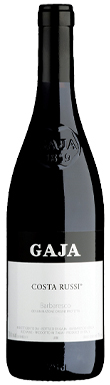
With cool, compact soil, Costa Russi is the last of Gaja’s three top Barbaresco sites to be picked. Gaia Gaja describes it as ‘a big...
2013
GajaBarbaresco
Antoniolo, Osso San Grato Riserva, Gattinara, Piedmont, Italy, 2017
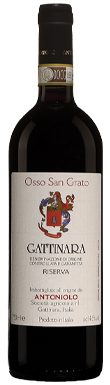
The 5ha Osso San Grato site is solely owned by Antoniolo. Since 1974, the family has made a single-vineyard bottling from a small parcel on...
2017
AntonioloGattinara
Proprieta Sperino, Lessona, Piedmont, Italy, 2015
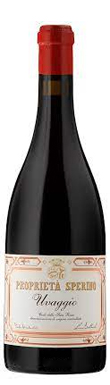
The furthest west of Alto Piemonte’s denominations, Lessona’s vineyards are based on pure marine sand giving elegant, midweight Nebbiolo. Paolo de Marchi (of Isole e...
2015
Proprieta SperinoLessona
