How to match Amarone with food plus the best wines to try
This rich Veneto red has a devoted band of admirers who love its big character and relatively low-tannin style. But it's not the easiest to match with foods, so where to begin? Aldo Fiordelli draws on local knowledge, and recommends eight excellent bottles to try.


Pumpkin soup? One might think to pair just about any other food than this with a big, full-bodied Amarone. A light, seasonal, almost vegetarian dish, if it weren’t for a slyly incorporated roast chicken liver (we’ll come back to this later ) matched to a muscular red wine with tremendous dry extract that touches 40 grams per litre, about 10g more than other powerful reds? Yet this pairing is not only one of the most provocative and novel achieved in the Valpolicella region, Amarone’s home, but also one of the greatest.
Why does pairing Amarone with food present such a challenge? The art of pairing wine with food aims to enlighten each morsel with a sip, avoiding the palate becoming saturated by rich dishes. The role of the wine is surely to measure up to the food’s richness, but also to contrast with or complement a recipe, in order to make the experience of both food and wine more memorable.
Scroll down for in-depth Amarone with food pairing recommendations plus eight great wines worth seeking out
Amarone’s traditional production process involves drying the grapes, laid out over wooden mats or strung up from the rafters in a special room in order to decrease water content while maximising sugar and acid levels, then fermenting almost to dryness.
Thanks to this, Amarone has high levels of dry extract; alcohol easily reaches 15% in these wines and can even hit 17% in some cases, resulting in full-bodied wines, often with some residual sugar and an off-dry style.
Naturally, such a wine requires rich foods to level with. The complexity of the blend – from local varieties Corvina, Corvinone, Rondinella, Molinara, Oseleta, with oak ageing over at least two years, though often up to nine or 10 for top examples – suggests Amarone ought to be matched with complex recipes.
Longer-aged releases are more common today than in the past, fostering a better integration of structure in the resulting wines. Extra ageing also enhances savouriness and complexity, which can easily overpower simple dishes.
Amarone della Valpolicella: the geography behind the wines
Amarone, the most famous of Italy’s dry wines made from dried grapes (as opposed to sweet wines made from dried grapes), is produced in Valpolicella over the northern hills of Verona, between Lake Garda and the Lessini mountains in northern Italy. It is precisely this combination of lake and mountains that contributes to the perfect environment for the growing of grapes and the drying process that follows.
The region is like a warren of valleys where Lake Garda mitigates the climate, fostering the most northerly olive oil produced in Italy, while Monte Baldo and the Lessini range provide protection against prevailing cold from the Eastern Alps. This environment is particularly true for the Valpolicella Classico sub-region to the west, closest to Lake Garda, compared to Valpantena (central) and Valpolicella Orientale (eastern).
The Classico area is influenced by the light reflected from the water, which increases the photosynthesis of the vines and the maturity of the grapes. The growing season here can be shorter than in the Orientale, the red fruit of the wines even brighter and the sugar concentration richer in areas such as Sant’Ambrogio, which has a western exposure directly towards the lake.
Fumane, in comparison, a little to the northeast of Sant’Ambrogio, is known to be a cooler valley producing a fresher, black cherry-driven style with higher acidity and an intense black pepper note typical of slightly unripe Corvina grapes. The commune of Negrar, at the eastern end of Valpolicella Classico, shows darker and richer bramble fruits as well as black pepper, with almost no cherry at all.
The soil in the Classico area is volcanic in origin and composed of a limestone dolomite stone mix and basalt. More than half of the production of Amarone wine comes from the vines situated on the hills that the producers of the Famiglie Storiche group claim are the most suitable for the production of Classico wine of the highest quality.
The eastern Valpolicella Orientale area, however, from Montorio to Montecchia di Crosara, including the Marcellise and Illasi valleys, is based mostly on colder morainic soil and has a longer growing season, producing more structured wines. Throughout the Orientale, there is more Corvinone planted, which also increases the structure of the wines. This is compared to Valpolicella Classico, where the same grape can lend spiciness to the wine, or even at times a green character.
Amarone’s arch-enemies: fatty foods, peppery heat
The tannins in both ‘regular’ Valpolicella red wines (which are made using the same range of grape varieties) and Amarone are typically round and soft, and this softer extraction of the tannins is the main difference between Corvina and powerful grapes found in other Italian regions, such as Nebbiolo, Sangiovese and Aglianico.
Astringency [of tannin], alongside acidity, works well in contrasting the fattiness of a dish. Amarone has high acid, but its tannins aren’t especially firm, and this means it is best avoided with overtly fatty preparations.
The wine’s slight residual sugar and its overall complexity could help to counteract spicy foods; however, black pepper or red chillies tend to increase the perception of warmth from the alcohol, and the combination can almost burn the palate. This is why Amarone does not play very well, for instance, with Fiorentina steak – unless it is seasoned without the black pepper that it’s traditionally served with.
Surprisingly versatile
Starting from first principles, accepting that it’s not going to be drunk as an aperitif (where would you go from there?!), this powerful red wine style works surprisingly well with a Veneto recipe for pumpkin soup and roast chicken liver. The credit for this pairing goes to Ada Riolfi, the extraordinary, well-known and cultured soul of Enoteca della Valpolicella in Fumane.
Ada is the widow of Roberto Ferrarini, who was a pioneer winemaker of the region. For years he worked as a consultant for legendary late producer Giuseppe Quintarelli, and worked with Franco Allegrini to build a drying centre with a ventilation system to improve Amarone production, overcoming botrytis-infected grapes and avoiding the resulting oxidised flavours which once characterised the wines.
After spending a lifetime with her husband, Ada knows every plot on the hills around Verona, can describe the characteristics of all the Corvina grapes from the different valleys, is informed about every producer – from the small organic ones to the biggest players of the wine industry – and is a true connoisseur of the cuisine of Valpolicella and its most graceful pairings.
She suggested matching her soup of pumpkin (preferring the mantovana or lodigiana varieties, which are sweeter and less watery) with a dry Amarone from a classic area where the lighter, more elegant style of the wine is an ideal partner for the dish. One such option is a traditionally styled Amarone without old-fashioned funky notes: Villa Spinosa’s Albasini from Figari in Marano di Valpolicella (Classico area).
This lighter style of Amarone is also a good match for lasagnette with ragù. In this region, ‘lasagnette’ doesn’t mean lasagne, as one might think, but rather implies tagliatelle – hand-made egg pasta noodles seasoned with meat sauce. One of the best lasagnette is found at Trattoria Caprini in Torbe di Negrar, where the wine list – just like at Ada’s enoteca – is gorgeous.

Amarone: a tale of two styles
Over time, from about the 1990s, two main styles of Amarone arose, following the example of Quintarelli and Dal Forno – two influential leading estates – which produced differently styled models of Valpolicella Classico and Valpolicella Orientale, respectively, according to where they are located.
The former (Quintarelli), grown in the hills, shows a lighter and fresher style, often slightly less alcoholic and classically aged in large Slavonian oak vessels; the latter (Dal Forno), from the flatter region with heavier soils, is typically more concentrated, rich and partly aged in new American oak barrels.
Generally speaking, this regional difference in style is crucial in terms of how you pair Amarone with food – a challenge often made more difficult when dealing with the more structured Valpolicella Orientale wines, with the sweetness of their oak and often higher residual sugar Francesco Grigoli, grandson of Bepi Quintarelli, opens a bottle of Amarone ‘after the main course of the meal and before the cheese’ – so he doesn’t treat it entirely as a ‘meditation wine’ for after a meal, but neither does he serve it with the main dishes. Grigoli believes ‘a bottle of Amarone is to be opened for a special occasion, not for everyday drinking, and not necessarily to pair with food.’
In reality, within the region it’s the dry ‘regular’ Valpolicella that is typically the red of choice on a daily basis with food. Special occasions can call for something more, which is where Amarone comes into play.
Local inspiration
Diving into the local cuisine is always a good way to start with pairings. For example, Amarone goes very well with bollito misto, an assortment of boiled meats served with typical black pepper peverada sauce. While commonly paired with Merlot because of its softness, the boiled meats also match well with Amarone.
The acidity of wines from the higher-up Classico vineyards marries wonderfully with bondiola – a pork dish made with meat from between the head and loin, loaded with spices, steamed in the bladder and boiled for hours.
One of Amarone’s best pairings is with game. Pheasant, grouse or woodcock with Amarone are tremendously tasty; powerful Italian preparations such as dolce e forte or salmì, both using game cooked with chocolate or in its own blood, are great reasons to open an Amarone. Dark chocolate (at least 70%) on its own is also often paired with Amarone after dinner.
However, to make life simpler, another great match is with aged cheeses. The Tedeschi winery recently highlighted Amarone’s affinity for Monte Veronese, the alpine cheese made from cow’s milk from Monti Lessini, with its herbaceous aromas of straw and the sweetness of toffee, enhancing the fruitiness and mineral depth of Amarone.
At Allegrini, CEO Marilisa Allegrini suggests: ‘Inspired by the aromas of the drying process, Amarone could be served with bitter- sweet dishes such as those common in Asian cuisine, or with the stunning classic Italian recipe of duck in orange sauce.’

Legendary restaurant
But for the true, full experience, visit the legendary Bottega del Vino in Verona, which since 2010 has been under the ownership of the Famiglie Storiche association (of 13 prominent family producers, founded in 2009).
It is clear to anyone visiting Verona that this spot is emblematic of the city (just like the majestic Arena di Verona, or Romeo and Juliet’s balcony), of the art of living the Italian lifestyle and of a long and rich cultural tradition. The restaurant has one of the most extraordinary and complete wine lists in the world, with most available by the glass. Sommelier Davide Lucido is a master at accompanying clients through the gastronomic pleasures of Veronese and Venetian cuisine, with classic as well as original pairings of Amarone.
If you are unsure of a pairing, it’s my opinion that an older Amarone is always a better food match than a younger one due to its full, graceful evolution.
Fiordelli’s Amarone della Valpolicella Classico wines to try
You might also like:
Plan a food and wine tour of Emilia Romagna and Lombardy
Southern Italy: The 12 native grapes to know about
Beyond Piedmont & Veneto: Northern Italy’s top red wines
Giuseppe Quintarelli, Amarone della Valpolicella, Classico, Veneto, Italy, 2012
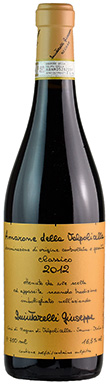

In Bepi Quintarelli’s winery, the old bottles are stored traditionally, wrapped in newspaper. From this collection, the estate is now releasing the 2012 vintage. Lively and pale ruby in colour, this is focused on bright, fresh black cherry embellished with raspberry and bay leaf, then coffee granules and a hint of curry powder. Dry and full, the palate expresses great balance due to the brilliant acidity, with ample velvety tannins. An extremely opulent wine of great tension, which will age for decades.
2012
Giuseppe QuintarelliAmarone della Valpolicella

Allegrini, Amarone della Valpolicella, Classico, Veneto, Italy, 2016
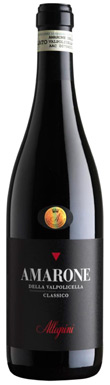
Despite a cool, rainy spring, the 2016 vintage is one of the best in recent years due to a warm summer that never exceeded 35°C. Full of dark-fruit intensity – plum and cassis – the wine is layered with dark chocolate, black liquorice and a toasty finish with cherry notes. Velvety and extracted, it’s thick on the palate due to its youthful character. Great potential to age, with a superb natural acidity from the higher vineyard of the estate above Villa della Torre, balancing its richness of fruit and full body.
2016
AllegriniAmarone della Valpolicella
Begali Lorenzo, Monte Ca’ Bianca Riserva, Amarone della Valpolicella, Classico, Veneto, Italy, 2015
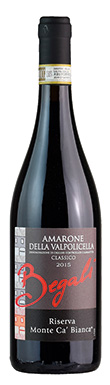
From a small winery based in San Pietro in Cariano, this riserva is sourced from the Cengia and Monte Ca’ Bianca hills. After 100 days of appassimento, it is aged in French oak barrels for 40 months. Focused on balsamic notes with a mint-chocolate character and cherry fruit, the texture is grainy yet the tannins are sweet and dense over the palate, with firm acid balancing fruit concentration. Savoury and toasty, it finishes with lingering liquorice and tobacco.
2015
Begali LorenzoAmarone della Valpolicella
Villa Spinosa, Albasini, Amarone della Valpolicella, Classico, Veneto, Italy, 2011
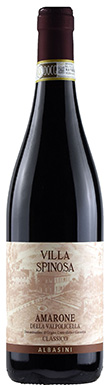
From a terrace looking over the Marano valley, this boutique winery makes wines in a traditional style, with minimal concentration for the Amarone and instead great elegance. Based on Corvina and Corvinone, with a small proportion of Rondinella, fermented in stainless steel, andmatured for the first year in French tonneaux, then a further 48 months in big oak vessels. Pale garnet in colour, focused on fresh wild fruits, with a touch of bay leaf, black pepper and a liquorice finish. It’s full-bodied but lighter than many others, with silky tannins and refreshing acidity.
2011
Villa SpinosaAmarone della Valpolicella
Bertani, Amarone della Valpolicella, Classico, Veneto, Italy, 2011
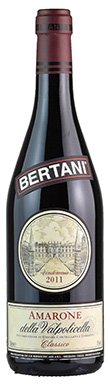
The 2011 vintage produced outstanding, powerful wines in Valpolicella. Summer was variable, but harvest was carried out in good conditions. Still bright ruby in colour, then a plummy nose possessing raspberry, black pepper, dates and sucrosity alongside balsamic touches and deep eucalyptus. Dense, velvety palate which is firm, extracted, powerful and sticky on the finish. Warming if not burning, with crisp acidity. Currently lacks refinement, harmony and elegance, but the power is there for ageing.
2011
BertaniAmarone della Valpolicella
Tommasi, Ca’ Florian Riserva, Amarone della Valpolicella, Classico, Veneto, Italy, 2012
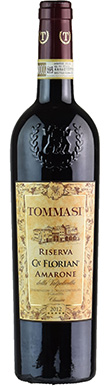
After a relatively mild winter, the 2012 season was one of the driest of the past few years. Rains at the end of August and a good September balanced the vintage, which was relatively low in terms of yields. Ca’ Florian shows a relatively modern style, focused on filigree precision and displaying great definition of cherry fruit combined with bay leaf, myrtle and chocolate. The elegant finish arrives after almost-silky tannins and well-integrated zesty acidity.
2012
TommasiAmarone della Valpolicella
Zenato, Sergio Zenato Riserva, Amarone della Valpolicella, Classico, Veneto, Italy, 2015
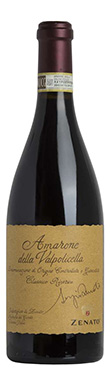
Hand-graded grapes (80% Corvina, 10% Rondinella, 10% Oseleta and Croatina) were left to dry for around four months, then fermented 15-20 days on the skins, the wine maturing for at least four years in large oak vessels before another year of ageing in bottle. Dense ruby in colour, this shows an impressively defined sense of terroir with its bright red-cherry fruit and black pepper – typical of Sant’Ambrogio Valpolicella – then the depth of dark chocolate, dried prunes and figs. Creaminess prevails on the off-dry (6g/L) palate, with elegant velvety tannins, refreshing high acidity and the final grip possibly from the Oseleta. A top example from the Classico area, this is a great example to pair with boiled meats and Italian mustard.
2015
ZenatoAmarone della Valpolicella
Tedeschi, La Fabriseria Riserva, Amarone della Valpolicella, Classico, Veneto, Italy, 2015
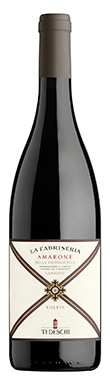
La Fabriseria is from an outstanding vineyard located at 400m on limestone soil between Sant’Ambrogio and Fumane. Based on 40% each of Corvina and Corvinone, with 15% Rondinella and 5% Oseleta, this concentrated wine features lush dark cherry fruit and chocolate in a Port-like style, with balsamic notes and a sweet tobacco finish. Full on the palate, it is velvety and refined, off-dry in style (6.5g/L), with an opulent 17% alcohol balanced by crisp acidity. Hedonistic.
2015
TedeschiAmarone della Valpolicella
