
New Zealand oaked Sauvignon Blanc: panel tasting results
With quality on display across the board, this tasting proved that New Zealand’s oaked styles of Sauvignon Blanc deserve attention. Rebecca Gibb MW shares the highlights…


Rebecca Gibb MW, Roger Jones and Philip Tuck MW tasted 53 New Zealand oaked Sauvignon Blancs, with 3 Outstanding and 18 Highly Recommended...
Entry criteria: Producers and UK agents were invited to submit their latest-release New Zealand Sauvignon Blancs produced using any level of barrel fermentation or maturation
Scroll down to see the tasting notes & scores
The verdict
With quality on display across the board, this tasting proved that New Zealand’s oaked styles of Sauvignon Blanc deserve attention. Rebecca Gibb MW shares the highlights…
Famed for its distinctive rainbow of flavours and its succulent acidity, Marlborough is the home of New Zealand Sauvignon, representing 89% of the country’s plantings, and its dominance was reflected in this tasting, accounting for three-quarters of entries.
While New Zealand Sauvignon Blanc has made its name in its pure, fruit-filled expression, there have long been barrel-influenced examples since Hunters wowed the crowds at the 1986 Sunday Times Wine Club with its Fumé Blanc.
However, oaked examples have remained a sideshow in the New Zealand Sauvignon Blanc story. This tasting showed that the sideshow should be brought on to the main stage, with a very respectable average of 89.2 points scored across a field of more than 50 wines.
There were some sublime examples: Cloudy Bay’s Te Koko, Greywacke’s Wild Sauvignon and the least famous of the Oustanding triumvirate, te Pā’s Oke, which all offered wildly different stylistic interpretations of the relationship between Sauvignon Blanc and oak. But qualitatively, there were few disagreements: harmony, texture and complexity were the name of the game.
Quick link See all 53 wines in the panel tasting
Philip Tuck MW, wine director at Hatch Mansfield, explained: ‘This tasting was all about interplay of oak and varietal character and it’s easy to get it wrong. When you put Sauvignon Blanc in oak you are compromising the high aromatics. Getting it right is a challenge but when you do get it right it’s very nice. There were only a handful of wines that were overoaked.’
It is clear that the use of new oak currently plays a minor role in the most successful oak-influenced Sauvignon Blanc styles, with secondfill or older barrels chosen for their contribution to texture rather than flavour. Barrel fermentation followed by maturation tends to produce a more harmonious expression – a method common to many of the finest wines in the tasting.
However, the varying approaches reflected the flexibility of New World winemaking: levels of oak ranged from 2.5% to 100%, and new oak proportions from zero to 100%.
There were just three wines that took a leaf out of the Bordeaux (and Margaret River) book, blending Semillon with the Sauvignon Blanc: Te Mata’s Cape Crest, Seresin’s Marama and Hans Herzog’s Sur Lie included a small splash of the rich, weighty variety. But the panel was united in its belief that this pairing could be worth exploring as New Zealand moves into Sauvignon Blanc 2.0.
Tuck noted: ‘I’m surprised there were no more with Semillon in the blend – why not add some?’ But who’s going to buy these top-rated wines?
Wearing his restaurateur’s hat, Roger Jones of the The Harrow at Little Bedwyn, commented: ‘Selling wines over the bar, people want clean Sauvignon Blanc, but if it’s got oak and complexity they are lost. You really need to focus on it and have it with food, which is not what New Zealand Sauvignon Blanc is necessarily known for.’
With his business hat on, Tuck added: ‘Commercially it’s a risk. The winemakers are adding cost to the wines because they are releasing them later.’
These styles are not destined to be New Zealand’s bread and butter, but for restaurants and interested consumers looking for the next stage in their Sauvignon Blanc experience, there is a diverse array of aromatics and textures on offer.
The scores
53 wines tasted
Exceptional 0
Outstanding 3
Highly Recommended 18
Recommended 30
Commended 2
Fair 0
Poor 0
Faulty 0
Top New Zealand oaked Sauvignon Blancs from the panel tasting:
See all 53 wines from this panel tasting
About New Zealand oaked Sauvignon Blanc
New Zealand oaked Sauvignon Blanc While its claim to fame may be fresh and fruity Sauvignon, New Zealand’s winemakers are now experimenting with more varied and nuanced styles. Rebecca Gibb MW reports

If you think New Zealand Sauvignon Blanc can only be fashioned in one style it’s time to taste the country’s leading variety in its increasingly varied interpretations. The fruity yet green style for which the country has become world famous is still a mainstay, but winemakers are now seeking to make Sauvignon Blanc that is less reliant on primary fruit aromas and more interesting texturally.
Sauvignon Blanc producers are achieving a sophisticated, savoury alternative using a variety of methods, which include allowing wild yeast to do its job on rather cloudy juice in tank, French oak barrel or both. There’s also a small but significant number of high-quality producers playing with foudres and the odd amphora. Sacred Hill and Cloudy Bay were early adopters of barrel fermentation in the 1990s but as Tim Heath, senior winemaker at Cloudy Bay, explains: ‘Barrel-fermented Sauvignon Blanc styles are not as easy to make as you think and can easily become overblown. It becomes quite disjointed with oak and overpowers the fruit. It’s a difficult balance to strike.’ Indeed, the natural fruitiness of Marlborough Sauvignon Blanc can be difficult to tame, which can lead to a wrestling match between the grape and the wood.
Subtle expression
Experience and research has shown that picking Sauvignon Blanc by hand, rather than machine harvesting, followed by whole bunch pressing diminishes the level of thiols responsible for the exuberant aromatics reminiscent of passionfruit and herbaceous boxwood. A more subtle Sauvignon expression better integrates with oak – when oak, and particularly new oak, is only one part of the fermentation story: Auntsfield, for example combines conventionally fermented tank parcels with barrel-fermented whole bunch lots to achieve harmony in its single-vineyard Sauvignon Blanc. What’s more, allowing partial malolactic fermentation can also reduce the flamboyancy of fruit – Greywacke allows two-thirds of its highly successful Wild Sauvignon to undergo conversion – but it’s a fine balancing act. Lees stirring also adds an extra dimension to Sauvignon Blanc as we know it, contributing weight, texture and more complex layers.
In the world of Sauvignon, Marlborough unoaked Sauvignon Blancs are inimitable. The barrel-fermented styles are idiosyncratic too: they’re not as razor fine as those of Sancerre, but look positively vibrant next to a Californian Fumé Blanc. While they share a similar weight to Bordeaux whites, New Zealand Sauvignon tends to offer more tropical fruit and lacks the textural, grassy elements that Semillon brings to Bordeaux blends.
Increasingly sophisticated Sauvignon Blanc is emerging from the bottom of the earth. If you thought you knew New Zealand Sauvignon Blanc and have previously dismissed it for being overly fruity, perhaps it’s time to think again and try some of the alternative styles that Kiwi winemakers are now dishing up.
NZ Sauvignon Blanc: The Facts
1975 First Sauvignon Blanc planted in Marlborough
1979 First Marlborough Sauvignon Blanc produced by Montana
2002 Sauvignon Blanc becomes New Zealand’s most planted variety
2018 Sauvignon Blanc covers 23,102ha, representing 60% of New Zealand’s vineyard area and 86% of exports
(Source: NZ Winegrowers Annual Report 2018)
NZ Sauvignon Blanc: Know your vintages
2018 Hottest summer on record, leading to early ripening. Coastal regions affected by ex-tropical cylones in February, delaying harvest and elevating botrytis pressure. Ripe Sauvignon.
2017 Difficult season with a cool start and poor summer. Wet, warm and cloudy autumn created botrytis pressure. Early picked crops were the most successful.
2016 Record crop. Warm, often humid. Harvest period was dry and sunny. Excellent whites and highly attractive reds.
2015 Dry and warm. Small, low yielding crop after early frost and cool flowering. Ripe, perfumed and fully flavoured wines.
2014 Record early vintage. Dry and warm summer with little disease pressure. Excellent wines across the board.
2013 Touted as the vintage of a lifetime with a warm, incredibly dry summer and autumn. Ripe, concentrated wines across the North and South Islands.
See all of the wines tasted here
The judges
Rebecca Gibb MW
Gibb spent six years living in New Zealand, where she became a Master of Wine, graduating top of her class and winning the Madame Bollinger medal for excellence in tasting. Her first book The Wines of New Zealand was published in 2018. She also runs wine events and has a consultancy business The Drinks Project.
Roger Jones
Jones and his wife Sue own The Harrow at Little Bedwyn restaurant, where he combines chef duties with a love of wine. Jones frequently travels to Australia, New Zealand and South Africa, food and wine matching; he set up The Tri Nations Wine Challenges to promote wines from these countries.
Philip Tuck MW
Philip Tuck MW has been in the wine trade for over 30 years, since joining Avery’s in Bristol in 1986. He then worked for wineries in various countries including New Zealand, Australia, South Africa, the US, Chile and Italy. Tuck became an MW in 1999 and is currently wine director at Hatch Mansfield.
You may also like:
Loire vs Marlborough Sauvignon Blanc: Can you tell the difference?Loire 2018 preview: appellations to know & top winesChilean Sauvignon Blanc panel tasting – ‘Tread carefully’A wine lover’s guide to Hawke’s Bay, New ZealandNew Zealand whites: 2018 vintage report
Cloudy Bay, Te Koko, Marlborough, New Zealand, 2015
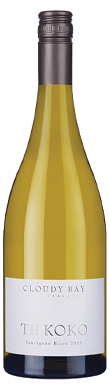

Bright citrus, stone fruit, guava, glacé pineapple and fine mealy notes. Rich, textural palate with a lovely chalkiness. Very fine, long, stony and dry, with...
2015
Cloudy Bay

Greywacke, Wild Sauvignon Blanc, Marlborough, New Zealand, 2016
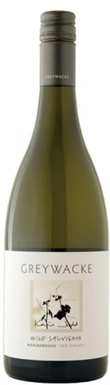
Greywacke (pronounced ‘Greywacky’) is the Marlborough label of Kevin Judd, one of the region’s pioneer winemakers after having directed the first 25 vintages at Cloudy...
2016
Greywacke
Te Pa, Oke, Marlborough, New Zealand, 2017
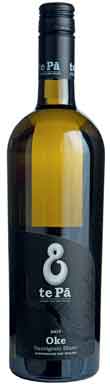
Director and proprietor Haysley MacDonald planted the first vines in 2003 on his family’s land in the Wairau Bar area. Initially acting as a major...
2017
Te Pa
Auntsfield, South Oaks Barrel Fermented Sauvignon Blanc, Southern Valleys, Marlborough, New Zealand, 2016
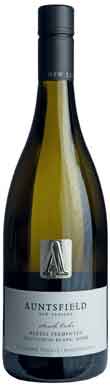
Firm and structured yet with great precision, revealing a citrus-laden style enriched by notes of tropical fruit and nicely integrated, nutty oak.
2016
AuntsfieldSouthern Valleys
Blind River, Sauvignon Blanc, Awatere Valley, Marlborough, New Zealand, 2018
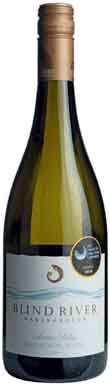
Classic gooseberry aromas welcome a vibrant yet rounded palate, enlivened by a flush of fresh acidity and well-judged oak. Still very youthful.
2018
Blind RiverAwatere Valley
McElhinney, Cause & Effect Barrique Fermented Sauvignon Blanc, Marlborough, New Zealand, 2017
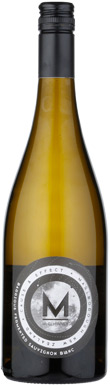
The aromas of this wine display reduced struck-match, smoky, sulphurous scents with some soft tangerine beneath. It has a mineral touch on the dry finish,...
2017
McElhinney
Mt Difficulty, Sauvignon Blanc, Bannockburn, Central Otago, New Zealand, 2018
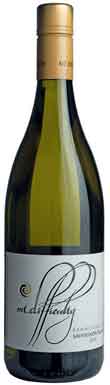
Admirably pure and precise, with a delightful interplay between its freshness of fruit and finely-poised oak-derived characters.
2018
Mt DifficultyBannockburn
Craggy Range, Te Muna Road Vineyard Sauvignon Blanc, Martinborough, Wairarapa, New Zealand, 2018
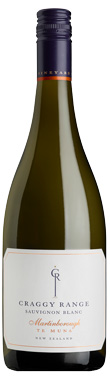
A harmonious and balanced style with a high level of fruit concentration on the silken mid-palate. A more restrained style than you might anticipate from...
2018
Craggy RangeMartinborough
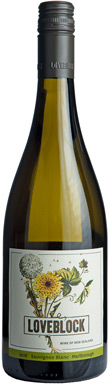
Loveblock, Sauvignon Blanc, Marlborough, New Zealand, 2018
90
From the Woolshed vineyard, planted in 2003 at the bottom of the hill, on soils of silt over stones with clay providing essential water retention in fairly harsh conditions. The northerly aspect gives ideal sun exposure, while strong winds keep disease at bay and encourage slow vine growth and small berries with high aromatic concentration. An ideal flowering and growing season meant grapes were picked – 30% by hand, 70% by machine – in perfect condition in March 2018. The wine was batch-produced according to soil type, with a small portion of the juice fermented in old French oak and a quarter of the tanks undergoing full malolactic fermentation to bring down the acidity. This is one for the Sauv-Blanc purists, with a joyous noseful of freshly squeezed peapods and green fruits. Has loads of vibrancy and verve on the palate, but the fruit is more tempered, tropical and leafy than the nose might suggest. Lunchtime-friendly on the alcohol too. No need to wait, drink now to 2021.
2018
Loveblock
Staete Landt, Annabel, Marlborough, New Zealand, 2018
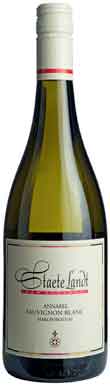
A light-bodied, early drinking style, with elderflower and pineapple aromas leading to a juicy, citrus-imbued palate. Fresh and enticing.
2018
Staete Landt
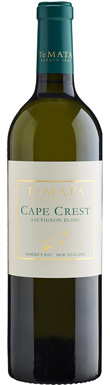
Te Mata, Cape Crest Sauvignon Blanc, Hawke's Bay, New Zealand, 2018
91
Gently aromatic, soft and supple, offering herbal, honeyed toast and mineral nuances sustained by nicely evened acidity.
2018
Te Mata
Terravin, Te Ahu Sauvignon Blanc, Marlborough, New Zealand, 2013
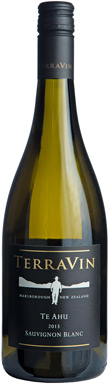
Exuberant and enticing, this has developed very attractive toasty, oily and grassy bottle-aged characters, yet remains fresh and vibrant.
2013
Terravin
Ata Rangi, Raranga, Martinborough, Wairarapa, New Zealand, 2017
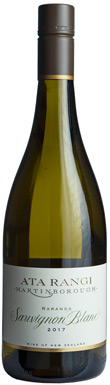
Easy to appreciate, bright and forward, with subtle oak, zesty acidity and a touch of spritz. Will evolve well.
2017
Ata RangiMartinborough
Clos Henri, Sauvignon Blanc, Wairau Valley, Marlborough, New Zealand, 2016
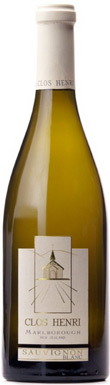
This pairing was a close call, and the room was divided, but the slightly fuller character of intense baked apple and fresh, tangy green apple...
2016
Clos HenriWairau Valley
Domain Road, Sauvignon Blanc, Bannockburn, Central Otago, New Zealand, 2017
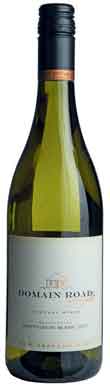
Refreshing, vibrant and easy to like, revealing a satisfying purity of tropical fruit amid hints of herbaceousness, finishing with a pleasing grip.
2017
Domain RoadBannockburn
Giesen, The August 1888, Marlborough, New Zealand, 2014
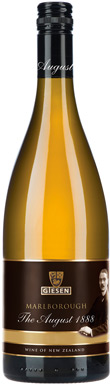
A herbal, leafy nose leads to a rounded and seamless palate boasting a delectable texture and balance. Beautifully structured and evolving well.
2014
Giesen
Gladstone, Sophie's Choice Reserve Sauvignon Blanc, Gladstone, Wairarapa, New Zealand, 2016
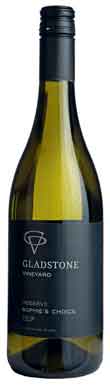
Focused, precise and pure, a refined wine of great beauty beginning to show some developing lanolin and red apple characters.
2016
GladstoneGladstone
Jackson Estate, Grey Ghost Sauvignon Blanc, Wairau Valley, Marlborough, New Zealand, 2013
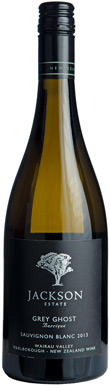
90
Intensely floral and herbal nose precedes a concentrated palate showing developed characters of toast and smoky bacon, yet still remains fresh and vibrant.
2013
Jackson EstateWairau Valley
Mt Beautiful, Sauvignon Blanc, Canterbury, New Zealand, 2017
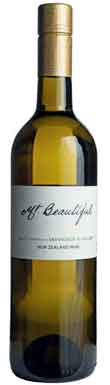
Fragrant, layered and textured, soft guava and peach fruit sits prettily on the palate, giving a very pleasant mouthfeel. Will evolve nicely.
2017
Mt Beautiful
Seresin Estate, Mārama, Marlborough, New Zealand, 2015
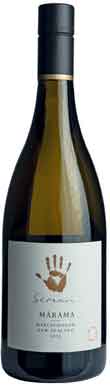
Still gradually evolving, offering baked apple and dried citrus flavours, with oak-derived elements on the still firm finish. Serious stuff, with more to come.
2015
Seresin Estate
Waimea, Elara Oak-Aged Sauvignon Blanc, Nelson, New Zealand, 2018
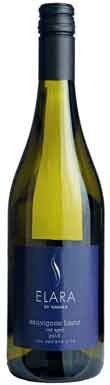
Delicate aromatically, while the palate shows an appealing breadth of vibrant citrus and guava fruit embellished by gentle touches of oak.
2018
Waimea
