
Petaluma Gap AVA anniversary tasting
Petaluma Gap in Sonoma County, California – one of the newest American Viticultural Areas (AVAs) – celebrated its second anniversary recently with a tasting of member wineries.


Two years on from gaining its AVA status – uniquely defined by the wind – Jeff Cox assesses the quality of several cool-climate Chardonnays and Pinot Noirs
Held on 8 January – two years to the day the AVA was approved by the US federal government, the Petaluma Gap Winegrowers’ Alliance set up a tasting in Petaluma city.
‘Petaluma Gap is the only AVA in the country defined by the wind,’ said Cheryl Quist, executive director of the Alliance, whose motto is ‘Wind into Wine’.
To set the appellation boundaries, machines that measure wind speed were set up around the southern end of the large Sonoma Coast AVA. Wherever wind speed averaged about 13km/h or more, that region defined the Petaluma Gap sub-appellation that covers 82,000ha.
Of that, more than 1,620ha are under vine: 75% Pinot Noir and 13% Chardonnay, some Syrah and a smattering of other varieties.
The wind measurement is important because when wind speed reaches 13km/h, vines close the pores, called stomata, on their leaves. These regulate the exchange of water vapour, oxygen, and carbon dioxide into and out of the leaves.
When the stomata close, leaf metabolism and the transpiration of water slow or stop, delaying fruit ripening and increasing hang time.
Grapes in the Petaluma Gap get a double whammy of grape ripening suppression because the afternoon winds off the cold ocean flow over the AVA like natural air conditioning, and then that eastward rush of cold air brings nightly fog with it, further reducing temperatures.
As Mark Twain wrote: ‘The coldest winter I ever spent was one summer in San Francisco.’ The city’s Golden Gate Bridge is just 48km south of Petaluma and is another break in the hills where cold ocean air rushes in.
Burgundian varieties
The northern Marin County and southern Sonoma County sites influenced by the cool Petaluma Gap climate produce fruit that struggles – and that’s a good thing.
Like similarly cool-climate Burgundy, the climate favour Pinot Noir and Chardonnay. The berries are smaller, with thicker skins (and thus more stuffing on the palate) and can have a greater acid-to-sugar ratio than grapes grown in warmer, protected inland valleys.
More acid means the wines, especially the whites, are super thirst quenching and all the wines, red and white, have a greater potential for longer ageing.
The tasting revealed a bell-shaped curve of quality – but picture a bell lying on its side.
In other words, there were some unpleasant wines, a bulk of good to very good wines, and then the bell flared out at the upper end of quality to reveal wines of true greatness.
Instead of the blueberry and cola notes found in Russian River Pinot Noirs, here you find intense strawberry flavours – almost wild strawberries – and in the best wines a perfect balance of elegant structure, sweet fruit and tangy acidity.
The best of the Chardonnays were just as good. These are more focused on an apple character, with their malic acidity and rose-family perfumes, than with the lemony flavours so associated with Carneros.
Among the few other varietals on show, Cline Cellars’ 2018 Estate Viognier ($20) was delicious. The bright, striking nose of white flowers and apricot leapt out of the glass, leading to long, lush fumey (14.5%abv) flavours of pineapple and lime.
Jeff Cox’s top Petaluma Gap AVA wines
You may also like:
Producer profile: Three Sticks
Best Chardonnays outside Burgundy
Sonoma AVAs – The most exciting
McEvoy Ranch, La Cruz Vineyard Chardonnay, Sonoma County, Petaluma Gap, California, USA, 2018
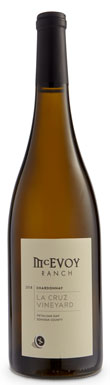

<p>A luscious, cool-climate Chardonnay loaded with fresh apple flavours, hints of citrus and a clean, lift of fresh apple blossoms. Elegant and balanced, with nuanced...
2018
McEvoy RanchSonoma County

Karah Estate Vineyards, Estate Vineyard Chardonnay, Sonoma County, Petaluma Gap, California, USA, 2018
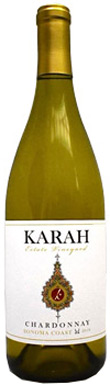
<p>A pleasant Chardonnay with a Mona Lisa smile of ripe apples. It seems time in used French and Hungarian oak barrels, so it's easy on...
2018
Karah Estate VineyardsSonoma County
McEvoy Ranch, The Evening Standard Pinot Noir, Sonoma County, Petaluma Gap, California, USA, 2016
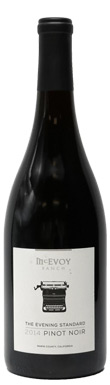
<p>An outstanding Pinot Noir from winemaker Blake Yarger and consultant Maurizio Castelli. You can taste its pedigree in the strong acid that developed from its...
2016
McEvoy RanchSonoma County
Adobe Road, Sangiacomo Roberts Road Vineyard Pinot Noir, Sonoma County, Petaluma Gap, California, USA, 2017
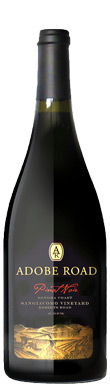
<p>Dark cherries on the nose, but once on the palate it’s all crushed red raspberries and sweet strawberries in a swirl of juicy acidity and...
2017
Adobe RoadSonoma County
Sangiacomo Family Winery, Roberts Road Vineyard Pinot Noir, Sonoma County, Petaluma Gap, California, USA, 2017
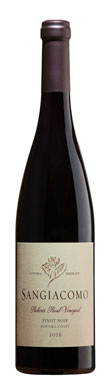
<p>One would expect such perfection from the Sangiacomo family – especially from its Roberts Road vineyard which enjoys a perfect climate in the Gap, along...
2017
Sangiacomo Family WinerySonoma County
Dutton-Goldfield, Azaya Ranch Vineyard Pinot Noir, Sonoma County, Petaluma Gap, California, USA, 2017
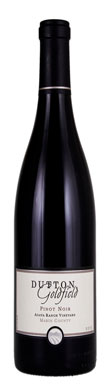
<p>Beautifully made with a clean, fresh scent of meadow flowers dancing on a core of ripe cherries. The full, round body, creamy mouthfeel and flavours...
2017
Dutton-GoldfieldSonoma County
Adobe Road, Sangiacomo Fedrick Ranch Vineyard Syrah, Sonoma County, Petaluma Gap, California, USA, 2016
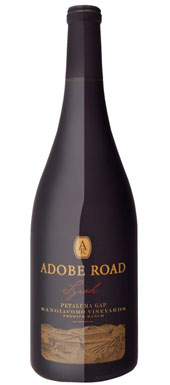
<p>The Gap's cool climate intensifies Syrah’s natural broodiness, and this example is deep and rich with dark blueberry flavours, a chewy bitterness with coffee overtones...
2016
Adobe RoadSonoma County
