
Regional profile: Châteauneuf-du-Pape


A former seat of the papacy and inventive pioneer of appellation guidelines, the legendary Châteauneuf-du-Pape has new challenges to face in the 21st century. Matt Walls investigates...
In the context of the Rhône, what defines Châteauneuf-du-Pape is its scale. Everything about it is big: the sprawling terrain, the endless list of grape varieties, the array of producers and the sheer grandiosity of the wines. It is the pumping heart of the Rhône, giving context to the appellations that radiate from it.
The past 25 years have been a golden era for Châteauneuf, but as it faces changing consumer tastes and the seemingly unstoppable advance of global warming, the next 30 are looking less certain. The appellation is well equipped to address these challenges, however, and is making some difficult decisions now to safeguard its future.
Part of Châteauneuf-du-Pape’s global renown is down to its history, alluded to in its name. The papal court moved from Rome to Avignon in 1309. Pope John XX II wanted an additional summer residence nearby – a kind of medieval Mar-a-Lago. He built one in Calcernier, 12km north of Avignon, on the east bank of the Rhône. The village became known as Châteauneuf-du-Pape (‘the new castle of the pope’).
Papal feasts were legendary; by the time the papacy returned to Rome in 1377, extensive vineyards were established.Châteauneuf’s fortunes waxed and waned, then in 1866 the region was struck by phylloxera, the louse that devastated most of France’s vineyards.
As it recuperated, Châteauneuf fell prey to fraudulent merchants passing off inferior wines. So in 1919, Baron Le Roy de Boiseaumarié of Château Fortia led a group of local winemakers to draw up a growing area and production guidelines that formed the basis of the appellation contrôlée system used throughout Europe.
There are countless myths and legends surrounding Châteauneuf: the story that these early regulations contain a clause banning the landing of flying saucers is entirely true.
‘Everything about Châteauneuf is big: the sprawling terrain, the endless list of grape varieties, the array of producers and the sheer grandiosity of the wines’
Châteauneuf-du-Pape at a glance
- Established 1933
- Towns included Châteauneuf-du-Pape, Courthézon, Bédarrides, Sorgues, Orange
- Area in production 3,134 ha
- Annual production 100,800 hl (2016)
- Yield Average 32 hl/ha (2016); maximum 35hl/ha
- Soils Varied; large pebbles, sand, sandstone and limestone
- Red grapes Grenache, Syrah, Mourvèdre, Cinsault, Counoise, Vaccarèse, Terret Noir, Muscardin
- White grapes Grenache Blanc, Roussanne, Clairette, Bourboulenc, Picpoul, Picardan
- Wine styles red (93%), white (7%)
- Exported 65%
- Top recent vintages 2009, 2010, 2012, 2015, 2016
Pebbles and wind
The appellation is spread over a vast 3,200ha, stretching 15km long and 6km wide. It consists of several low, undulating terraces, divided into 134 lieux-dits, or named sites. There is no quality classification system such as Burgundy’s – the tradition here is one of blending.
The appellation sits on a geological fault: soils chop and change between large pebbles, sand, red sandstone and limestone. These rounded pebbles or galets roulés are emblematic but misunderstood. It’s often stated that they warm up during the day and radiate heat at night, which aids the ripening of the grapes. But underripeness is rarely a problem in Châteauneuf – if anything, the opposite is true.
Ralph Garcin, new managing director of Château La Nerthe, sets the record straight. ‘It’s a myth – it’s not a good thing, it’s a bad thing,’ he says. ‘What you want is a difference in temperature between day and night,’ which helps retain freshness and aromatics. He explains that the real benefit of these pebbly sites, such as the most famous lieu-dit La Crau, is the water-retaining layer of clay ‘just like butter’ underneath.
The landscape is buffeted by the northerly Mistral. It’s a boisterous wind, but it helps keep disease at bay; 25% of Châteauneuf’s output is now organic. Florent Lançon of up-and-coming Domaine de la Solitude hopes that one day this will hit 100%. It’s idealistic, but perhaps not impossible considering the widespread adoption of organic viticulture among the new generation of growers.
The Mistral also contributes to clear skies and a sunny climate. It’s hot here – and getting hotter. Rainfall is becoming erratic and difficult to manage. Irrigation for mature vines isn’t authorised in this part of the world, but if they are facing water stress the appellation can make an appeal to the authorities to irrigate – otherwise the vines can shut down and stop ripening. This used to be an emergency measure, but the request is now being made for parts of the appellation almost annually.
Growers are forced to wait for the water situation to become critical, then wait for the go-ahead before they can intervene. It’s far from ideal. In the words of Thierry Sabon, owner of Clos du Mont-Olivet and president of Châteauneuf-du-Pape’s producers’ federation: ‘It’s not when you’re nearly dead that you need to call a doctor.’ Producers are pushing for a permanent lifting of the ban on irrigation, and it looks likely this will go ahead in some form. Some consumers have reservations about irrigation, and lengths of hosepipe won’t improve the landscape, but producers must adapt to survive in a changing climate.

How many grapes?
There are 13 grape varieties allowed in the appellation. In order of amount planted, these are: Grenache, Syrah, Mourvèdre, Cinsault, Clairette, Bourboulenc, Roussanne, Counoise, Muscardin, Vaccarèse, Picpoul, Picardan and Terret Noir. If you include all mutations, such as Grenache Blanc, Clairette Rose and Picpoul Noir, the total number is 22. Privately, many estates admit to having further varieties dotted around their oldest vineyards.
At 80% of plantings, the most common is Grenache Noir. It gives Châteauneuf its richness and generosity, but it’s prone to high alcohol levels. Châteauneuf has always been potent, but data from the producers’ federation shows grapes are ripening earlier. Alcohol levels in the wines are rising. An obvious answer might be to pick sooner, but it’s not that easy – sugars are building faster but flavour ripeness isn’t advancing at the same rate.
Some producers argue this isn’t a problem if the wines taste balanced. But as some hit 16% alcohol or higher, it can make matching the wine with food, or sharing a bottle with a friend, challenging.
Increasingly, producers are exploring the potential of ‘fringe’ varieties such as Counoise and Vaccarèse since they ripen at lower levels of alcohol. Guillaume Gonnet of Domaine Font de Michelle and his own eponymous label says: ‘In 10 years I haven’t planted any Grenache,’ instead replanting Mourvèdre, Counoise, Clairette and Bourboulenc. He points out they are lucky to have this option in Châteauneuf; other regions have far fewer grapes to play with.
Modern to contemporary
Until recently, the tradition in Châteauneuf was for estates to produce one red cuvée (and perhaps a single white one – at just 7% of production, white Châteauneuf is relatively rare but can be unforgettably luxurious).
The 1989 vintage saw the first Châteauneuf ‘cuvées spéciales’ – Clos du Mont-Olivet’s La Cuvée de Papet and Château de Beaucastel’s Hommage à Jacques Perrin – released to great critical success. More properties followed suit, and it rapidly became the norm. Some had something specific to express – old vines perhaps, or a particular parcel. Others simply picked late, went for greater extraction and increased the amount of new oak; the results weren’t always pleasant to drink.
The ‘modern’ style – late picked, sweetly fruited, concentrated, sometimes oaky – was ushered in at the same time as the cuvée spéciale era. Some, such as Clos St-Jean, have made this style their own and found remarkable commercial success on the back of high scores. But the trend is now towards less extraction, less oak and lower alcohol. ‘We are no longer in the era of extraction,’ says François Perrin of Château de Beaucastel; ‘we’re in the era of elegance – but our elegance.’ Contemporary Châteauneuf still has a big frame, but it has lost weight and its tailoring is sharper.
The green shoots of this new era are visible, but they’re emerging in an ever more challenging climate. The 2016 vintage may have been near-perfect, but the prevailing climatic trends are clear. Fortunately, Châteauneuf’s diversity of terroir and grape varieties gives it options, and growers are acting to safeguard the appellation’s future. Châteauneuf-du-Pape has faced many seemingly insurmountable challenges over the centuries – and there’s no doubt the Rhône powerhouse will adapt and thrive for many more to come.
Walls’ dozen great Châteauneuf-du-Pape buys:
You may also like:
Expert’s Choice: White Châteauneuf-du-Pape
Southern Rhône 2017 report: ‘Structured and ageworthy wines’
Château de Beaucastel, Hommage à Jacques Perrin, Châteauneuf-du-Pape, Rhône, France, 2001
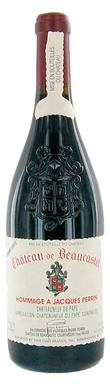

Only now is the wine becoming clear. And only now is it really open - a fireworks show, with great spark and smoke on the...
2001
Château de BeaucastelChâteauneuf-du-Pape

Clos des Papes, Châteauneuf-du-Pape, Rhône, France, 2015
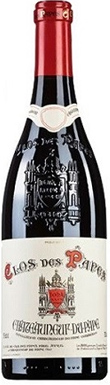
A superlatively elegant, middleweight, Mourvèdre rich Châteauneuf that glides across the palate like silk, featuring juicy plum and strawberry fruits, lifted juniper and fennel seed...
2015
Clos des PapesChâteauneuf-du-Pape
Clos du Mont-Olivet, La Cuvée du Papet, Châteauneuf-du-Pape, Rhône, France, 2015
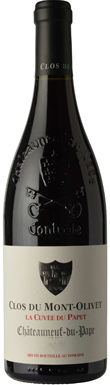
70% Grenache, 15% Syrah, 15% Mourvèdre, some more than 100 years old. Vibrant and expressive raspberry and violet, a beautiful expression of Grenache. Full-bodied with...
2015
Clos du Mont-OlivetChâteauneuf-du-Pape
Domaine Charvin, Châteauneuf-du-Pape, Rhône, France, 2000
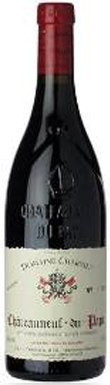
Autumn leaves, last of the season’s strawberries, raspberry liqueur, chestnut and truffle. Harmonious. Mineral grain and cleansing acidity on the long finish. From a reliable...
2000
Domaine CharvinChâteauneuf-du-Pape
Domaine du Banneret, Châteauneuf-du-Pape, Rhône, France, 2016
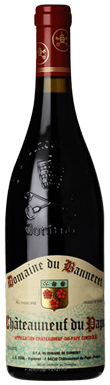
Mid-depth of colour, far from opaque. The nose is delightfully fresh and lifted. There's a touch of sandalwood, star anise and potpourri to the red...
2016
Domaine du BanneretChâteauneuf-du-Pape
Domaine la Barroche, Pure, Châteauneuf-du-Pape, Rhône, France, 2015
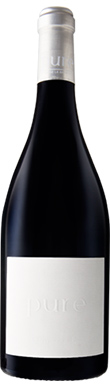
Pretty violet, wild strawberry nose. Rounded, juicy and generous, with ripe fruits shot through with ample acidity. Very fine wet-clay tannins and mouth-coating fruit. An...
2015
Domaine la BarrocheChâteauneuf-du-Pape
Le Clos du Caillou, La Réserve, Châteauneuf-du-Pape, Rhône, France, 2015
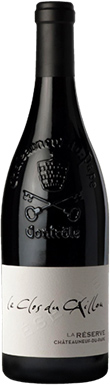
55% Grenache, 45% Mourvèdre. Seductive rose, clove and cedar spice. Full but not heavy. Very fine tannins and bright raspberry acidity. Like a still lake...
2015
Le Clos du CaillouChâteauneuf-du-Pape
Le Vieux Donjon, Châteauneuf-du-Pape, Rhône, France, 2010
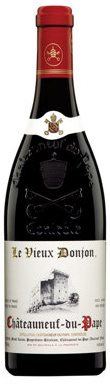
75% Grenache, 10% Syrah,10% Mourvèdre, 5% Cinsault; yields of just 26hl/ha. The fruit is developing a deliciously balsamic undergrowth aroma. Medium-bodied but aromatically and structurally...
2010
Le Vieux DonjonChâteauneuf-du-Pape
Château La Nerthe, Châteauneuf-du-Pape, Rhône, France, 2016
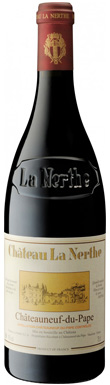
Tank sample. Deep, ripe core of fruit and tannin punctured by a tremulous acid line. Vibrant, juicy blackberry and black cherry fruits, with a fragrant...
2016
Château La NertheChâteauneuf-du-Pape
Domaine de la Vieille Julienne, Les Trois Sources, Châteauneuf-du-Pape, Rhône, France, 2014
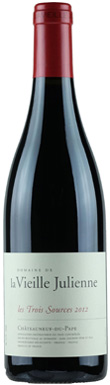
60% Grenache with others co-planted on sand. For a Châteauneuf, light- to medium-bodied with a fresh cherry/berry nose and subtle earthiness. Bright and snappy, very...
2014
Domaine de la Vieille JulienneChâteauneuf-du-Pape
Domaine Chante-Cigale, Châteauneuf-du-Pape, Rhône, France, 2012
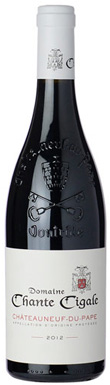
A large estate with a young owner, embodying a contemporary style – and excellent value. Age is just starting to give some woodsy, autumn leaf...
2012
Domaine Chante-CigaleChâteauneuf-du-Pape
Domaine Font de Michelle, Blanc, Châteauneuf-du-Pape, Rhône, France, 2016
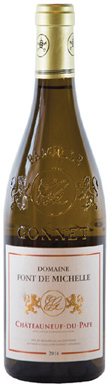
Grenache Blanc, Clairette, Roussanne and Bourboulenc, co-fermented, no malolactic. Lime blossom in spring water, green pear and a back note of almond. Rounded and generous...
2016
Domaine Font de MichelleChâteauneuf-du-Pape
