
Regional profile: Dão plus top wines worth seeking out
This large and diverse Portuguese wine region is now playing to its strengths, with innovative producers focusing on native grapes, reviving old vineyards and experimenting with both new and traditional winemaking styles, says Sarah Ahmed

Bold is not a quality traditionally associated with Dão wines, but it certainly applies to the £300 price tag of Vinhos Imperfeitos I White 2018. Portugal’s most expensive white wine marks the equally bold debut of 36-year-old Carlos Raposo’s label.
‘I don’t like fruitiness, I prefer the opposite – shyer, less easy, like me,’ says the former Niepoort winemaker, and indeed his elegant Dão field blend is no blockbuster. Rather, it highlights a welcome return to form for this northern Portuguese region, whose classic wines were, according to pioneering vigneron Alvaro Castro, ‘agile, like a lizard, whether light- or full-bodied, always with acidity, never with heavy or much alcohol’.
Backward in coming forward, traditional Dão wines take time to unfurl. Remarkably fresh still, with beguiling tertiary complexity, Caves São João Porta dos Cavaleiros Reserva Seleccionada 1975 (shown at the Decanter Spain and Portugal Fine Wine Encounter Masterclass) exemplifies a gastronomic style. Produced using traditional, rudimentary techniques, the whole-bunch grapes for this pale, field blend red with just 12.4% alcohol, were foot-trodden in lagares (shallow, open fermenters), then aged in cement vats.
According to Swiss insurance broker Peter Eckert: ‘Dão made the best table wine you could buy in the 1980s.’ Yet, by the time he acquired Quinta das Marias in 1991, he recalls, ‘the wine world had changed dramatically’. Once Portugal joined the European Union in 1986, breaking the co-operatives’ winemaking monopoly, the quality of their grapes became ‘miserable’, explains Eckert, as estates established their own labels, keeping the best fruit.
Inevitably, given the 1990s fashion for varietal labels, ripe, upfront fruit and new oak, producers were encouraged to dance to a new tune. Whilst it allowed for the interrogation of powerful varieties (popularising Touriga Nacional and Encruzado) and modern winemaking techniques (improving overall quality and consistency), for a period, the Dão lost its way.
Modern diversity
Today, as befits a sizeable, diverse region, whose 14,476ha of vines are liberally scattered across 388,000ha and seven sub-regions, the Dão is nothing if not a broad church. You can still find extracted, oaky wines but, as the ‘Douro wannabees’ become thinner on the ground, big brands, estate wines and artisanal labels alike are embracing the freshness and agility that is part of Dão’s DNA.
Dão: at a glance
Area under vine: 14,476ha*
Annual production: 15,845hl*
Main red grapes*: Jaen (3,417ha), Touriga Nacional (3,116ha), Aragonez (2,672ha), Alfrocheiro (874ha), Baga (719ha), Tinta Pinheira (484ha), Trincadeira (176ha)
Main white grapes*: Encruzado (557ha), Malvasia Fina (379ha), Maria Gomes (258ha)
Sub-regions:
- Alva
- Besteiros
- Castendo
- Serra da Estrela
- Silgueiros
- Terras de Azurara
- Terras de Senhorim
Top recent vintages: 2017, 2016, 2015, 2012, 2011, 2008, 2005, 2004, 2003
*Source: Anuario IVV 2018
Ironically these same traits have lured several leading Douro producers to the region, including Jorge Moreira (Poeira), Francisco Olazabal (Quinta do Vale Meão) and Jorge Serôdio Borges (Wine & Soul), who collectively make up the joint venture MOB. Who better to shine a light on the distinction between these two mountainous, but quite different, regions?
The most obvious difference (apart from Dão’s ubiquitous pine and eucalyptus trees, which lend subtle scent to its wines) is soil. Schist predominates in the Douro, whilst the Dão is predominantly granitic. Granite, according to Ozalabal, produces perceptibly fresher wines, with a lower pH and less ripe fruit and tannins. He theorises that this is because, granite being more permeable, roots must dig deeper for water and nutrients. Accentuating fruit definition, aromatics and minerality, these qualities underpin Dão’s signature elegance.
Surrounded by mountain ranges – notably the Serra do Caramulo and Serra da Estrela (Portugal’s highest mainland peak) that, respectively, shelter the Dão from Atlantic westerlies and hot, dry easterlies – freshness is also a function of the continental climate.
Pronounced diurnal temperature variation tempers hot, dry summers. During harvest, says Borges, unlike the Douro, you need a pullover at night, because ‘it is really, really cold’. It should also be noted that Dão is more susceptible to rain than the Douro, so it pays to know your vintages.
Top vineyards sit between 400m-800m, mostly on the granite massif’s plateau, where cold air sits overnight, while cool morning fogs shroud the Dão, Mondego and Alva river valleys.
Sub-regional variation
As for sub-regions, broad differences from west to east reflect diurnal temperature range. Being closer to the Atlantic, the west has the smaller range, the growing season is shorter and earlier-picked wines are fresher. Conversely, easternmost and at higher altitude, longer hangtimes pay dividends for tannin ripeness and structure in Serra da Estrela.
Increasingly, producers are digging deeper, distinguishing specific parcels, including Alvaro Castro, who makes three Quinta da Pellada micro-cuvées: Casa, Mata and Alto. Pruned ‘like a vase of flowers’, each field blend comprises 10 rows, distinguished by soil, elevation and varietal composition. Keen to preserve rare indigenous varieties, Castro has also vinified single-barrel cuvées from tiny, old, field blend parcels dotted around.
Since 2011, this has also been António Madeira’s crusade. One of Dão’s growing number of micro-negociants, this hugely talented vigneron reckons 90% of old vineyards have disappeared in the last 30 years. Now they are being snapped up.

Native grape varieties
A beneficial side effect of renewed focus on old vines is an appreciation of a broader varietal range – beyond Touriga Nacional and, to a lesser extent Encruzado. This can be seen in replanting following 2017’s wildfires (which, fortunately, occurred after this excellent vintage). Encruzado, which is virtually unique to the Dão, excels solo in an array of styles. Like Chardonnay, it responds well to lees- and oak-ageing, but the grape that makes sommeliers sigh has more personality and drive, making impressive unoaked examples too.
Describing Encruzado’s acidity as ‘filling the mouth’, Quinta das Marias’ winemaker Luís Lopes contrasts it with Barcelo’s linear acidity. Barcelo and another obscure white, Uva-Cão, are among the 40 varieties that Joấo Tavares de Piña has planted from old vine cuttings, because he values their ‘fantastic acidity’.
When it comes to replanting reds, Casa de Mouraz’s Sara Dionísio contends: ‘You can’t be only focused on Touriga Nacional, or we’ll lose the diversity.’ There are other perfumed, lighter-bodied, fresh varieties, which align perfectly with Dão’s classic profile. Jaen (Spain’s Mencía) and Alfrocheiro have typically been junior partners to Touriga Nacional and Tinta Roriz, but are breaking out, together with Baga, Tinta Pinheira (aka. Rufete), Bastardo and Alvarelhão. ‘The best wines are from fragile varieties,’ maintains Lopes.
When these grapes are used, the retro-styling often follows through in the winemaking. Like Porta dos Cavaleiros, my Casa da Passarella and MOB recommendations (see below) are old field blends, whole-bunch fermented and released with bottle age. Reflecting a region-wide direction of travel, they were aged in big format and/or old barrels. Cement is making a comeback, used by Madeira, Raposo and Niepoort, who acquired Quinta da Lomba in 2012.
Casa de Darei and Quinta do Escudial eschew oak altogether. Playful, ‘glou-glou’ (gluggable) and natural wines have also emerged, of which João Tavares de Pina is the master, using chestnut flowers as an antioxidant and antibacterial, plus – being a committed locovore – large Portuguese chestnut barrels too. As he wryly observes: ‘We have re-booted, gone back to what we did in past, but then it was not fashionable.’
Dão: 10 names to know
The pioneering vigneron, a self-trained civil engineer, inherited Quinta da Pellada in 1980 and now owns three Serra da Estrela estates. Traditional varieties (30-plus), viticulture and winemaking produce elegant, unforced, terroir-driven wines. The best, from Pellada and Quinta de Saes, are singular and age-worthy. Castro’s approachable eponymous label offers great value.
In 1988, Sogrape – Portugal’s biggest wine company – acquired this sizeable 105ha Terras de Senhorim estate, ushering in the modern winemaking era. Wines display the Guedes family’s customary polish, from entry-level, to flagship Touriga Nacional-based Unico (made in exceptional years only). Breaking the mould, Reserva Especial is a jaw-droppingly complex, innovative non-vintage white.
Among Dão’s brightest new stars, Madeira made his debut in 2011, while still Paris-based. The Frenchman’s grandparents came from Serra da Estrela, where his quest for ‘grands crus’ of the Dão highlands unearthed 25 old field blend parcels, totalling 7ha. Exceptionally mineral, nuanced wines, skilfully made with zero or minimal added sulphur
Conceived on a grand scale, this late 19th century Serra da Estrela estate was planted to 200ha (of which 40ha remain) by Amand d’Oliveira, who made his fortune in Brazil. With winemaker Paulo Nunes, euro-millionaire Ricardo Cabral has restored its fortunes. Dynamic, exciting range, especially flagship Villa Oliviera wines.
Launched in 2000, Lisboetas António Lopes Ribeiro and Sara Dionísio left the arts to make wine from Ribeiro’s family’s certified-organic, aged field blend vineyards in Besteiros. Chockful of character like quirkier Elfa red, ageworthy Branco stands out. The Planet Mouraz label offers pleasing no added/minimal added sulphur vins de soif.
An extremely consistent third-generation Terras de Azurara estate (as is its certified-organic Serra da Estrela sister label, Quinta das Maias). At the vanguard of varietal wines, notably Encruzado and Touriga Nacional, but lesser-known examples too. Structured, complex Reserva (single vineyard) and rarely made Garrafeira red blends warrant ageing for 10 years plus.
Quinta do Perdigão
With its olive grove, wild flowers, honeybees and roaming horse, the bucolic, walled 7ha estate in Silgueiros, owned by architect and artist José and Vanessa Perdigão, is among the prettiest. Organically certified wines, mostly single varietal, are full-bodied, the whites twice-pressed, the Touriga Nacional rosé oaked and reds spicy, with earthy complexity.
A multi-regional producer, but Dão, where it owns/manages 300ha, is a region of origin and focus. Casa de Santar (classical, drier profile) and organically cultivated Paco dos Cunhas de Santar (with an excellent restaurant) are Silgueiros jewels in the crown, producing refined whites, reds, sparkling and sweet wines. Well-made everyday wines from Cabriz and Grilos.
Eschewing chemicals and embracing greater varietal diversity, in 2010, this cerebal vigneron restructured Quinta da Boavista, the family estate in Penalva do Castelo. Early-picked, Jaen’s florality is cleverly harnessed in ‘glou-glou’ (gluggable) labels Lero Lero and Tretas. Playful but uncommonly intense, the Rufia range includes an orange wine.
Winemaker Nuno Cancela de Abreu celebrated 25 years in style, producing Dão’s first ‘Nobre-labelled’ (noble) white under flagship Fonte d’Ouro label. The westerly Besteiros location at only 140m, a humidity-inducing local dam and clay/limestone soils produce rounder, silky, Encruzado-based whites. Popular labels (Giesta, Opta) are accessible, fruity and fresh, with trademark balance.
Wines to try
Casa da Passarella, Villa Oliveira Vinha das Pedras Altas, Serra da Estrela, Dão, Portugal, 2014
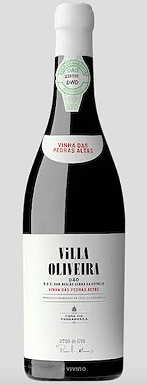

From the highest, most exposed parcel of an 85-year-old field blend vineyard at 700m, this is big-boned and well-structured, with a certain old-fashioned austerity and...
2014
Casa da Passarella

Vinhos Imperfeitos, I White, Dão, Portugal, 2018
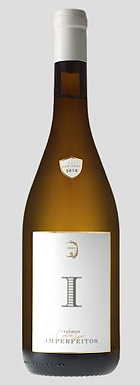
Ex-Niepoort winemaker Carlos Raposo’s tribute to his birth region. Used Puligny-Montrachet barrels and refurbished concrete tanks signal ambition and style. Pure, penetrating and very precise,...
2018
Vinhos Imperfeitos
Álvaro Castro, Quinta da Pellada Casa, Serra da Estrela, Dão, Portugal, 2017
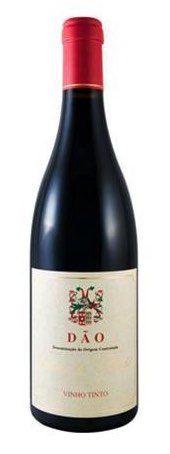
From Pellada’s most exposed corner, with more compact granite, clay and quartz soil and a higher proportion of Touriga Nacional and Baga, followed by Tinta...
2017
Álvaro Castro
Antonio Madeira, Vinhas Velhas Branco, Serra da Estrela, Dão, Portugal, 2017
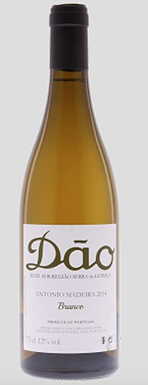
Struck match nose; the palate is earthier, with whetstone. Silky white peach and thrusting breakfast grapefruit acidity makes for an agile palate. This sprightly old...
2017
Antonio Madeira
Caminhos Cruzados, Teixuga, Dão, Portugal, 2014
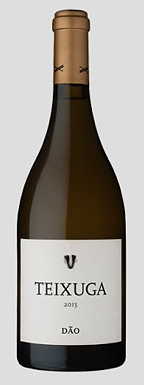
From Quinta da Teixuga’s 50-year-old-plus vines in Terra de Senhorim, this charismatic, modern Encruzado shows the experienced hand of Quinta dos Carvalhais’ original winemaker, Manuel...
2014
Caminhos Cruzados
Global Wines, Casa de Santar Vinha dos Amores Touriga Nacional, Dão, Portugal, 2014
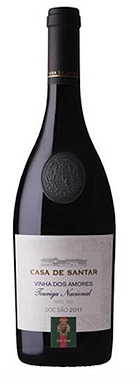
With freshness in Dão’s DNA, Santar’s classic, drier profile and grapes sourced from top parcel Vinhas dos Amores, this single-varietal Touriga Nacional is the epitome...
2014
Global Wines
MOB, Garrafeira Red, Serra da Estrela, Dão, Portugal, 2015
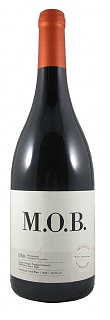
This old field blend red was fermented in lagares, aged in old barrels for 18 months and, with bottle age, presents a slinky, elegant palate,...
2015
MOB
Nuno Mira do O, Druida Encruzado Reserva, Dão, Portugal, 2018
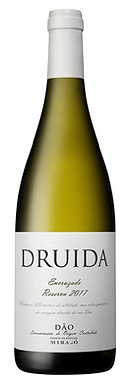
This single-vineyard Burgundy-beater from Quinta da Turquide, Silgueiros, is my pick of Nuno Mira do O’s impressive multi-regional portfolio. Arrow-straight, pure and linear, with vanillin...
2018
Nuno Mira do O
Sogrape, Quinta dos Carvalhais Branco Especial NV, Dão, Portugal
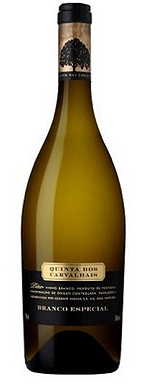
This third release (bottled 2017) is a blend of 2005, 2006 and 2009, with 18% field blend grapes. Lengthy barrel-ageing without temperature control produces a...
Sogrape
Casa de Mouraz, Branco, Dão, Portugal, 2017
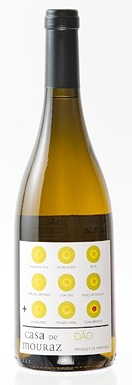
From an organically certified field blend vineyard planted in the 1960s, featuring some 15 varieties, including Malvasia Fina, Encruzado, Bical, Cerceal, Barcelo. This unoaked, lees-aged...
2017
Casa de Mouraz
Casca Wines, Monte Cascas Vinha da Carpanha, Dão, Portugal, 2012
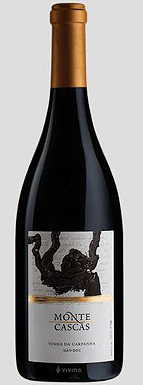
Working across several regions, Helder Cunha partners with growers with top sites for his Monte Cascas label. This refined Touriga Nacional-Jaen blend comes from a...
2012
Casca Wines
Niepoort, Conciso Branco, Serra da Estrela, Dão, Portugal, 2017
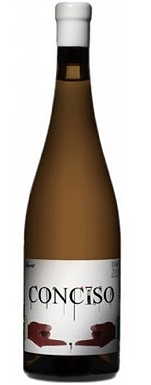
Acquired by Niepoort in 2012, Quinta da Lomba, Serra da Estrela, is cultivated biodynamically. This old field blend (predominantly Bical, Encruzado and Malvasia) fermented in...
2017
Niepoort
Quinta dos Roques, Tinto, Dão, Portugal, 2016
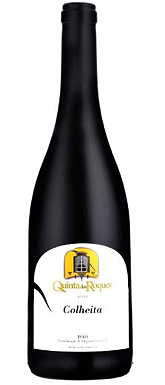
This thoroughly modern, accessible, primary blend was de-stemmed and fermented with selected yeasts in stainless steel, then aged in French oak barriques. The quality of...
2016
Quinta dos Roques
João Tavares de Pina, Rufia Rosé, Dão, Portugal, 2019
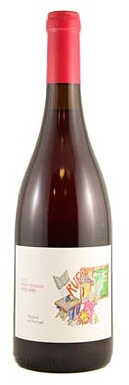
Renaissance winemaking from João Tavares de Pinha’s reborn estate, Quinta da Boavista, produces perfectly executed ‘natural wines’ (minimal sulphur at bottling) with interest and intensity,...
2019
João Tavares de Pina
Global Wines, Cabriz Reserva Branco, Dão, Portugal, 2018
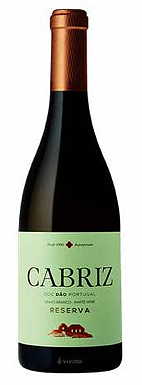
Like the old Pepsi advert, lip-smacking, thirst-quenching… This vivacious Encruzado puts the emphasis on freshness and flavoursome, tangy nectarine fruit – flesh and perfumed skin....
2018
Global Wines
Quinta das Maias, Branco, Serra da Estrela, Dão, Portugal, 2018
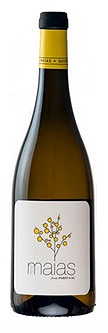
Located in Serra da Estrela, at 600m altitude, Quinta das Maias was acquired by the Lourenço family of Quinta dos Roques in 1997. With mouthfeel,...
2018
Quinta das Maias
Quinta do Perdigão, Noel Perdigão Pé Franco Touriga Nacional Brut, Dão, Portugal, 2015
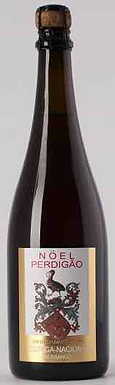
This organic sparkling rosé, named after José and Vanessa Perdigão’s son, comes from ungrafted Touriga Nacional, planted in 2002. A month in new French oak...
2015
Quinta do Perdigão
Boas Quintas, Quinta da Fonte do Ouro Tinto, Dão, Portugal, 2017
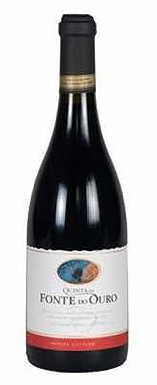
From Nuno Cancela de Abreu’s vineyard in the Terras de Senhorim sub-region. Being east of his original Besteiros vineyard, on sandier, granitic soils, it is...
2017
Boas Quintas
