
Regional profile: Rioja Oriental
Previously known as Rioja Baja, Rioja Oriental is emerging from the shadows of its high-profile neighbours and overcoming its unfavourable reputation, producing wines of real character and quality.


In between the lockdowns in 2021, I took the train from Zaragoza to Logroño. As ever, it was an eye opener. It’s a slow train, which gives you the chance to savour the countryside. You enter Rioja proper at Alfaro, almost its easternmost point. This may be Rioja, but it’s completely different to its popular image. As the train threads its way up to Logroño, it encounters time and again the river Ebro, which is making its way in the opposite direction down to the Mediterranean with many a meander. In parts, it’s an agricultural idyll of riverside, overhanging trees and distant mountains – a complete contrast to the densely planted vineyards of Alta and Alavesa.
Scroll down to see tasting notes and scores for 10 great wines that showcase Rioja Oriental
This is Rioja Oriental. Second only to Rioja Alta in size, yet still as little known for its wines as for its striking landscapes. Given Rioja’s fame, this is odd. Writer and historian Pablo García Mancha has this to say: ‘The area of Rioja Oriental has always been almost forgotten. It’s a territory that smells of wine on all four sides, but for historical reasons has always been left out of the great centres of decision-making in our region.’
In fact, there’s a simple answer to this conundrum. In the beginning (that’s to say in the 1850s), what was to become known as Rioja Alavesa had the Marqués de Riscal, who put that region on the map. Similarly, in what became Rioja Alta, there was the Marqués de Murrieta, soon followed by the producers in Haro’s Station Quarter, who shipped wine to Bordeaux. These were the foundation of the Rioja business.

Rioja Oriental at a glance
Size The most easterly of Rioja’s three subzones, measuring 24,590ha, second in size to Rioja Alta (27,347ha) and followed by Rioja Alavesa (13,389ha)
Key red grapes 78.4% Tempranillo, 13.6% Garnacha, 4.3% Graciano and 3% Mazuelo, with some lesser varieties such as Maturana Tinta
Producers 102 certified wineries and 12 co-operatives
Climate Typically warmer, with Mediterranean influences, beneficial to organic growing
Altitude From 300m in Alfaro to as high as 800m
Soils Alluvial soils by the river Ebro; poor, stony soils at higher altitudes
What’s in a name?

Until 2018, Rioja Oriental was officially known as Rioja Baja, referring to its position further down the river Ebro. Yet Baja (meaning low) also implied lesser status and lesser quality. There had been growing pressure from growers and producers to change and improve its name, which the regulatory body agreed to in due course. However, the replacement – Rioja Oriental, with its vaguely exotic connotations – was not well received. I still find it difficult to use, even now, though I understand that change was necessary.
The frustration was clearly expressed by David Bastida, winemaker at Ortega Ezquerro, in an interview with Antonio Remesal Villar and Alberto Gil in their excellent guide, Rioja: Vinos Silenciosos: ‘It’s curious that the majority of our vineyards are higher than 650m, higher than those in Haro [in Rioja Alta], yet despite that they call us Rioja Baja… or worse, Rioja Oriental.’
Raquel Pérez Cuevas of family winery Queirón highlights the problem of the region’s historic ‘poor relation’ status with its lack of crianza wineries and exporters. In 1973, when the Consejo Regulador drew the map of the permitted towns with crianza wineries, it naturally favoured the already established producers in Alava and Alta. By contrast, the Rioja Baja map was ‘incredibly restrictive’, with only 11 towns named. ‘As a result, it was almost impossible for Rioja Baja to develop its own commercial wineries, seriously hampering the growth of the region,’ she says.
Carlos Mazo of Vinos en Voz Baja insists: ‘I beg you – if, despite thinking of Rioja as a great historic region of world status, your concept of Rioja Baja/Oriental is of a subzone of lesser quality, set your prejudices aside and open your eyes to recognise the quality of the wines we make.’ Like many of the current generation in his area, his focus is on ‘making the definitive wine of the region’, returning to the old ways in the vineyard and producing wines that are ever more ‘pure, fine, simple and clearly expressive of Rioja Oriental’.
Moving forward

In the town of Quel, they have been making wines at least since the first written records of 1327. By the 1850s, the decade of the Marquéses elsewhere in Rioja, there were 350 caves in the remarkable hillside along the riverside, used by families for making wine. This ‘barrio de bodegas’, or winery quarter, is a remarkable site (and sight).
In 1947, when the town co-operative was founded, many families preferred to sell their grapes to the co-op, abandoning the wineries or converting them into homes.
Today, the barrio is being recuperated for wine tourism – and for wine (see ‘Eight names to know in Rioja Oriental’, below). García Mancha, who now works with Ontañón/Queirón says: ‘It’s an amazing neighbourhood. It is essential for understanding the history of Rioja before it was Rioja, the importance of the towns in creating the denomination, each with its own way of doing things, its viticulture, its genetic heritage of varieties… Everything about it is impressive.’ The 19th-century playwright Manuel Bretón de los Herreros, born in Quel, put it more lyrically: ‘Bacchus had more temples there [in Quel] than he had in Rome.’
One of the more significant areas of Rioja Oriental is Tudelilla, which has long been known for the high quality of its Garnacha. Specifically, the La Perdriza vineyard is striking, with its bush vines and Châteauneuf-like round stones or galets. It’s a significant ingredient in La Rioja Alta’s acclaimed Viña Ardanza, where the 20% Garnacha delivers a succulent, round generosity. However, until recently, much of its fruit – and the town’s identity – disappeared into blends, without adding value to the growers in Tudelilla.
Rodolfo Bastida, technical director of Ramón Bilbao, recalls: ‘Tudelilla is magnificent. It’s one of the last places where there were cosecheros (grower-winemakers). My first ever vintage was in Tudelilla, and the pH was [as low as] 3.1.’
However, in the latter part of the 20th century, the practice throughout Rioja was to favour Tempranillo. Despite their quality, many of Baja’s fine Garnacha vineyards were uprooted, or grafted over, just as they were in neighbouring Navarra. As a result, La Rioja Alta bought land to protect its source of Garnacha. Bastida started purchasing for Ramón Bilbao in 1999, and now sources from Arnedo, Alfaro and Monte Yerga, as well as Tudelilla.
Plenty to shout about

Today, some of the big producers in Rioja are ready to showcase and acknowledge the quality of Rioja Oriental, in their search for new expressions with Garnacha, Graciano and other varieties. One producer, who didn’t want to be named, confessed rather shamefacedly: ‘Once upon a time we were a bit embarrassed to be seen doing business in Rioja Baja.’
Nevertheless, there is far more to Rioja Oriental than Garnacha, Graciano and Mazuelo. Tempranillo, too, has its place. The river Ebro provides an opening to Mediterranean influences, with the early ripening that the variety needs. It also provides the alluvial soils for the production of plenty of mainstream Tempranillo. The bonus in Oriental is the additional role of the Sierras, with their diverse aspects and slopes created by the rivers running down – plus the remarkable red soils, which also add drama to the landscape for any visitor.
There may be catching up to do. The new generation of producers are starting out with a lower profile, but have plenty to shout about, with distinctive characters and terroirs to express. As Pierre Mansour of The Wine Society comments in our £20-40 Red Rioja tasting: ‘Keep an eye out for Rioja Oriental.’ At that extensive session, the Rioja Oriental wines had a character all their own.
Eight names to know in Rioja Oriental
Javier Arizcuren is a man of many talents. He not only makes wines, he’s also an architect who designs wineries – and hotels too (see Finca de los Arandinos in ‘Where to stay in Rioja’). He has a boutique winery open to the public in the centre of Logroño, as well as a converted winery in the barrio de bodegas in Quel. Arizcuren cleverly made his mark by launching with a Mazuelo from his family vineyard – it made him stand out in a sea of Tempranillo. Look to him for amphora-aged wines, single varieties and exciting single-vineyard, old-vine wines such as the Barranco del Prado on its own rootstock.
Bagordi is in Andosilla, between the Ega and Ebro rivers, one of the few areas in Rioja that is in Navarra. The Carcar family’s connection with the area dates back to 1723, though the contemporary wine business started in 1996. The bodega is certified organic, with a focus on Garnacha and Graciano, plus a range of classic Rioja styles.
Barón de Ley is listed on the Spanish stock exchange, so it’s definitely big business. Its other brands include El Coto and Finca Museum in Cigales. The project – created in 1985 – is built on a château concept, based around an old monastery. It specialises in polished, modern Riojas, as well as releases of single varieties. Of particular interest here is the fact that it is based in Mendavia – in the scarcely known section of Rioja Oriental that is in Navarra.
Luis Arnedo is the fifth generation of growers in Aldeanueva de Ebro. He’s typical of a new generation in Rioja Oriental, keen to express the identity of the land instead of sending grapes to big producers elsewhere. Arnedo has 16ha devoted to traditional varieties, along with newer plantings of Maturana Blanca and Turruntes. The Inédito range is eye- catching for its individuality – especially the Turrax, an original blend of these two varieties. Arnedo works with Olivier Rivière, one of Rioja’s leading up-and-coming winemakers.
When Gabriel Pérez Cuevas launched Ontañón in 1985, he did so in a landscape of growers and co-ops. There were few producers commercialising their own wines – Gurpegui, Palacios Remondo, Faustino Rivero Ulecia. More recently, the family (now in the fifth generation) has launched a project in the town’s historic cellars (‘We had our first communion celebrations in there as children,’ daughter Raquel remembers). Queirón is a small, carefully planned production project based on old-vine, single-vineyard Garnacha and experimental schemes.
Carmelo Ortega is the great-grandson of barrel maker Quintin Ortega, who founded the winery in 1896. It is based in Tudelilla – a magic name for lovers of Rioja’s Garnachas. Carmelo works with winemaker David Bastida with the intention of getting proper recognition for the wines of Tudelilla – in particular, the Garnachas of the La Pedriza vineyard with its century-old bush vines and pebbly soils.
Palacios Remondo
If Rioja Oriental lacked a big name to spread its name internationally, it has one now – with Alvaro Palacios leading his family winery in Alfaro. Significantly, Palacios turned away from the local tradition of Tempranillo and moved towards Garnacha – and to higher-altitude vineyards, culminating in the release of the exceptionally elegant and refined Quiñón de Valmira. Palacios also has a lovely white wine, Plácet, originated by his brother Rafael, which has paved the way for other fine whites from the region.
+34 941 18 02 07
Viños en Voz Baja
Carlos Mazo and his wife Isabel live in Aldeanueva de Ebro and cultivate 10 plots across 6ha, in the southerly parts of Rioja Oriental, on land inherited from their parents. He defends his region proudly: ‘It is not just a matter of the Mediterranean climate, calcareous soils and vineyards at altitude. That’s the kind of data you find in the texts of the regulatory body. When I inherited the vines, I also inherited the customs, liturgies, codes, the character, and ways of working.’
Ten of the best wines that showcase Rioja Oriental
Related articles
- Top Riojas to enjoy this winter
- Rioja gran reserva: my top 20
- Rioja’s rising stars: the winemakers to watch out for
Bodegas Palacios Remondo, Plácet de Valtomelloso, Rioja, Oriental, Northern Spain, Spain, 2021
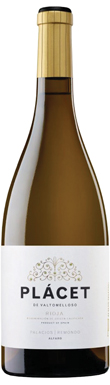
93
The only white wine that Alvaro Palacios produces. On this example, perhaps he should do it more often. It's a white that brings out the best in Viura: bright, light gold with delicate aromas of brioche and white flowers. It's a full bodied stye but with lovely freshness, ripe citrus and a line of minerality. The oak influence from foudres and some new oak is subtle, emphasising the creamy texture.
2021
Bodegas Palacios RemondoRioja
Dominio de Queirón, Ensayos Capitales 2, Lágrima en Tinaja, Rioja, Oriental, Northern Spain, Spain, 2019
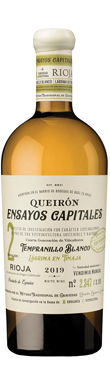
93
Ensayos Capitales is Queirón's experimental range. They may be one-offs, but I'm sure that in the future some may become permanent fixtures. Number 3, due soon, is a Spanish version of Amarone. This number 2 is a Tempranillo Blanco, partly fermented on skins, partly fermented in new French oak and aged in clay tinajas. Layered and complex, with stone fruits, white flowers and sweet spice overlaid by a refreshing acidity.
2019
Dominio de QueirónRioja
Bodegas Lacus, Inédito Turrax, Rioja, Oriental, Northern Spain, Spain, 2018
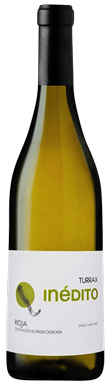
91
A delightfully original blend (Turruntés and Maturana Blanca), which makes for a fine original white. Don't expect bold aromatics – Turruntés has nothing to do with Argentina's scented Torrontés. The wine is medium bodied, with a fine citrus undertone and notes of herbs. Fermented in stainless steel and then aged in 500-litre French oak and egg-shaped polymer tanks.
2018
Bodegas LacusRioja
Bodegas Ontañón, Vetiver, Rioja, Oriental, Northern Spain, Spain, 2019
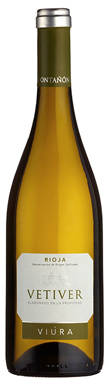
91
Brilliant value for white Rioja. At its heart there are golden plums and white pear, and lift of lime zest, overlaid by creamy, fine oak (from the four months ageing). Plump and full bodied. Quite opulent.
2019
Bodegas OntañónRioja
Arizcuren, Solo Garnacha, Rioja, Oriental, Northern Spain, Spain, 2019
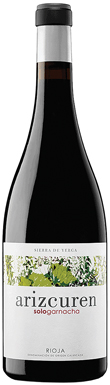
94
Spending the day with Javier Arizcuren was one of the highlights of my first 'post-lockdown' travels. Pre-phylloxera vines, and pure expression of a selection of single varietals, though not all yet available in the UK. The Garnacha from the Sierra de Yerga is delightfully full of flavour. It's also unoaked: 'I want you to be able to taste the fruit'. I look forward to his first white wine, from Viura.
2019
ArizcurenRioja
Bodegas Palacios Remondo, La Montesa, Rioja, Oriental, Northern Spain, Spain, 2019
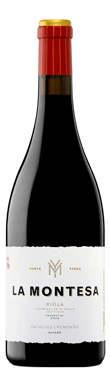
94
Alvaro Palacios has put Oriental on the map. Today what is remarkable is the consistency and quality of the quantity of wines he makes - in La Montesa's case over 600,000 bottles. It's the epitome of Garnacha of the region, plump and generous, with layers of red fruit, subtle spicing and lively freshness. A very long, complete finish, with a savoury sign off to balance.
2019
Bodegas Palacios RemondoRioja
Bodegas Ramón Bilbao, Límite Sur, Rioja, Oriental, Northern Spain, Spain, 2018
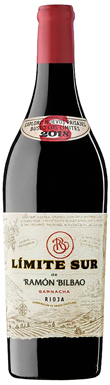
94
Límite Sur ('at the southern edge') is a Garnacha grown in cooler north-facing vineyards. In the winery it spends six months in concrete, or amphorae, or large oak, followed by 10 months in French oak. Bold, rounded expression of fruit, enriched by oak influence, showing white pepper, mint, fine tannin and a very long finish.
2018
Bodegas Ramón BilbaoRioja
deAlto, La Planta Magica Viñas Viejas, Rioja, Oriental, Northern Spain, Spain, 2019
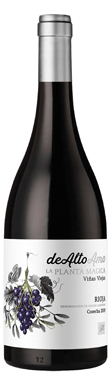
93
Powerful with ripe and well-defined red fruit aromas. Silky tannins and warm spice on the palate. A persistent finish.
2019
deAltoRioja
Vinos en Voz Baja, Costumbres, Rioja, Oriental, Northern Spain, Spain, 2020
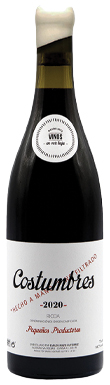
92
A juicy, supple and pure fruited Garnacha. Restrained yet engaging on the nose, but full of sweet Garnacha fruit, whole-bunch spice, pepper and wet stones on the palate, with lovely, powdery tannins that caress rather than dry.
2020
Vinos en Voz BajaRioja
Casa La Rad, Solarce, Rioja, Oriental, Northern Spain, Spain, 2020
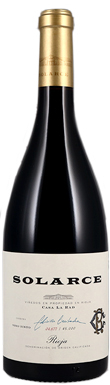
92
Astonishing value, snap it up! Lively, aromatic, packed with dark fruit and wild herbs. In the mouth it's full-bodied, fresh, fleshy,upple and spicy with a piquant note. On the finish it's lightly drying, with a savoury edge, and a warm sweep of alcohol. A real character.
2020
Casa La RadRioja
Bodegas Palacios Remondo, Plácet de Valtomelloso, Rioja, Oriental, Northern Spain, Spain, 2021
93
The only white wine that Alvaro Palacios produces. On this example, perhaps he should do it more often. It's a white that brings out the best in Viura: bright, light gold with delicate aromas of brioche and white flowers. It's a full bodied stye but with lovely freshness, ripe citrus and a line of minerality. The oak influence from foudres and some new oak is subtle, emphasising the creamy texture.
2021
Bodegas Palacios RemondoRioja
Dominio de Queirón, Ensayos Capitales 2, Lágrima en Tinaja, Rioja, Oriental, Northern Spain, Spain, 2019
93
Ensayos Capitales is Queirón's experimental range. They may be one-offs, but I'm sure that in the future some may become permanent fixtures. Number 3, due soon, is a Spanish version of Amarone. This number 2 is a Tempranillo Blanco, partly fermented on skins, partly fermented in new French oak and aged in clay tinajas. Layered and complex, with stone fruits, white flowers and sweet spice overlaid by a refreshing acidity.
2019
Dominio de QueirónRioja
Bodegas Lacus, Inédito Turrax, Rioja, Oriental, Northern Spain, Spain, 2018
91
A delightfully original blend (Turruntés and Maturana Blanca), which makes for a fine original white. Don't expect bold aromatics – Turruntés has nothing to do with Argentina's scented Torrontés. The wine is medium bodied, with a fine citrus undertone and notes of herbs. Fermented in stainless steel and then aged in 500-litre French oak and egg-shaped polymer tanks.
2018
Bodegas LacusRioja
Bodegas Ontañón, Vetiver, Rioja, Oriental, Northern Spain, Spain, 2019
91
Brilliant value for white Rioja. At its heart there are golden plums and white pear, and lift of lime zest, overlaid by creamy, fine oak (from the four months ageing). Plump and full bodied. Quite opulent.
2019
Bodegas OntañónRioja
Arizcuren, Solo Garnacha, Rioja, Oriental, Northern Spain, Spain, 2019
94
Spending the day with Javier Arizcuren was one of the highlights of my first 'post-lockdown' travels. Pre-phylloxera vines, and pure expression of a selection of single varietals, though not all yet available in the UK. The Garnacha from the Sierra de Yerga is delightfully full of flavour. It's also unoaked: 'I want you to be able to taste the fruit'. I look forward to his first white wine, from Viura.
2019
ArizcurenRioja
Bodegas Palacios Remondo, La Montesa, Rioja, Oriental, Northern Spain, Spain, 2019
94
Alvaro Palacios has put Oriental on the map. Today what is remarkable is the consistency and quality of the quantity of wines he makes - in La Montesa's case over 600,000 bottles. It's the epitome of Garnacha of the region, plump and generous, with layers of red fruit, subtle spicing and lively freshness. A very long, complete finish, with a savoury sign off to balance.
2019
Bodegas Palacios RemondoRioja
Bodegas Ramón Bilbao, Límite Sur, Rioja, Oriental, Northern Spain, Spain, 2018
94
Límite Sur ('at the southern edge') is a Garnacha grown in cooler north-facing vineyards. In the winery it spends six months in concrete, or amphorae, or large oak, followed by 10 months in French oak. Bold, rounded expression of fruit, enriched by oak influence, showing white pepper, mint, fine tannin and a very long finish.
2018
Bodegas Ramón BilbaoRioja
deAlto, La Planta Magica Viñas Viejas, Rioja, Oriental, Northern Spain, Spain, 2019
93
Powerful with ripe and well-defined red fruit aromas. Silky tannins and warm spice on the palate. A persistent finish.
2019
deAltoRioja
Vinos en Voz Baja, Costumbres, Rioja, Oriental, Northern Spain, Spain, 2020
92
A juicy, supple and pure fruited Garnacha. Restrained yet engaging on the nose, but full of sweet Garnacha fruit, whole-bunch spice, pepper and wet stones on the palate, with lovely, powdery tannins that caress rather than dry.
2020
Vinos en Voz BajaRioja
Casa La Rad, Solarce, Rioja, Oriental, Northern Spain, Spain, 2020
92
Astonishing value, snap it up! Lively, aromatic, packed with dark fruit and wild herbs. In the mouth it's full-bodied, fresh, fleshy,upple and spicy with a piquant note. On the finish it's lightly drying, with a savoury edge, and a warm sweep of alcohol. A real character.
2020
Casa La RadRioja
