
Rudi Pichler: Producer profile
Wachau is home to numerous Pichlers. Rudi Pichler has quite a pungent, assertive character and probably doesn't suffer fools gladly...


Just as the Gros family seems ubiquitous in Vosne-Romanée, and most of the mansions along the Mosel River in Wehlen are occupied by various branches of the Prüm family, so the Wachau is home to numerous Pichlers.
FX Pichler is the best known, and he certainly was a leading presence among the generation that put the region on the map for great white wines. But Rudi Pichler also has a strong following.
Born in 1964, he is from the next generation and took over his family’s property in Wösendorf in 1996. Now in his prime, he is assisted by his children. Among his 15ha of vineyards are varying soil types and thus expressions of the varieties cultivated.
Their overall geological pattern remains typical of the Wachau. The higher slopes are composed of shallow soils over primary rocks such as gneiss, while lower down nearer the Danube shore there may be loess deposits too. It’s the primary rock that gives the wines their character, steeliness and tension. Pichler keep yields low, at 35hl/ha to 45hl/ha, as it would be tricky to ripen a larger crop in some of his cooler sites.
Behind the winery is the Kollmütz vineyard, which Pichler considers a top site – although he is understandably biased. The terraces round the corner of a hill, so it’s always breezy here, fending off threats of disease. There is gneiss and magnesium in the soil, and the vines develop a good root system, giving mineral wines that can age very well. Geologically, the site is not uniform, as the eastern end of the site has loess, while the west is rockier.
Loess dominates in the Kamptal region, but is less prevalent in the Wachau. However, Wösendorfer Hochrain has a subsoil of wind-blown loess, giving a silty, sandy soil of moderate density. Loess is generally better suited to Grüner Veltliner, but Pichler also makes a fine Riesling from here. The wines tend to be opulent and juicy rather than grippy and mineral.
Between Hochrain and Kollmütz is the Kirchweg, with its more alluvial soils. Pichler is at pains to point out that despite the general flatness of Kirchweg, his parcel is on rockier soil, giving a more severe character than the site in general.
Few would dispute, however, that if the Wachau had a hierarchy of crus, then Achleithen in Weissenkirchen would be grand cru. Indeed, the viticulturalist at the Domäne Wachau cooperative considers this the finest vineyard site in all of Austria. Pichler has almost 2ha here in five parcels on very rocky soils with gneiss. His parcel differs from most others here in facing west, giving wines with a firmer and more austere structure.
Rudi Pichler has quite a pungent, assertive character and probably doesn’t suffer fools gladly. Although he has mellowed over recent years, he remains a formidable personality, confident in his approach but more frequently allowing a smile to cross his stern features.

He also has a very clear idea, stylistically, of how he wants his wines to turn out. His vineyards often ripen a week later than some more privileged sites, but he believes this gives the wines a finer bouquet. Some top winemakers in the Wachau will tolerate a few grams of residual sugar to round out the palate, but Pichler does all he can to ensure that his wines ferment to full dryness. And if that means the wines can initially seem rather austere and unyielding, he accepts that as a stylistic signature, advising his clientele to be patient.
‘I want the balance of my wines to be achieved in the vineyard, not by manipulations in the winery,’ he explains. However, very hot recent vintages have given his wines a rounder, plumper profile than in the past, another consequence of global warming.
Rather surprisingly, he’s keen on giving the newly picked grapes some skin contact. ‘I remember from my childhood seeing the old wooden presses that gave a natural maceration. I believe a spell of maceration gives the wines greater typicity in terms of their origin,’ he explains.
‘The duration depends on the vintage. In cool 2010 I gave the wines 36 hours, but in very warm years the duration is minimal, especially with grapes grown on loess, as the wines would end up too plump. I also dislike extended lees contact which can lead to wines that are simply too broad.’
Pichler also produces what has become something of a rarity in the Wachau: a Smaragd wine from Weissburgunder (Pinot Blanc); it’s from 45-year-old vines and is consistently excellent and structured. He also has the only Roter Veltliner vines in the region. Unrelated to Grüner Veltliner, it’s a variety more widely planted in Wagram to the east. Pichler’s Smaragd has typicity, and this is invariably a wine with an exotic character, but it can be marred by high alcohol.
Rudi Pichler Wines
Rudi Pichler, Weissenkirchen Ried Achleithen Riesling, Smaragd, Wachau, Niederösterreich, Austria, 2018
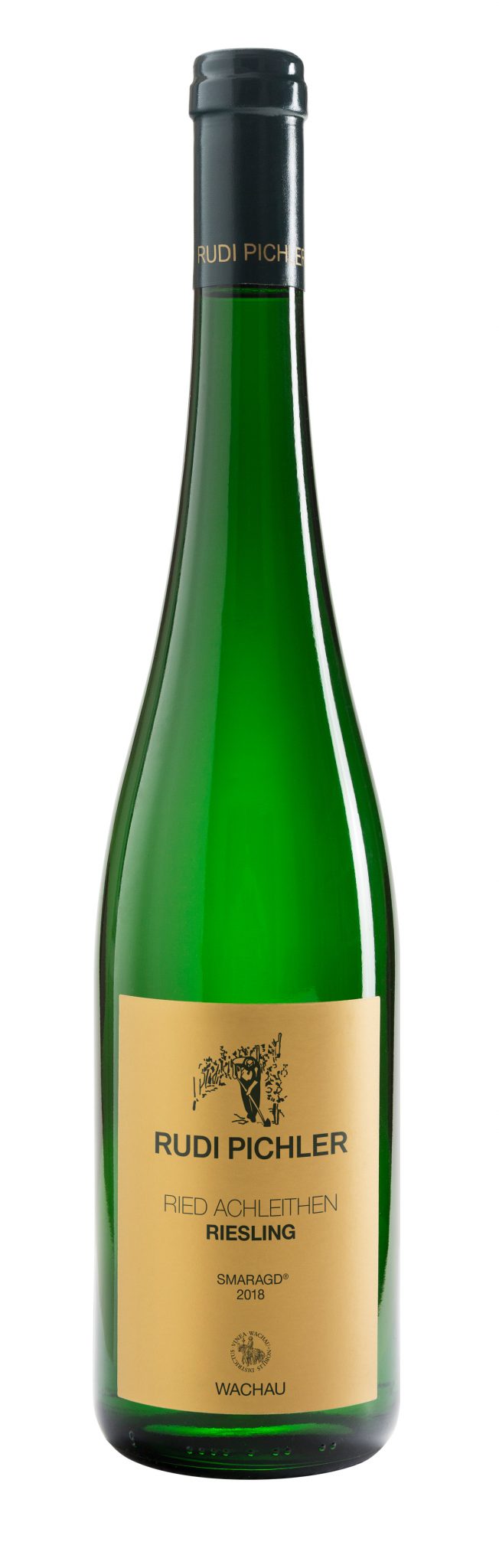

The steep gneiss terraces of Achleithen are perfect for Riesling. When first tasted last year, this wine seemed surprisingly approachable, but it has now become...
2018
Rudi PichlerSmaragd

Rudi Pichler, Wösendorfer Ried Kirchweg Riesling, Smaragd, Wachau, Niederösterreich, Austria, 2018
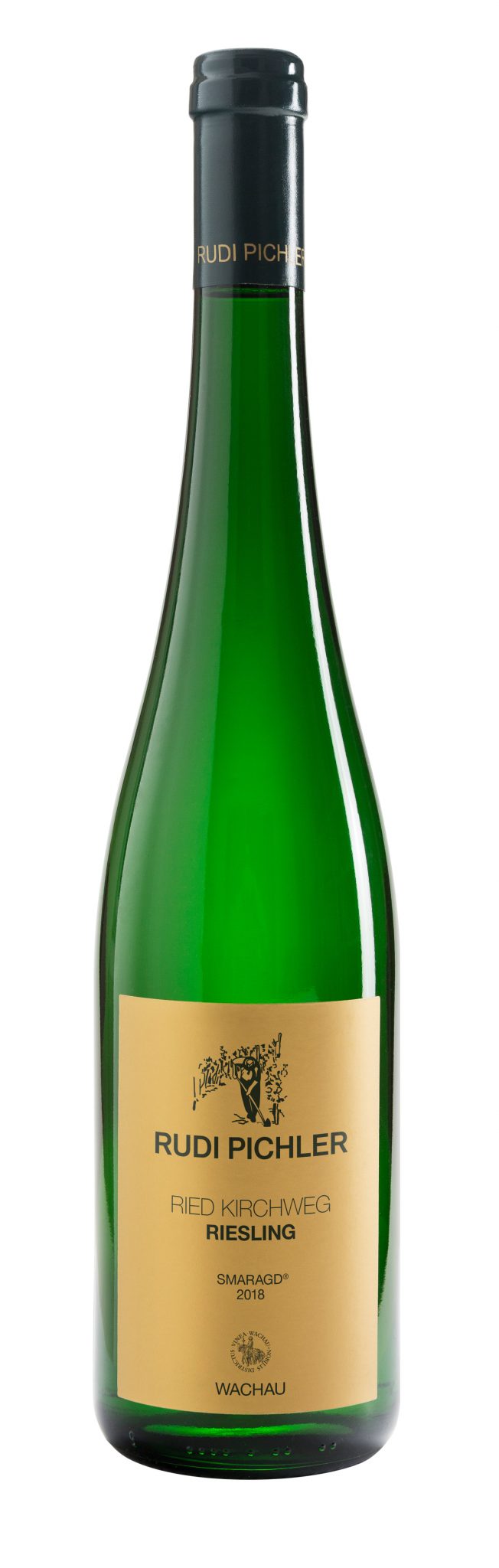
The nose is not very expressive, but it does show minerality rather than fruit expression, with hints of lime and green pea. There's a splendid...
2018
Rudi PichlerSmaragd
Rudi Pichler, Wösendorfer Ried Hochrain Riesling, Smaragd, Wachau, Niederösterreich, Austria, 2018
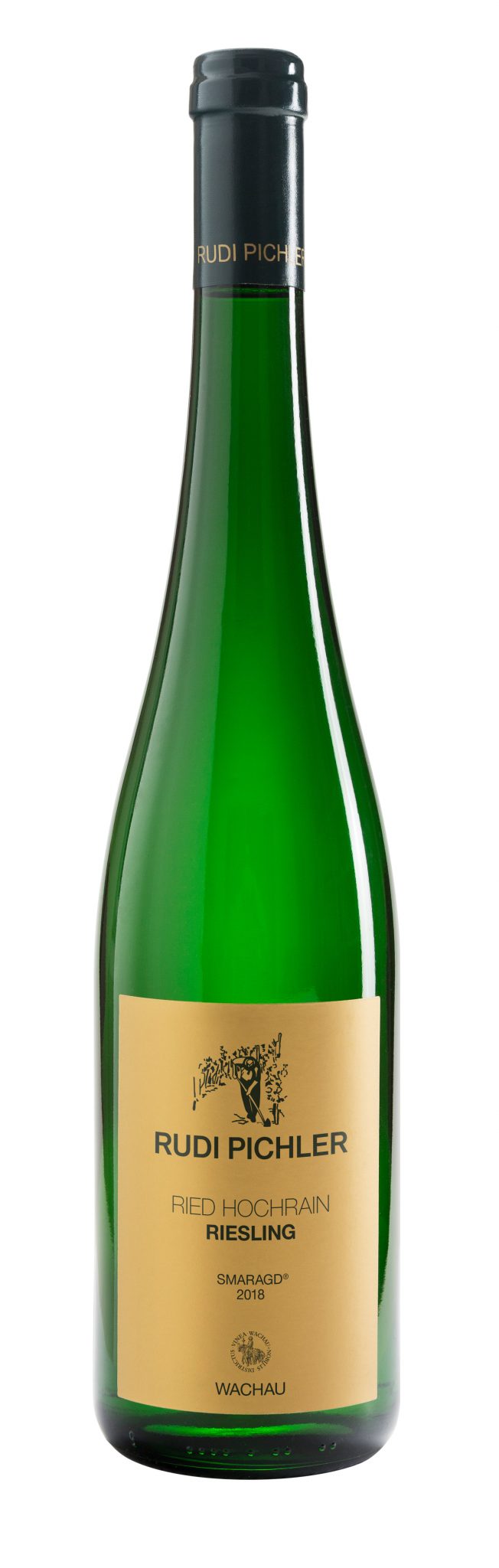
The presence of loess here makes this a good spot for Grüner Veltliner, but there's gneiss in the soil too so Riesling flourishes. The nose...
2018
Rudi PichlerSmaragd
Rudi Pichler, Wösendorfer Ried Hochrain Grüner Veltliner, Smaragd, Wachau, Niederösterreich, Austria, 2018
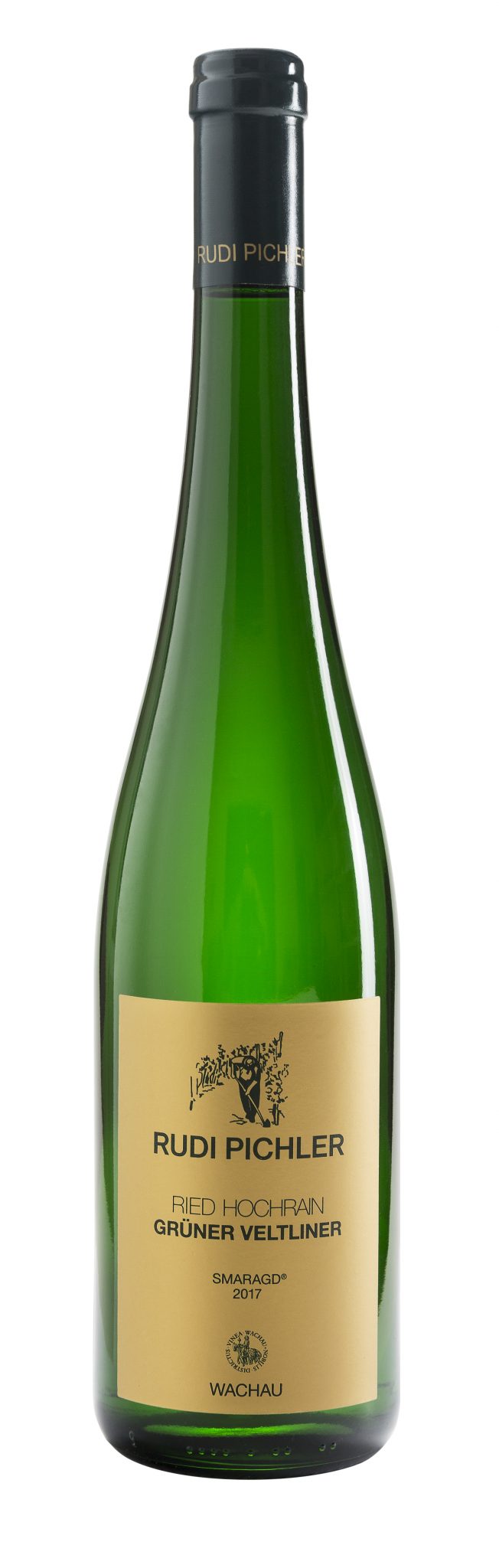
Like the Kollmütz Grüner Veltliner, this comes from vines over 40 years old; they grow on a blend of weathered primary rock and loess. The...
2018
Rudi PichlerSmaragd
Rudi Pichler, Weissenkirchen Ried Achleithen Grüner Veltliner, Smaragd, Wachau, Niederösterreich, Austria, 2018
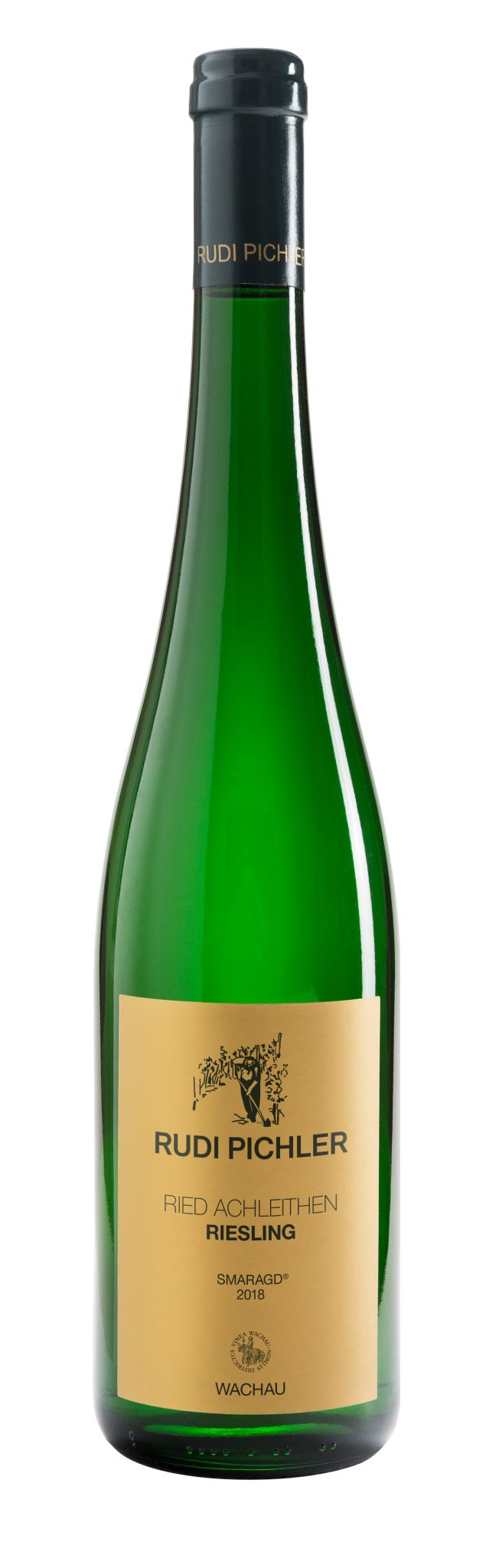
When first tasted a year ago this wine was lean and almost filigree, but with time it has taken on more weight and sucrosity. There's...
2018
Rudi PichlerSmaragd
Rudi Pichler, Wösendorfer Ried Kollmütz Grüner Veltliner, Smaragd, Wachau, Niederösterreich, Austria, 2018
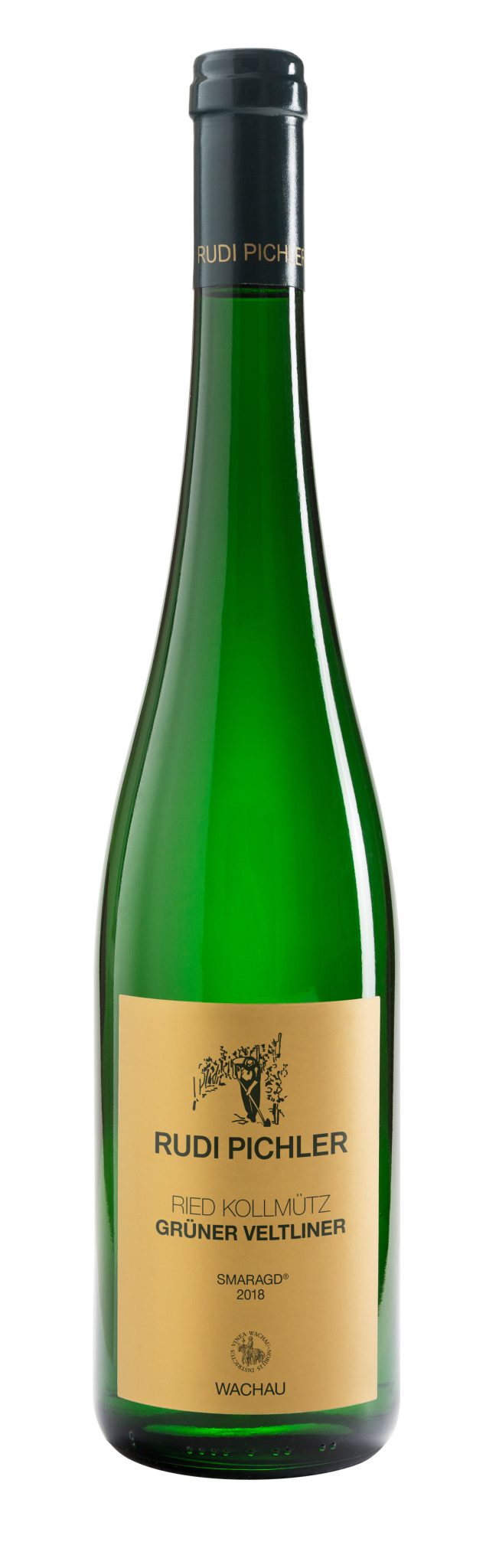
Produced from vines that are more than 40 years old and planted on steep terraces, this shows ripe apricot aromas. It's rich and creamy on...
2018
Rudi PichlerSmaragd
