
Seven north Italian wine trends to brighten up your tastebuds in 2026
Decanter World Wine Awards Regional Chair for northern Italy, Michael Garner investigates some key wine trends to look out for in 2026 across the country's northern provinces.


North Italy is a melting pot of cultures and landscapes. Flag-bearers for these northern regions include Barolo and Amarone, but there’s so much more to discover.
And with changes in winemaking and the impact of climate change, new opportunities are opening up for wines which previously languished in the background.
In an interview for Decanter with Tim Atkin MW all the way back in 2010, renowned winemaker Angelo Gaja declared that Italy’s future would lie with white wines.
But one grape variety he omitted to mention was Cortese, the most widely planted dry white variety in Gaja’s native Piedmont.
Let’s start there, therefore, and then look at six other exciting areas in northern Italian winemaking.
Gavi’s renewed ambition
Cortese’s finest expression is in the wines of Gavi and Gavi di Gavi, yet despite healthy sales in both the UK and USA, Gavi has not always been renowned for premium quality.
However, today’s warmer growing conditions combined with a greater belief in the area’s potential, and savvy marketing campaigns are changing all that, and the wines now are far better than they ever been before.
Alto Adige’s flagship white
Though not a native variety – and despite fierce competition – Pinot Bianco (aka Pinot Blanc/Weißburgunder) has become the standout white grape of the Alto Adige, with its magical combination of succulence, freshness and balance.
Versatility is key: whether producing excellent whites for youthful drinking and medium- to long-term ageing, or as the backbone of an increasing number of spectacular local blends, it is the default choice these days.
Decanter World Wine Awards Co-Chair and columnist Andrew Jefford agrees: ‘Nowhere else does Pinot Bianco like the Alto Adige!’
Sauvignon Blanc’s Collio renaissance
Sauvignon Blanc is a highly prized variety in neighbouring Friuli-Venezia Giulia, but the wines haven’t always lived up to their billing.
Rampant thiols (think passion fruit and cat’s pee) have too often obscured the strong sense of terroir typical in areas like the Collio with its distinctive ponca soils (mineral-rich marl and sandstone).
A less intrusive approach to winemaking favouring indigenous yeasts, slightly warmer fermentation temperatures, and careful use of large oak barrels is starting to have the desired effect and we are beginning to see more ripe, silky textures and salty, mineral notes in the finest examples of Collio Sauvignon.
Valpolicella’s fresh face
According to New Generation Valpolicella’s spokesman Piergiovanni Ferrarese of Villa Spinosa, one of the under-40s winemaker group’s main challenges is to lavish the same care and attention on the Valpolicella Superiore category that growers have previously saved for Amarone.
This frequently means dedicating individual vineyards to the production of Superiore, rather than creaming off the pick of the crop for the appassimento process, and using only freshly harvested grapes to make the wine.
Flying in the face of the success that the appassimento-based wines (Amarone and Ripasso) have brought the area, these wines focus on freshness and elegance – the two defining features of the best Valpolicella.
Schiava’s old vines
How gratifying to see a Santa Maddalena (and moreover, one with bottle age) reap a Platinum Medal at the DWWAs in 2025! The grape here is Schiava (aka Vernatsch), as it is for the Lago di Caldaro denomination which also claimed a Value Gold.
While many Schiava vineyards were pulled up in the 1980s to make way for white grapes, those that remain often have very old vines – some over a century old.
Could this much maligned local variety be about to challenge Pinot Nero (Pinot Noir) as Alto Adige’s flagship red? Tastes change and sleek, light, aromatic reds are booming…
Nebbiolo’s Alpine alter ego
While we mainly associate the variety with Piedmont, the notion of Alpine Nebbiolo is gaining traction. Lombardy’s Valtellina remains an underrated and overlooked source of fragrant and elegant reds; the grape, known locally as Chiavennasca, offers the most Pinot Noir-like expression of the Nebbiolo variety.
Though fêted for Sforzato, which like Amarone relies on semi-dried grapes, representative examples from the lesser known denominations of Valtellina Superiore and Valtellina Rosso bring ethereal lightness, finesse and balance associated with Alpine reds to the party.
Add in spectacular, high altitude terraced vineyards with over 2,500 kilometres of dry stone walls and the mystery of why these delightful wines are not more highly sought after only deepens!
Asolo Prosecco’s Extra Bruts
Northern Italy’s most popular wine remains Prosecco. A lot of it is cheap fizz, bought and sold mainly on price, but Asolo Prosecco, for example, is really bucking that trend.
Many of them declare a vintage (versus Prosecco DOC, most of which is non-vintage) and the denomination is pioneering the Extra Brut category with between 0-9g/l of residual sugar – the driest category.
These Proseccos look and taste like the real deal, and growing numbers of estates are regularly achieving exemplary levels of quality. Tasting is believing and, as in Valtellina, the wines are living up to the promise of some outstanding vineyard scenery.
One feature unites these wines: they all share a tremendous sense of place. Great vineyards, attentive winemaking with minimal intervention and a return to the use of larger older, more neutral barrels for ageing are allowing wineries to concentrate on making their products stand out from the crowd.
It’s what makes Italian wine so exciting: its all-embracing diversity, once viewed as a source of confusion, has become its strength.
Get a taste of this year’s trends:
Related articles
- Wines of the Year 2025: Italy
- Alto Adige: 24 expert-rated wines to try
- From the volcano’s edge: Eight smoking hot wines from Etna picked by our expert
Loredan Gasparini, Cuvée Indigena, Prosecco, Asolo Superiore, Veneto, Italy, 2023
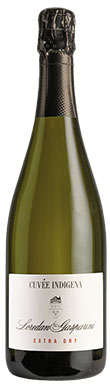

Glera grapes from 50-year-old-vines are fermented slowly at low temperatures with indigenous yeasts to produce this stunning example of Prosecco. Excellent freshness with notes of...
2023
Loredan GaspariniProsecco

Castel Juval Unterortl, Himmelsleiter, Alto Adige/Südtirol, Val Venosta, Trentino-Alto Adige, Italy, 2023
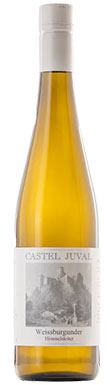
The highly promising 2023 vintage was the last made by Martin Aurich at Castel Juval Unterortl before Raffaele and Christine Burki became mountaineer Reinhold Messner’s...
2023
Castel Juval UnterortlAlto Adige/Südtirol
Drius, Sauvignon Blanc, Collio, Friuli-Venezia Giulia, Italy, 2024
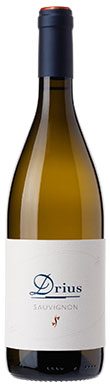
Based in Cormons, the Drius family farms vineyards in the neighbouring DOCs of Collio and Isonzo. Ripe and supple, this substantial but balanced wine is...
2024
DriusCollio
La Mesma, Vigna della Rovere Verde Riserva, Gavi, Piedmont, Italy, 2020
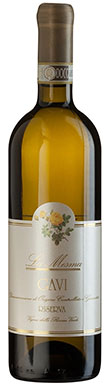
From a 2ha vineyard of 50-year-old vines, Rovere Verde shows Gavi’s often impressive ageing potential. Fermented in stainless and aged in bottle, the wine shows...
2020
La MesmaGavi
Giorgio Gianatti, Vigna Sassina, Valtellina, Superiore Grumello, Lombardy, Italy, 2017
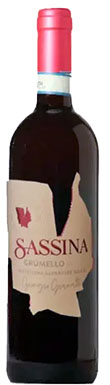
Giorgio Gianatti produces under 7,000 bottles of traditionally-styled Grumello from the 2.5 hectare Sassina vineyard. Deep, full and powerfully spicy aromas of allspice, clove and...
2017
Giorgio GianattiValtellina
Contrada Palui, Graspo Alto, Valpolicella, Superiore, Veneto, Italy, 2022
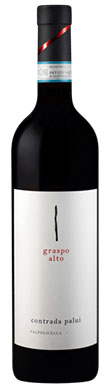
From a south- to southwest-facing vineyard planted at 500m above sea level, Graspo Alto offers a possible blueprint for the future of Valpolicella Superiore. This...
2022
Contrada PaluiValpolicella
Bergmannhof, Hoamet, Mitterberg, Trentino-Alto Adige, Italy, 2022
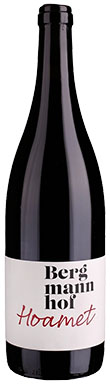
Apart from its traditional home in the hills around Bolzano, Merano and Lake Caldaro, Schiava also performs well in the Mitterberg area around Girlan and...
2022
BergmannhofMitterberg
