
Spanish Atlantic red wine: panel tasting results


Few other regions can field such a fascinating range of red wine styles, made from a broad palette of native grape varieties, reports Pedro Ballesteros Torres MW...
Most tourists know the dry Spain, which extends along the Mediterranean coast and the high Castilian plateau. The high mountains that run east to west across the north of the country – the Pyrenees and Cantabrian ranges – prevent the heavy Atlantic rains reaching the dry Spain, but also keep the regions to the north of them in a particularly humid and mild climate.
Until recently, they were irrelevant as far as the production of quality red wine is concerned. But the aggregated effect of scientific developments in viticulture and oenology, climate change, a resurgence of the perceived value of indigenous varieties and a market eager to reward niche identities resulted in a new area for fine red wines.
Spain’s Atlantic red wines are made from native varieties. They are moderate in alcohol, quite fresh and very diverse, which all adds up to a wine lover’s delight.
Red Txakolí is mostly made from Hondarribi Beltza, a close ancestor of Cabernet Franc (a variety with Basque origins, in fact). Until recently, it was green and acidic. Now some producers have found the key to unlocking its finesse, aromatic precision and distinctive profiles.
Strength of character
Though it’s minute, the vineyard area in Asturias is astonishingly beautiful, with a number of native varieties delivering lots of personality: Carrasquín, featured here, is one of those jewels.
Most of the Spanish Atlantic wines are produced in Galicia, and I would classify Galician reds in two major profile categories: those built upon concentration and roundness, made from Mencía of Bierzo fame; and those of delicate individuality, made from a high number of native varieties: Brancellao, Caíño, Espadeiro, Merenzao, Sousón and many more.
The best Mencía wines are found in Galicia’s interior: Monterrei, Ribeira Sacra and Valdeorras. The wines tend to be higher in acidity than Bierzo, brightly coloured and very fruity. A small but increasingly influential group of producers in Ribeira Sacra and Monterrei produce reds with other Galician varieties of great class.
Ribeiro is a patchwork of soils and varieties, resulting in an amazing diversity – the top wines can only be described as a terroir expression.
Rías Baixas is the odd one out for reds, with little tradition there for red grapes, but Raúl Pérez demonstrated some years ago that Galician grapes take the beauty of the Rías (estuaries) and the salinity of the sea and convey them into delicious red wines. Now an increasing number of newcomers are giving wine lovers much to enjoy.
Spanish Atlantic red wine: the facts
Area under vine (2015) Asturias 70ha, Monterrei 467ha, Rías Baixas 4,048ha, Ribeira Sacra 1,241ha, Ribeiro 2,232ha, Valdeorras 1,351ha. Bizkaia Txakolí 396ha, Getaria Txakolí 402ha
Number of producers (red and white) Asturias 5 wineries; Monterrei 381 vine growers, 24 wineries; Rías Baixas 6,031 growers, 170 wineries; Ribeira Sacra 2,438 growers, 89 wineries; Ribeiro 5,782 growers, 115 wineries; Valdeorras 2,721 growers, 18 wineries. Bizkaia Txakolí 218 growers, 45 wineries; Getaria Txakolí 96 growers, 29 wineries.
Vintages
2016 Widely considered to be an excellent vintage.
2015 There is a lot of variation. In Galicia there were problems with botrytis, but average quality is quite high.
2014 Quite difficult in Rías Baixas; excellent for Ribeiro, Valdeorras, Cangas (Asturias) and Txakoli de Bizkaia.
2013 Cool, humid vintage in most places. Most wines are uninteresting, but again, Ribeiro is the exception, with a great year.
2012 The best ever vintage for Txakoli, which resulted in its revolutionary ascent to the fine wine world. Good for all the others.
The scores
92 wines tasted
Entry criteria: producers and UK agents were invited to submit red wines from any vintage, made from red grapes grown within one of the permitted DOs of Spain’s northerly Atlantic regions
Exceptional
Outstanding
2
Highly Recommended
17
Recommended
66
Commended
7
Fair
Poor
Faulty
The results
This voyage of discovery across Spain’s lesser known northern territories revealed an array of lighter wine styles and intriguing flavours, as Christelle Guibert reports below.
View all 92 Spanish Atlantic red wine tasting notes
A tasting of a relatively new region for quality red wines was always going to make a fascinating read, and our experts found it both an eye-opener and a learning curve. Green Spain along its north Atlantic coast covers a variety of climates and, as expected, our judges found incredible diversity.
‘I would recommend these reds to wine lovers with a thirst for adventure’ Pedro Ballesteros Torres MW
Pedro Ballesteros Torres MW admitted: ‘They are not established wines yet, and as a result we have learned a lot about the different styles and various grape varieties. I would recommend them to wine lovers who have a thirst for adventure.’
Christine Parkinson was struck by how clearly apparent the Atlantic influence was in the wines: ‘So many of them had a real delicacy, perfume and a crisp acidity with a freshness and much lower alcohol level than we are used to.’
Adding some context, Sarah Jane Evans MW remarked: ‘The image of Spanish reds is of the big, powerful styles from the likes of Ribera del Duero or Priorat, and perhaps there’s not the pride or belief in lighter styles, being so different to the rest of Spain. But I think that’s due for a re-evaluation.’
From the eight different denominacións represented here, Ribeiro stood out as the best for its beautiful floral characters combined with high and fresh acidity and a saline mouthfeel. Across the different styles and varieties, Parkinson praised the notes of violet, rose petal or rosehip that kept popping up.
Ballesteros Torres felt grape varieties played an important part: ‘While Mencía is an identity for Valdeorras, Ribeira Sacra and Monterrei, there is very little interest in it in Ribeiro or Rías Baixas, where it gives wines that are poorly defined or even vulgar.’
For Evans, Rías Baixas was very mixed: ‘Half of it was very good, but the rest wasn’t.’ Parkinson agreed: ‘I expected a lot from Mencía, but it was generally among the more disappointing wines of the tasting, apart from Valdeorras, where there was a bit more weight, more body and perhaps a bit less Atlantic influence.’
It’s the other varieties – Albarello, Brancellao, Ferrol, Pedral and Sousón – unknown to most, including our expert panel, that impressed our judges. The panel felt that these are wines made for local consumption and to enjoy on a sunny day with local food.
Evans raised a good point: ‘Lots of producers are essentially small businesses, and some are in regions where the whites are more important than the reds – notably Rías Baixas – so they are going to have to find a way to bring themselves to international markets.’
Slightly chilling many of these red wines could be a good option, Parkinson suggested: ‘This is something that perhaps not enough people have dialled into, and here we have a whole range of wines that will drink just beautifully if they are served from the fridge.’
The panel did find the winemaking to be of a very high standard, Evans and Parkinson noting a lot of appealing unoaked wines, or judiciously used oak. But Ballesteros Torres was in slight disagreement: ‘For some of the non-Mencía wines, the nice fruit and lively balance were affected by a clumsy use of oak barrels or leaving hard tannins and unnecessary aromas.’
The panel concluded that those delicious fruity and crisp reds could be a great alternative to Beaujolais, Dolcetto or even Loire Cabernet Franc on restaurant wine lists. The Outstanding Ribeira Sacra wine from the Merenzao grape was even compared to a refined red from the fashionable French region of Jura.
Top 5 Outstanding and Highly Recommended wines:
Related content:

Premium red Rioja – panel tasting results
Incredible value for money, said our judges...

Have you tried Txakoli wines?
Looking for an alternative to Vinho Verde or Picpoul de Pinet?

Back from the brink: Good value white Rioja wines
Sarah Jane Evans MW recommends the ones to try...
Cume do Avia, Colleita 2, Ribeiro, Spain, 2014
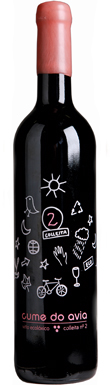

PBT: Suave aromas of mint-laden blueberry fruit lead to a beautifully structured palate bristling with wild fruit and almost explosive acidity. Amazing, and unique. SJE: Even...
2014
Cume do Avia

Adega Algueira, Merenzao, Ribeira Sacra, Spain, 2014
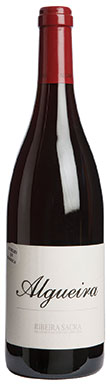
PBT: Discreet and elegant in its cherry fruit aromas, whilst concentrated yet smooth and suave in the mouth. Delicious! SJE: Superbly exciting, with loads of...
2014
Adega Algueira
Quinta da Muradella, Muradella, Monterrei, Spain, 2012
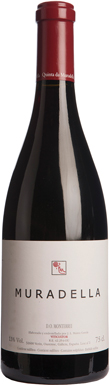
Beautifully evolved and still showing very well, with discreet yet enticing aromas leading to a complex yet suave and delicate palate of herbal-infused black cherry...
2012
Quinta da Muradella
Señorío de Rubiós, Manuel d´Amaro Pedral, Rías Baixas, Spain, 2015
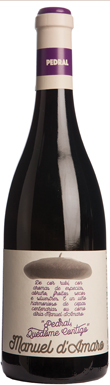
Restrained and elegant yet vivid and full of crisp floral-toned red berry fruit, with no sign of oak and all the better for it. Very...
2015
Señorío de Rubiós
Attis Bodega & Viñedos, Attis Pedral, Rías Baixas, Spain, 2015
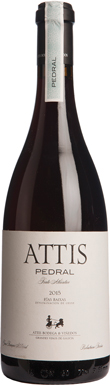
Intriguing and appealing, with woodland, floral and herbaceous aromas leading to a stony, mineral palate co-existing with chocolate-edged cranberry fruit, enlivened by bright, crunchy acidity....
2015
Attis Bodega & Viñedos
