
The best new generation Sangiovese: A fresh perspective
A new generation of winemakers is shining a light on the Sangiovese grape, reshaping its reputation as the workhorse grape of Chianti Classico and Brunello. Walter Speller reports from the Sangiovese RESET tasting and recommends 30 wines to try.


Sangiovese, the grape responsible for Brunello, Chianti Classico and a host of other wines, is scorned and applauded in equal measure. With over 55,000ha it’s Italy’s most-planted red variety, taking up around 8% of its total vineyard area, with the enormity of this number suggesting that wherever it is planted, it thrives.
That is a misconception, which is fuelled further by the fact that the variety, on its own or in blends, features in a staggering 112 denominations and 88 IGTs, Italy’s equivalent of Vin de Pays with geographical indication. Sangiovese’s omnipresence has perpetuated the erroneous idea that Sangiovese must be easy to grow and easy to vinify, but many mediocre wines suggest the opposite.
Changing attitudes
In search of quality
The RESET tasting
Walter Speller’s Best Sangiovese wines
Il Pratello, Mantignano, Emilia Romagna, Italy, 2007
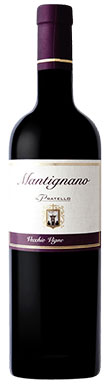

Il Pratello, a relatively obscure estate, makes one of Romagna's longest-lived wines around. The 2007 Mantignano, 100% Sangiovese from a vineyard on 500m asl, and...
2007
Il Pratello

Poggerino, Bugialla, Chianti, Classico Riserva, Tuscany, Italy, 2017
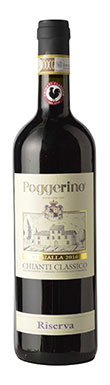
Piero Lanza's Poggerino is a hot bed of investigation in how various clones of Sangiovese react to the Radda terroir, and delivering fantastic fruit evidenced...
2017
PoggerinoChianti Classico
Val delle Corti, Chianti, Classico Riserva, Tuscany, Italy, 2016
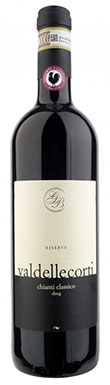
Roberto Bianchi, a former German language translator with no previous knowledge of winemaking, took over the small estate after his father's death in the 1999....
2016
Val delle CortiChianti Classico
Fattoria Zerbina, Le Monografie - Vigna Anfiteatro Marzeno

For years Cristiana Geminani, the Grande Dame of Romagna, has been instrumental in pushing the region to great heights. The first to reintroduce stake-trained bush...
2016
Fattoria ZerbinaSangiovese di Romagna
Il Marroneto, Madonna delle Grazie, Brunello di Montalcino, 2015
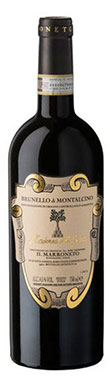
The warm, highly-rated 2015 vintage has produced an intense, structured and vibrant Madonna delle Grazie, with an elevated, balsamic nose, juicy acidity and youthful fruits....
2015
Il MarronetoBrunello di Montalcino
Biondi-Santi, Rosso di Montalcino, Tuscany, Italy, 2016
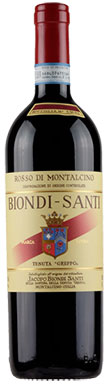
This 'primus inter pares' has seen some upheaval while changing into French hands a couple of years ago and might herald stylistic change not welcomed...
2016
Biondi-SantiRosso di Montalcino
Sesti, Phenomena, Brunello di Montalcino, Tuscany, 2013
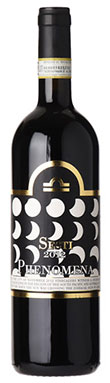
Giuseppe Sesti and his daughter Elisa have been making some of the best wines in Montalcino from their organically tended vineyards in the hamlet of...
2013
SestiBrunello di Montalcino
Il Borghetto, Il Bilaccio, Toscana, Tuscany, Italy, 2015

Time and again rejected by the Chianti Classico control system as 'untypical', Il Borghetto's Bilaccio is a Chianti Classico in anything but name. Its bold...
2015
Il BorghettoToscana
Tenuta di Carleone, Chianti Classico, Tuscany, Italy, 2017
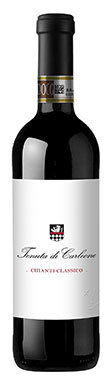
After having excelled for many years in making the wines at Riecine, Tenuta di Carleone is Sean O'Callaghan's new project, one that has started with...
2017
Tenuta di CarleoneChianti Classico
Castagnoli, Terrazze Riserva, Chianti Classico, 2017
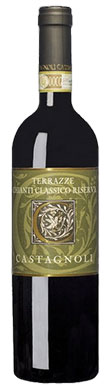
Castagnoli's 2017 Riserva is a painstaking selection including multiple passages to avoid harvesting any dried but unripe grapes. In some parcels, they picked bunches on...
2017
CastagnoliChianti Classico
Canalicchio di Sopra, Casaccia, Brunello di Montalcino, 2015
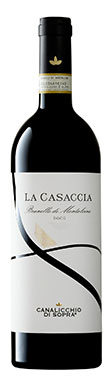
While single vineyard wines are gaining traction in Montalcino, only very few have convincingly shown to own land with cru material. This estate took its...
2015
Canalicchio di SopraBrunello di Montalcino
Baricci, Brunello di Montalcino, Tuscany, Italy, 2015
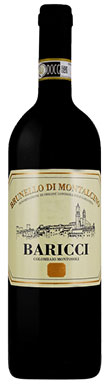
Baricci is a small, family-run estate with an enviable slice in Montosoli, Montalcino's undisputed cru, which convincingly shows its pedigree in this wine. Deep, sweet,...
2015
BaricciBrunello di Montalcino
Fattoria Nicolucci, Vigna del Generale, Romagna, Sangiovese
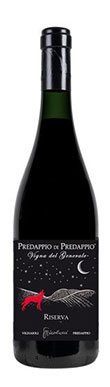
Alessandro Nicolucci is the fourth generation of a grape growing family who have always bottled their own production, with (very few) bottles from the 19th...
2016
Fattoria NicolucciRomagna
San Polino, Helichrysum, Brunello di Montalcino, 2015
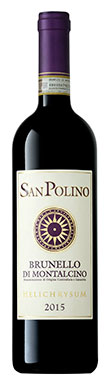
San Polino, run by Londoner Katia Nussbaum and Friulian Gigi Fabbro while adhering to strict biodynamic principles, is located in the higher, cooler parts of...
2015
San PolinoBrunello di Montalcino
Chiara Condello, Le Lucciole, Romagna, Sangiovese Predappio
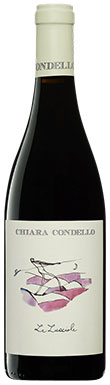
A rapidly rising star on the Romagna firmament, and just over 30 years old, Chiara Condello struck out on her own when she stumbled across...
2016
Chiara CondelloRomagna
Padelletti, Brunello di Montalcino, Tuscany 2015
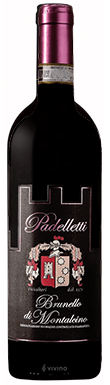
Relatively unknown estate but one that has been making wine in Montalcino at least since the 16th century. The approach in the vineyard is organic...
2015
PadellettiBrunello di Montalcino
Campinuovi, Sangiovese, Montecucco, Tuscany, Italy, 2015
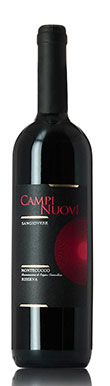
Husband and wife team Daniele Rosellini and Nadia Riguccini run Campinuovi in Montecucco 20km south of Montalcino. This still untouched and little known area is...
2015
CampinuoviMontecucco
Paolo & Lorenzo Marchionni, Rossovigliano, Toscana, 2018
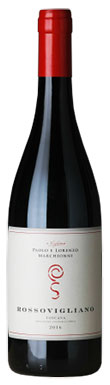
Brothers Paolo and Lorenzo run this tiny estate, which produces just 8,000 bottles of exceptionally characterful wines in the hills near Florence. They follow a...
2018
Paolo & Lorenzo MarchionniToscana
Maurizio Alongi, Vigna Barbischio, Chianti Classico
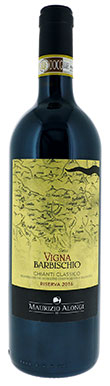
Complex and refined aromas, with dry straw and hay, vellum and calfskin bindings and delicate red orchard fruits; warm stones and dry moss, too. Vibrancy...
2016
Maurizio AlongiChianti Classico
Mutiliano, Ibbola, Sangiovese di Romagna, 2016

After having tasted Romagna Sangiovese for decades for Gambero Rosso, wine journalist Giorgio Melandri realised that the Modigliana terroir, high up in the hills bordering...
2016
MutilianoSangiovese di Romagna
Tiezzi, Vigna Soccorso, Brunello di Montalcino, 2015
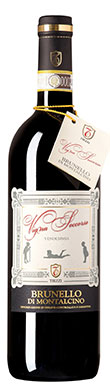
Shoe polish, brine, dark fruits, and chocolate. Elegant and gentle on the palate, soft and round tannins expression. Cherry jam and cardamom notes with fur...
2015
TiezziBrunello di Montalcino
Boscarelli, Costa Grande, Vino Nobile di Montepulciano, 2015
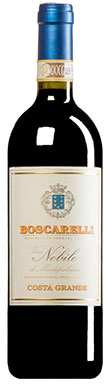
The De Ferrari Corradi family, who run the Boscarelli estate, are masters in moulding Sangiovese from the heavy clay soils here into elegant, ageworthy wines....
2015
BoscarelliVino Nobile di Montepulciano
La Casetta dei Frati, Framónte, Sangiovese di Romagna, 2018
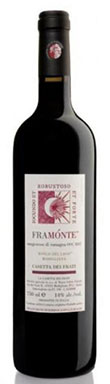
Renzo Maria Morresi, a lawyer, still finds time to run the family's property in Modigliana. From the beginning of the 1970s the estate vinifies and...
2018
La Casetta dei FratiSangiovese di Romagna
Montesecondo, Chianti Classico, Tuscany, Italy, 2018
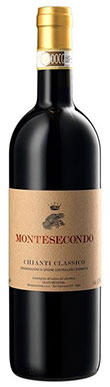
Still little known, San Casciano in Val di Pesa is rapidly becoming Chianti Classico's shooting star producing some of the most exciting wines in the...
2018
MontesecondoChianti Classico
La Torre alle Tolfe, Chianti, Colli Senesi, Tuscany, 2018
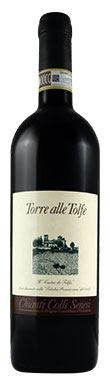
A relative newcomer just outside of Siena. Giacomo Mastretta, previous the mastermind behind La Porta di Vertine in Gaiole in Chianti, applies a strict organic...
2018
La Torre alle TolfeChianti
Tenuta Larnianone, Larniano, Chianti, Superiore, 2016
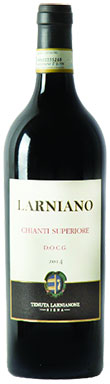
A family estate going back to the 1930s, but now led by young Lorenzo Morfini who radically changed its course and fast advancing to the...
2016
Tenuta LarnianoneChianti
La Vigna di San Martino ad Argiano, Chianti Classico, 2017

San Casciano is fast advancing as Chianti Classico's most promising area, with many hidden treasures – this is one of them. A new, small-scale outfit...
2017
La Vigna di San Martino ad ArgianoChianti Classico
Villa Papiano, I Probi di Papiano, Sangiovese di Romagna
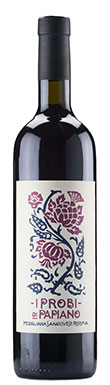
Together with Giorgio Melandri, oenologist Francesco Bordini is a key figure of the new wave Romagna Sangiovese wines from Modigliana. 'Probi' shows Bordini's skills as...
2016
Villa PapianoSangiovese di Romagna
Ilteatro, Violàno, Sangiovese di Romagna, 2017
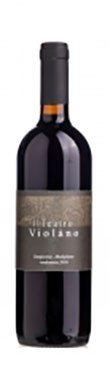
Ilteatro, a jewel-like estate and part of the New Wave Romagna Sangiovese, is run by husband and wife team Stefania Montanari and Luca Monduzzi, a...
2017
IlteatroSangiovese di Romagna
Luva, Il Carbonaro, Sangiovese di Romagna, 2018
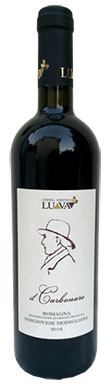
Luciano Leoni and Valerio Ciani run LU.VA., a small estate set up in 2000. Two small plots, one in Brisighella the other in Modiglianam deliver...
2018
LuvaSangiovese di Romagna
