
The new classification of DOQ Priorat
Pedro Ballesteros Torres MW compares the similarities between Priorat and Burgundy, from his masterclass at the Decanter Spain and Portugal Fine Wine Encounter...


For 800 years, Priorat was equivalent, in many aspects, to Burgundy. The land was managed by monks (‘priorat’ means ‘priory’) ensuring high quality wine. Then, the church properties were confiscated in the 18th century, the winemaking expertise was lost, and the region fell into oblivion for more than a century. Priorat became a poor area, with huge problems of depopulation.
In the early 1970s, the UN’s Food and Agriculture Organisation published a report, aimed at fostering economic development in the area, which concluded that Priorat had all the attributes of a top-quality wine region. Still, another 15 years had to pass by until a group of five friends, led by winemaker René Barbier, bought some land and grapes, planted vines and started producing modern style wines. The success was almost immediate.
Today, more than 500 growers and 109 wineries populate Priorat. The appellations enjoys an image of quality and identity. Indeed some of Priorat’s wines are among the most sought-afer in the world.
The classification
What’s more, Priorat is already moving ahead. Recently, the region became the first Spanish appellation with a comprehensive zoning approach, inspired by Burgundy. Five different categories of wine are organised in a pyramid, starting with generic wines, then moving up to vi de vila (village wines) and, from the 2017 vintage, vi de paratge (similar to a French cru), then vinya classificada (premier cru) and gran vinya classificada (grand cru).
On top of that, Priorat is also the world’s strictest appellation in what concerns the legal definition of old vines, or vinyas vellas, a term that is only applied to vines planted before 1945.
The Priorat classification is quite idiosyncratic. It is specific to well determined vineyards, because vineyard sites, vine age and yields are paramount to quality; terroir is the crucial factor for Priorat.
It is also visionary, taking into account the secular discontinuity in wine production and the fact that most producers have been active for less than 25 years. The classification, instead of fixing a picture of the past, as Bordeaux and Burgundy do, creates the conditions upon which new producers can aspire to become icons.
There are a total of 459 paratges (crus) in the appellation, determined by scientific criteria, but only a few producers have been able to produce wines recognised at the highest quality levels.
Indeed, only one wine, L’Ermita by Alvaro Palacios, has the gran vinya classificada status, and just four wines are vinya classificada. In the future, little by little, other producers will go up the quality ladder and join this noble bunch; they have the incentive to do it, and a clear idea of the conditions necessary to achieve promotion.
The tasting

The masterclass tasting held at the Decanter Spain & Portugal Fine Wine Encounter on 29 February was a premiere in several aspects. It was a first opportunity to taste wines that are, or will be, classified in all the new categories. It was also an opportunity to taste old vines wines with no geographical appellation, villages wines, paratges, vinya classificada and the only gran vinya classificada.
The tasting also demonstrated Priorat’s progression in recent years. The best producers now have the knowledge and self-confidence to explore delicacy and subtlety. Twenty years ago, a Priorat tasting would have been exhausting; those wines were powerful, concentrated, heavily oaked, tannic and very ripe.
Now, none of the wines tasted show signs of over-ripeness or excessive oak, or even too high alcohol. Balance and complexity is the mantra of the new top Priorat wines.
Spanish grapes Garnacha and Cariñena (also called Samsó) are the genetic material behind the magic of Priorat. International grape varieties, also authorised for generic wines, are now playing second fiddle, and most often absent, in top wines.
But most of all, this tasting was an occasion to enjoy some of the most inimitable wines in the world; to be seduced by the magic of a unique Mediterranean vineyard.
The wines
Mas Martinet, Camí Pesseroles, Priorat, Catalonia, Spain, 2017
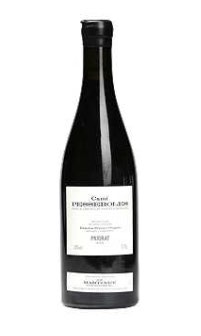

Probably the most delicate expression of the great complexity of Priorat terroirs. The vineyards are managed as an integral part of a complex ecosystem that...
2017
Mas MartinetPriorat

Alvaro Palacios, L'Ermita, Priorat, Catalonia, Spain, 2017
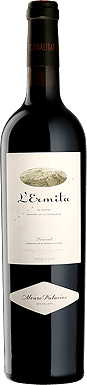
L'Ermita is the Romanée-Conti of Priorat. It is a very small (1.4 ha) vineyard planted between 1910 and 1939, practically pure Garnacha. The leading role...
2017
Alvaro PalaciosPriorat
Clos Mogador, Manyetes, Priorat, Catalonia, Spain, 2014
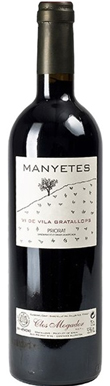
Coming from a unique paratge (single vineyard) in Gratallops, pure old-vine Carignan grown in extremely poor soil. Currently classified as vi de vila but will...
2014
Clos MogadorPriorat
Ferrer Bobet, Vinyes Velles Selección Especial, Priorat, Catalonia, Spain, 2016
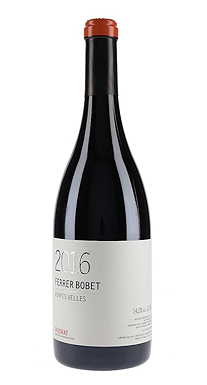
Made from centenarian vines in Porrera, planted on slate soils. Careful harvest and winemaking, with grain selection. Fermented in large oak vats, then aged in...
2016
Ferrer BobetPriorat
Torres, Mas de la Rosa, Priorat, Catalonia, Spain, 2016
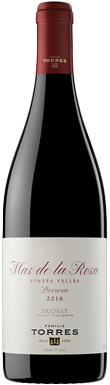
An impressive first vintage of this single-vineyard wine from Priorat, grown in a 2ha vineyard at 500m on licorella slate. It has an intense and...
2016
TorresPriorat
Vall Llach, Mas de la Rosa, Priorat, Catalonia, Spain, 2016
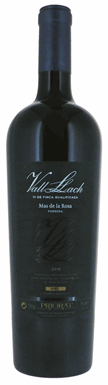
Founded in the early 1990s by Enric Costa and Lluís Llac, Celler Vall Lach is located on century-old estate vineyards, with 60 to 90 year...
2016
Vall LlachPriorat
Mas d'en Gil, Clos Fontà, Priorat, Catalonia, Spain, 2016
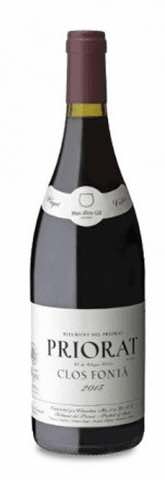
Very old vineyards in Bellmunt, with an amazingly low average yield of 10hl/ha. Aged both in barrel and large oak vats, then in bottle. This...
2016
Mas d'en GilPriorat
Scala Dei, Masdeu, Priorat, Catalonia, Spain, 2017
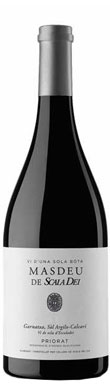
A Priorat wine that comes from clay and limestone soils, instead of classic licorella (slate). The wine is very different to its licorella cousins: brighter,...
2017
Scala DeiPriorat
Mas Doix, Doix, Priorat, Catalonia, Spain, 2000
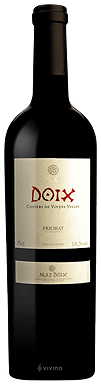
Liquid proof of Priorat's ageing capacity. Made in a different style from top Priorats of the present day, with a touch of Merlot to provide...
2000
Mas DoixPriorat
Costers del Priorat, Clos Cypres, Priorat, Catalonia, Spain, 2016
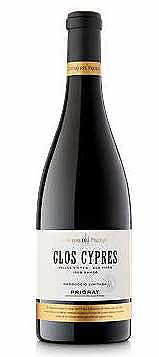
Well defined restrained aromas of Carignan. Leads with blueberry and acid lift, develops a textured grain of tannin. Nice.
2016
Costers del PrioratPriorat
