
Tokaji Aszú: Decanter vintage guide
Growing conditions need to combine in very specific ways to enable the liquid gold that is Hungary’s most famous wine to hit peak deliciousness. So take our expert advice to choose your year carefully and get the most out of this lauded sweet wine.


Tokaji Aszú is one of the most complex wines in the world and vintage really matters in this cool, volcanic, continental region on Hungary’s far northeastern edge. For most wines, one season is enough, if it goes well.
For Tokaji Aszú, three different seasons must come together. First, a good summer for ripe, healthy grapes, then a humid early autumn is vital for ‘noble rot’ to set in. After that, a sunny, breezy Indian summer is essential to desiccate the berries into aszú (Hungarian for shrivelled and noble-rotted berries).
Scroll down to see tasting notes and scores for 10 Tokaji Aszú wines worth seeking out
The ‘Jekyll & Hyde’ fungus botrytis cinerea has two extreme faces. It mostly causes devastating grey rot but very rarely, in certain locations, when conditions are just right, it becomes noble rot. Tokaj (the spelling for the region; Tokaji is the wine) is one of the few places where this happens reliably, and aszú berries have been documented since 1527. Climate, terroir, grape variety and vintage conditions all play a role in allowing botrytis to turn noble – grapes must be ripe, or the result will be destructive grey rot.
Botrytis degrades the skins, making them permeable so water can evaporate, and it changes the composition of the grape, with a dramatic increase in quantities of aromatic compounds, including typical Tokaji characters of apricot, peach, apple, caramel and honey. Glycerol increases significantly, which contributes to the silky, mouthfilling texture of Tokaji wines, a reaction favoured by low pH (a notable feature of Tokaji compared to Sauternes – Tokaji Aszú is typically around pH 3.1-3.3, Sauternes closer to pH 4.0).
Timing of noble rot infection also affects the quality of the aszú berries, and the best is from ripe to overripe grapes (helped by old vines and low yields). At lower ripeness, fungal mycelia appear on the skins, and this external botrytis can give zesty flavours and some bitterness, with wines that can be good but more rustic. On very ripe or overripe grapes, it develops internally, giving more citrus and apricot notes, and less bitterness, so finer, silkier wines.
Singular winemaking
Harvesting aszú berries one by one in several runs of picking is another important feature of Tokaji. Aszú berries are so shrivelled that they can’t be pressed for juice as for most sweet wines, so the region has developed unique winemaking. One by one picking means that maceration is essential – but it also gives complex, structured (more like a red wine than a typical white), long-lived wines, which are different to other botrytised wines. Every winemaker has their own idea about whether aszú berries are macerated in grape must, fermenting juice or young wine, depending on the quality and health of the berries.
The climate, volcanic soils and grape varieties also contribute to Tokaji’s distinctive character and vintage variation. President of the wine council of Tokaj and general manager at Patricius Péter Molnár says that ‘God was in a good mood when he created Tokaj’, for its geology and geography, perfectly suited for botrytis and shrivelling of the grapes.
The complex volcanic bedrock has undergone aeons of hydrothermal activity, too, and the Furmint grape (the principal variety used to make Tokaji) is particularly well suited – late-ripening and susceptible to noble rot, as well as keeping its hallmark vibrant acidity. The vintage also determines the overall quality, blend and style for base wines (which may be produced from any of six authorised varieties), as well as the variety of aszú berries.
Botrytis cinerea is not unique to Tokaj, but the way it infects the region’s grapes – coupled with the cool continental climate, complex volcanic soils and distinct winemaking methods – all come together to make something very special, but that varies with each season. It’s a wonder that winemakers keep putting themselves through this complicated and uncertain process – which is in the hands of the weather gods on so many levels. That is, until you taste the glorious wines.
Tokaji Aszú: Know your vintages
Tokaji Aszú is truly one of the glories of the wine world: use our expert guide to vintages below, to help you make a beeline for the best wines.
2017 vintage rating: 5 / 5
One of the best vintages of the past decade is now widely available, though wines are still incredibly young. They are already gloriously drinkable in a fruity, vibrant style but will gain complexity with time. This was an outstanding and generous aszú year, thanks to a mild spring and early bud break, cool April and May and then a summer of heatwaves interspersed with rainstorms. Lots of botrytis developed on very ripe grapes, giving creamy textured, luscious wines, with great elegance and finesse.
2016 vintage rating: 4 / 5
2016 also produced some lovely wines, though in a style that’s more classically Tokaji with its concentrated aszú and notably high acidity. A year for silky, vivid and very fine wines, similar in style to the legendary 1999 but with more botrytis influence. It was a variable, rather damp growing season, giving late-ripening fruit, then early botrytis – and lots of it due to autumn rains – and then very rapid concentration thanks to an Indian summer. Wonderful and still youthful wines.
2015 vintage rating: 1 / 5
This was the hottest and driest year to date in Tokaj and most producers didn’t make any aszú at all, but for the very few that did, I just love the results. It was all about specific plots, with the right soils, close enough to the river for a touch of humidity. For the tiny amount of aszú, there were two very different harvests as September to October was dry and just about shrivelling, but then October rains brought botrytis on incredibly ripe grapes, giving some gorgeously silky, impressive wines.
2013 vintage rating: 5 / 5
Another magical vintage with truly glorious wines, vying with 2017 to be the best aszú vintage of the decade. It was a late spring with a rainy, early summer but then a heatwave until September, so the fruit ripened perfectly. September became colder and rainier so intense botrytis developed, then a dry spell delivered superb drying conditions for beautiful aszú berries which produced fine, rich and aromatic wines that will go on for decades.
2011 vintage rating: 2 / 5
This was a tricky vintage with very few aszú wines, but I’ve tasted some rather lovely examples recently that are at a beautiful meeting point of freshness and development. Even in such unregarded years, aszú can be fantastic and, as in 2015, down to micro-location. It was hot and dry, but there was still soil moisture after the soggy washout of 2010. A dribble of rain fell in August, then it was unusually dry until October. The result was tiny quantities of very late aszú, strongly influenced by shrivelling, with very clean, pure flavours giving elegant, charming wines.
2007 vintage rating: 5 / 5
Some beautifully complex wines are showing how well modern Tokaji can mature, adding overtones of spice and tobacco to the lusciously fruity palate, with generous dried apricot, peach and mango notes. Fifteen years on, the wines are still sleek and velvety with supple freshness. 2007 saw early flowering and a hot summer with rain in September and plenty of fog, so botrytis arrived on overripe grapes, giving incredible intensity of noble rot, and great aszú, though there was also a risk of vinegar flies so meticulous selection was vital.
2006 vintage rating: 4 / 5
Another year I love but very different in style with perfectly balanced, super-clean, precise wines. It was a long, cold winter and a late start to the season, but the summer was warm and dry. A tiny splash of rain in early September and cool autumn evenings kept the acidity high, and the late, slow botrytis allowed a perfect sugar-to-acid ratio and whistle-clean aszú. Drinking beautifully now.
2003 vintage rating: 5 / 5
I also have a soft spot for this, at the time, unusually warm year. The harvest was incredibly long, lasting from August to mid-November, and the wines ended up being very complex while retaining high acids. Early pickings were mostly about shrivelling, then October rain encouraged botrytis, resulting in complex yet velvety textured berries. The wines are maturing and showing lovely layered depth, with coffee, toffee, dates and orange zest overtones, but also fresh and vibrant.
2002 vintage rating: 4 / 5
A little overshadowed by the vintage that followed, but I’ve recently tasted some simply incredible wines of amazing precision that can still hold for several years yet. It was an early year and a warm summer, but with enough rainfall in early September to bring morning fogs, so fine botrytis infected ripe grapes, then a dry Indian summer was perfect for desiccation. The best wines are still in great shape – refined, graceful, with great concentration and vivid acid balance.
1999 vintage rating: 5 / 5
An amazing, admirable vintage – for many, one of the greatest ever. It has superb balance of sweetness with lingering spinetingling acidity and fantastic longevity. I rarely get to taste it nowadays, though it’s always exciting to see just how incredibly well modern-era aszú can age. And it speaks of how great the Tokaji terroir is, made at a time when understanding of winemaking complexities was less sophisticated and the relearning of specific vineyard locations was still in its infancy. Try it if you can.
Tokaji Aszú years to avoid
2010 and 2020 were largely washouts – both very rainy years, which allowed botrytis development but a lot of grey rot, and too humid for berries to dry out, though with occasional nice wines from well-drained loess soils. 2014 was similar, but some appealing wines were made where meticulous selection was applied.
For the future
Sneak previews from the barrel suggest great vintages to come. 2019 looks to have great structure, complexity and firm acidity. 2021 may be the best aszú year ever, according to some leading producers. 2022 is more of a mixed picture, with lots of botrytis. Some wineries report lovely balance in their aszú, while for others autumn was too humid to dry the berries, rating it instead a year for rich, sweet szamorodni (derived from a Polish word meaning ‘as it comes’, these are styles made using whole bunches, with a mix of botrytis-affected grapes and healthy berries).
Sweet success: Caroline Gilby MW’s pick of wines from top Tokaji vintages
Related articles
- Sauternes – shaken or stirred?
- Best Sauternes and Barsac 2022 wines tasted en primeur
- The sommelier suggests… Furmint by Klearhos Kanellakis
Barta, Öreg Király Dűlő, Tokaji Aszu 6 Puttonyos, Tokaj, Hungary, 2016
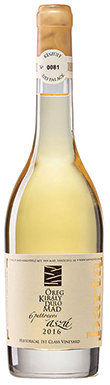

Mid-golden and crystal bright with inviting aromas of acacia flower, cut pear, orange blossom and lemon zest. It’s a truly glorious wine, with hints of...
2016
BartaTokaji Aszu 6 Puttonyos

Disznókő, Kapi Vineyard, Tokaji Aszu 6 Puttonyos, Tokaj, Hungary, 2015
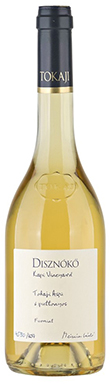
Only made in selected years when this plot shows its distinctive character. 2015 was not a widespread aszú year, but this wine is elegant and...
2015
DisznókőTokaji Aszu 6 Puttonyos
Szepsy, Tokaji Aszu 6 Puttonyos, Tokaj, Hungary, 2013
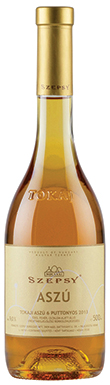
A glorious wine from a superb vintage and a legendary producer. It’s inviting, complex and elegant all at once with spine-tingling freshness to balance the...
2013
SzepsyTokaji Aszu 6 Puttonyos
Disznókő, Tokaji Aszu 6 Puttonyos, Tokaj, Hungary, 2002
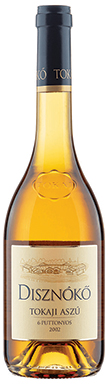
A limpid orange wine. There’s a complex inviting bouquet of dried apricot, chestnut honey, bitter orange and mango. To taste, it’s just gorgeously rich and...
2002
DisznókőTokaji Aszu 6 Puttonyos
Royal Tokaji, Nyulászó, Tokaji Aszu 6 Puttonyos, Tokaj, Hungary, 2017
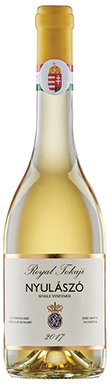
Still a real baby wine showing aromas of spiced pear, quince and a subtle touch of vanilla. To taste it’s all about peaches and cream,...
2017
Royal TokajiTokaji Aszu 6 Puttonyos
Füleky, Tokaji Aszu 6 Puttonyos, Tokaj, Hungary, 2007
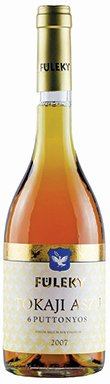
Mid-orange-gold to look at, with a surprisingly youthful bouquet, hints of mango, ripe peach, apricot and barley sugar, and a touch of Earl Grey tea....
2007
FülekyTokaji Aszu 6 Puttonyos
Sauska, Tokaji Aszu 6 Puttonyos, Tokaj, Hungary, 2003
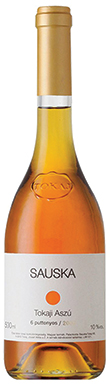
A glowing, deep amber wine, with amazing complexity of dried fig, dates, caramel and raisins on the nose. To taste, it’s like liquid Christmas pudding,...
2003
SauskaTokaji Aszu 6 Puttonyos
Lenkey, Tokaji Aszu 6 Puttonyos, Tokaj, Hungary, 1999
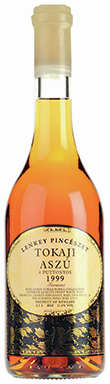
A wonderfully complex amber-orange wine from one of the best vintages in the modern Tokaji era. Sultana, dried apricot and bonfire toffee nose, with hints...
1999
LenkeyTokaji Aszu 6 Puttonyos
Dobogó, Tokaji Aszu 6 Puttonyos, Tokaj, Hungary, 2011
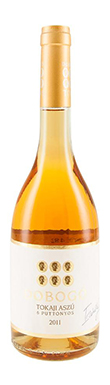
A glowing amber-orange wine from a tiny family winery. Enticing hints of sultana, apricot, candied orange, mango and a subtle touch of walnut. It’s silky,...
2011
DobogóTokaji Aszu 6 Puttonyos
Pajzos, Tokaji Aszu 5 Puttonyos, Tokaj, Hungary, 2006
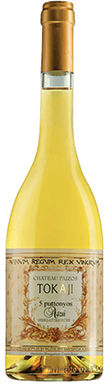
A beautifully balanced example of the 5 puttonyos style that’s drinking so well now and showing the classic sweet-fresh balance of the region and the...
2006
PajzosTokaji Aszu 5 Puttonyos
