
Top Valpolicella Superiore: Panel tasting results
Valpolicella Superiore is something of an enigma, often cast in shadow by the more popular Amarone, but it pays to learn producers' house styles. See which of the 84 wines tasted by our three-strong panel of experts came out on top...


84 wines tasted with one rated Exceptional and five Outstanding
The panel tasters were: Andrea Briccarello, Michael Garner, Andrew Jefford
Introduction by Michael Garner
Though including some of Verona’s very finest red wines, the category is completely overshadowed in terms of popularity by Amarone (and more recently Ripasso) and remains something of an enigma.
Whereas we know exactly what to expect from ‘simple’ Valpolicella, we can have little idea – unless we’re already familiar with a producer’s particular house style – of what we’re getting with a bottle of Superiore, as there are so many individual stylistic interpretations. How typically and confusingly Italian!
Yet Superiore’s open-ended production discipline has a real upside: the winemaker can let his or her imagination take over and produce the best possible wine, unconstrained by restrictive guidelines.
Quick link: View all 84 wines from this panel tasting
In practical terms this means the use of either freshly gathered grapes – often with a little sovramaturazione (surmaturité) on the vine for good measure – or those which have undergone a shortened period of appassimento, as the process of drying grapes for Amarone or Recioto is known. Many examples combine both approaches, using fruit from a carefully selected, favourite vineyard.
Wide-ranging tastes
The broader debate, which is sparked mainly by climate change, is a fascinating one: a growing number of producers believe the clearest statement of terroir to be a wine made from freshly gathered fruit, where the wine’s distinguishing characteristics are defined by growing conditions and not the production process – meaning appassimento or ripasso (young Valpolicella re-fermented on the lees of wine made from appassimento grapes).
Other producers argue that the true identity of Veronese reds depends on the use of semi-dried fruit – the legendary Bepi Quintarelli, for example, was a great advocate of the relevance of appassimento across all styles.
The other main variables with Superiore are the use of wood and levels of alcohol and residual sugar. Many examples spend at least a year in barrel, though the ageing period can also take place in tank, bottle or even amphora.
While the minimum alcohol content is 12%, examples at between 14.5%-16.5% are not uncommon. Sugar levels range from completely dry to about 8g/l.
This adds up to a plethora of styles, spanning the lighter, graceful and charming yet still ageworthy wines from freshly gathered fruit, through to convincing versions of mini-Amarone made wholly from semi-dried grapes. And all points in between! There’s something for everyone – one among many reasons why Superiore is arguably the future of Valpolicella.
The scores
84 wines tasted
Entry criteria: Producers and UK agents were invited to submit their latest-release Valpolicella Superiore, Valpantena Superiore and Classico Superiore wines. Ripasso-method (but not Ripasso DOC) wines were permitted.
Exceptional 1
Outstanding 5
Highly Recommended 31
Recommended 41
Commended 3
Fair 1
Poor 0
Faulty 2
See all 84 wines from the panel tasting
The results
The Superiore category is a minefield, agreed our tasters, spanning myriad styles, but there are many delicious wines waiting to be discovered. Amy Wislocki reports on the post-tasting dicusssion.
‘We had the complete style spectrum here today,’ commented Andrew Jefford after the tasting, ‘from fresh, graceful, athletic, ethereal and fruity wines to the most thunderously deep wines you can imagine.
‘The colours go from pale and translucent, where you can see the afternoon sun shining through them, to some where you can shine a torch into them and you wouldn’t see the other side. It’s really tough for consumers; there’s no magic bullet, no quick fix. But that’s also the pleasure and delight of the region.’
The chief stylistic difference concerns the use, or not, of passito (semi-dried) grapes.
‘There was a good proportion with passito grapes – it’s a good working style,’ said Garner. ‘We need to remember that these wines show very well in tastings. I’d argue that there were a number of really good wines made from freshly picked grapes that didn’t make the grade because they were more subtle and understated. The mini-Amarone style is immediately attractive and recognisable and tends to overshadow the subtle styles of Valpolicella.’
The pitfall for the wine lover is that you won’t know from the label whether a wine is made from freshly picked or passito grapes. ‘Most of the fault lies with the Superiore denomination, which has no clear indication of style built into it’ said Garner. ‘It means that consumers need to know the individual approach of every single winery. The upside is that there’s a lot of experimentation going on, and we are at a stage where growers are flexing their muscles and discovering just what they can do with these grape varieties – and with Corvina in particular.’
Andrea Briccarello agreed that it is confusing, but celebrated the category as a whole, and observed some welcome stylistic shifts. ‘It was an outstanding tasting, and the overall quality of Superiore stood out. Valpolicella is becoming far better known as it’s easier on the palate than Amarone and Ripasso – and it’s great value for money.
‘I’m also noticing less residual sugar, less of the sweet plum character, and generally a leaner, more serious style. There were many wines with real vibrancy and freshness of juicy sour cherry. It could also be down to the character of the vintages on show.’
Both Garner and Briccarello were pleasantly surprised by the quality of wines from the difficult 2014 vintage, though Garner was disappointed by 2015. ‘I had higher expectations of that vintage, and I think perhaps it is at a difficult stage in its development.’ He added that 2012 showed very well for a vintage that is not highly rated, and professed himself a huge fan of the ‘cooler, more aromatic’ 2013s.
The tasters were also very complimentary about the wines from the eastern part of the region. ‘The biggest surprise of the tasting for me was how well these wines performed,’ said Garner,’ as most people take the view that the best wines are from the Classico area.’
‘There’s a sense that Classico wines are made in a more classic style aesthetic, while outside that area all bets are off, and producers just make the best wine they can,’ observed Jefford, who expressed sadness that the classical, vivacious and translucent style could struggle to get to market, particularly in the US, as everything else was so sensational. ‘I don’t think it’s in danger of extinction, but I can see a time when producers are not adequately renumerated for that style. ’
Our tasters each pick their top 3 wines from the tasting:
Andrea Briccarello
Briccarello is the UK brand ambassador for Bisol. He previously worked as wine buyer for Galvin restaurants and was buyer and group sommelier at Corrigan’s Mayfair, Bentley’s Oyster Bar & Grill, and Lindsay House. In 2009 Briccarello was named Sommelier of the Year by Taste of London, and he was the winner of the Wines of Roussillon Dessert Trophy in 2010.
Romano Dal Forno, Valpolicella Superiore 2011
One of the most iconic wineries in Valpolicella – Dal Forno’s drive for perfection really stands out. Incredibly intense with plenty of dark forest fruits and spices. Outstanding wine with incredible ageing potential. 98 Drink 2020-2030
Corte Canella, Valpolicella Superiore 2014
Made from 50- to 60-year-old vines in the alluvial and stony soil of Cellore, this Superiore really shone in the tasting, with its combination of concentration and elegance. The drying process adds great intensity. 95 Drink 2019-2023
Tommasi, Rafaèl, Valpolicella Classico Superiore 2015
The Tommasi family has been producing wines since 1902. Rafaèl comes from an historic single vineyard and is aged for 15 months in Slavonian oak. Vibrant cherry notes and spice. Stunning. 95 Drink 2019-2023
Michael Garner
Garner has worked in the wine business for more than 30 years and has specialised in Italian wine for more than 25 years. He is a regular contributor to Decanter, and DWWA Regional co-Chair for Italy. He is author of Amarone and the Fine Wines of Verona and co-author of Barolo: Tar and Roses. Garner lives in rural Devon with his family and two large Briard dogs.
Romano Dal Forno, Valpolicella Superiore 2011
Dal Forno’s wines always stand out, initially for their sheer power but with bottle age they open out, revealing sumptuous poise and harmony. Fabulous. 98 Drink 2020-2030
Terre di Leone, Valpolicella Classico Superiore 2014
Chiara Turati and Federico Pellizzari farm vineyards high in the Marano Valley. Their dedication shines through in this stunning example from a notoriously difficult vintage. 95 Drink 2019-2024
Villa Spinosa, Figari, Classico Superiore 2015
This elegant, supple and slightly austere example is made with great conviction and exudes the effortless charm which epitomises the finest Valpolicella. 95 Drink 2019-2023
Andrew Jefford
Jefford contributes a monthly column to Decanter and writes ‘Jefford on Monday’ for Decanter.com. He has been writing and broadcasting about wine since the 1980s, winning many awards for his work. After spending 15 months as a senior research fellow at Adelaide University in 2009-2010, Jefford now lives with his family in the Languedoc, close to Pic St Loup.
Romano Dal Forno, Valpolicella Superiore 2011
Was a more impressive table wine than this made anywhere in the world in 2011? I doubt it. Impeccable in almost every detail. 98 Drink 2020-2030
Ernesto Ruffo, Campogadis, Valpolicella Superiore 2013
A commanding wine, though one I have never tried before. Outstanding raw materials grown on one of the region’s volcanic-soiled vineyards: sensational aromas, textures and exotic flavours. 97 Drink 2020-2026
Tedeschi, Maternigo, Valpolicella Superiore 2014
This fine single vineyard wine (from the steeply sloping Impervio site) made me wish I’d been able to visit Tedeschi on my last visit to the region. Magnificent fruit qualities set in a lustrous frame. 96 Drink 2019-2022
Valpolicella Superiore: the facts
Production area Valpolicella Classico, Valpolicella Valpantena and Valpolicella Orientale
Area under vine Almost 8,000ha: hillside sites have mainly limestone-based soils; the sedimentary soils of the plains line the northern bank of the Adige
Grapes Corvina (mainly), Corvinone and Rondinella plus a maximum 25% of other permitted varieties
Regulations Minimum 12% alcohol; minimum one year of ageing from 1 January following the vintage; maximum yields of 12 tonnes/ha
Valpolicella Superiore: know your vintages
2017 Promising, though quantities were down due to hail in some areas. Too early for a full evaluation of stylistic traits
2016 Warm year, giving well-balanced, deeply coloured, aromatic wines with good ageing potential
2015 Successful. Excellent growing conditions resulted in big, ripe, full wines which still need time
2014 Notoriously difficult, cool, wet. Some worthwhile wines were produced with severe fruit selection. Drinking well now
2013 Patchy, though the best wines are elegant and well-balanced, approaching their peak now
2012 A warm vintage: big, robust wines which have held up surprisingly well and continue to develop
Top rated wines from the panel tasting:
Related content:
What is Amarone wine? – ask Decanter
La Poja vertical: The rebel of Valpolicella
Amarone della Valpolicella – panel tasting results
Romano Dal Forno, Monte Lodoletta, Valpolicella, Superiore, Veneto, Italy, 2011
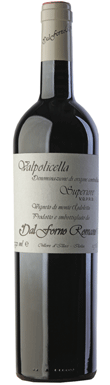
96
This wine is a blend of 70 per cent Corvina with 20 per cent Rondinella and just 5 per cent each of Croatina and Oseleta. It’s deep black-red in colour, and is dark and forceful, sombre yet voluptuous in aroma: a harmonious weave of black chocolate, sloe and elderberry, with the years in oak bringing a cedary refinement. On the palate, it’s a vault of a wine: deep, dark and roomy, packed with earthy refinements and black-fruited echoes, both severe yet soft and enticing too. The tannins are ample yet fine-grained, the acidity delicate and sustaining. I wrote about the ‘crocodilian’ character of grand Veneto dried-fruit reds wine back in April, but the teeth are polished ivory here. This is horizon-altering ‘Valpolicella’ which would perform outstandingly in any Amarone tasting.
2011
Romano Dal FornoValpolicella
Ernesto Ruffo, Campogadis, Valpolicella, Superiore, Veneto, Italy, 2013
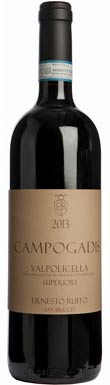
96
Campogadis is one of just four wines that are produced at Ernesto Ruffo’s winery, in the Superiore zone of Valpolicella. The others are an Amarone della Valpolicella and two Veronese Rosso wines; one sweet, one dry. Located on the hills of San Briccio, the unique microclimate and volcanic soils contribute greatly to the character of wine from this small family estate, which is run by Ruffo, who has been making wines here for decades. Campogadis is a blend of Corvina, Corvinone and Rondinella grapes and is aged in French oak barriques. Andrea Briccarello: Spicy first impression, with plenty of dark fruits at the back. Rich, oaky notes with plenty of vanilla and cinnamon, followed by cola notes on the back palate. Wonderful. Michael Garner: This is edgy, with strong, creamy vanillin notes over dark fruit aromas. Big, full and juicy in the mouth, with plump, luscious dark fruit flavours. It finishes finely balanced and aromatic. A keeper for a few more years yet. Andrew Jefford: Dense, rich, close-textured and suggestive. There is oak here but it's well integrated, rendered creamy by the mass of fruit. It has a sumptuously composed aromatic profile, though evidently in the richer style with appassimento fruit. On the palate this is a deep, profound, searching wine with magnificent tannic structure, powerfully sustained fruit flavours, and the innate exoticism which can come from passito grapes grown here. A masterclass in a glass.
2013
Ernesto RuffoValpolicella
Cà dei Maghi, Valpolicella, Classico Superiore, Veneto, Italy, 2012
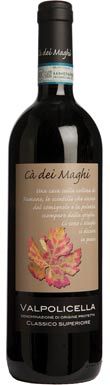
95
Tracing its history back to the 1800s, this small farm in the hills of Valpolicella, in Fumane commune, was founded by Fasoli Fedrigo. The Cà dei Maghi estate is modest in size, with 4.5ha of vineyards, growing Corvinone, Corvina, Rondinella and Molinara. Today the winery is run by Paolo Creazzi, who looks for diversity in the grapes he grows, and in the styles of wine he makes, paying close attention to every detail. This Classico Superiore is aged in large traditional casks for four years. Andrea Briccarello: Cherry stone and dry plum notes rise from the glass. It's earthy and leathery, with plenty of cigar box notes, yet great freshness and vibrancy. A cracker. Michael Garner: Broad and ripe, with good breadth and freshness, and lifted aromatics of cedar and spice. It's juicy and full in the mouth, with attractively perfumed fruit flavours leading into a fresh finish of dark fruit compote and charred spice. Charming and graceful stuff. Andrew Jefford: Still fresh and fruity after all these years, with some spiced richness, too. A brightly-fruited and well-preserved wine which is fresh, deft, concentrated, elegant and detailed. Delicious.
2012
Cà dei MaghiValpolicella
Corte Canella, Valpolicella, Superiore, Veneto, Italy, 2014
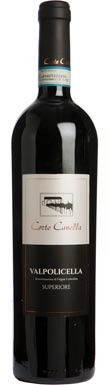
95
Corte Canella was only founded in 2009, but the combination of 50-60 year old vines and modern winery equipment has allowed them to realise their commitment to making high quality, characterful wines. Located in Cellore village, just north of Verona, they produce Valpolicella, Amarone and Soave from grapes grown on alluvial soils. This Valpolicella Superiore is a blend of Corvinone, Corvina and Rondinella grapes which undergo a drying process of 40-50 days before fermentation. The wine is aged in oak barrels for between 18 and 24 months and then rested in bottle for a further six months before release. Andrea Briccarello: A very smoky, intense and powerful nose. On the palate, hints of vanilla and cinnamon combine with ripe, jammy notes. Great structure and balance. Michael Garner: Scented dried fruit aromas are bolstered by cherry, liquorice and hints of clove and sandalwood. Lively acid underpins the full, dark fruit - appassimento aided - before the finely balanced finish. Andrew Jefford: Impressive complexity on the nose: blueberry and blackberry fruits with a creamy fullness from the oak. It's beguiling, suggestive and exotic on the palate too, displaying supple, sweet-edged fruits and an exciting panoply of spiced citrus, incense smoke, fresh and dried black cherry, bramble, loganberry and a savoury, almost bloody note. Wonderfully perfumed.
2014
Corte CanellaValpolicella
Terre di Leone, Valpolicella, Classico Superiore, Veneto, Italy, 2014
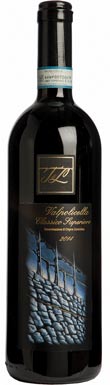
95
Terre di Leone is named after Leone, grandfather of owner Federico, who along with his wife, Chiara, produce wines from their modern 10ha estate in the village of Marano di Valpolicella. The vines are grown on volcanic soils at an altitude of 300-400m, surrounded by traditional dry-stone wall terracing. Although the pair believe that wines are made in the vineyard, they utilise modern technology and gentle gravity fed systems in the winery to get the most from their grapes. For this wine, the grapes are dried for 100 days, before being fermented in stainless steel and matured for around 16 months in French oak tonneaux and 25hl barrels, followed by a further six months in bottle. Andrea Briccarello: A clean, smoky and savoury nose with earthy notes shining through. On the palate the wine has plenty of intense red forest fruits and some jammy notes with hints of spice and raisin. Michael Garner: Broad, ripe and leafy, with cool, dark fruit aromas of impressive lift and development. This is juicy and fleshy, with lightly tart but full fruit flavours and aromatic touches of cedar, clove and Victoria plum. Sculpted and fine, this is a herculean effort. Andrew Jefford: Attractive lifted cherry scents in a creamy, sweet style, with some tea-leaf freshness behind. The palate, too, is graceful and elegant, very fine and perfumed, with mouth-coating fruits and ample tannic support, without being fierce or burnt in style. It's poised and pristine, a full-flavoured example of this style in the 2014 vintage. Excellent work.
2014
Terre di LeoneValpolicella
Ugolini, San Michele, Valpolicella, Classico Superiore, Veneto, Italy, 2014
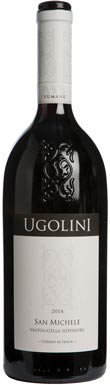
95
This 22ha estate, nestled amongst olive trees in the valley of the Fumane commune, has adopted a single-site approach to winemaking in order to emphasise terroir. This Valpolicella Classico Superiore wine uses Corvina ,Corvinone, Rondinella and Oseleta grown on the Colle San Michele hillsides in Bure Alto, at an altitude of 200m. Here, the soil is a mix of calcareous marlstone and rocky fragments. The grapes are dried for 30-40 days, and the traditional drawing-off technique is used to reduce the amount of liquid in the must to enhance structure and aroma. It is fermented in stainless steel, then matured for 20 months in small French oak casks before spending a further eight months in bottle. Andrea Briccarello: Amazingly vibrant and lively, with plenty of sour cherry and blackberry notes. It's earthy and complex, showing buckets of fresh blueberry acidity and cocoa powder. Michael Garner: Packed with sour cherry flavours, with tinges of spice, herbs, grass, oak and an intriguing stalky note. It has fine balance and length, with an aromatic, peppery finale. Top drawer. Andrew Jefford: No messing with appassimento here! There's plenty of fresh, fragrant, lifted charm, and great harmony too. You can sense that the little bit of extra age has brought a refinement to the fruits. On the palate it is fine, deft, elegant and graceful. A vivaciously fruity Italian riposte to a Côte de Beaune red. Spot on for the classical style.
2014
UgoliniValpolicella
Meroni, Il Velluto di Sant' Ambrogio, Valpolicella, Classico Superiore, Veneto, Italy, 2011
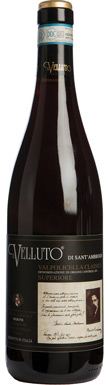

Mature, ripe, jammy aromas with a hint of burnt saffron. On the palate this is sweet, rounded and warm, with tones of tobacco, cranberry, herbs...
2011
MeroniValpolicella

San Cassiano, Le Alène, Valpolicella, Superiore, Veneto, Italy, 2012
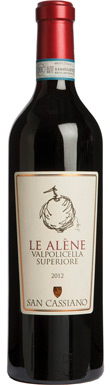
A wonderfully complex nose of aromatic herbs, coffee, cherry, smoke, earth, spice and meat. On the palate the oak influence brings spice, but not at...
2012
San CassianoValpolicella
Tedeschi, Maternigo, Valpolicella, Superiore, Veneto, Italy, 2014
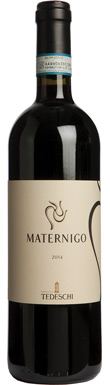
Earthy, spicy and vividly fruity too; a fine aromatic combination of the classical ideal and something denser, richer and more contemporary, with plenty of lift...
2014
TedeschiValpolicella
Tommasi, Rafaèl, Valpolicella, Classico Superiore, Veneto, Italy, 2015
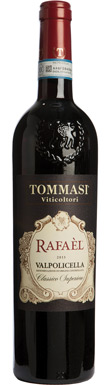
Wonderfully vibrant, showcasing plump forest fruits on the nose. It's broad, long, pungent and pithy in the mouth, with moreish fruit finely balanced by the...
2015
TommasiValpolicella
