Uruguay’s coastal whites plus 10 top wines to try
Over the past two decades, white wine has been gaining ground in this red-dominated country, as inventive winemakers explore different terroirs – and varieties – to great (and delicious) effect.


That Uruguay became famous for its brooding, dark black Tannat wines is perhaps surprising. With an Atlantic coastal climate and endless, golden sandy beaches, you would have thought that Uruguay was bound to be white wine territory.
In a country where cows outnumber people three to one, and beef is a staple at almost every meal, it was perhaps a cultural steering that led wineries to make Tannat their champion variety. It certainly pairs well with the local asado (barbecue), and the thick skins have proved an asset in the country’s often rainy climate. Tannat’s naturally stable nature, with high acid and feisty tannins, probably also helped it become the most desirable variety on which to lean.
Scroll down to see tasting notes and scores for 10 coastal whites from Uruguay worth seeking out
Tannat dominates Uruguay’s plantings – accounting for more than a quarter of vineyards today – and it’s unlikely to be knocked off its throne any time soon. However, there is a rising tide of fresh coastal white wines that are changing the landscape of Uruguayan wine and enticing winemakers and wine drinkers alike.
White wine revival
The artisanal nature and boutique size of many of its wine producers is one of Uruguay’s calling cards. They produce very individual wines throughout the wine regions. It’s a virtue in terms of diversity, but it also means that these wineries, with their smaller size and smaller budgets, have been slower to modernise and accrue the technology required for modern white winemaking.
So, in the mid-1990s, the National Viticulture Institute offered a scheme to help revive Uruguay’s white wines. ‘When I arrived in 1996, it was on a mission to revamp their Sauvignon Blanc,’ explains Duncan Killiner, a flying winemaker from New Zealand who consulted to a dozen wineries in Canelones. ‘We needed a bit of an update in the cellar with more temperature control, but the raw material was there. The climate is coastal and Canelones has rolling hillsides and heavy soils, just like Entre-deux-Mers in Bordeaux – you can make great Sauvignon Blanc here.’
By the early 2000s, the new white wines, focused on Sauvignon Blanc, were beginning to make waves abroad – gaining contracts with some major UK supermarkets. Since then, Uruguay’s white wines have been on an upward trajectory. Not only have winemakers had the tools to make fresh white wines, but they’ve also been seeking new terroirs and varieties to explore Uruguay’s lighter side.
Perfect fit
Albariño is quickly rising up to become one of Uruguay’s most loved varieties. It was the Bouza family who first planted this variety here, in Montevideo in 2001, as a nod to its Galician heritage. It took only a small first vintage in 2004 to show the incredible potential of Albariño in Uruguay. The wines showed an affinity with the Albariño wines of Rías Baixas, northwest Spain, thriving in Uruguay’s rainy maritime climate, with a peachy voluptuousness underpinned by tangy salinity and coastal freshness. Bouza’s Albariño was a sensation.

Not only was the family encouraged to plant more, but so was its agronomist at the time, Eduardo Felix. When he was approached by Argentine billionaire Alejandro Bulgheroni to plant his landmark vineyard in Maldonado further east, Felix wanted to ensure that Albariño was part of that plan: ‘Maldonado was a virgin territory, but with these ancient granite soils, and since we have this very windy coastal climate, it felt like the perfect fit. So I planted plenty of it!’
Uruguay’s Albariño plantings leapt overnight. Today, Bulgheroni’s winery, Bodega Garzón, boasts some 40ha of Albariño on its impressive 255ha estate. The combination of ideal terroir, a savvy sales team and sophisticated winemaking, under the guidance of consultant winemaker Alberto Antonini, thrust Garzón’s Albariño onto the world stage and garnered Uruguay some of its most impressive accolades to date.
Between the exemplary wines of Bouza and Garzón, other winemakers decided to take their chances on Albariño, too, and the variety now claims more than 70ha overall – just edging into the country’s top 10 varieties. And I have no doubt we will see more Uruguayan Albariño in the future. Not only does it have a great affinity with Uruguay’s coastal climate, but it’s actually a variety that can reflect very nicely the scope of interpretations by the winemaker.
Bouza led the way with a more voluptuous and full-bodied style, then Garzón came onto the scene with a svelte, mineral style. But Albariño newcomers including Bodegones del Sur, Casa Grande, Cerro del Toro, Don Pascual, Familia Deicas, Marichal and Michelini i Mufatto from Argentina are also throwing their hats into the ring with wines that range from fresh, fruit-forward summer sippers to more complex, ageworthy white blends. There’s a healthy diversity of Albariño wines today, and one winery, Bodega Oceánica, is pushing the coastal wine style even further – by cellaring its Albariño 15m deep in the Atlantic ocean.
Strength in diversity
As well as having a wide range of styles as its strong suit, Uruguay is also home to a great number of grape varieties. The diverse pool of immigrant families that settled in Uruguay in the 19th and 20th centuries all brought their own vines with them from their homelands.
From the southern French varieties of Petit Manseng and Marsanne, to Italian Arneis and Pinot Grigio, the range of varieties found here is increasing all the time. There has also been a reimagining of the traditional white wines of Uruguay – namely Ugni Blanc (the fourth most planted variety) and making white wines from Black Muscat (the second most planted).

‘I believe we can really do something new with these varieties, which are part of our identity and history,’ explains Fabiana Bracco of Bracco Bosca, who started making fine wines from both varieties, sourced from her family’s old vines in Atlántida. ‘When you drop the yield you can see some really nice qualities coming through.’
Bracco was one of the first to bottle these undervalued varieties as a fine wine in 2017. But Proyecto Nakkal has also followed suit, with its Nakcool Blanco blend and pét-nat proving very exciting additions to Uruguay’s wine scene.
Santiago Deicas is another winemaker working with older varieties, making orange wine from Gros Manseng and Petit Manseng. His family has long been a champion of top-quality white wine, too, and hired consultant winemaker Paul Hobbs to help create its Preludio white blend, which was first released in 2004.
More recently, Deicas has also been on a hunt to find new terroirs for white wine. ‘We found a unique sector of soil in Maldonado, which wasn’t granite like most of that region, but had a thick calcareous subsoil with a clay topsoil. So we decided to take off the first metre of top soil and plant directly on the calcareous soils,’ explains Deicas, who has previously employed a digger in his vineyards to invert the soils.
‘We get this incredible expression – with beautiful, slightly wild herbal notes,’ he adds. The wine, Extreme Vineyards Subsuelo Chardonnay, is already sold out in its first vintage. ‘There’s huge potential and demand for white wines in Uruguay,’ continues Deicas. ‘I think we’ll be seeing a lot more Uruguayan white wine in the future.’
Uruguay’s world of white wines has come full tilt since the 1990s and, with the growing pace and innovative spirit of the new generation of winemakers, this white wine tide looks set to keep on rising.
10 top Uruguayan white wines to try
Related articles
- Premium South American whites: panel tasting results
- South American ageworthy wines: 12 recommendations for your cellar
- Uruguay wines beyond Tannat
Garzon, Single vineyard Albariño, Maldonado, Uruguay, 2020
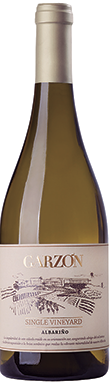

Garzón helped put Uruguayan Albariño on the map, and this is a fantastic show of how exciting this variety can be on the granitic soils of Maldonado. Quivering acidity and a flinty minerality underpins warming notes of white blossom and citrus. Made for seafood.
2020
Garzon

Bodega Bouza, Pan de Azúcar Riesling, Maldonado, Uruguay, 2019
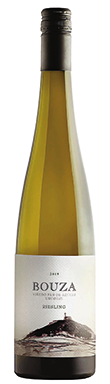
One of my go to Uruguayan white wines, this Riesling showcases the incredible Pan de Azúcar vineyard which Bouza planted on a syenite-laden hillside just a few kilometres from the coast. Edgy and mineral with racy acidity and just a hint of lime leaf, this will age like a dream.
2019
Bodega Bouza
Familia Deicas, Preludio Barrel Select, Canelones, Uruguay, 2018
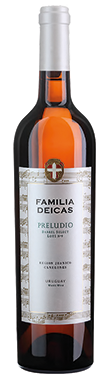
Following many years of research and trials by the Deicas family with Paul Hobbs, this voluptuous white Chardonnay with a dash of Viognier is one of Uruguay’s most age-worthy. Full-bodied and rich with peachy aromas and a textural finish with a touch of salinity.
2018
Familia Deicas
Cerro del Toro, Corte Unico Blanco, Maldonado, Uruguay, 2020
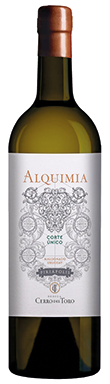
Cerro del Toro is climbing the ranks as one of Uruguay’s top Albariño producers, and this sumptuous blend with Chardonnay and Viognier is both fleshy and fresh. The coastal terroir and refreshing acidity give a frame to this full-bodied, lees-aged white blend.
2020
Cerro del Toro
Proyecto Nakkal, Nakcool, Canelones, Uruguay, 2021
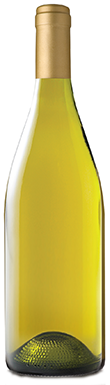
Embracing Dirk Niepoort's now global Nat Cool movement of low-alcohol, ultimately gluggable wines, this is Nakkal's own contribution. With explosive notes of orange blossom, this Viognier- Moscatel- Ugni Blanc blend is deliciously fresh. This juicy white blend embraces the fresh vision of the new generation and a refocus on the older varieties of Uruguay. Very cool indeed.
2021
Proyecto Nakkal
Bresesti, Sur Lie Sin Filtrar, Canelones, Uruguay, 2020
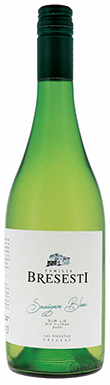
Bruno Bresesti is part of the new generation of the family winery and has been pushing forwards in more premium wines, and this Sauvignon Blanc sur lie is a great triumph. With stoney minerality and citrusy acidity, it has great palate weight and leesy texture. One for oysters.
2020
Bresesti
Bracco Bosca, Ombu Moscatel, Canelones, Uruguay, 2021
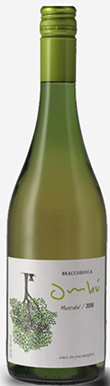
Making a case for reviving the fortunes of Uruguay’s second-most planted variety, Moscatel de Hamburgo, this is Fabiana Bracco’s delightful blanc de noir. Crisp with fragrant notes of grapefruit and white blossom, it’s a fresh, easy-drinking summer wine. Great with sushi.
2021
Bracco Bosca
Bodega Pablo Fallabrino, Arneis Chardonnay, Canelones, Uruguay, 2020
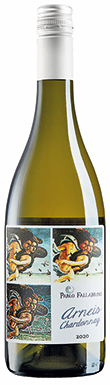
Celebrating his Piedmonte heritage, this Arneis blend is one of Pablo Fallabrino’s signature white blends. Elegant in style with refreshing acidity and white peach and blossom notes, it’s a delightfully versatile wine which would sit pretty in many dining situations.
2020
Bodega Pablo Fallabrino
Viña Progreso, Overground Viognier, Canelones, Uruguay, 2021
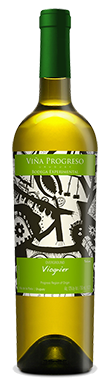
Viognier is certainly having its moment in Uruguay and Gabriel Pisano’s interpretation is a bright and aromatic wine with ripe pineapple and apple blossom notes. It’s more serious in the glass, with an oily, silky texture and freshness on the finish.
2021
Viña Progreso
Juanico Bodegones del Sur, Albariño, Maldonado, Uruguay, 2020
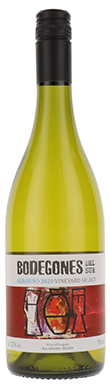
Coming from two sites in Maldonado, one of which is just a couple miles from the sea, this is a great introduction into the coastal vivacity of Uruguayan Albariño. Citrusy and zesty, with an invigorating finish that lingers with a salty tang.
2020
Juanico Bodegones del Sur
