Walls: Brune and blonde soils in Côte-Rôtie – do they really make all the difference?
How important are Côte-Rôtie's soil types when it comes to the resulting style of wine? Matt Walls takes a look and recommends 28 wines to try.


There are two words that crop up more than any other when exploring Côte-Rôtie in the Northern Rhône: brune (brown or brunette in English) and blonde (blonde).
They’re used in cuvée names, names of lieux-dits, regional designations and even local legends. Effectively what they refer to is the two main soil types: dark brown mica schist (brune) and pale yellow gneiss (blonde).
Scroll down to see tasting notes and scores for 28 Côte-Rôtie wines
The way these terms are used can be confusing to English speakers. Once this is clarified, we’ll take a look at these two different soil types and how they influence wine style, longevity and quality.
There’s some argument as to how important these soils types are when it comes to the resulting style of Côte-Rôtie, but it’s a convenient starting point for understanding the appellation.
Confusing terminology
Today, there are 73 official lieux-dits in Côte-Rôtie. Looming over the town of Ampuis that sits at the heart of the appellation there are two lieux-dits that sit almost side-by-side: one is called Côte Brune, the other Côte Blonde.
But because the gneiss bedrock runs from lieu-dit Côte Blonde southwards, and the schist runs from lieu-dit Côte Brune northwards, often the entire southern half of the appellation is referred to locally as ‘the Côte Blonde’ and the entire northern half is called ‘the Côte Brune’.
This can create confusion, so for the sake of clarity I’ll use terms like ‘blonde soils’ or ‘brune side’ instead, and save Côte Blonde and Côte Brune for referring to the specific lieux-dits.
The nature of the soils
When it comes to geology, both the blonde and the brune soils come from a similar geological era, going back 300 million years. The difference was created through the amount of pressure and temperature the rock experienced over time.
Jacques Grange, technical director and chief winemaker at Delas, worked his first vintage in the Rhône in 1981 and understands this place better than most. ‘We are in no way seeing differences as large and as striking as what we see in Châteauneuf-du-Pape… or in Hermitage,’ he says. ‘Between the pure granite of Les Bessards and Le Méal, which are in different geological eras millions of years apart. With the brune and the blonde, we have soils of the same origin, which are different only in detail.’

Different they are, however, and not just in colour, as Kévin Garon from Domaine Garon explains. ‘The blonde side is very well-draining, quite acid… it’s much paler in colour, sandy, stony, there’s hardly any clay on the blonde side. On the contrary, on the brune side, with its schist and mica schist, the bedrock is heavily decomposed, the roots go into it easily, the soils are brown, and the main difference is it has more clay.’
Pierre Burgaud of Domaine Burgaud adds that ‘it’s not just the type of bedrock that counts… there’s also the type of arable earth we have too, that’s to say the amount of clay, the level of decomposition of the bedrock, and the amount of limestone in that arable earth,’ and this can vary within individual parcels. To him, the tidy division between the blonde and brune sides is a ‘big simplification’.
Brune styles and blonde styles
Nevertheless, the two main soil types of Côte-Rôtie are broadly associated with different styles of wine, and this is mainly down to the amount of clay and how that affects the vine. ‘The two soils don’t act exactly the same,’ says Grange. ‘If I had to determine a principal criterion that differentiates the two, it’s how the plant takes up water.’
Vines planted on the heavier clay soils associated with the brune side benefit from a more steady, regular supply of water. This is less the case on the free-draining blonde side. This affects the way the grapes ripen and progress through the season.
Grange explains that vines grown on soils with larger quantities of clay tend to suffer fewer episodes of stress and produce wines that are richer in polyphenols – ‘richer in quantity,’ he says, ‘quality is another subject.’
‘Wines from brune soils are more structured,’ he continues, ‘more broad-shouldered, and on the blonde side more mineral and tense – where the tannins appear more delicate.’
In very dry vintages, vines from the brune side can perform better thanks to their access to water. In very wet vintages, the opposite can be true – the draining soils of the blonde side can produce more balanced wines.
Viognier and ageability
These soils might behave slightly differently, and produce wines in different styles, but the work in the vineyard and the cellar isn’t predicated on soil type.
One difference however is the use of Viognier. One of the quirks of the appellation is that up to 20% Viognier is allowed in the blend (though in practice more than 10% is rare). It’s more commonly planted on the blonde side, and it does seem to accentuate the naturally perfumed, floral style of the Syrah grown on these slopes.
Using a splash of Viognier can make for wines that are very appealing when young. Perhaps this is why wines from blonde soils have a reputation for not having the same longevity as those grown on the brune side. But not everyone agrees.
‘Generally speaking, wines from the brune side age better,’ says Garon, ‘because they’re better balanced – in tannins, acidity – but in classic vintages like 2016, 2010, 2006, very well-balanced years – both can age for a long time. The structure of the wine is more similar in years like that. If there’s everything the plant needs, balanced pH, good acidity, good tannic structure – blonde and brune can both age well.’
Of the Côte-Rôties I tasted below, five that showed a ‘blonde’ typicity are as follows:
- Domaine Benjamin et David Duclaux Coteaux de Tupin 2018,
- Guigal La Mouline 2017,
- Domaine Georges Vernay Blonde du Seigneur 2018,
- Pierre Gaillard Esprit de Blonde 2018,
- Christophe Semaska Lancement 2017.
Five with a classically ‘brune’ expression were:
- Domaine Garon Les Rochins 2019,
- Guigal La Turque 2017,
- Delas La Landonne 2019,
- François Villard Montlys 2018,
- Domaine de Bonserine La Viallière 2018.
Outside the historic heart
When talking about the brune and blonde sides, these stylistic effects are felt most strongly at the historic heart of Côte-Rôtie before the appellation was extended. The more granitic soils at the far south of the appellation near Condrieu have a slightly different expression to classic blonde soils.
As do those at the far north in the commune of Saint-Cyr. ‘As you go further north the influence of the microclimate, influenced by the closeness to the river and the narrowness of the valley and its exposition… these factors are more important than the geology,’ says Grange.
The vines grown on the two different sides of this ‘roasted slope’ do have naturally different expressions: lighter, more perfumed on the blonde side; deeper, more structured on the brune. But this is just one aspect of terroir, and one that can be overemphasised. When it comes to the finished wine, winemaking choices and élevage can have just as great an effect.
‘It’s a bit of a legend, a lovely story. It’s still part of this beautiful appellation of Côte-Rôtie, but fundamentally, for me, it’s almost secondary,’ says Grange. ‘What’s important for me, it’s the way of working, the yield, the way it’s vinified, the way it’s matured. But I think you can find beautiful examples of Côte-Rôtie on pure blonde soils or pure brune ones, that can both be among the greatest wines in the Rhône Valley.’
Brune and Blonde soils in Côte-Rôtie: Matt Walls’ top picks
Related articles
Walls: exploring the three Vs of the Southern Rhône
Rhône producer to know: Domaine Chaume-Arnaud, Vinsobres
Walls: Top-quality and great-value Côte-Rôtie alternatives
Domaine Garon, Les Rochins, Côte-Rôtie, Rhône, France, 2019
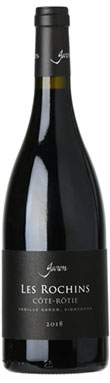

Darker and more brooding in character than their Combard, with blackberry fruits and a touch of cumin. Rounded, more glycerol, this moves slowly in the mouth, it's broad shouldered and has good depth. The alcohol is just slightly warming on the finish. Very silky, rounded tannins, the oak is quite forthright but is well integrated. Will be very good in time, and issuing from this hot vintage it will always towards the rich side (but not excessively so). Lieu-dit Les Rochains, from the Brune side (mica schist bedrock). Fermented in concrete, then aged in barriques for 20 months, 30% new.
2019
Domaine GaronCôte-Rôtie

E Guigal, La Turque, Côte-Rôtie, Rhône, France, 2017
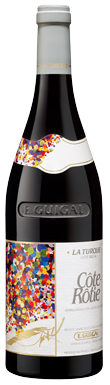
You can almost smell the fresh clay, immediately a different register compared to La Mouline with star anise, incense notes and rolling tobacco as opposed to cigarette tobacco. Rounded, fuller and plumper with more mouthcoating tannins and touches of vanilla pod from the oak.. The fruit is sweeter and juicier than the Mouline and this has a long, sappy finish with plentiful tannin but still elegant.
2017
E GuigalCôte-Rôtie
Pierre Gaillard, Esprit de Blonde, Côte-Rôtie, Rhône, France, 2019
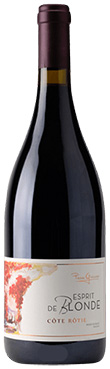
Incredible, soaring, perfumed fragrance, violets, incense and star anise. Fresh and pure on the palate, with fine tannins and a little sappy, balsamic back note from the oak. The oak is aromatically quite present, lending cinnamon to the display. No heaviness on the mid palate. Very much in the Gaillard house style. The oak is liberally applied, but it works well.
2019
Pierre GaillardCôte-Rôtie
Delas, La Landonne, Côte-Rôtie, Rhône, France, 2019
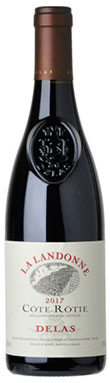
Very oaky, with smoky bacon notes and wood smoke on the nose. Plump, sweetly ripe and juicy. The alcohol seems quite high, and the oak leads to quite a sweet effect on the finish, with tobacco and floral notes. From lieu-dit La Landonne, on schist soils with iron oxide, fermented in stainless steel, aged in new and one-year-old barrels.
2019
DelasCôte-Rôtie
Benjamin & David Duclaux, Coteaux de Tupin, Côte-Rôtie, Rhône, France, 2018
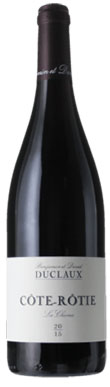
A rich and very deep fruit expression. It's velvety, soft and lush, from a very ripe vintage. Good acidity however. It has relatively big proportions for this estate, but not excessively so. Sweet raspberry and cigar tobacco, sandalwood, cedar and spice. Incredible length. A great wine, with huge ageing potential, but equally it could be drunk today. The family has 3ha in the Coteaux de Tupin; they choose the best terraces of that year. All whole bunch-fermented, aged in barrel for 22 months. Gneiss soils. First vintage of this cuvée.
2018
Benjamin & David DuclauxCôte-Rôtie
Domaine Georges Vernay, Maison Rouge, Côte-Rôtie, Rhône, France, 2018
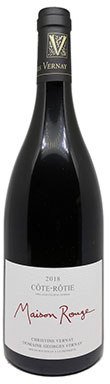
The nose shows more intensity and a more dark-fruited profile than their Blonde du Seigneur, with some dark plum and blackberry along with the raspberry fruit. Still beautifully fragrant however. Medium-bodied, ripe but subtle and elegant, with good acidity and a mineral seam. Tannins are present, very fine, textured like fine sand. Very good now, but will be better from 2027. Lieu-dit Maison Rouge, from the Blonde side (gneiss and granite bedrock). Partly destemmed, 24 months in barriques, 30% new.
2018
Domaine Georges VernayCôte-Rôtie
Domaine Garon, Le Combard, Côte-Rôtie, Rhône, France, 2019
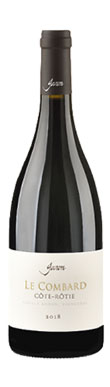
Gorgeous nose, with dried rose, nutmeg and tobacco leaf. Enjoyably rich and generous on the palate, rounded and soft. There’s a tangy balsamic touch to the berry fruit, that's ripe but not excessively so. Fairy opulent but not excessive, with a long finish. Aged in barriques for 18 months.
2019
Domaine GaronCôte-Rôtie
E Guigal, La Mouline, Côte-Rôtie, Rhône, France, 2017
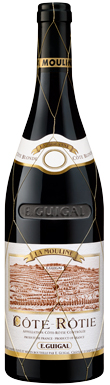
Immediately fresh and highly perfumed - tobacco, star anise and wood - before the fruit appears. There's an intensity on the palate, the tannins are firmer than a typical year, but the acidity is balanced and this has a fine, aromatic and tapered finish. I love its immediacy and freshness, its presence on the palate. There is a tiny touch of dryness on the tongue on the finish although the oak is very fine, and well-integrated.
2017
E GuigalCôte-Rôtie
M Chapoutier, Neve, Côte-Rôtie, Rhône, France, 2018
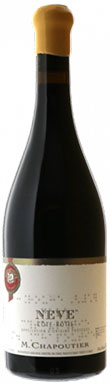
Good clarity and definition on the nose, good fruit expression, smoky raspberry and blackberry, sandalwood and tobacco. Medium-bodied, the tannins are quite discrete, very fine, rather slight. Lovely definition and freshness again on the palate, the tannins make themselves known on the finish rather than on the mid-palate. The oak regime is quite noticeable at this stage, but it doesn't dominate. Very well balanced, a wine that will drink well now and later. Lieu-dit Neve in the Brune side (mica schist bedrock), just under Le Plomb at the bottom of the slope. All destemmed, 18 months in barriques, 25% new.
2018
M ChapoutierCôte-Rôtie
François Villard, Montlys, Côte-Rôtie, Rhône, France, 2018
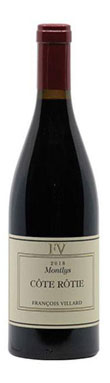
Very meaty style, with beef stock and some fresh herbs from the 100% whole bunches, though there is a touch of greenness to the aromas. Full-bodied, with a good sense of inner freshness. Tannins are powerful and grippy but fine in texture. A wine with a grand architecture that will drink now for those who enjoy impact and power, but will age well too. Feels a little old-fashioned, in a good way. From lieu-dit Montlys, on the Brune side (mica schist bedrock). 40% new oak.
2018
François VillardCôte-Rôtie
Domaine Georges Vernay, Blonde du Seigneur, Côte-Rôtie, Rhône, France, 2018
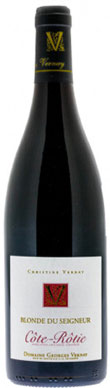
Classically Blonde in expression, lifted and fragrant, with raspberry, macadamia and sandalwood. Light-bodied, very fine tannins, lovely acidity, such a drinkable wine, a Côte-Rôtie of great elegance and lifted freshness. Exceptional winemaking skill on display. Lieux-dits Semons, Lancement and Maison Rouge, all on the Blonde side. Mostly destemmed, matured in Stockinger foudres and barriques (25% new).
2018
Domaine Georges VernayCôte-Rôtie
Pierre Gaillard, Rose Pourpre, Côte-Rôtie, Rhône, France, 2019
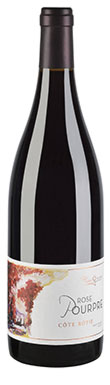
Liquorice, star anise and blackberry, this speaks strongly of the Côte Brune. Full-bodied, unctuously textured, with muscular tannins, very round and bulbous, with sweet black fruit on the finish with ingrained wood spice. Has considerably more depth and length than his Esprit de Blonde, and will last longer. Alcohol just gently warming. From lieu-dit Côte Rozier, on the Brune side (mica schist bedrock). All destemmed, 18 months in new barriques.
2019
Pierre GaillardCôte-Rôtie
Benjamin & David Duclaux, Maison Rouge, Côte-Rôtie, Rhône, France, 2018
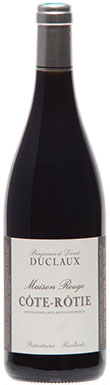
Darkly coloured. With its ripe and open aromas, this is a lush example, velvety, with lower acidity than some vintages. Very generous, with quite high alcohol. Certainly delicious, but a little lacking in cut and strictness compared to some other years. 'More massive in style,' as a vintage according to Benjamin Duclaux. The family has 1.4ha in this lieu-dit, partly planted in 1943, partly in the mid-1970s. First vintage was 2005, but just 900 bottles; 2006 was the first to be sold commercially. Gneiss soils; stems only included since the 2017 vintage. Natural yeasts, submerged cap fermentation, 40% new oak.
2018
Benjamin & David DuclauxCôte-Rôtie
Domaine de Rosiers, Besset, Côte-Rôtie, Rhône, France, 2018
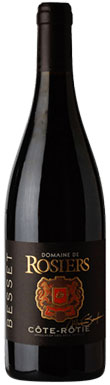
Not terribly Blonde in style, this has plum and bramble on the nose with coffee bean and clove from the oak. Medium- to full-bodied, this is rich and rich on the palate, generous, with piercing acidity and a dry, spicy finish. At once powerful and easy-going, the oak is to the fore for now, so I would hold rather than drink. Could be excellent in time, as long as the alcohol doesn't start to show. Lieu-dit Besset on the Brune side, 80% destemmed, matured in barriques, 50% new; barrel selection.
2018
Domaine de RosiersCôte-Rôtie
Domaine Garon, Les Triotes, Côte-Rôtie, Rhône, France, 2019
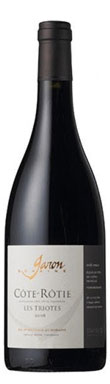
Smoky nose, roasted spices intertwined with blueberry and raspberry fruit. Fairly light-bodied, with a good sense of brightness. Good acidity, and an intense feel on the mid-palate, this has energy and tension. Forest berry fruits on the finish. An appealing struck flint note on the nose and palate at this young stage. No great length, but well balanced. A blend of four lieux-dits from the Blonde side: La Triote, Le Combard, Le Mollard et Lancement (gneiss bedrock); 18 months in barriques, 15% new oak.
2019
Domaine GaronCôte-Rôtie
François Villard, Le Gallet Blanc, Côte-Rôtie, Rhône, France, 2019
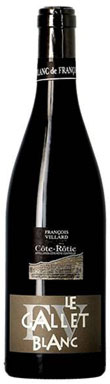
Big, powerful, brooding aromatics, certainly on the Côte Brune here. The nose is very ripe, but also fresh and smoky, liked smoked meats. Generous but not heavy, this has clarity and intensity on the palate, and surprising energy for the vintage. Acidity is quite marked, the alcohol is far from low but it's not unbalanced. Long finish, with a mineral note. Dry, powerful, oaky but not oak-dominated. A good option in 2019, very good for the price. A blend of lieux-dits from the Brune side (mica schist bedrock): Le Plomb, Côte Bodin, Grand Taillis, Fontgeant, Montlys, Servonnière and Le Mont. 88% whole bunch, 30% new oak.
2019
François VillardCôte-Rôtie
Domaine Bonserine, La Viallière, Côte-Rôtie, Rhône, France, 2018
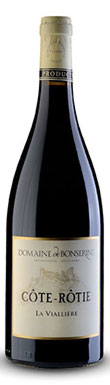
A touch of struck flint and iron filings, this is very expressive of Brune soils, it smells like a blacksmith's forge. Medium-bodied, not as potent as the Sarrasine, this is more elegant, with finer, more integrated tannins. The alcohol is quite raised, and the oak is forthright. Long finish. This is very ripe, and has a good sense of purity, depth, length and finesse. Lieu-dit La Viallière, from the Brune side (mica schist bedrock).
2018
Domaine BonserineCôte-Rôtie
Domaine Christophe Semaska, Lancement, Côte-Rôtie, Rhône, France, 2017
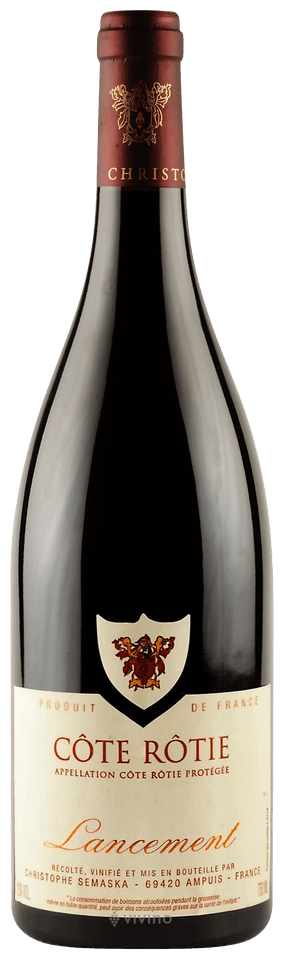
Flamboyant, open and impressive aromatic display, unmistakably Blonde soils and high-quality oak barrels, with sandalwood, tobacco, star anise and dill. Medium-bodied, but with density, there's a touch of dryness and woodiness from the new oak on the finish. Good sense of freshness and intensity, this is a very eye-catching wine. The oak is dominating for my taste, but many will enjoy the aromatic fireworks. Vines planted in 1972 in lieu-dit Lancement, on the Blonde side. Ninety percent destemmed, matured 24 months in 100% new oak barriques.
2017
Domaine Christophe SemaskaCôte-Rôtie
Domaine Benoît Roseau, Coteaux de Tupin, Côte-Rôtie, Rhône, France, 2017
There's an appealing touch of parsley stalk and thyme on the nose from the whole bunch fermentation. Some might find it too pronounced, but I think it works well, bringing freshness in a hot vintage. It's clearly Blonde soil from the lifted expression and fragrance, but has the depth and density of the vintage. Acidity helps to balance its power. Long finish. This isn't the most polished Côte-Rôtie, but it drinks very well. Lieu-dit Coteaux de Tupin, from the Blonde side (gneiss bedrock).
2017
Domaine Benoît RoseauCôte-Rôtie
Domaine Christophe Semaska, L'Elixir d'Ariane, Côte-Rôtie, Rhône, France, 2015
Impressive intensity of fruit on the nose, teamed with coffee bean, liquorice and clove oak from spending 3 years in new oak barriques. Full-bodied but not massive, this has palate-coating ripe, sweet tannins. Powerful acidity feels a little at odds with the whole, and the alcohol is high. An intensely hedonistic, very rich and potent style of Côte-Rôtie that I find lacks drinkability. Could be interesting in time if the balance holds - in which case I will have underscored it. From vines planted on Brune terroirs (mica schist bedrock). Matured 36 months in 100% new oak barriques.
2015
Domaine Christophe SemaskaCôte-Rôtie
Benjamin & David Duclaux, La Germine, Côte-Rôtie, Rhône, France, 2018
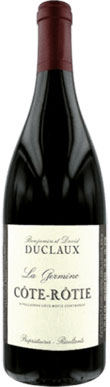
This has an easy fruitiness on the nose, raspberries and red plums, and a good sense of purity. Light-bodied, fresh and approachable style. Fine tannins, ending with gentle grip and bright acidity. A mineral touch adds to the length, finishing gently herbal. I would drink young. Doesn't strongly speak of Blonde soils, but is a charming wine. Thirty-year-old vines all from the Blonde side (gneiss bedrock), 80% destemmed, matured 20 months in oak barriques, 20% new.
2018
Benjamin & David DuclauxCôte-Rôtie
Vidal-Fleury, La Chatillonne, Côte-Rôtie, Rhône, France, 2018
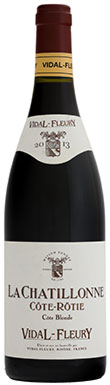
Planted at the northern limit of the Côte Blonde on the Blonde side (gneiss bedrock), facing east. This has a large amount Viognier in the blend (12%), and it makes quite a mark to the aromatics and the texture. This speaks immediately of La Côte Blonde, with fragrant raspberry, sandalwood and incense - very pure aromatics. Medium- to full-bodied for a Côte-Rôtie, it's very ripe, with good concentration of fruit and flavour. The oak regime is robust - 4 years in new barriques - and it's strongly present both aromatically and texturally - there's a touch of dryness on the finish from the wood. Forward, flattering, very ripe with sweet oak spice riding long into the finish, which helps to detract from the fairly high alcohol.
2018
Vidal-FleuryCôte-Rôtie
Vignobles Chirat, La Rose Brune, Côte-Rôtie, Rhône, France, 2019
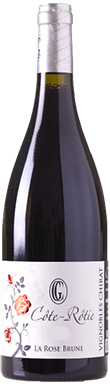
Expressive nose, very ripe, with notes of plum and prune. Very full and unctuous on the palate, acidity a little low. A touch of sweet baking spice and cola on the finish helps to bring some complexity. Tannins are a little grainy on the finish. Showed better from barrel, so this could just be a surly phase - either way this is good and will last well. Lieu-dit Côte Rozier on the Brune side (mica schist bedrock), 50% whole bunch, aged 18 months in 500l and 225l barrels, 30% new.
2019
Vignobles ChiratCôte-Rôtie
Domaine Bonserine, La Sarrasine, Côte-Rôtie, Rhône, France, 2018
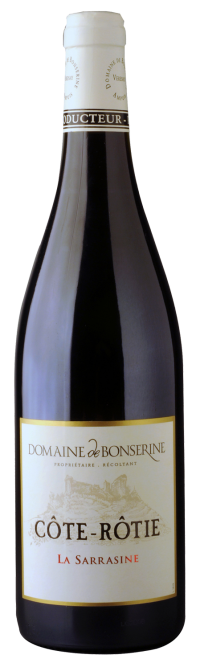
Blackberry, dark plum, even a touch of damson - a very darkly fruited style. Big, rich, bold and ripe, very juicy and rounded on the palate. Good acidity helps to balance the potency and ripeness. The oak is quite forthright, but largely balanced by the powerful fruit. A bit too ripe for some (me included), but others will enjoy its sweet, juicy style. Cask sample. From vines planted on Brune terroirs (mica schist bedrock).
2018
Domaine BonserineCôte-Rôtie
Domaine Christophe Semaska, Château de Montlys, Côte-Rôtie, Rhône, France, 2018
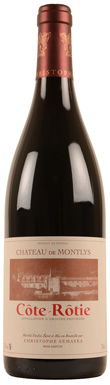
A rich, fruity, very ripe style with well-integrated but robust oak. This is approachable, soft and opulent, with slightly raised alcohol, but nonetheless offers good enjoyment for lovers of a lush style. Around 20% whole bunch, 24 months maturation in 50% new oak, 50% second or third use, malolactic fermentation in barrel.
2018
Domaine Christophe SemaskaCôte-Rôtie
Aurélien Chatagnier, Côte-Rôtie, Rhône, France, 2019
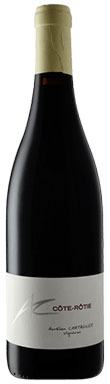
Powerful blackcurrant and blackcurrant leaf notes spring out of the glass. Rounded, has good energy and there is a sense of freshness, but it feels like it's a little hollow on the mid-palate, as if it has quite reached full ripeness. Medium-bodied, fresh and juicy with good acidity. Not the deepest or most complex. From vines planted on Brune terroirs (mica schist bedrock). Aged one year in barrels, two-thirds new. All destemmed.
2019
Aurélien ChatagnierCôte-Rôtie
Olivier Ravoire, Hallbarde, Côte-Rôtie, Rhône, France, 2019
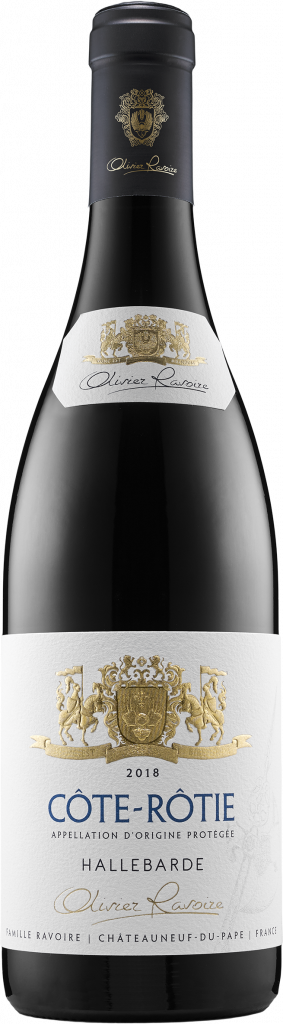
From vines planted on Brune terroirs (mica schist bedrock). All destemmed, aged in new and 1-year-old barrels. The aromatics bring to mind the florality of the Côte Blonde, but it must be instead the 5% Viognier in the blend. The oak is the other main aromatic note. Light- to medium-bodied, this is fresh and fluid on the palate, tannins are ripe and fairly minor. Fresh and charming, if not deep or long. Very oaky. For drinking young.
2019
Olivier RavoireCôte-Rôtie
Vignoble de Boisseyt, Côte Blonde, Côte-Rôtie, Rhône, France, 2018
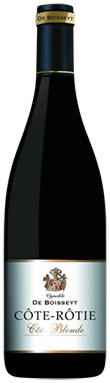
Quite obvious on the nose, stewed plum and bramble, with a touch of the lifted Blonde fragrance, like cinnamon and nutmeg spicing. Towards full-bodied for a Côte-Rôtie, this is very ripe, rounded and forward, with quite high alcohol. Picked a little late perhaps? I would drink young, as it's likely to become less balanced over time. Good concentration, and there is an inner freshness despite the ripeness and potency. Lieu-dit Côte Blonde, from the Blonde side (gneiss bedrock). Half the crop is destemmed, the wine is matured for 18 months in barriques, 25% new.
2018
Vignoble de BoisseytCôte-Rôtie
