

Not even spells of torrential rain prevented ticket holders from heading to Hackney Bridge for a unique event. The East London venue, nestled in the Olympic Park on the western bank of the river Lea, made for a particularly apt setting for the once in a lifetime celebration: against the backdrop of the landscape and buildings that transformed London in 2012, DOCa Rioja showcased its remarkable evolution across a century of history.
The sun did come out eventually and, with the rainbow dramatically framing the festival’s tents, the weeklong 100 Years of Rioja Wine and Food Festival brought the spirit of Spain’s leading wine region to the British capital with a mix of laidback pomp and sophisticated irreverence.

More than wine
As Iñigo Tapiador, DOCa Rioja’s Marketing and Communications Director, pointed out, the event was ‘a celebration of a culture and identity with wine at its core’. It’s impossible to understand the importance of Rioja’s centenary without recognising Rioja has much more than a wine denomination of origin; the name captures the essence of the region and its people. While the DOCa now celebrates its centenary, the region’s winemaking and viticultural history in fact goes back centuries – wine has therefore shaped the landscape and identity of Spain’s most renowned wine region and of its multigenerational grower and producer families.
The creative coexistence of different generations – catalyst of a productive interaction between tradition and innovation – is in fact, 100 years on, one of Rioja’s greatest strengths, something made obvious by the recent appointment of Raquel Pérez Cuevas as DOCa Rioja’s new and first female president. This sense of reinvention and renewal, married to a deep commitment to history and lineage, is what has allowed Rioja to persevere across a century of significant economic, political and environmental turmoil.
As the 100 Years of Rioja event vividly showed, Rioja is, first and foremost, a wine region of and for the future: rooted in entrepreneurship and innovation, it looks at the next 100 years with a sense of optimism and – importantly – fun.

Pleasure and meaning
The festival brought not just the wine but also the food, music, dance and festive spirit of Rioja to East London. ‘I had no idea there were so many different styles,’ said an excited attendee while perusing the dozens of wines available by the glass at the event’s two bars. If many arrived expecting to drink mostly oak-aged reds, the event opened eyes and palates to the exciting diversity of Rioja’s whites, rosés and reds – oaked and otherwise.
While some plunged into Rioja’s many wines, others enjoyed hand-carved Ibérico ham and manchego from Camino, the successful London group of Spanish restaurants. Nearby a traditional dance ensemble showcased the folklore of Northern Spain. The luckiest few sat down for delicious – and, again, superbly fun – live cooking sessions with celebrity chefs José Pizarro and Omar Allibhoy, hosted by the great Olly Smith.
Four masterclasses allowed for a more intimate and in-depth exploration of DOCa Rioja’s stylistic evolution and of the winemakers leading the way as the region opens its second century of history. Highlights included a deep-dive into Rioja’s world-class whites and the increasing focus on terroir and sense of place.
Overall, 100 Years of Rioja offered a once-in-a-lifetime opportunity to discover one of the world’s most dynamic wine regions, with its equal amounts of tradition and future potential. The event was not only a celebration of a momentous century of both evolution and consistency but also of the many possibilities that lie ahead.
Discover more about Rioja DOCa
Connect onFacebook | Instagram | X | Youtube


Read more about Rioja DOCa:
A hundred years of Rioja

-
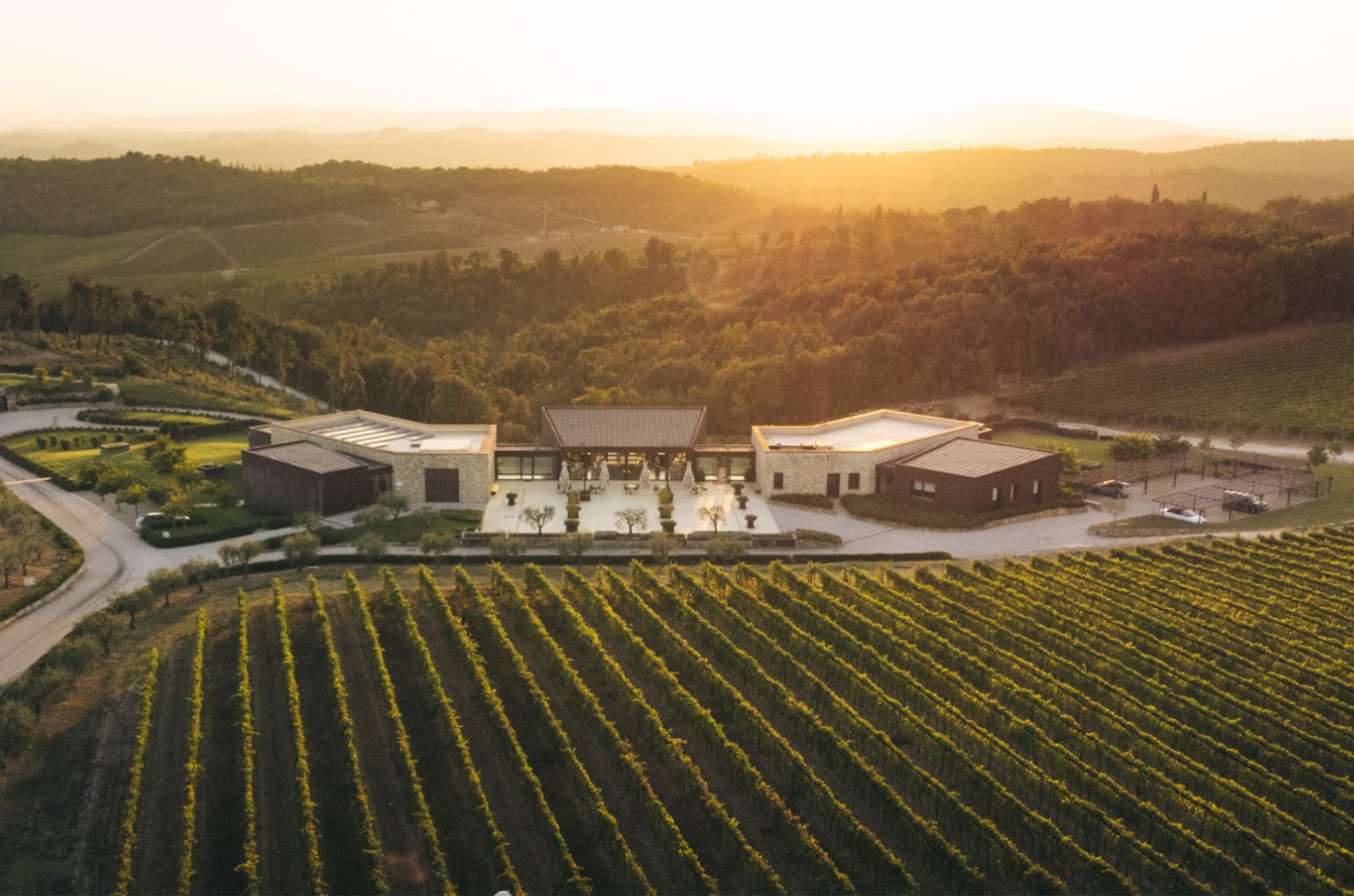 Vallepicciola: Tourism and winemaking in the Chianti hills
Sponsored Winemaking and luxury hospitality...
-
 Wine educators win 2026 Barca-Velha Golden Vines MW Scholarships
The Gérard Basset Foundation, Douro producer Casa Ferreirinha and Liquid Icons have named Christy Fuhrman and Loreto Pancorbo as the recipients of the 2026 Barca-Velha Golden Vines MW Scholarships.


-
Vallepicciola: Tourism and winemaking in the Chianti hills
Sponsored Winemaking and luxury hospitality...
-
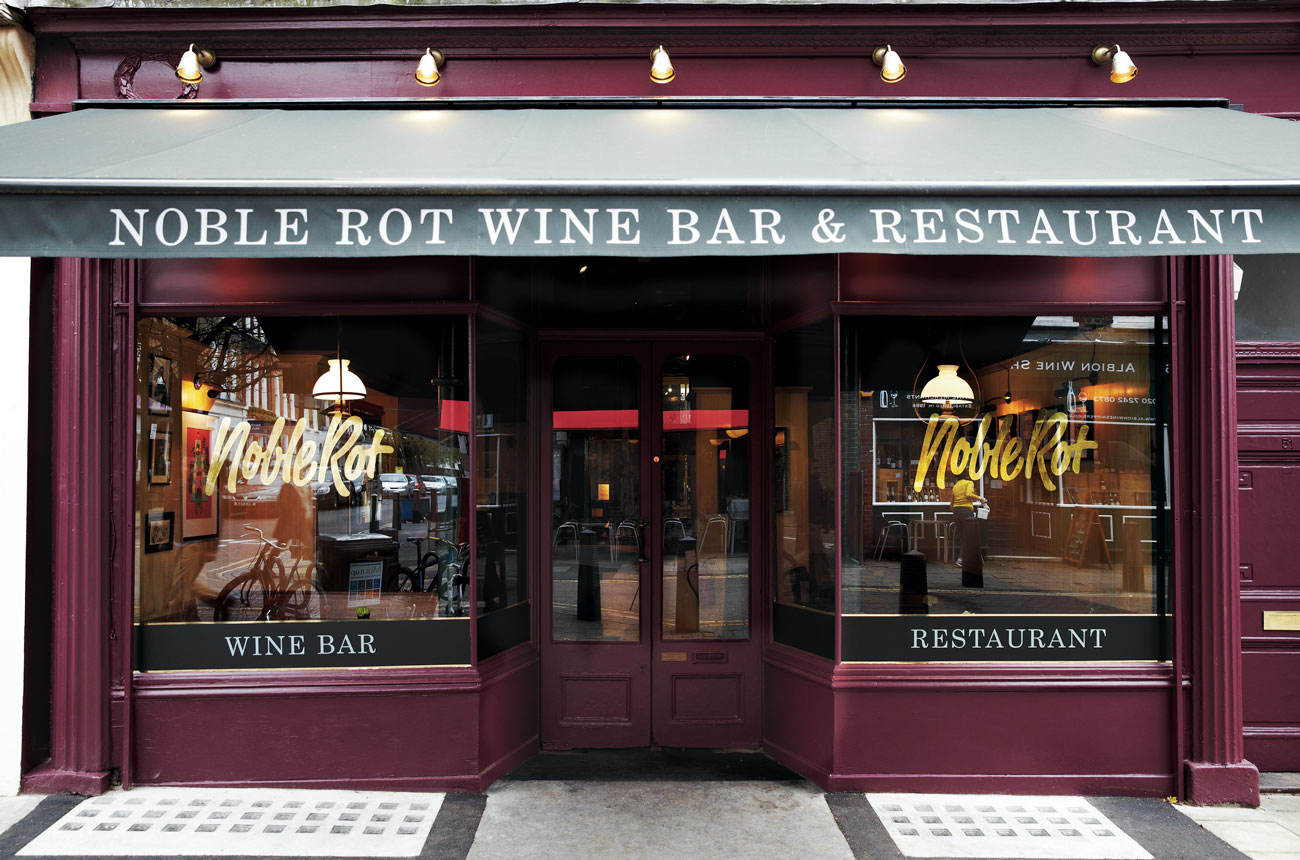 Best London restaurant wine lists: Eight to try
The capital's top wine lists...
-
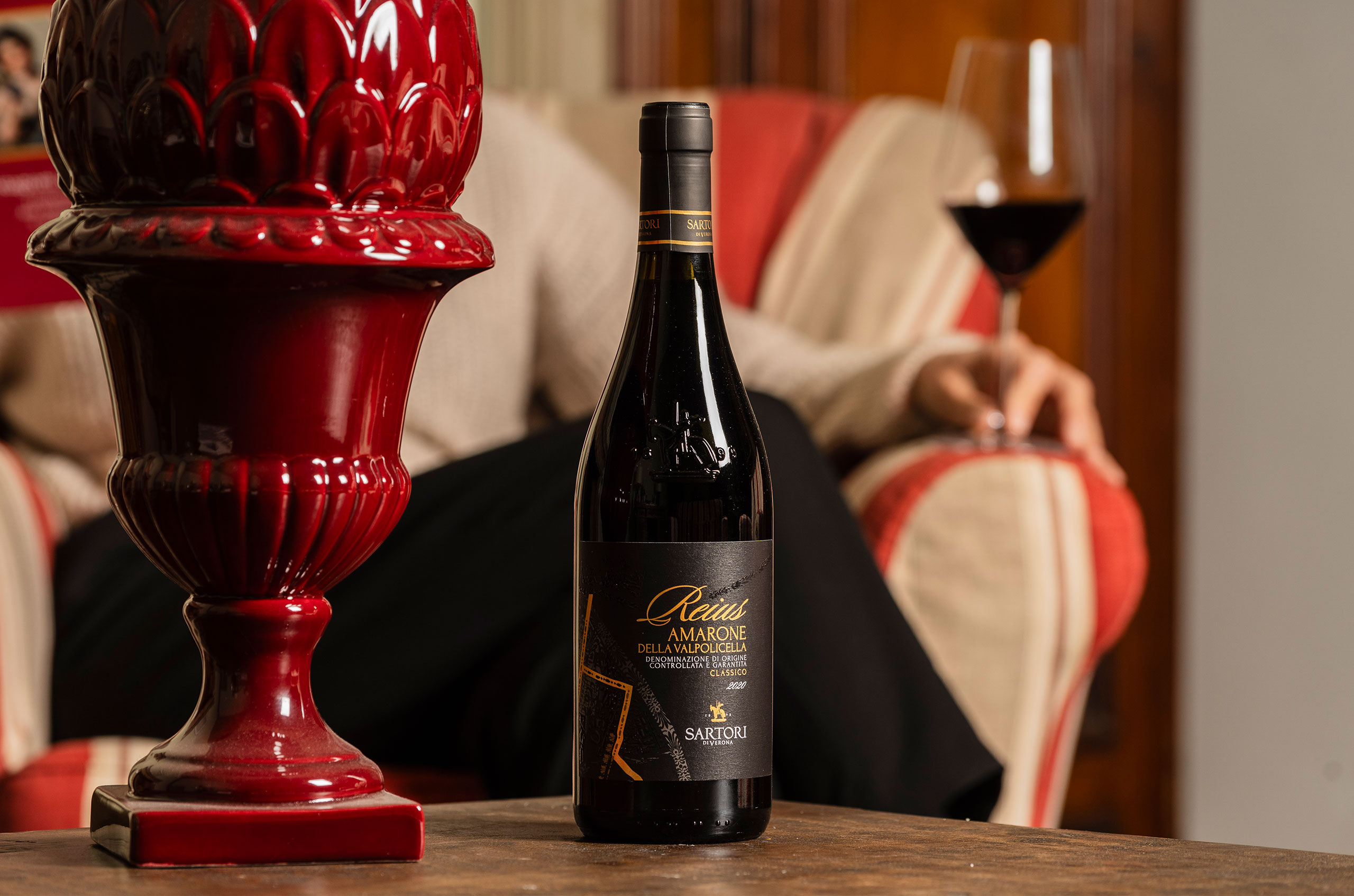 A standout voice in Valpolicella
Sponsored A key name for Valpolicella and Amarone...
-
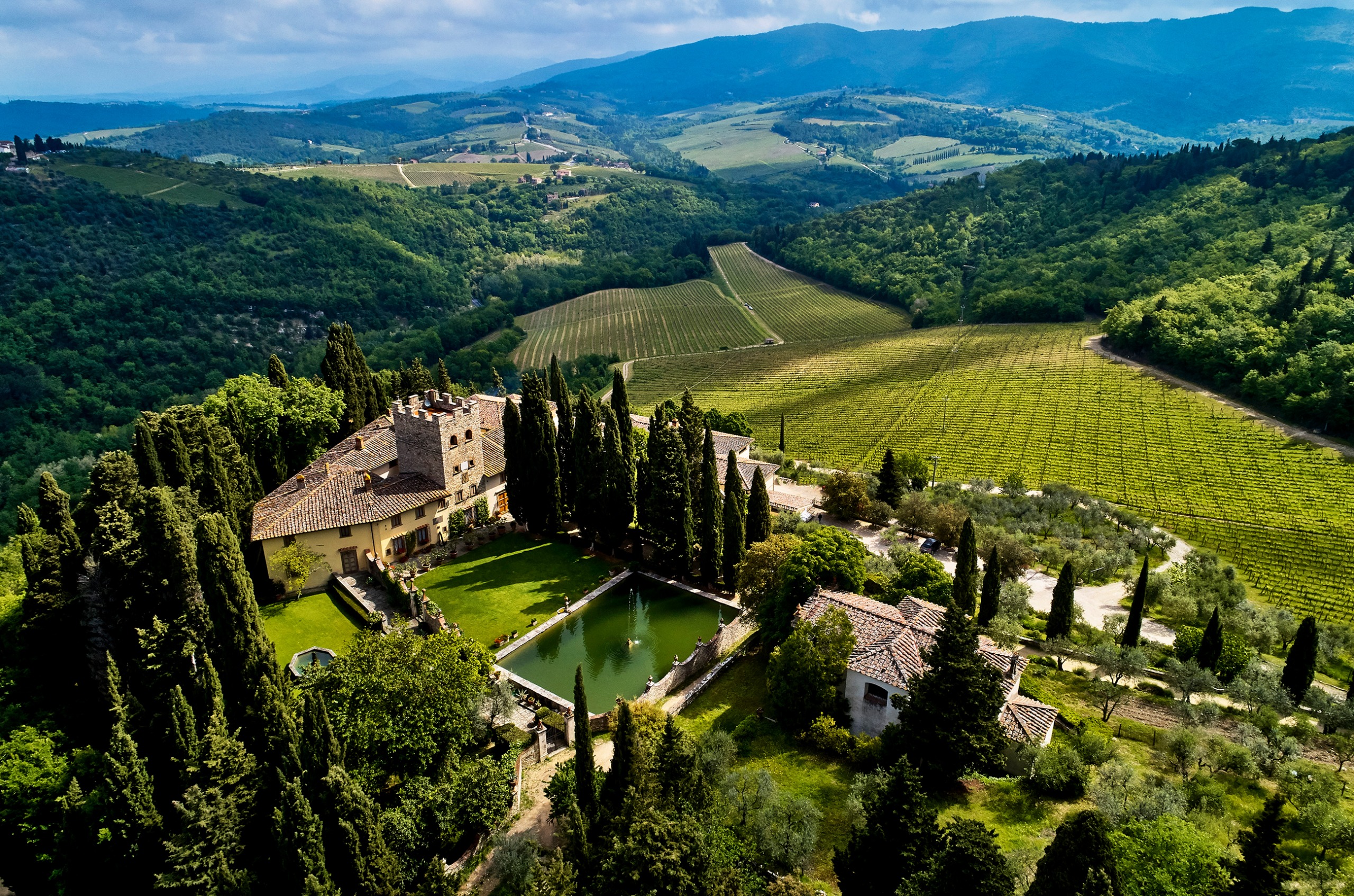 Discover the world of Castello di Verrazzano
Sponsored An ancient castle set amid sprawling vineyards...
-
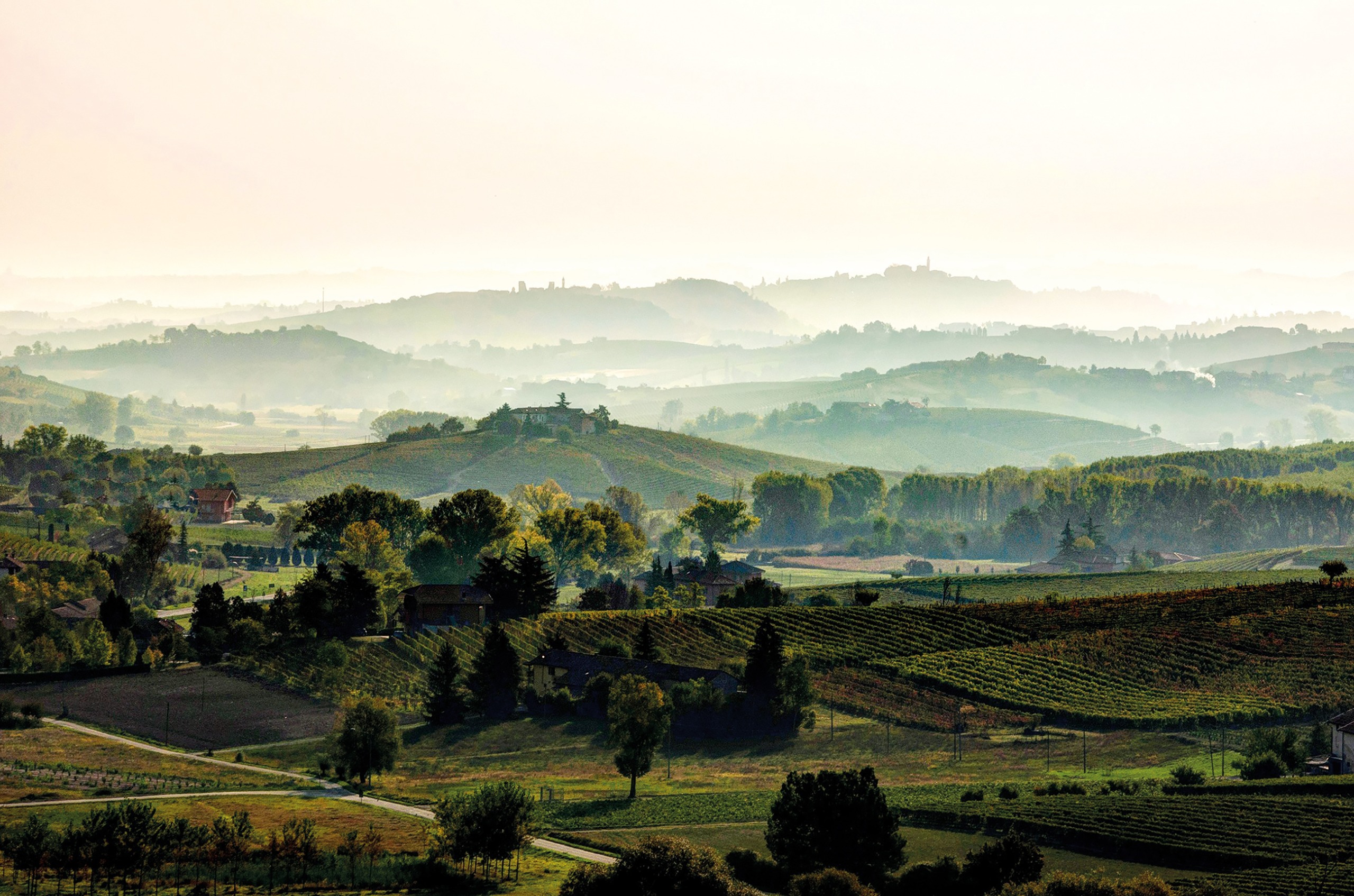 Barbera d'Asti DOCG: Tradition and modernity in Piedmont
Sponsored Many expressions of one variety...
-
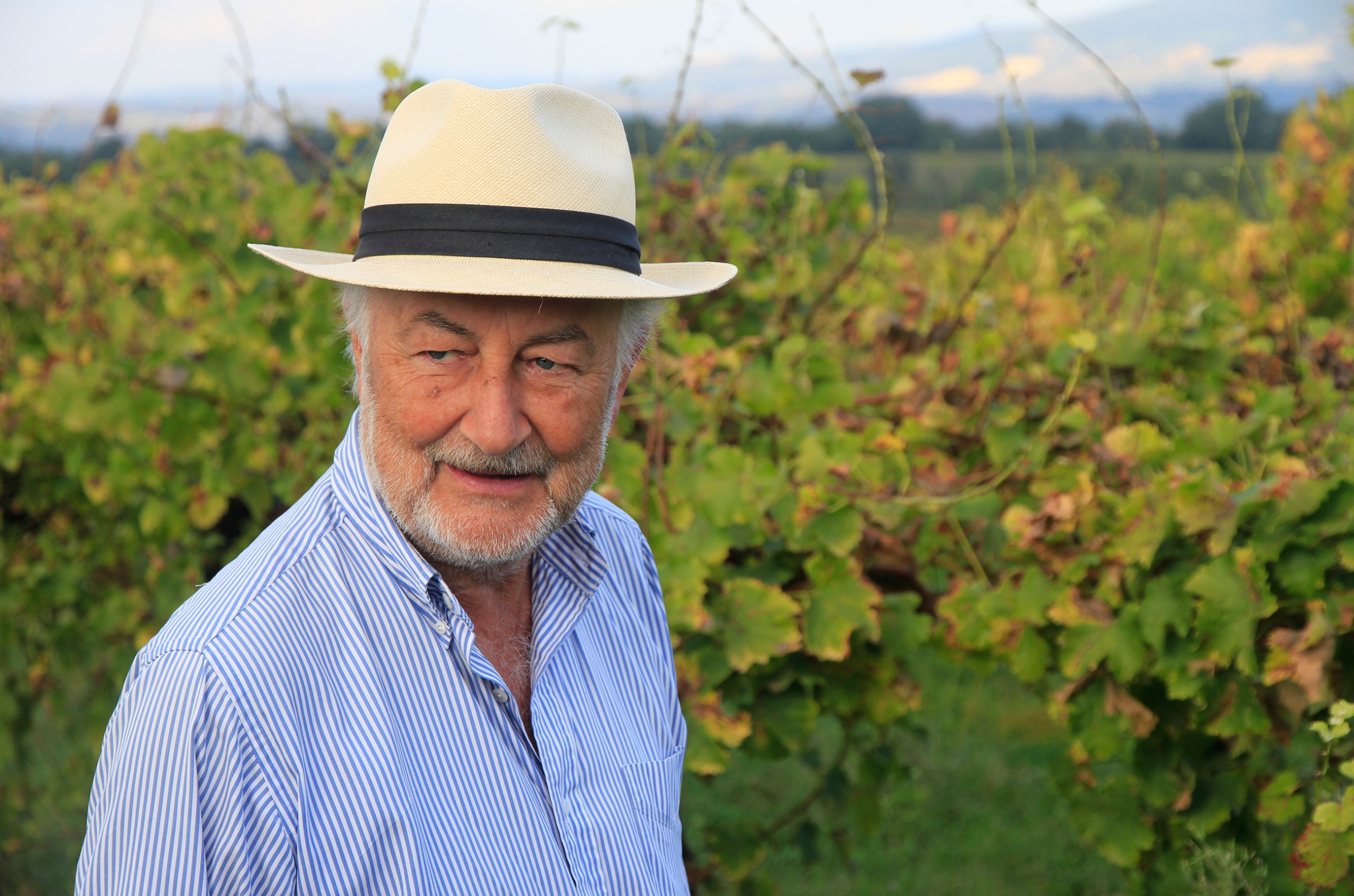 Sergio Mottura: Excellence in Tuscia
Sponsored A renowned figure in Lazio...
-
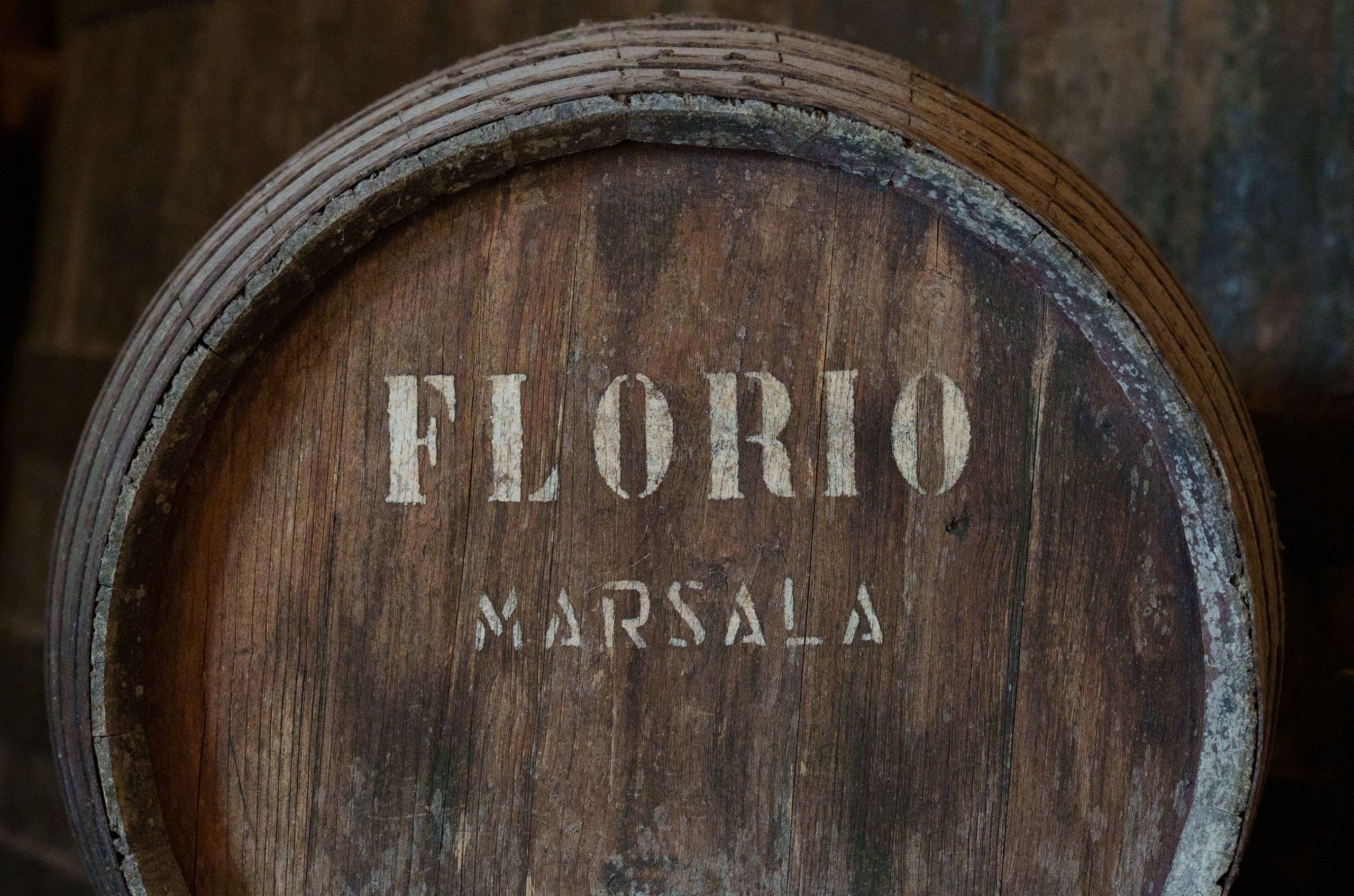 Florio: Winning new fans while respecting Marsala’s history
Sponsored An important milestone in Marsala...
-
 Sensi Vini: The gateway to your Italian wine exploration
Sponsored Chianti and beyond...


