

Standing in front of a shop’s wall of wine can be intimidating: so many bottles, so many countries – where to begin? Wine lovers in the know often scan labels for three little letters: in France, they’re AOC, or Appellation d’Origine Contrôlée; in Italy, they’re DOC, or Denominazione di Origine Controllata; and in Austria, they’re DAC, or Districtus Austriae Controllatus.
These classification systems confirm that the wine was produced using the traditional grapes and winemaking methods of the area. The three little letters not only give consumers confidence but also help protect the traditional winemaker’s craft.
Austria’s DAC regulations are a great example of the time and effort that goes into creating a robust classification system. For each of Austria’s wine-producing regions, to establish a DAC, a Regional Wine Committee – consisting of farmers, winemakers and traders – produces draft regulations after consulting with experts, before the National Wine Committee gives its approval and submits the plans to the Federal Ministry of Agriculture.

Protecting traditions in the vineyard and winery
Creating a DAC begins in the vineyard, with winemakers identifying their region’s flagship grapes by considering soils, climate and traditions; for example, Schilcher tends not to be grown along the Danube, nor Grüner Veltliner in Steiermark. Some regions, such as Eisenberg and Traisental, focus on one or two varieties, while others – including Steiermark and Wachau – allow a wider selection, to reflect their regions’ diversity.
Cultivation and harvest can also be key. Harvesting by hand is compulsory in Rust, Styria and Wachau, while Wien protects its distinctive Gemischter Satz field blend, with a mix of various varieties grown in the same vineyard and then processed together.
Shaping regulations continues in the winery, with limits set for alcohol and residual sugar, guiding whether wines are light or robust, dry or sweet, along with rules on length of ageing. Ultimately, each wine’s colour, aroma and taste are assessed by a commission to ensure that the wine typifies the region’s style.

Putting the consumer at the heart of the process
DACs also control additional terms used on labels, such as ‘Reserve’ for ageing. Many DACs use a three-tier system: ‘Gebietswein’ for regional wines, ‘Ortswein’ for village wines and ‘Riedenwein’ for single-vineyard wines.
Some regions also create logos to help consumers spot their wines. Other Qualitätswein or quality wines that don’t meet their DAC’s regulations are instead labelled simply with the name of the state in which they were produced.
Together, all this work means that the DAC regulations give consumers confidence that, when they open a bottle of Austrian wine, it will deliver the aromas and flavours that its region is famous for.
Discover more about Austrian Wines
Connect onFacebook | Instagram | YouTube


-
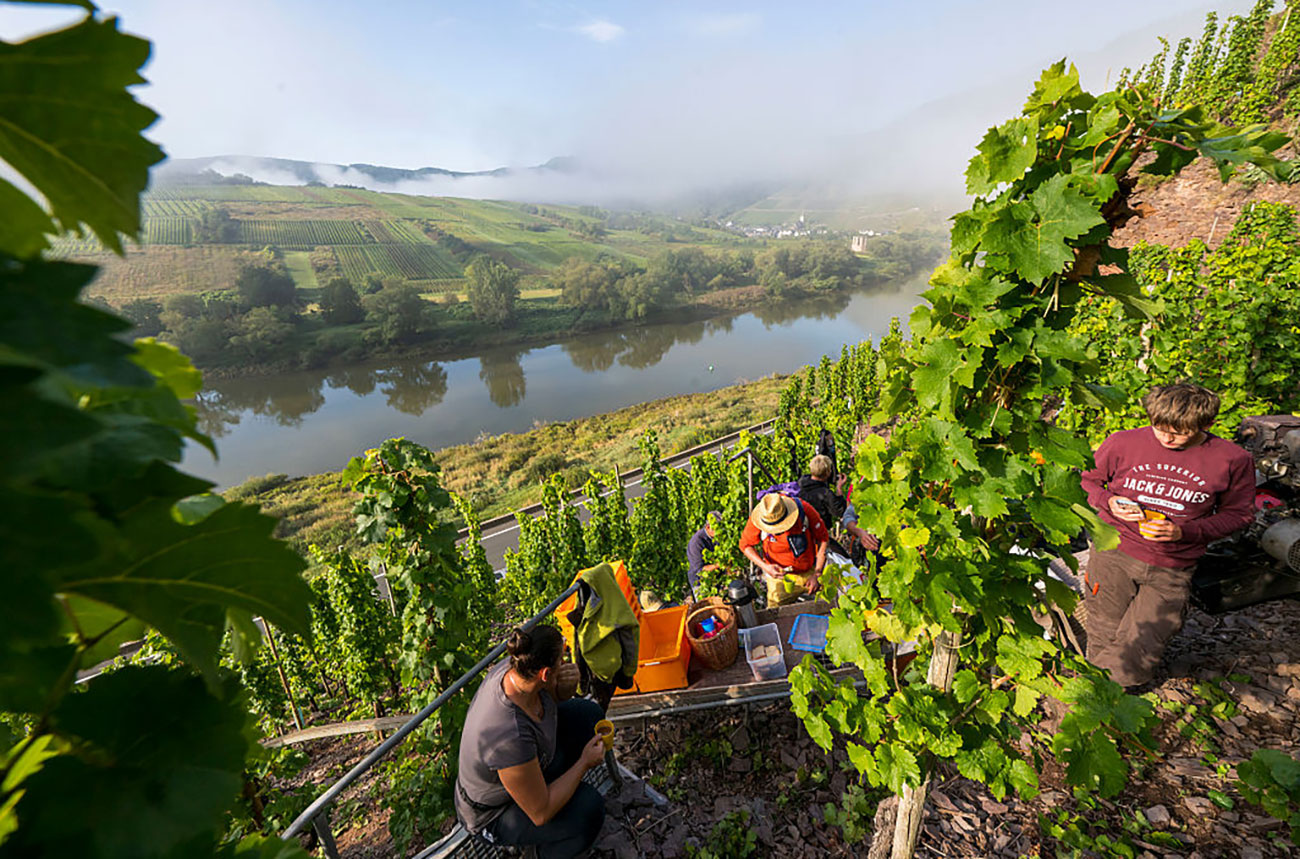 Riesling wine quiz: Test your knowledge
Can you get a perfect score?...
-
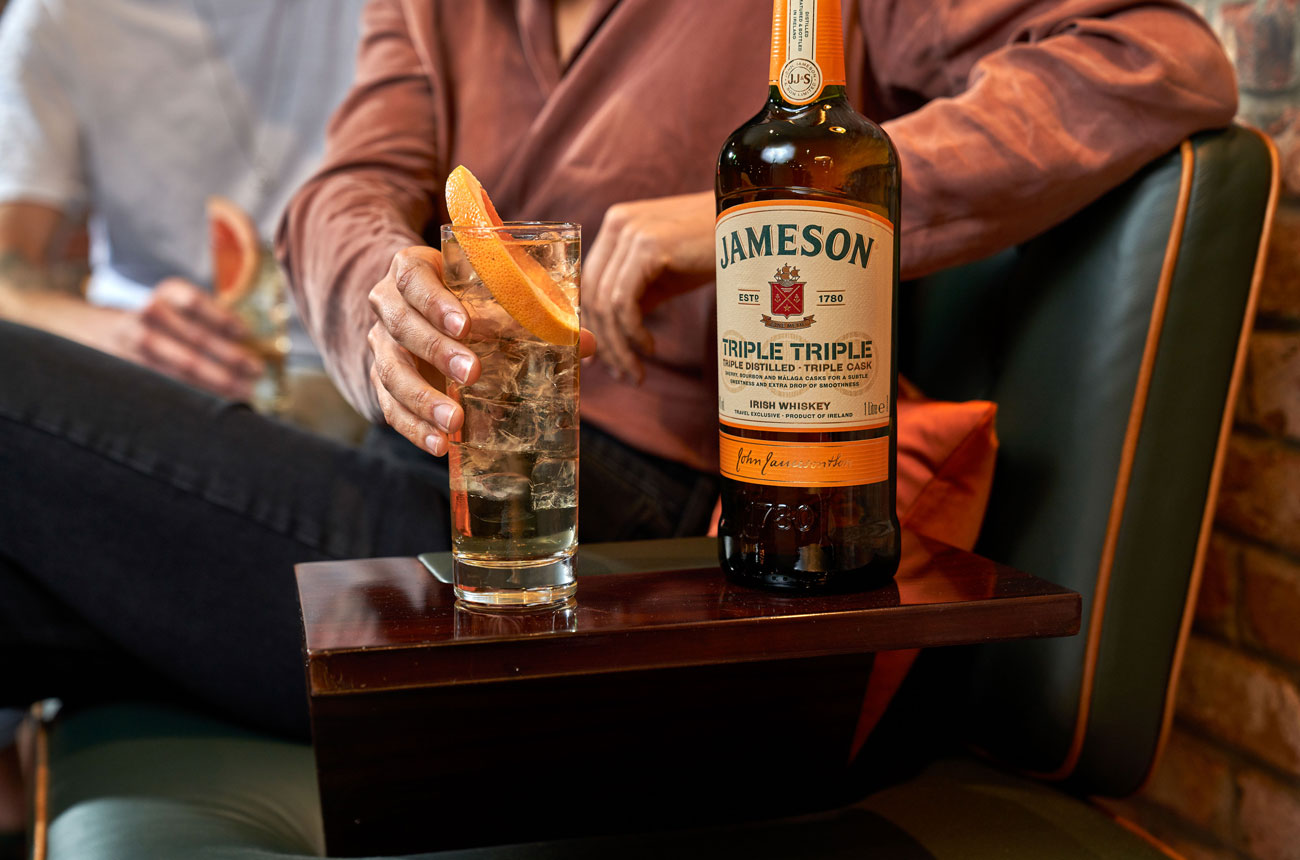 Why Irish whiskey loves sweet and fortified wine casks
Barrels used to age Marsala, Madeira and Sauternes have a special affinity with triple-distilled Irish whiskeys, thanks to a combination of history and distilling. This St Patrick’s Day, explore the sweeter side of drams from the Emerald Isle, with six great bottles to try.


-
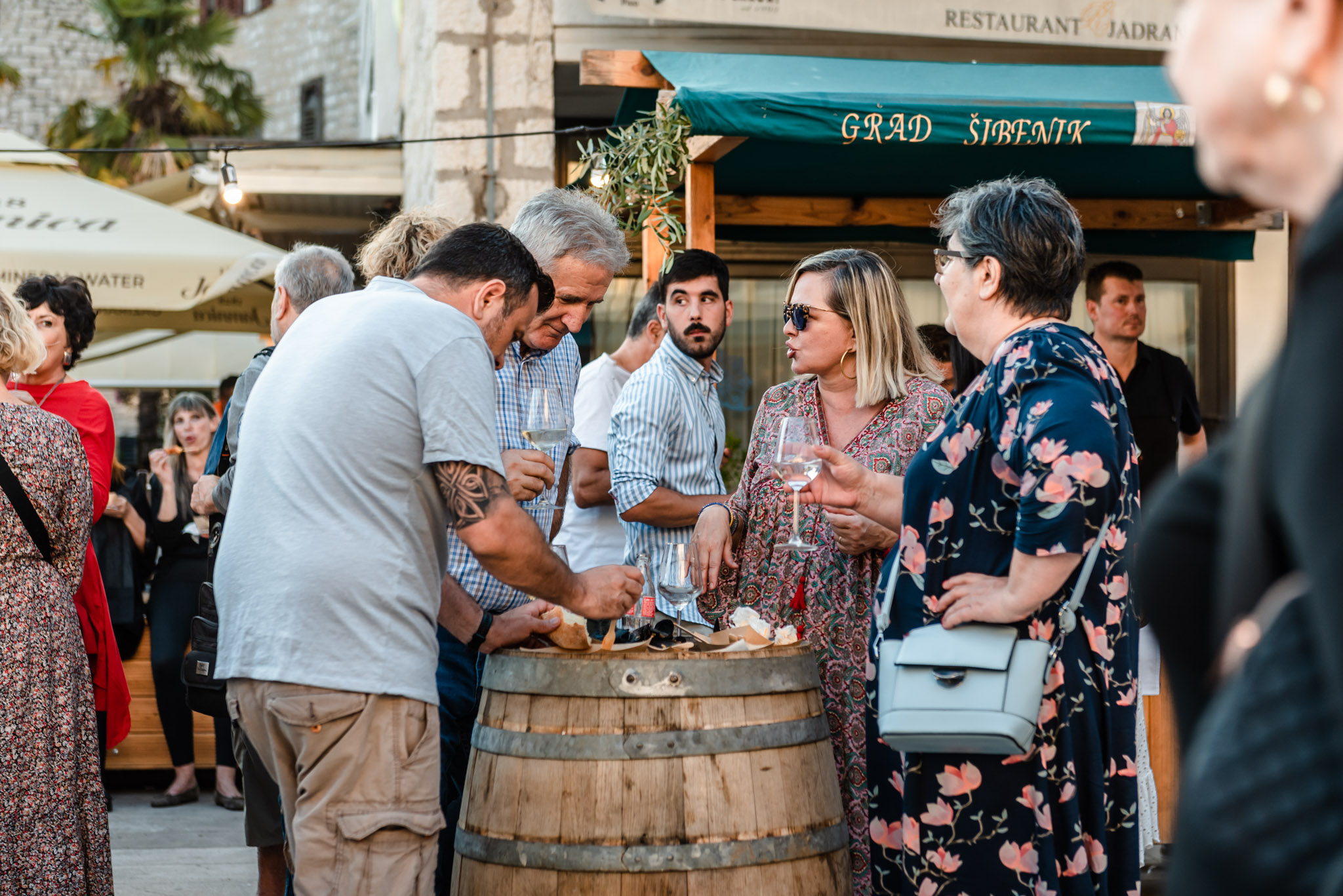 Marenda – A Dalmatian ritual
Sponsored Content What started as a work break has become a well-observed tradition in Dalmatia – one that pairs perfectly with local wine.
-
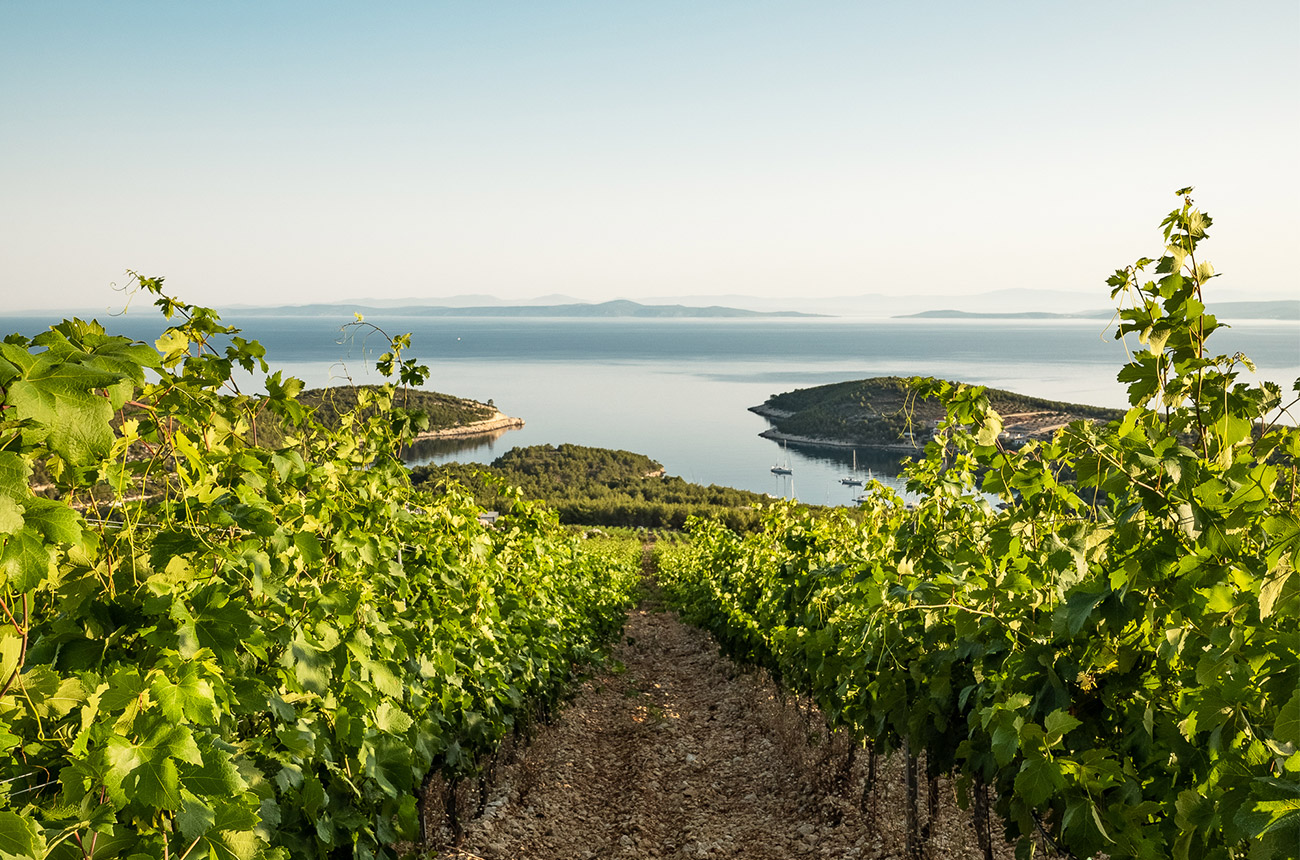 Dalmatia's hall of fame: DWWA winners
Sponsored Content Discover a selection of medal-winning Dalmatian wines from the Decanter World Wine Awards.
-
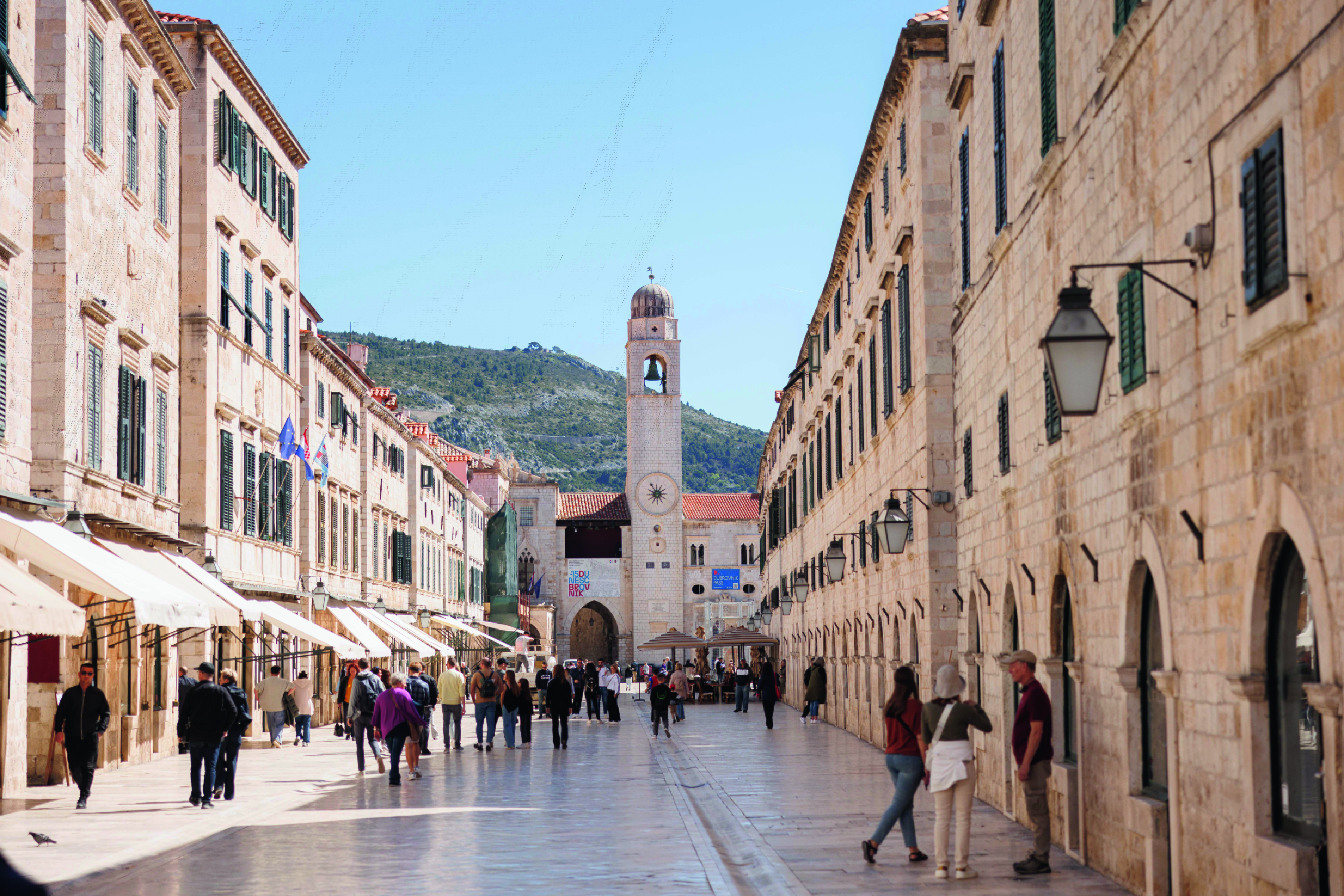 Pomalo: Dalmatia's answer to hustle culture
Sponsored Content A state of mind in Dalmatia, pomalo, which roughly translates as ‘take it easy’, sets the pace of life in this scenic region of Croatia.
-
 A Maldives paradise for wine lovers
The unique wine culture at OZEN RESERVE BOLIFUSHI extends well beyond its carefully curated list with expert tastings, creative pairings and unexpected discoveries to make lasting holiday memories.
-
 Shaping the future of wine & spirits: What’s new at ProWein Düsseldorf?
Sponsored content Returning on 15 – 17 March in Düsseldorf – discover what's new at ProWein in 2026...
-
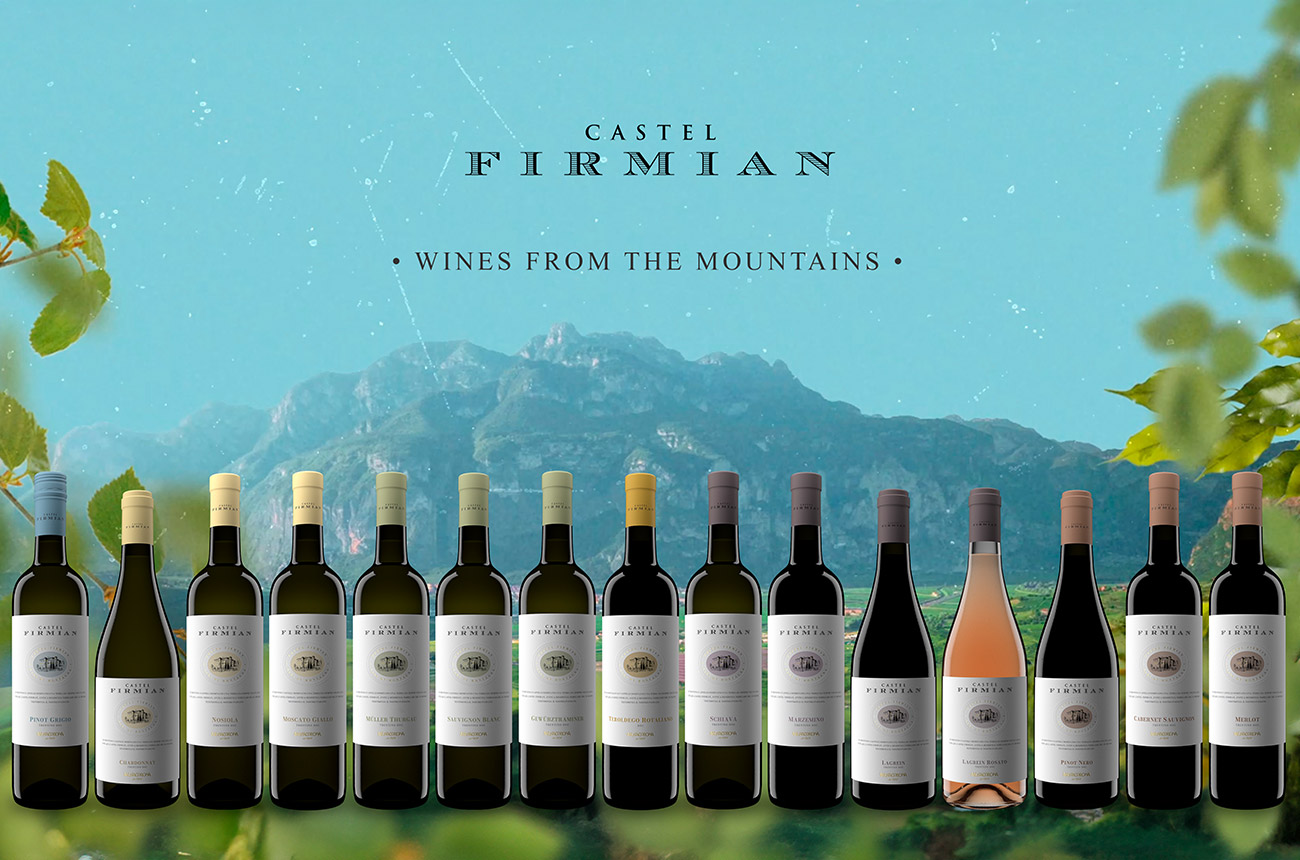 Castel Firmian presents a fresh new look with Wines from the Mountains
Sponsored Content The Trentino winery telling its story with a fresh rebrand...
-
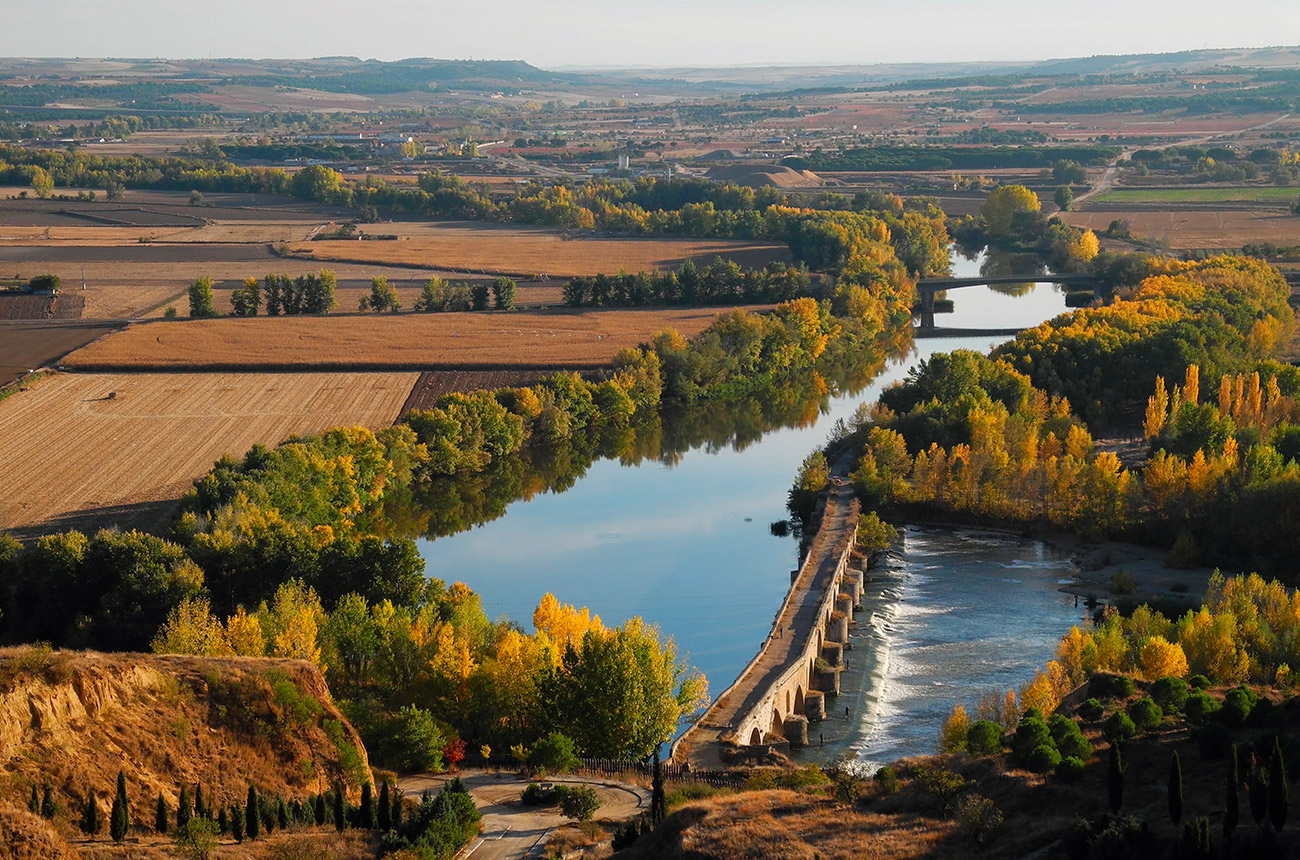 Toro: A tale of resilience, evolution and commitment
Sponsored Content This region’s past offers important clues on how to face present challenges...
-
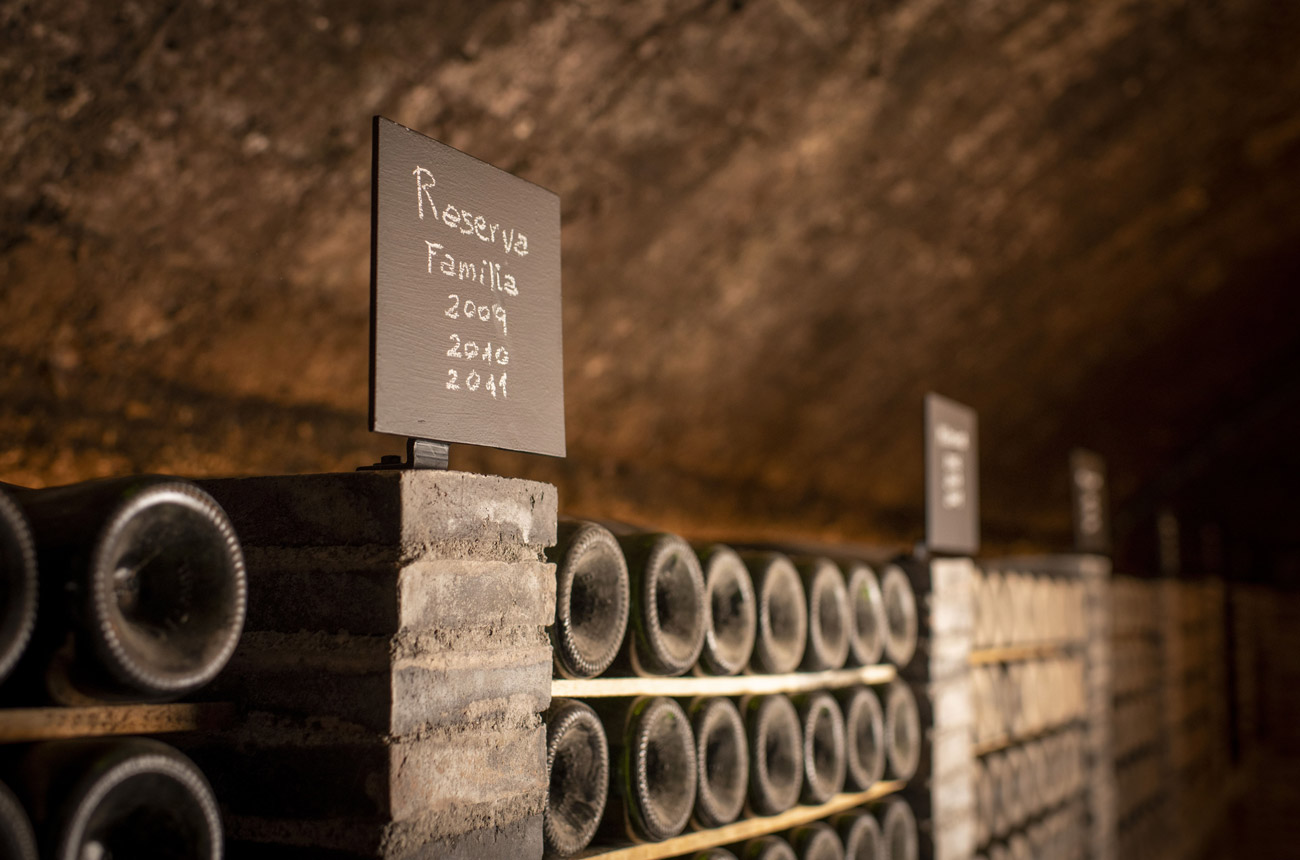 Juvé & Camps: Taking long-aged sparkling wines to new heights
Sponsored content Long-aged sparkling wines that express the craft of the winemakers...


