

Deeply rooted in one of Sicily’s most historic yet dynamic wine regions, Azienda Agricola Cortese is one of two Sicilian estates managed by Trentino-born entrepreneurs Stefano and Marina Girelli. They brought their expertise and passion to the island when they founded Santa Tresa in 2010, and their love for Sicily led to the acquisition of the Cortese estate in 2016.
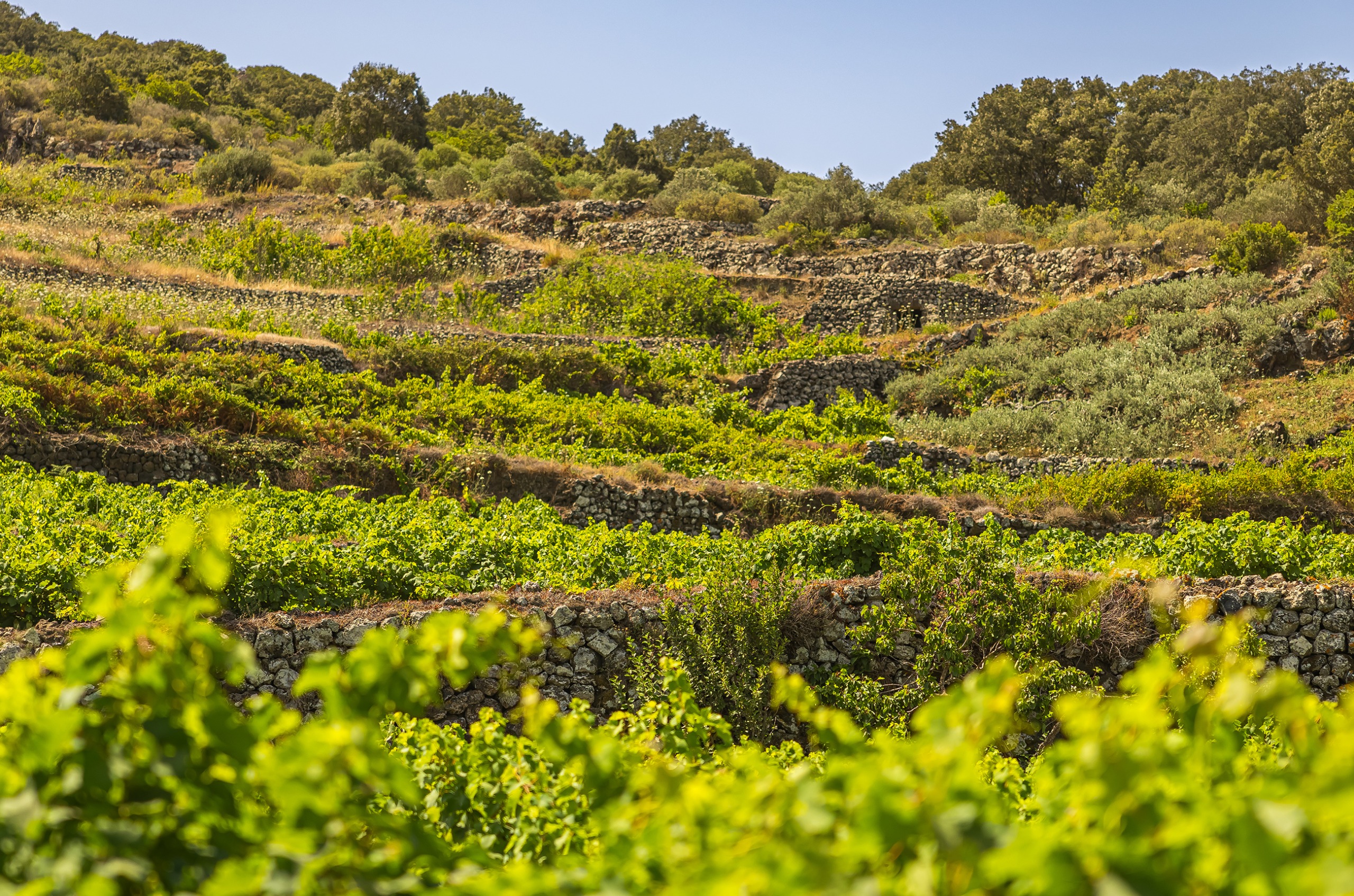
Situated in Vittoria, a cradle of viticulture in southeastern Sicily and home to the region’s only DOCG wine, Cerasuolo di Vittoria, Cortese spans 14 hectares. The sun-drenched hills, lying at 400m elevation, provide an optimal growing environment. ‘Cortese has always practised organic farming. It was therefore a natural step for us to embrace a holistic, regenerative approach that reflects our 360-degree commitment to respecting nature, preserving tradition, and fostering social responsibility,’ says owner Stefano Girelli.

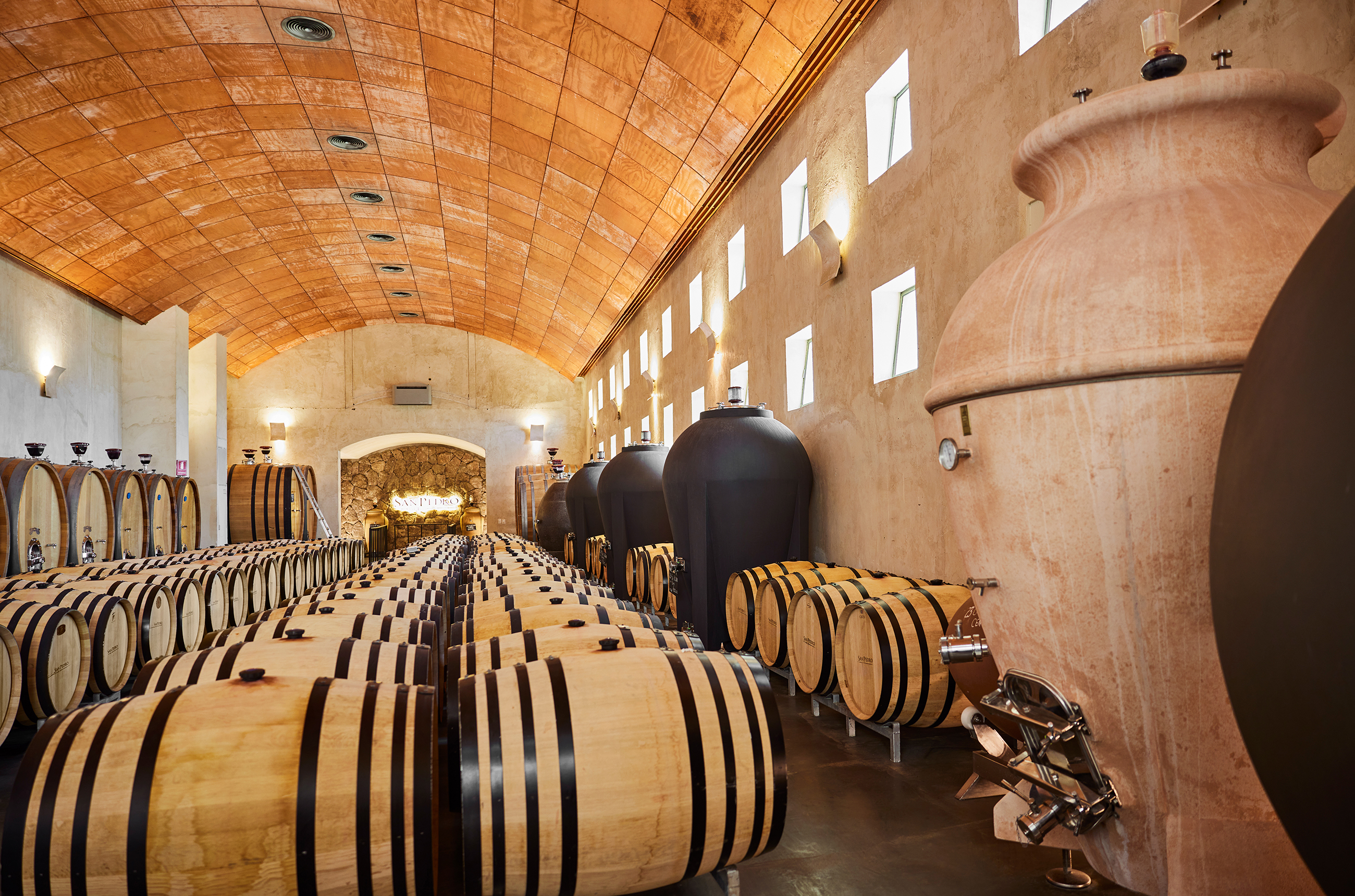
Azienda Agricola Cortese uses amphorae for fermentation.
A deep commitment to sustainability
Natural fertilisation and cover crops allow the vines to thrive naturally, while the surrounding groves of oranges, olives, and almonds create a resilient, interconnected ecosystem.
Plantings occur exclusively through massal selection to preserve genetic diversity. Girelli explains that ‘this philosophy has led us to develop highly ambitious projects, such as our experimental vineyard, where we cultivate more than 35 native varieties and phenotypes.’ This includes Orisi, a variety once considered virtually extinct, and Albanello, one of only a handful of white grape varieties native to the Vittoria area.
Cutting-edge winemaking steeped in tradition
In the cellar, Cortese blends traditional winemaking with modern precision. The estate focuses on Frappato, native to Vittoria, and Nero d’Avola, alongside other indigenous Sicilian varieties. Ancient techniques, such as terracotta fermentation, are inspired by Sicily’s Greek heritage. ‘Our use of amphorae is a cultural choice: we aim to produce wines with absolutely minimum intervention to enhance the identity and authenticity of our terroir,’ affirms chief winemaker Mattia Giacomelli.

Sabuci, Cerasuolo di Vittoria from the La Selezione range.
Certified-organic and vegan-friendly, Cortese produces two distinct ranges of wine:
Nostru showcases varietal expressions of Frappato, Nero d’Avola, Nerello Mascalese, Carricante and Catarratto Lucido, achieving a contemporary style through handpicking, gentle pressing, mild-temperature fermentation, and ageing on the fine lees.
La Selezione is the estate’s premium range. Frappato ages in 7hl terracotta amphorae, while Nero d’Avola undergoes open-barrel micro-fermentation to highlight the exceptional quality of the estate’s historic vineyards. It includes Sabuci, a cutting-edge expression of Cerasuolo di Vittoria, alongside the amphora-aged Boscopiano Frappato, the barrel-aged Senia Nero d’Avola, and Vanedda, a skin-contact wine from Grillo and Catarratto.
An accessible, food-friendly orange wine
The newest addition to the Nostru range is Orange-utan, a vibrantly coloured orange wine, made from 80% Inzolia and 20% Zibibbo, fermented on the skins for two to three and six weeks respectively.

Orange-utan, the newest addition to the range.
Orange-utan expresses Sicily with depth and elegance, showcasing aromas of grapefruit, ripe citrus, light spices, and mint. It marries the exuberance of Zibibbo with the savoury structure of Inzolia, offering the freshness of a white and the gentle tannins of a red. Affordable and versatile, Orange-utan pairs beautifully with a wide variety of dishes – from casual weeknight meals to more sophisticated fare – making it a perfect introduction to Cortese’s philosophy.
Bringing together tradition and innovation, the wines of Azienda Agricola Cortese offer a refreshing interpretation of Sicilian winemaking that beautifully showcases what the island’s native varieties have to offer.
Discover more about Azienda Agricola Cortese
Connect on Facebook | Instagram


-
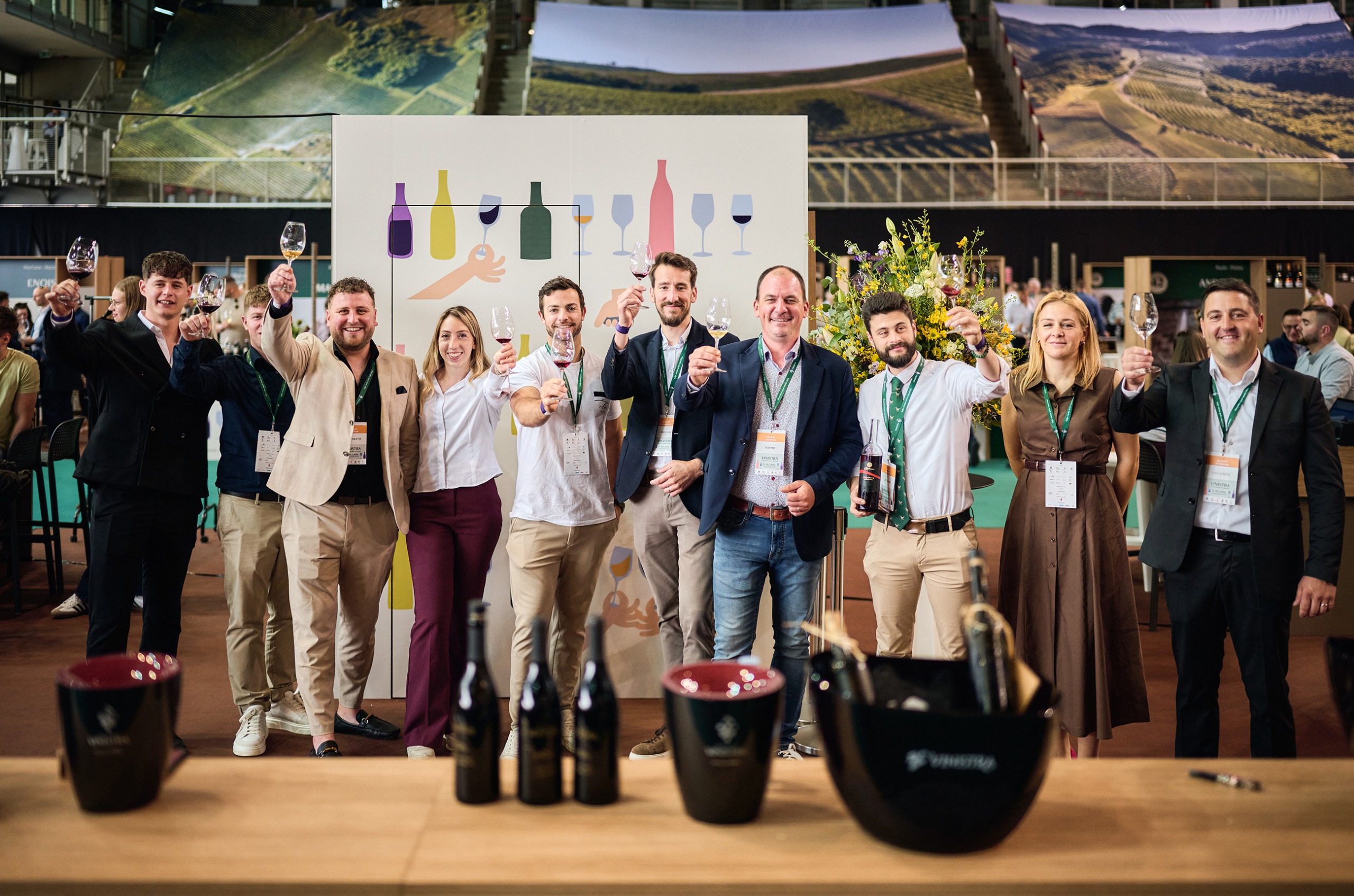 Gen V: The new face of Istria
Sponsored Taking Istria into the future...
-
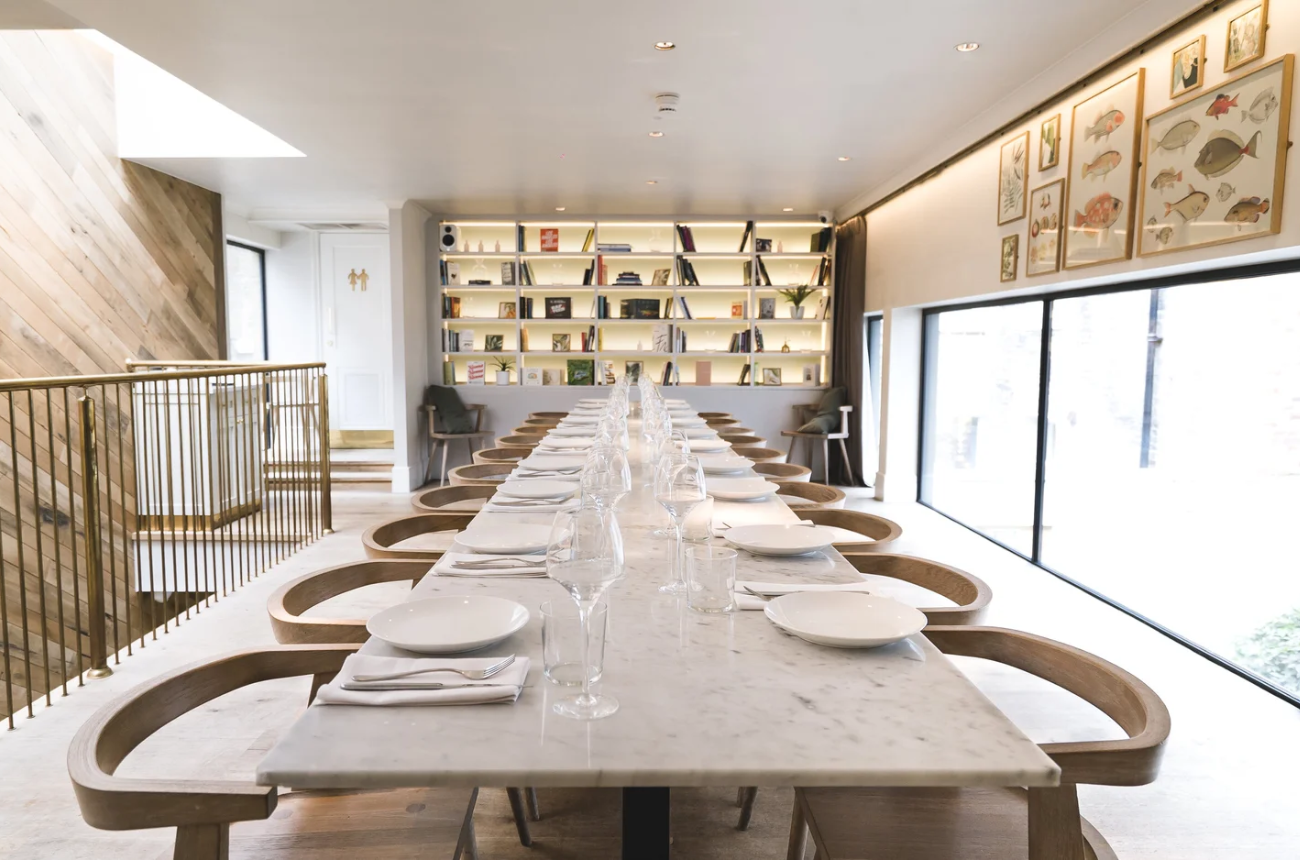 A wine lover’s guide to a perfect weekend in London
With DFWE returning to The Landmark London this November, Gareth Birchley shares his insider guide to a weekend in the capital – from where to dine and stay around Marylebone to the producers and wines he’ll be seeking out at the Grand Tasting.


-
Gen V: The new face of Istria
Sponsored Taking Istria into the future...
-
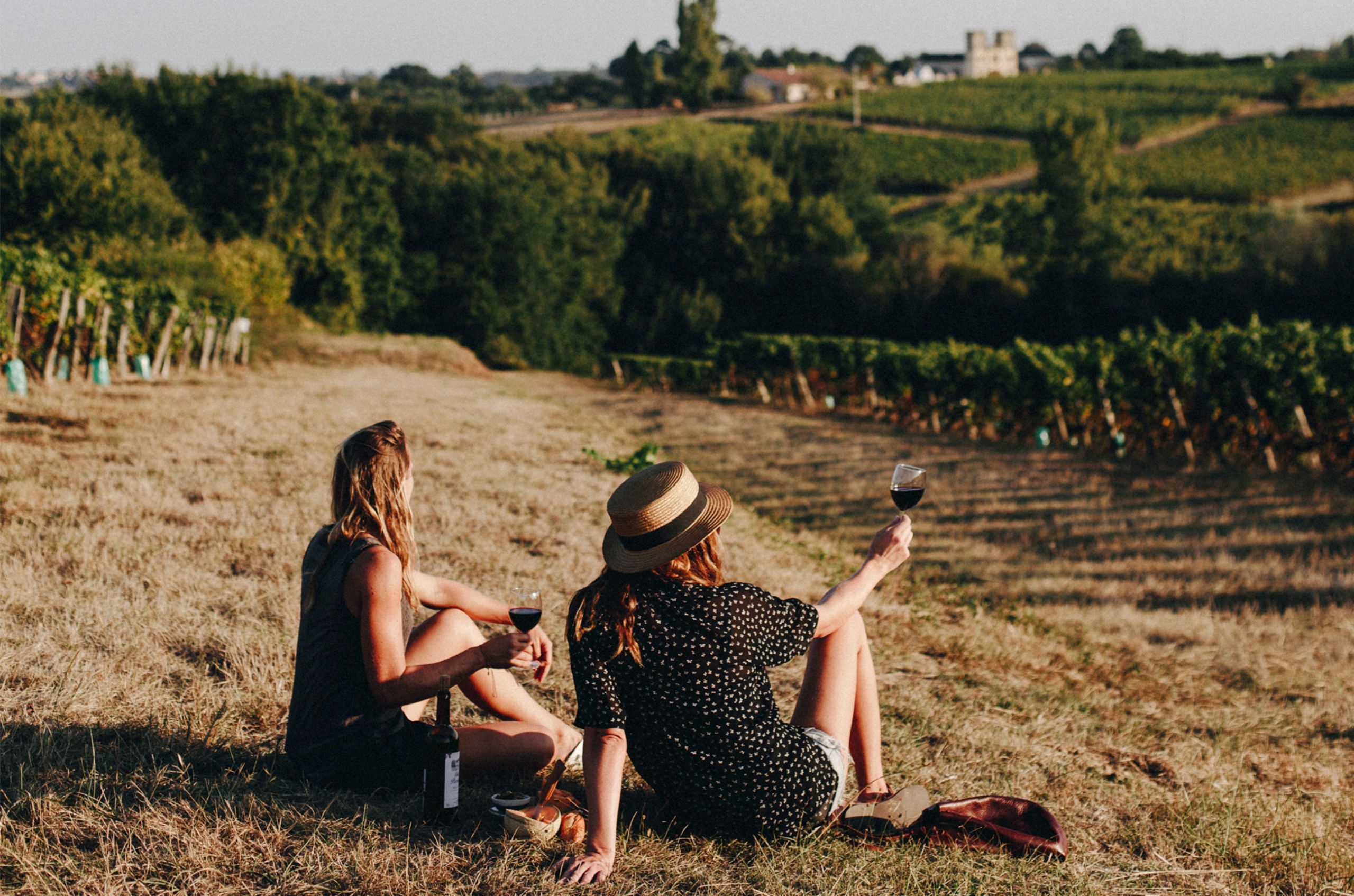 Bordeaux: One region, many voices
Sponsored Bordeaux reds in all shades...
-
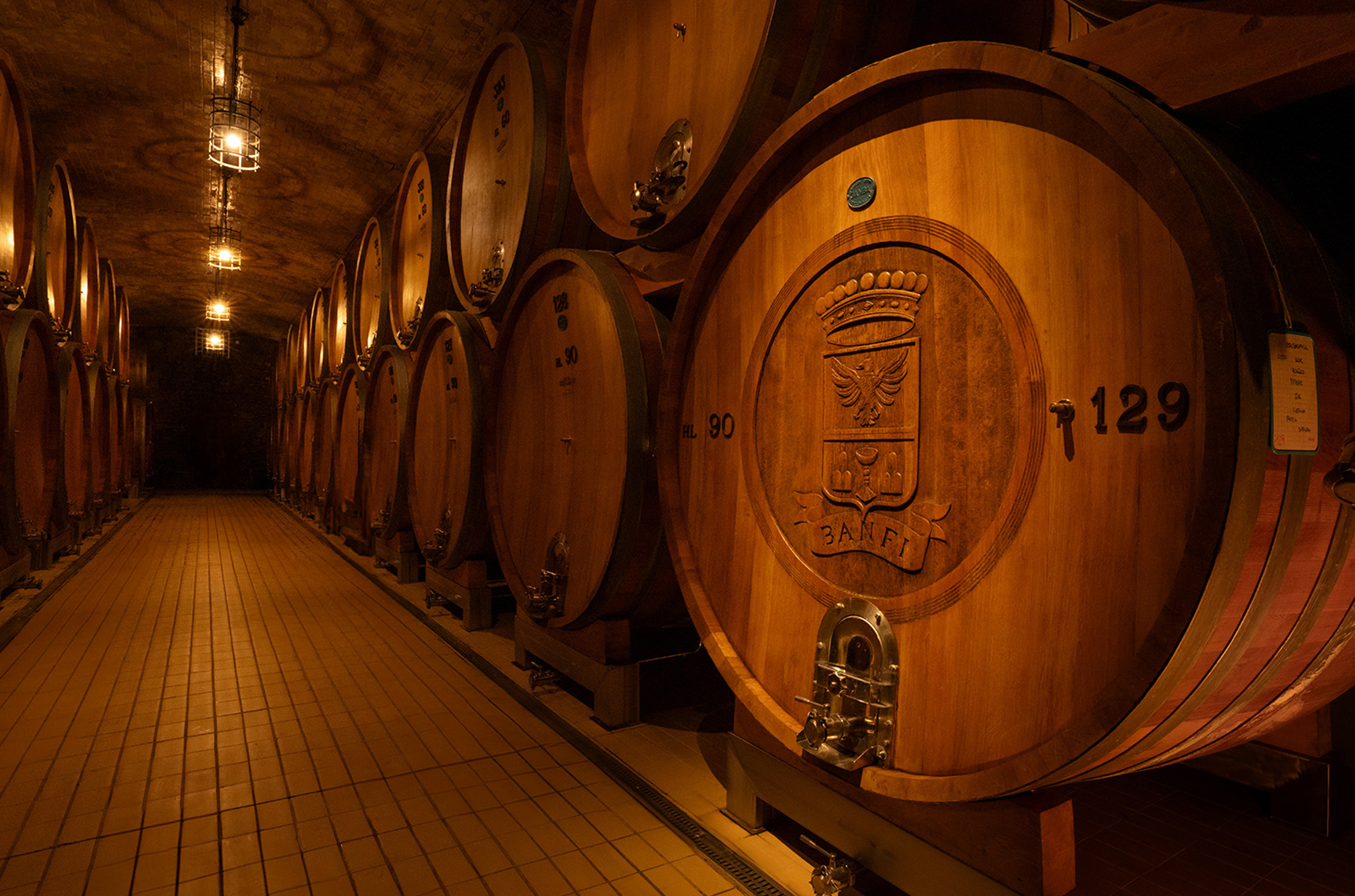 Poggio alle Mura: The Brunello that defines Banfi
Sponsored More than Brunello...
-
 Committed to its craft: Pellegrino’s Sicilian legacy
Sponsored A legacy of quality...
-
 Bouvet Ladubay: 175 years of sparkling know-how
Sponsored One of the Loire's oldest producers...
-
 Pioneers in Cachapoal Andes
Sponsored One of Chile's most compelling regions...
-
 Bodegas HABLA: Shaping the future of Extremadura
Sponsored Building a sustainable future...
-
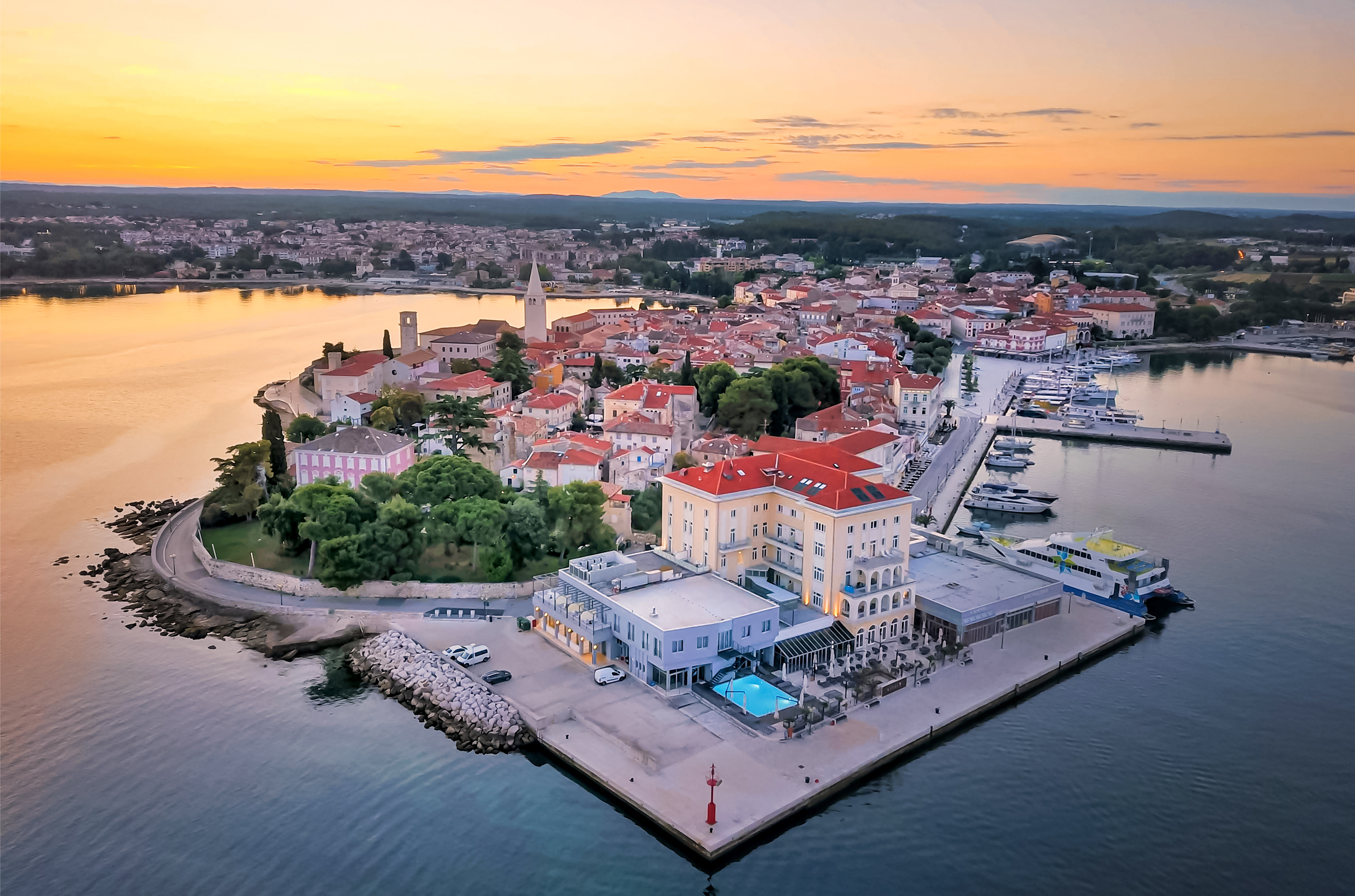 Istria: A postcard from Poreč
Sponsored The ideal weekend getaway...


