

Champagne William Saintot is built on dual principles that seem rarer and rarer in the world of sparkling wine: family continuity, and independence. Based in Avenay-Val-d’Or, the estate founded by William Saintot today remains firmly in family hands. Under the direction of fifth-generation vigneron Morgann Trebutien, the estate farms ten hectares across several villages, producing Champagnes rooted in premier cru terroirs, and shaped by a hands-on approach to viticulture and winemaking.
What inspired your grandfather William Saintot to establish the family domaine?
Morgann Trebutien (MT): William was the oldest child in a family of six children. Later, he helped his father in the vineyards. From the age of 14, he learned the first gestures and techniques of the job. His dream was to own his own vineyards. So, before getting married in 1955, he bought a piece of land called ‘Les Noues’ when he was 19 years old. He cleared the land and removed the tree roots by hand before planting a vineyard. In 1954, he bought his house called ‘La Roseraie’ on the estate, which is today our reception area. This is how the story of Champagne William Saintot began.

Fifth-generation vigneron Morgann Trebutien
When was the first bottle produced under the Champagne William Saintot label?
MT: The first bottle ever produced under the Champagne William Saintot brand came after the construction of a building in 1966 and the installation of his press. The first bottle was produced in 1967, a blend of Pinot Noir and Chardonnay.
Your estate today covers around ten hectares. How are the vineyards distributed across the different villages?
MT: Our Bisseuil premier cru is 1.6 hectares, planted to Pinot Noir, Chardonnay, Petit Meslier and Arbanne B, with one of the Chardonnay plots dating back to 1963. In Mutigny premier cru, we farm about 1.2 hectares in parcels named ‘Les Champs Hérard’ and ‘Les Noues,’ planted to Pinot Noir (some dating back to the 1950s), with some Pinot Meunier.
Avenay-Val-d’Or premier cru represents around 2.7 hectares across parcels such as ‘La Côte de Chignon,’ ‘Les Fêteux’ and ‘Bouchot,’ planted to Pinot Noir with some Chardonnay and Pinot Meunier, including older sites such as Sorange dating back to 1902. In Champignol-lez-Mondeville we farm around 4.75 hectares of parcels including ‘Chatelain’ and ‘La Lochère.’
How does sustainability guide your approach?
MT: Since 2022, we have been certified organic for all our white grape varieties, representing 1.05 hectares. The entire vineyard is managed in accordance with organic farming specifications, but we do not wish to certify all our plots, in order to keep the freedom to act without constraints when weather conditions are too challenging.

From Mutigny to Avenay-Val-d'Or.
Champagne William Saintot exports widely. How is the estate developing internationally?
MT: Between 70% and 80% of our wines are exported to around twenty countries, mainly in Europe, as well as in Asia, Canada and now the USA. We now wish to develop our presence on the American market through our collaboration with Last Bubbles, for all our cuvées across the United States. Our partnership has only just begun, and the wines are currently being shipped to the US. For the UK market, we have been working for several years with the company SIP; the market developed well in 2025, and we hope to continue this progress in 2026.
Our family has the spirit of independent winemakers; we like to do things ourselves. From the very beginning, we produced our own vines, pressed our own grapes, and made our own Champagnes. Today, we continue to produce our Champagnes and vines entirely independently, not only for our own production but also for other prestigious winemakers and Champagne houses like Roederer and Dom Pérignon.
Champagnes to try

William Saintot Prestige Premier Cru Extra Brut NV
97pts
Prestige blends in 30% of a Solera from 2010, with grapes including 70% Pinot Noir and 30% Chardonnay. The baseline of this wine is quite savoury – a kind of sauvage and pure vinous character, with black truffle nuances, cherry pit, and toasted almonds, and a hint of crushed Himalayan pink sea salt. A refined, frothy mousse is expressive and lifts all the savoury notes and the bright red-fruit character. Alc 12.5%

William Saintot Millésime Premier Cru Extra Brut 2018
96pts
The 2018 is a blend of 80% Pinot Noir and 20% Chardonnay. The texture is standout, with exceptionally fine beading and a creamy mousse, lifted by pure, vinous fruit. Notes of cherry and apricot are infused with a sherry-like oxidative nuance. Gorgeously saline on the palate, it shows chalky minerality, with plenty of verve, tension, and length carrying through the finish. Alc 12.5%

William Saintot Blanc de Blancs Premier Cru Extra Brut NV
95pts
This Blanc de Blancs Extra Brut Premier Cru hails from the villages of Avenay-Val-d’Or and Bisseuil, from the 2022 vintage, and is composed of 88% Chardonnay and 12% Petit Meslier. The aromatics are so pure, led by citrus and orchard fruit, with a distinct white chalk and wet slate minerality that conveys freshness and elegance. The mousse is soft and creamy, and the lengthy finish is infused with slivered-almond and nougat notes. Alc 12.5%

William Saintot Blanc de Noirs Premier Cru Extra Brut NV
95pts
The Blanc de Noirs is a wonderfully fragrant and structured Champagne, showing notes of cherry skin and cherry pit, cantaloupe, and bright salinity. A chalky mineral finish brings balance and definition, all framed by a bright, frothy, energetic mousse that makes for a lively sipper. Alc 12.5%

William Saintot Roseraie Premier Cru Extra Brut NV
95pts
Made from 100% Pinot Noir, the wine is vinified in barrel for up to 14 months before blending to soften the colour. In this vintage, 45% of the fruit is macerated, while 55% is pressed directly to barrel; the final colour and texture are shaped by blending the two components with 22% solera reserve wine. The result is a distinctly earthy, expressive wine, bursting with cherry and white raspberry – or Rainier cherry – lifted by a frothy, saline mousse. Subtle nutty undertones add depth, while a briny, highly complex finish is focused and lengthy. Alc 12.5%

William Saintot Trilogie Premier Cru Extra Brut NV
94pts
A blend of 36% Chardonnay, 32% Pinot Noir, and 32% Pinot Meunier. A focused, mineral-rich Champagne with earthy, white and black truffle notes, wet slate, and fresh citrus fruit with slivered almonds all building on the frothy, zesty mousse with a chalky, earthy, and crushed almond finish. Alc 12.5%
Wines tasted in January 2026 and provided for the purposes of featuring in paid-for content.
Discover more about Champagne William Saintot
Connect on Facebook | Instagram


-
 A standout voice in Valpolicella
Sponsored A key name for Valpolicella and Amarone...
-
 Discover the world of Castello di Verrazzano
Sponsored An ancient castle set amid sprawling vineyards...
-
 Barbera d'Asti DOCG: Tradition and modernity in Piedmont
Sponsored Many expressions of one variety...
-
 Sergio Mottura: Excellence in Tuscia
Sponsored A renowned figure in Lazio...
-
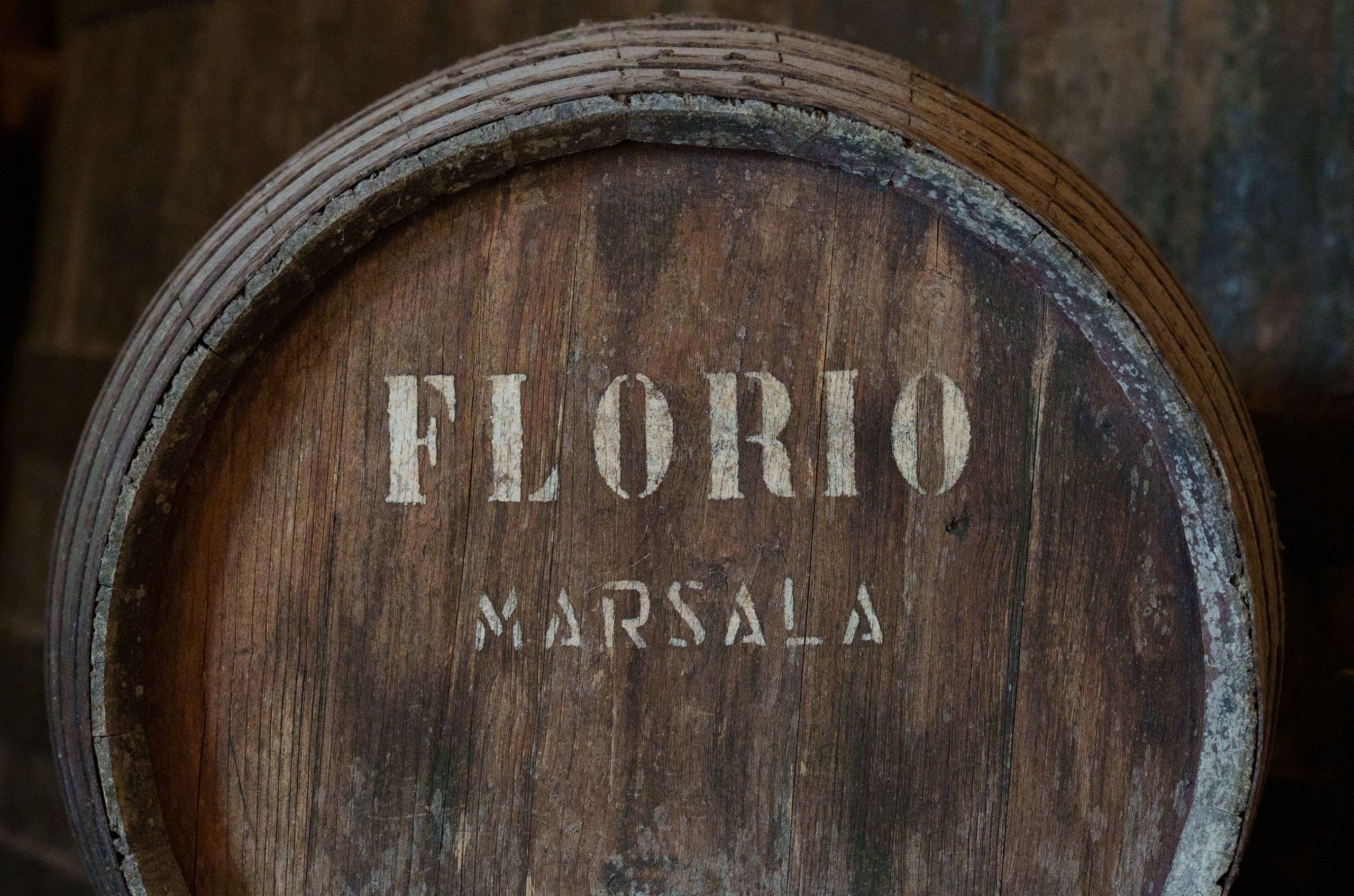 Florio: Winning new fans while respecting Marsala’s history
Sponsored An important milestone in Marsala...
-
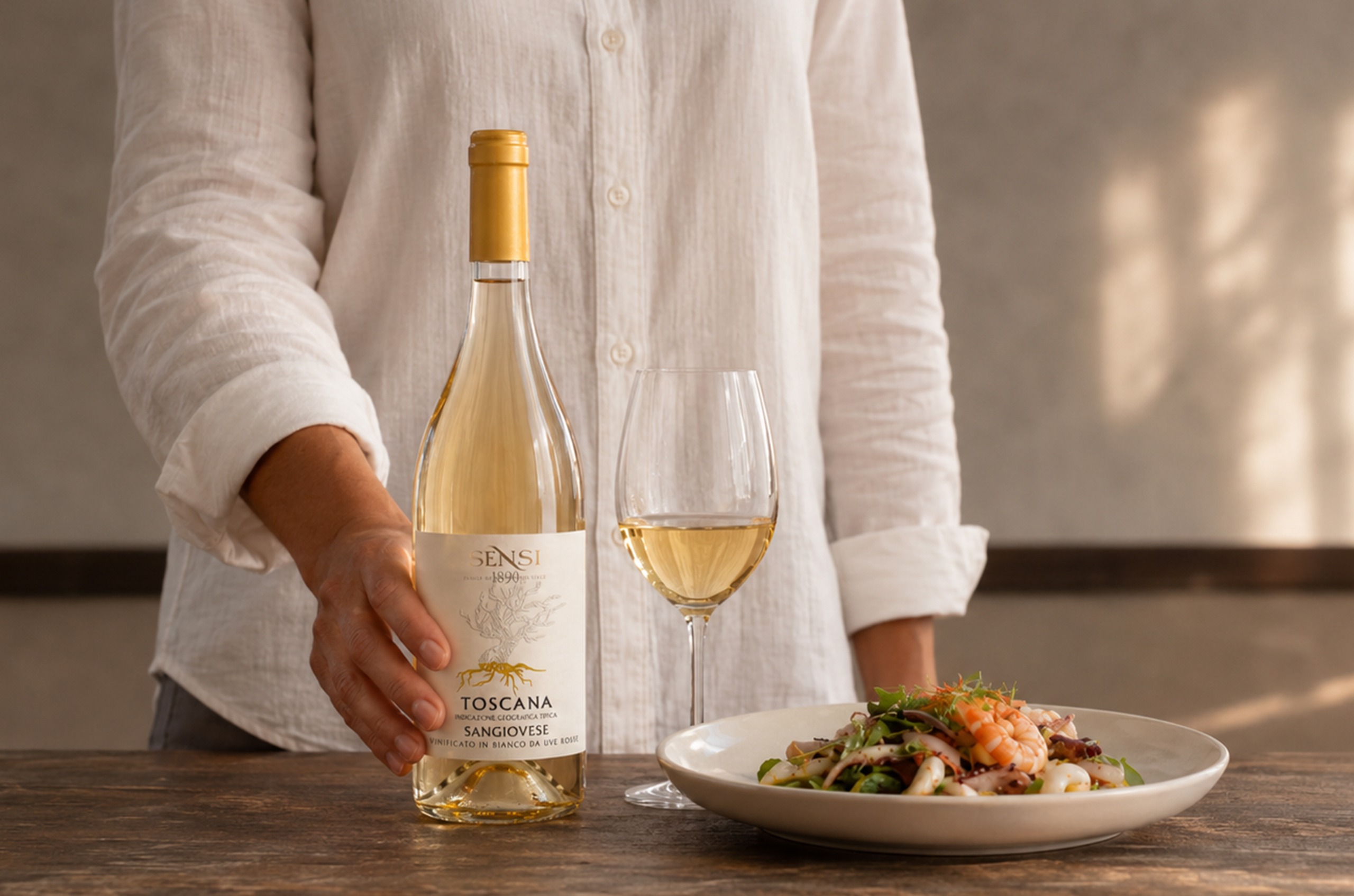 Sensi Vini: The gateway to your Italian wine exploration
Sponsored Chianti and beyond...
-
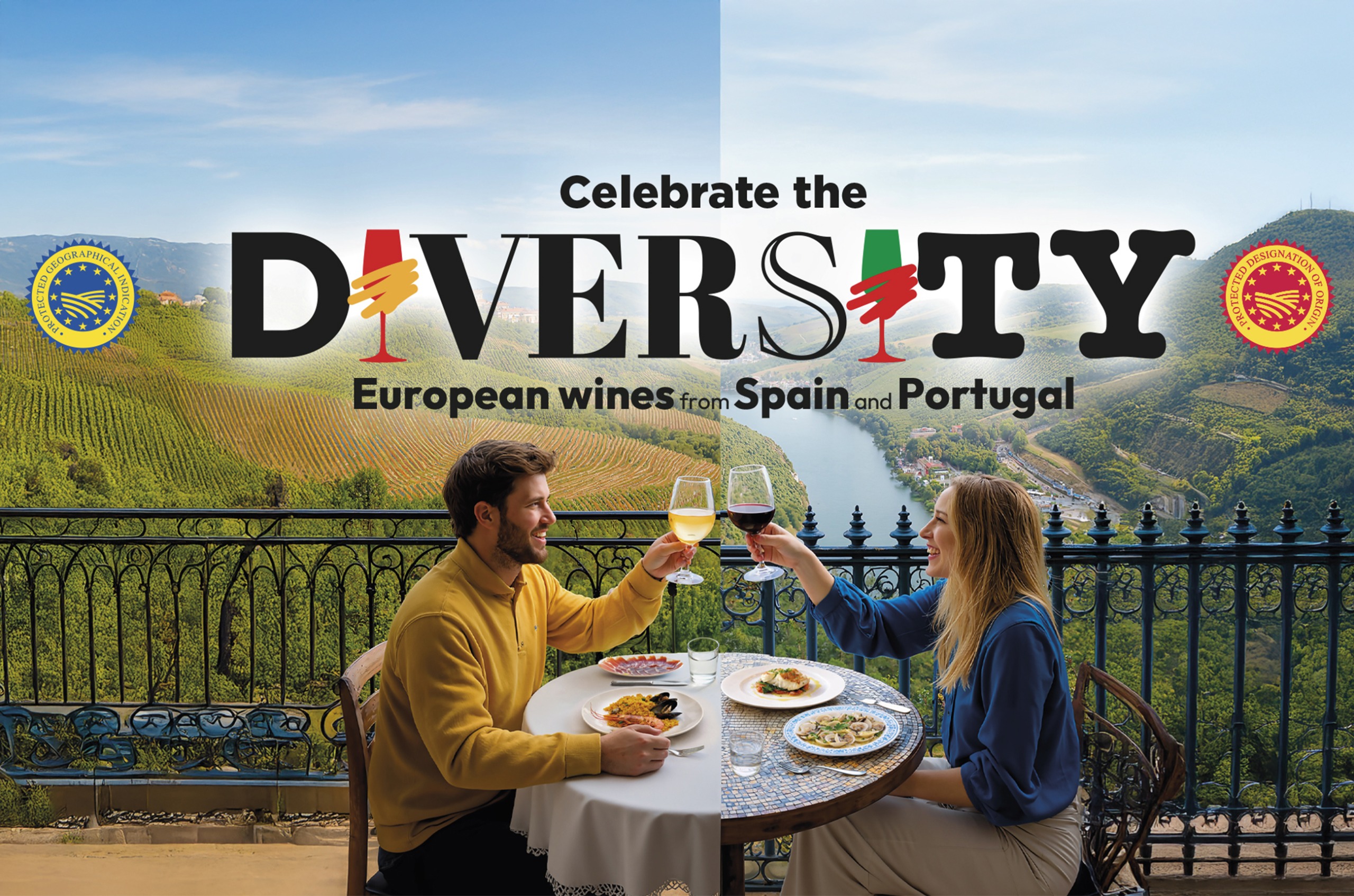 Celebrating European diversity
Sponsored Introducing the ‘Celebrate the Diversity’ project...
-
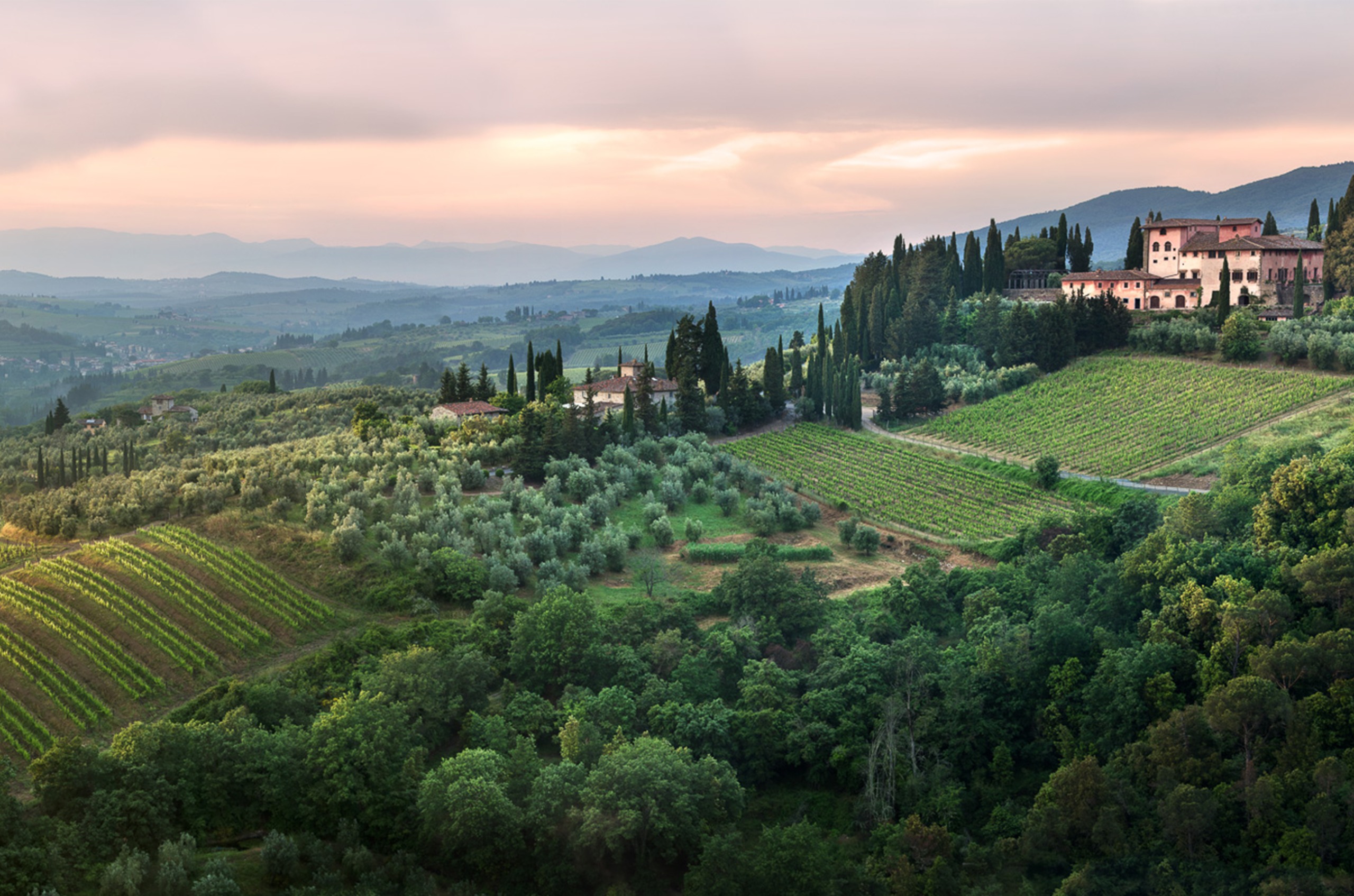 Reinterpreting Tuscan tradition with Vignamaggio
Sponsored An idyllic traditional farm...


