

Promotional Feature, sponsored by Apcor
Get to grips with all cork offers...
Cork: Quality and reputation
For centuries, providing stoppers for wine has been the cornerstone of cork’s long-unshakeable reputation.
It’s been fully deserved, although you could argue that with the rise of screwcaps, synthetic closure and increasing awareness of TCA (trichloroanisole) – colloquially known as cork taint –some thought this might spell the end for cork’s dominance as the closure of choice.
Yet, cork has come back fighting and reigns supreme, being the preferred closure for over 90% of wine drinkers around the world. The vast majority of wine producers also consider it to be the only option when it comes to settling on a closure, as it allows their wines to age both gracefully and precisely.
Certainly, part of its appeal is its close association with a premium product.
Studies have shown that we are more likely to hold a bottle of wine in higher regard if it comes topped with a natural cork than with an artificial closure. That perhaps taps into our unconscious, but it’s a trend which is also realised on the high street: more often than not, you’ll find that the majority of wines at your local merchant which are under screwcap, or others, reside towards the lower end of the price spectrum.
Despite such talk of premiumisation, the threat of TCA has been very real, and the cork trade has risen to the challenge, putting its shoulder to the wheel and investing well over 500 million euros in research and development over the last decade.
It is forever tapping into the very latest technological advances to cement natural cork as being the prerequisite closure for the world’s most discerning wine producers and drinkers, and such efforts have borne fruit with the design of a stopper which offers a non-traceable TCA guarantee.

Furthermore, if you thought that keeping a lid on your much-loved Bordeaux Classed Growth was pretty much the be all and end all of cork’s usefulness, then it’s time for a rethink. Cork is a supremely dexterous operator; it has a plethora of tricks up its sleeve.
For example, cork is utilised by NASA due to its superb performance at the high temperatures its exposed to on exit and entry to the earth’s atmosphere (it has a thermal capacity of 2,000°C); you’ll also see it in the seats, steering wheels and gear sticks of concept cars from Mercedes Benz where it decreases weight and increases acceleration, or for those who prefer to move more sedately you will find it lining Philippe Starck-designed cycling helmets and, of course, the world-famous Birkenstock sandals.
Finally, when you need to come to a complete stop, you can now even lay yourself down on a mattress layered with cork – its honeycomb structure being much-lauded for its resistance to moisture and abrasion.
However, talk of space travel or a good night’s sleep is all well and good. These indeed are intriguing evolutions which showcase the scope of cork’s talents, but for the likes of us still play second fiddle to the most important string in cork’s bow; simply as a seal to a bottle of wine.
Up until now, many might not have thought twice about their wine closure or the investment behind their development – however natural cork has truly proved that it is built for the future and it remains that those looking for quality should look for natural cork.

-
 Riesling wine quiz: Test your knowledge
Can you get a perfect score?...
-
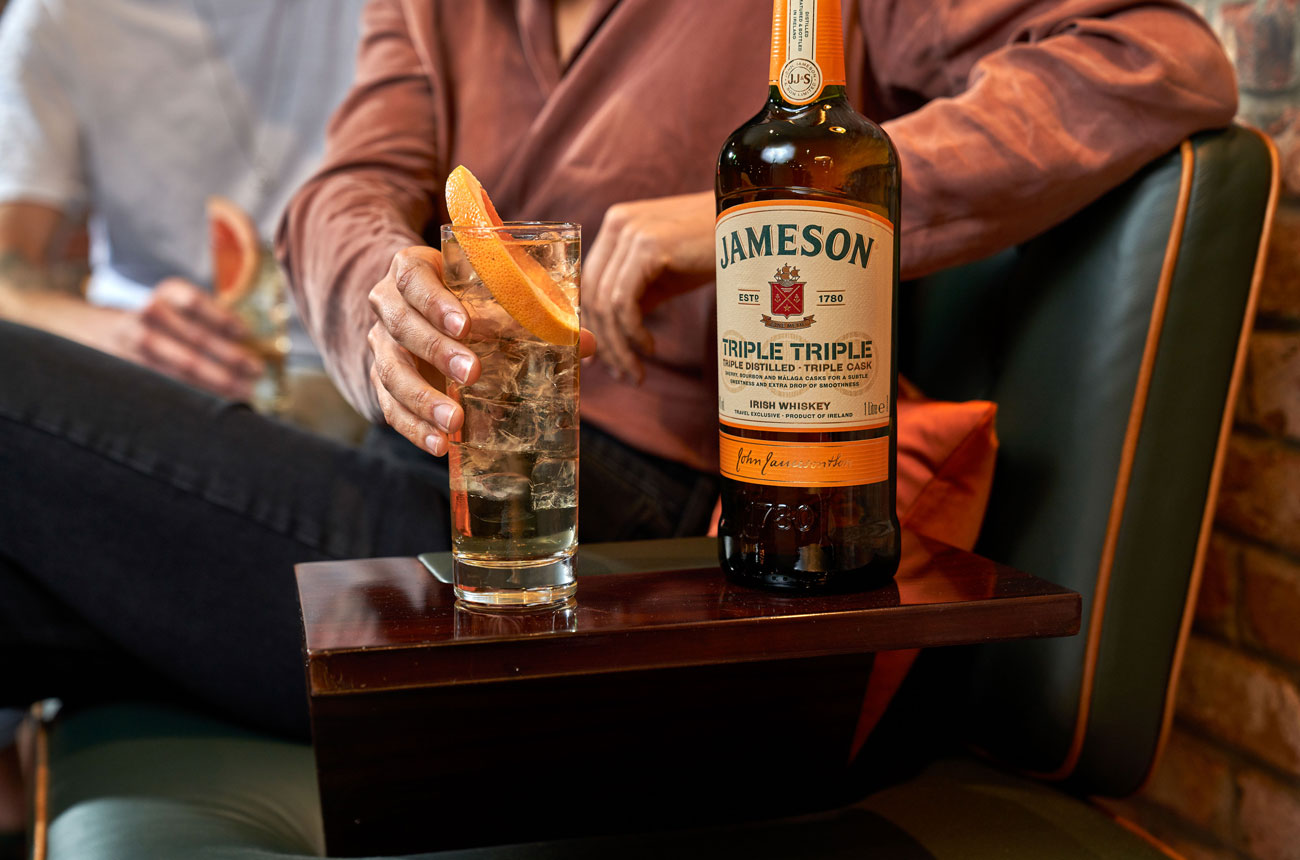 Why Irish whiskey loves sweet and fortified wine casks
Barrels used to age Marsala, Madeira and Sauternes have a special affinity with triple-distilled Irish whiskeys, thanks to a combination of history and distilling. This St Patrick’s Day, explore the sweeter side of drams from the Emerald Isle, with six great bottles to try.


-
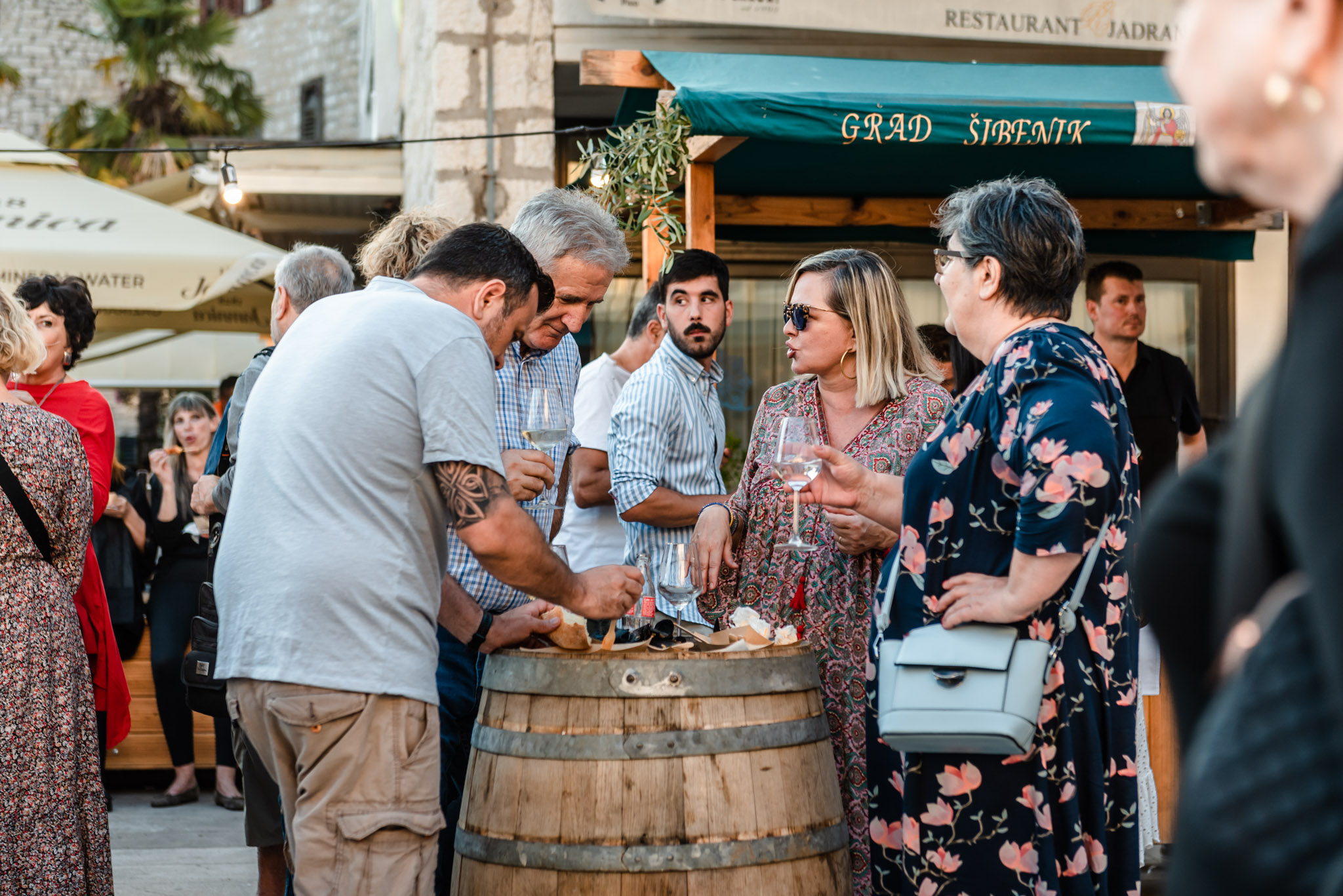 Marenda – A Dalmatian ritual
Sponsored Content What started as a work break has become a well-observed tradition in Dalmatia – one that pairs perfectly with local wine.
-
 Dalmatia's hall of fame: DWWA winners
Sponsored Content Discover a selection of medal-winning Dalmatian wines from the Decanter World Wine Awards.
-
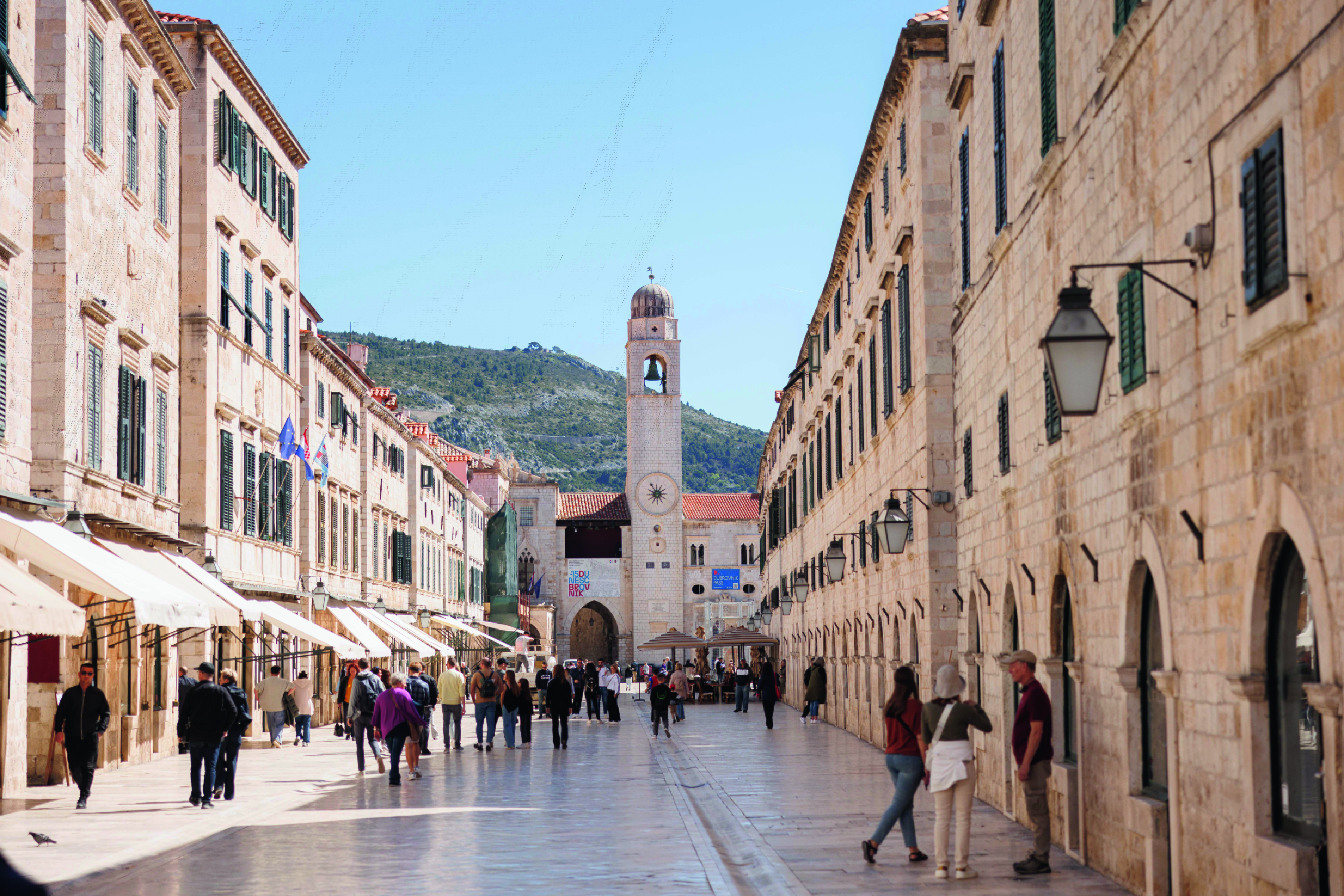 Pomalo: Dalmatia's answer to hustle culture
Sponsored Content A state of mind in Dalmatia, pomalo, which roughly translates as ‘take it easy’, sets the pace of life in this scenic region of Croatia.
-
 A Maldives paradise for wine lovers
The unique wine culture at OZEN RESERVE BOLIFUSHI extends well beyond its carefully curated list with expert tastings, creative pairings and unexpected discoveries to make lasting holiday memories.
-
 Shaping the future of wine & spirits: What’s new at ProWein Düsseldorf?
Sponsored content Returning on 15 – 17 March in Düsseldorf – discover what's new at ProWein in 2026...
-
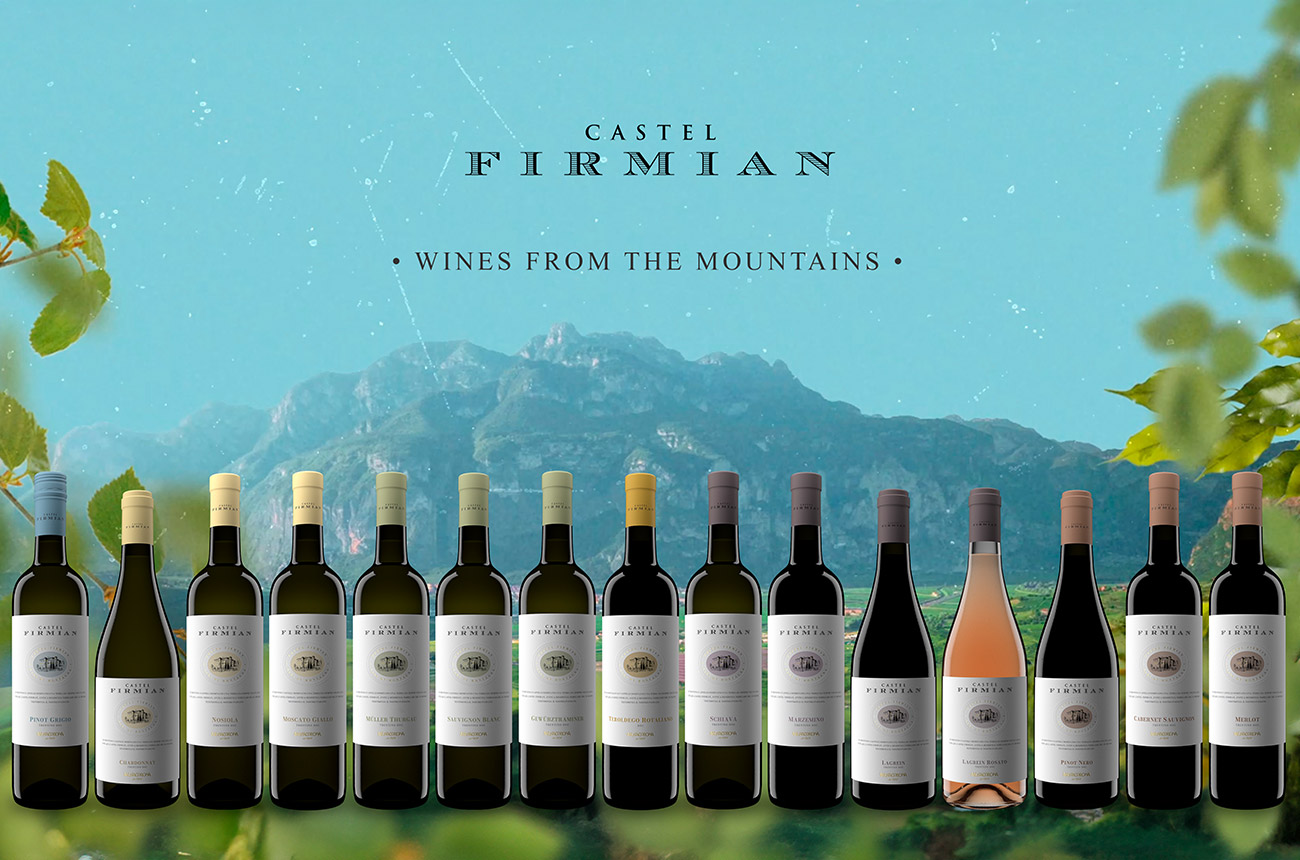 Castel Firmian presents a fresh new look with Wines from the Mountains
Sponsored Content The Trentino winery telling its story with a fresh rebrand...
-
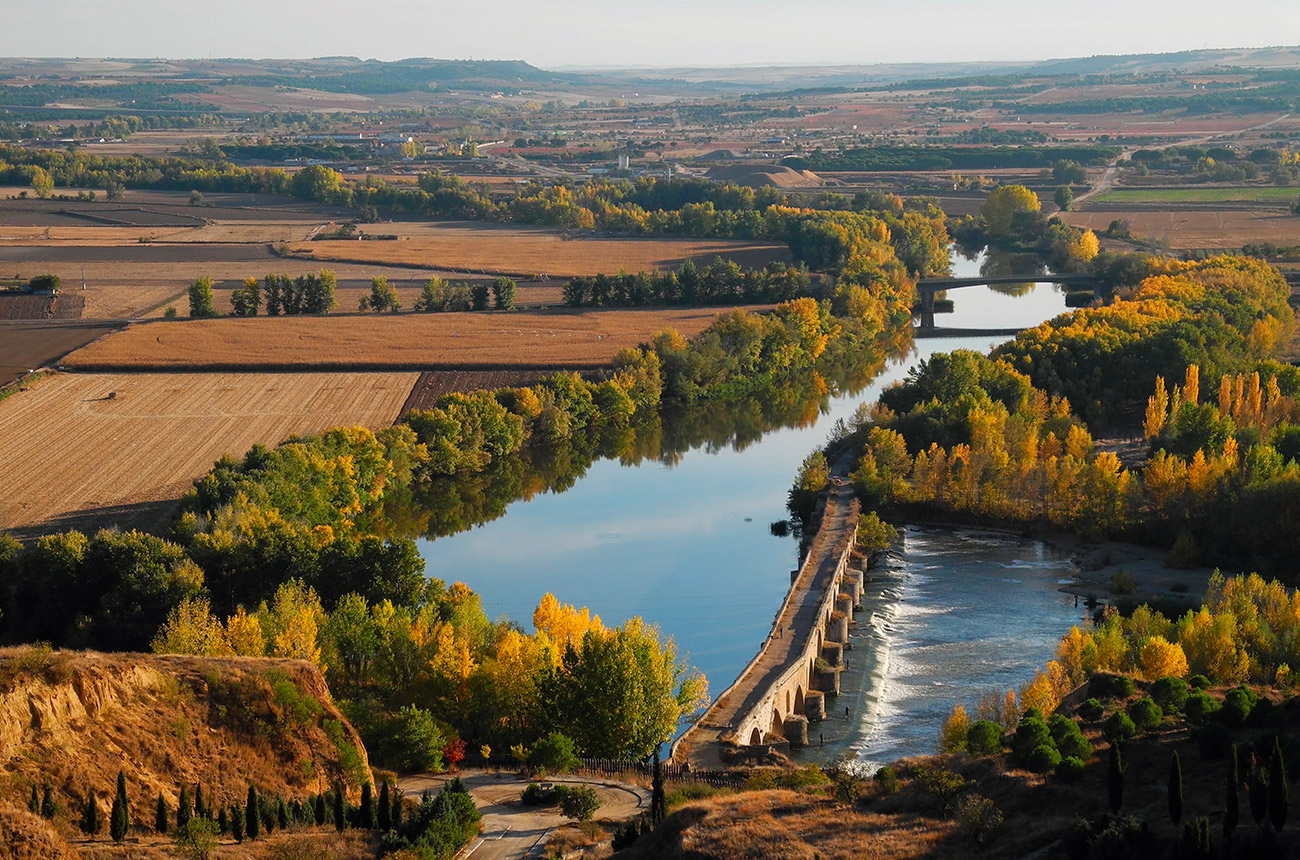 Toro: A tale of resilience, evolution and commitment
Sponsored Content This region’s past offers important clues on how to face present challenges...
-
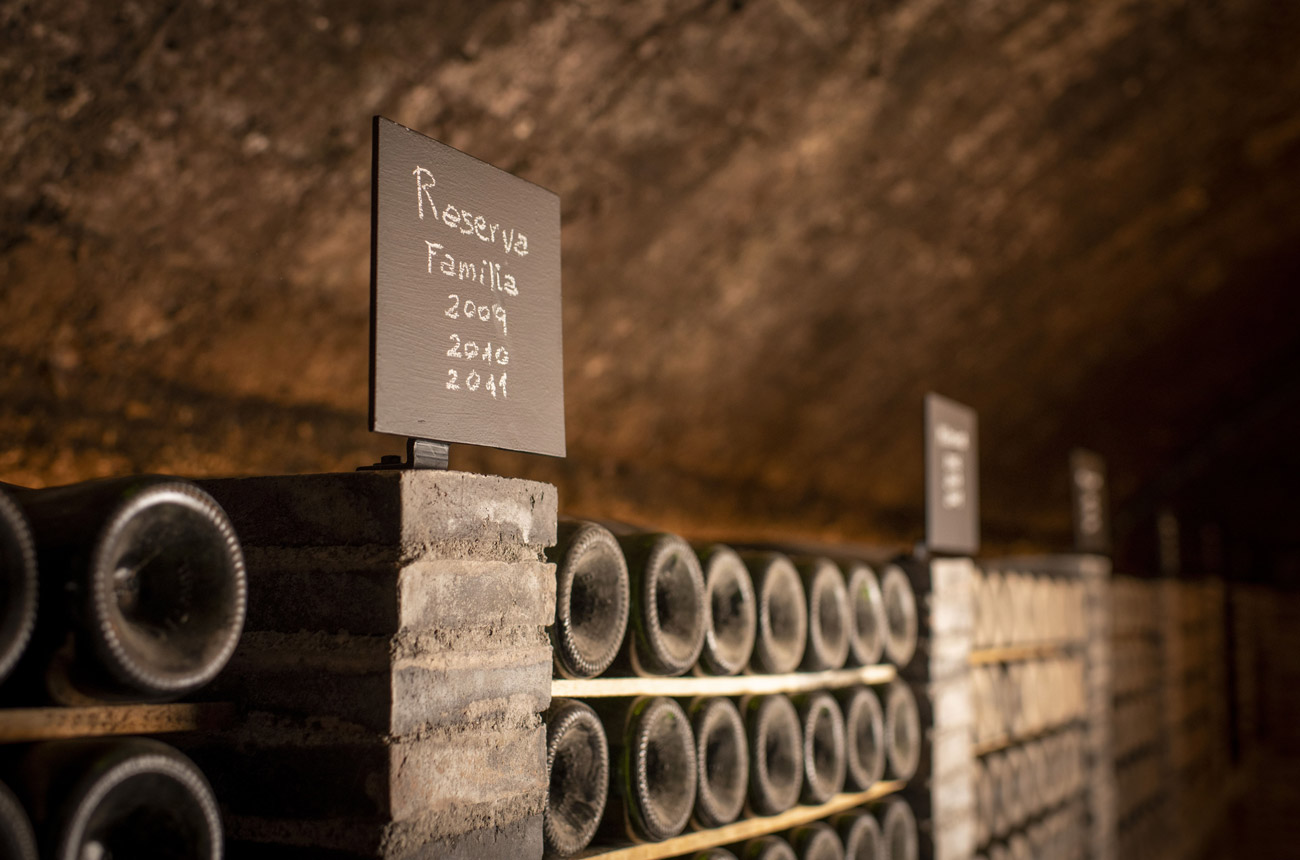 Juvé & Camps: Taking long-aged sparkling wines to new heights
Sponsored content Long-aged sparkling wines that express the craft of the winemakers...


