

Inland, west of Tokyo, lies the landlocked prefecture of Yamanashi. It’s famous for three things: the majestic Mount Fuji, delicious fruit (especially peaches and table grapes) and Japan’s unique grape variety, Koshu. (Koshu means ‘grape of Yamanashi’). It’s no surprise that the first ever Japanese wine to be chosen as a Top 50 Best in Show at the Decanter World Wine Awards (in 2024) was a Koshu (see Koshu: Meet the winemakers creating modern expressions of Japan’s ancient grape ). Japan’s oldest grape variety has earned its place amongst the world’s fine wine varieties, with a distinct character and sense of place.

Diverse by nature
Koshu has come of age, and a new generation of winemakers is expressing the diversity of their terroirs, focussing on viticulture. Diversity is the keyword. The vineyards rise from 200 metres up to 700 metres towards the mountains that enclose the region. The soils vary across clay, granite, gravel and andosols, soils of volcanic origin. Mount Fuji is the iconic example of Japan’s volcanic landscape. Aspects and slopes vary considerably in an area which has the longest sunshine hours in Japan.
The climate is challenging, with hot summers and summer rains with the risk of typhoons. Humidity is a constant in the summer risking mildew. Fortunately the thick-skinned, pinky-red Koshu grape is able to withstand disease pressure. The traditional pruning method is the pergola. The overhead network of leaves protects the bunches underneath from the summer rain. Koshu is a vigorous vine and this form of pruning also controls the growth. More recently some producers are working successfully with vertical shoot positioning, notably Grace.

The wine styles are as diverse as the terroirs. Koshu itself has a pristine, delicate, aromatic elegance with notes of melon and pear, fresh with well-balanced alcohol. Some producers like to highlight its citrus character. Lees-aged Koshus have a round, softness. Oak-aged Koshus can have more complexity. Increasingly popular are skin contact, ‘orange’ Koshus, which have increased texture in the mouth, and are versatile for food matching. There’s also sparkling Koshu. What is becoming very clear is that the best Koshus have excellent potential for ageing. Yamanashi is not just Koshu: also explore the reds and rosés. There is a tradition of Bordeaux varieties, while Petit Verdot and Syrah both show real promise.
Visiting Yamanashi
Koshu country is an easy journey from Tokyo (90 minutes by train). There is a good selection of hotels in the region, and it’s easiest to visit the wineries by car. Visit the Daizenji temple, said to be the home of Koshu, and Miyakoen the first winery in the region (1896). Eat out and discover how well Koshu matches with classics like sushi and tempura, as well as a range of fish dishes.

Koshu of Japan
Koshu of Japan (KOJ) was created in 2009 in Yamanashi Prefecture to promote Koshu and build international recognition for this unique variety. There are nine members:
Katsunuma Jozo (Aruga Branca Wine)
Discover Koshu: Meet the winemakers creating modern expressions of Japan’s ancient grape for their individual stories.

Discover more about Koshu of Japan
Connect on
Facebook | Instagram | YouTube

Read more about Koshu wines:
Koshu: Meet the winemakers creating modern expressions of Japan’s ancient grape

-
 Why Irish whiskey loves sweet and fortified wine casks
Barrels used to age Marsala, Madeira and Sauternes have a special affinity with triple-distilled Irish whiskeys, thanks to a combination of history and distilling. This St Patrick’s Day, explore the sweeter side of drams from the Emerald Isle, with six great bottles to try.
-
 The nomads: Winemakers who wander
Footloose and fancy-free...


-
 Marenda – A Dalmatian ritual
Sponsored Content What started as a work break has become a well-observed tradition in Dalmatia – one that pairs perfectly with local wine.
-
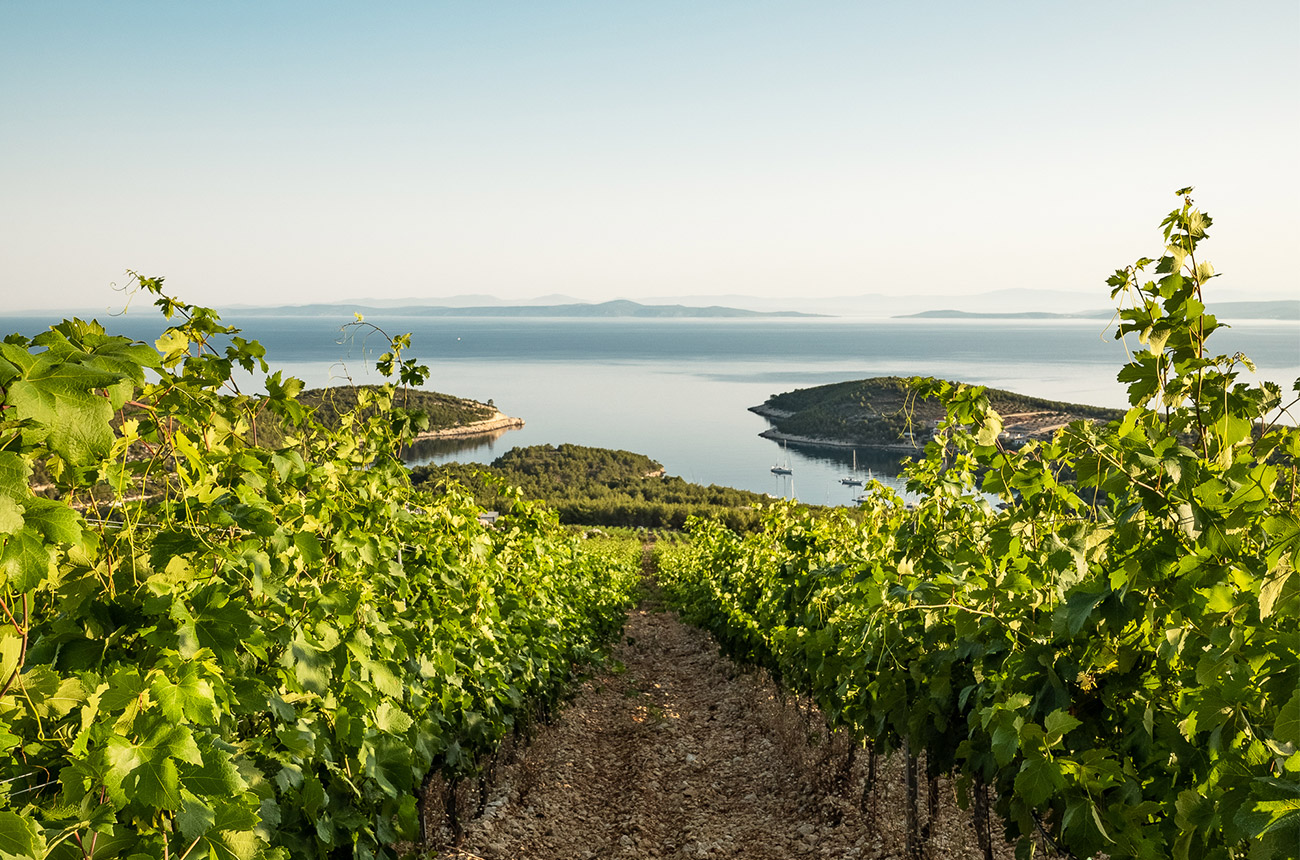 Dalmatia's hall of fame: DWWA winners
Sponsored Content Discover a selection of medal-winning Dalmatian wines from the Decanter World Wine Awards.
-
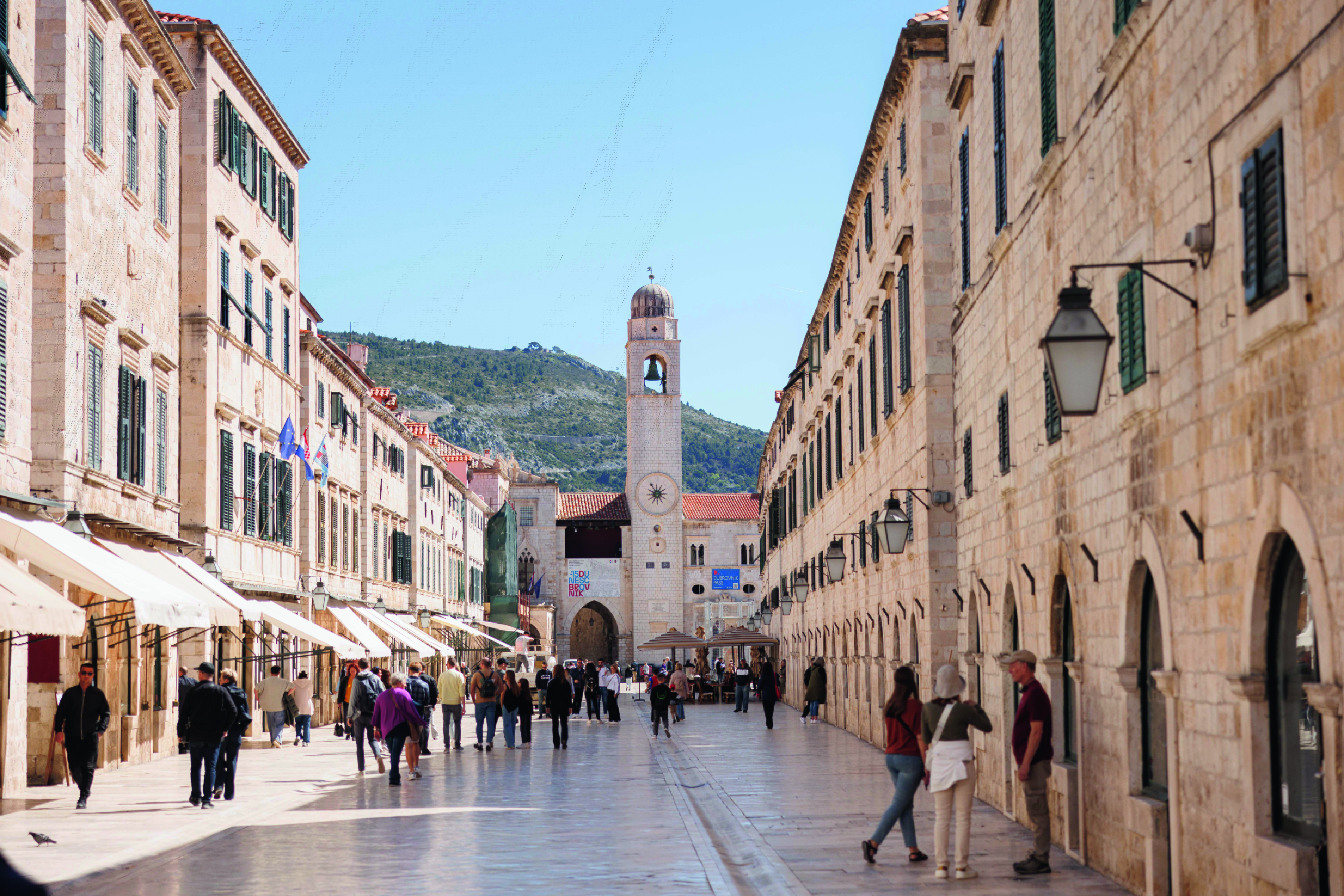 Pomalo: Dalmatia's answer to hustle culture
Sponsored Content A state of mind in Dalmatia, pomalo, which roughly translates as ‘take it easy’, sets the pace of life in this scenic region of Croatia.
-
 A Maldives paradise for wine lovers
The unique wine culture at OZEN RESERVE BOLIFUSHI extends well beyond its carefully curated list with expert tastings, creative pairings and unexpected discoveries to make lasting holiday memories.
-
 Shaping the future of wine & spirits: What’s new at ProWein Düsseldorf?
Sponsored content Returning on 15 – 17 March in Düsseldorf – discover what's new at ProWein in 2026...
-
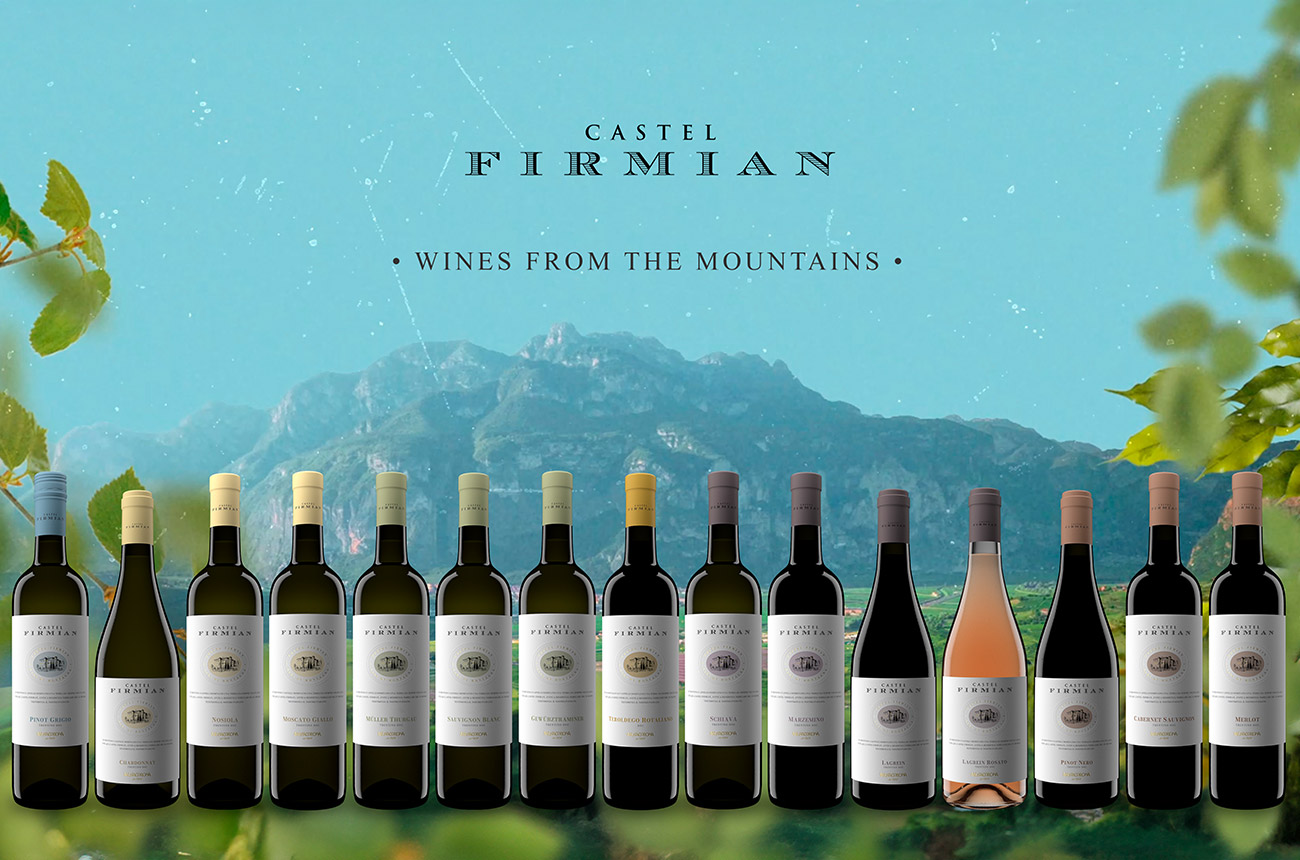 Castel Firmian presents a fresh new look with Wines from the Mountains
Sponsored Content The Trentino winery telling its story with a fresh rebrand...
-
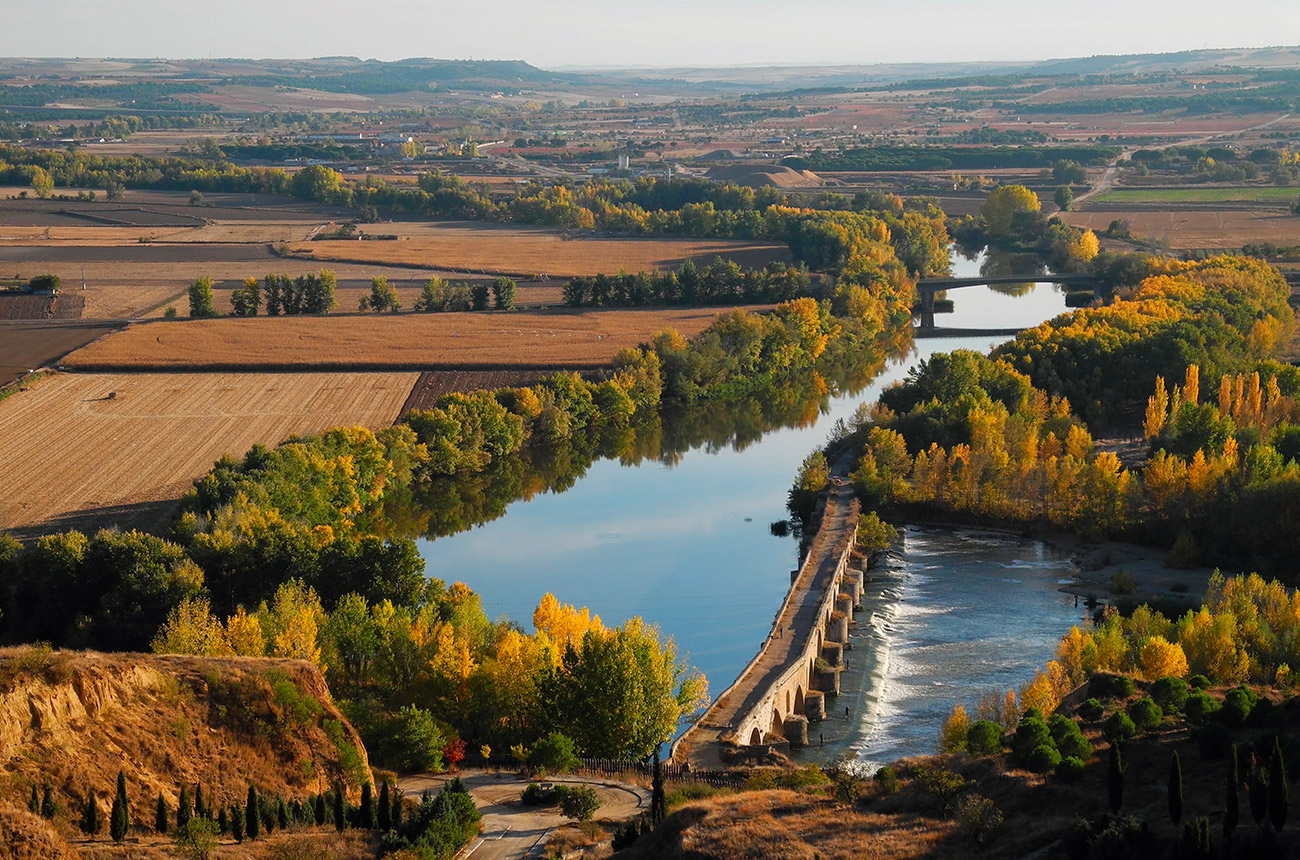 Toro: A tale of resilience, evolution and commitment
Sponsored Content This region’s past offers important clues on how to face present challenges...
-
 Juvé & Camps: Taking long-aged sparkling wines to new heights
Sponsored content Long-aged sparkling wines that express the craft of the winemakers...


