

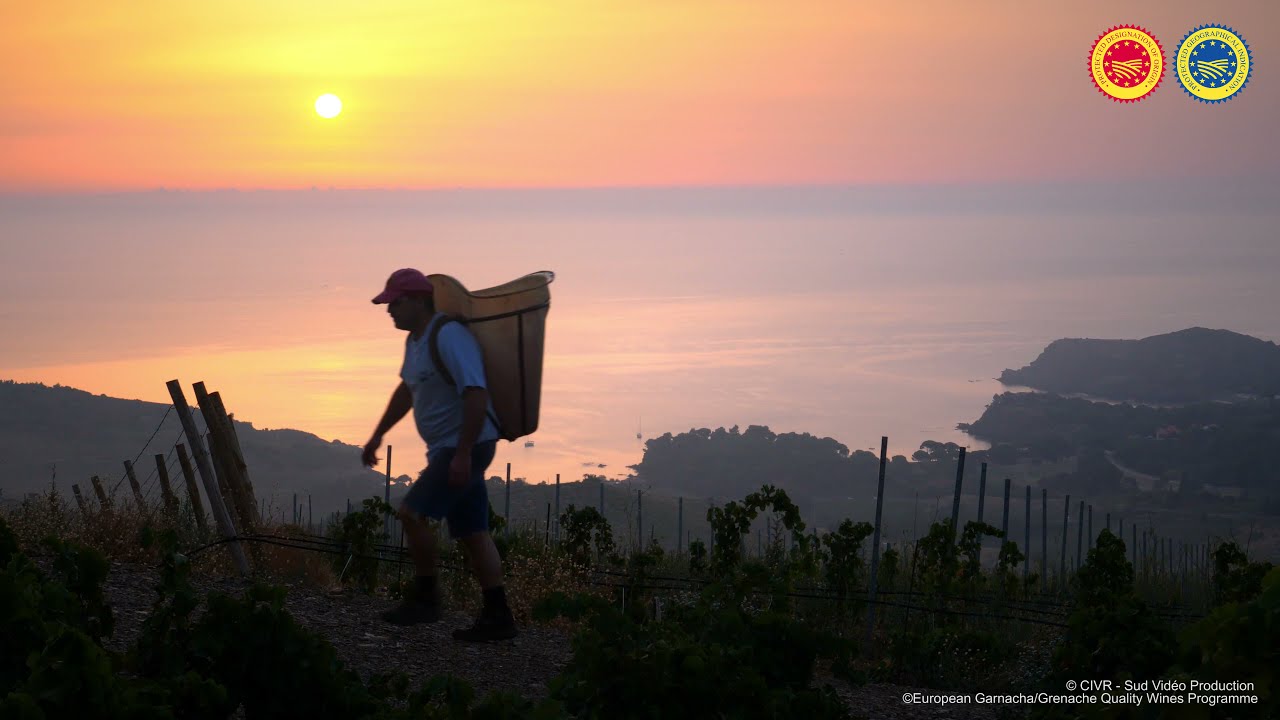
Wine history defines cultural territories, united by shared traditions and viticultural landscapes, that transcend political and economic borders. This could certainly be said of the European regions in North-Eastern Spain and the South of France where Garnacha (a.k.a. Grenache) has its spiritual home in Europe, and nearly 93 % of the world’s Garnacha/Grenache vines are planted. Although European Garnacha/Grenache is now one of the world’s most widely planted grape varieties, its origin can be traced back to this corner of the Mediterranean where it remains at the core of the regions’ identity.

Three PGIs and 14 PDOs within Roussillon Geographical Indications and five Spanish Protected Designations of Origin (DO Calatayud, DO Campo de Borja, DO Cariñena, DO Somontano and DO Terra Alta), have now joined forces, supported by European Union AGRIP funds, to promote Garnacha/Grenache, highlighting that its full potential is best harnessed in its European birthplace. Although only a handful of vines survived the terrible phylloxera blight in the late 19th century, Europe is where some of the world’s oldest Garnacha/Grenache plants can be found, resulting on low yields, fruits of incredible concentration and complexity, with the deep roots stablished on poor and dry soils, allowing terroir to truly come through in each bottle.
As part of the European Union campaign to promote high quality agricultural products, European Garnacha/Grenache Quality Wines carry guarantee of their provenance and quality, with their regional names, characteristics and products protected by EU Geographical Indications quality schemes (Protected Designation of Origin, PDO and Protected Geographical Indication, PGI). These ensure excellent quality, European standards covering safety, traceability, authenticity, labelling, respect for the environment and sustainability, as well as the characteristics of EU agricultural and food products, including quality, taste, diversity and traditions, among other aspects.

European Garnacha/Grenache’s versatility and expressiveness lends itself to a variety of terroirs and winemaking approaches, translated into a variety of styles, from sparkling to still (whites, rosés or reds; either light or full bodied) and even fortified sweet wines, all with multiple food pairing possibilities. Highly sensitive to variations in growing conditions, in both time and place, the variety requires winemakers attuned to how European Garnacha/Grenache, from each given terroir and vintage, can be best interpreted and handled. An art that winemakers in Mediterranean Europe have mastered, building upon centuries of knowledge passed on from one generation to the next.

This joint venture of Spanish and French producers is a tribute to this European legacy, as well as a shared commitment to promote terroir-led expressions of European Garnacha/Grenache, invest in the best viticultural and winemaking practices, and work with a focus on quality and sustainability. The variety’s resilience and adaptiveness, especially when grown on the terroirs where it historically developed, in fact make it particularly suited to face the challenges of erosion, drought and climate change.
Join us on a journey of discovery across the European landscapes where Garnacha/Grenache was born and continues to thrive. Each wine will tell a fascinating story of tradition, history and craft.
Discover more about European Garnacha/Grenache here
Connect on: Facebook | Instagram | Twitter |

-
 Riesling wine quiz: Test your knowledge
Can you get a perfect score?...
-
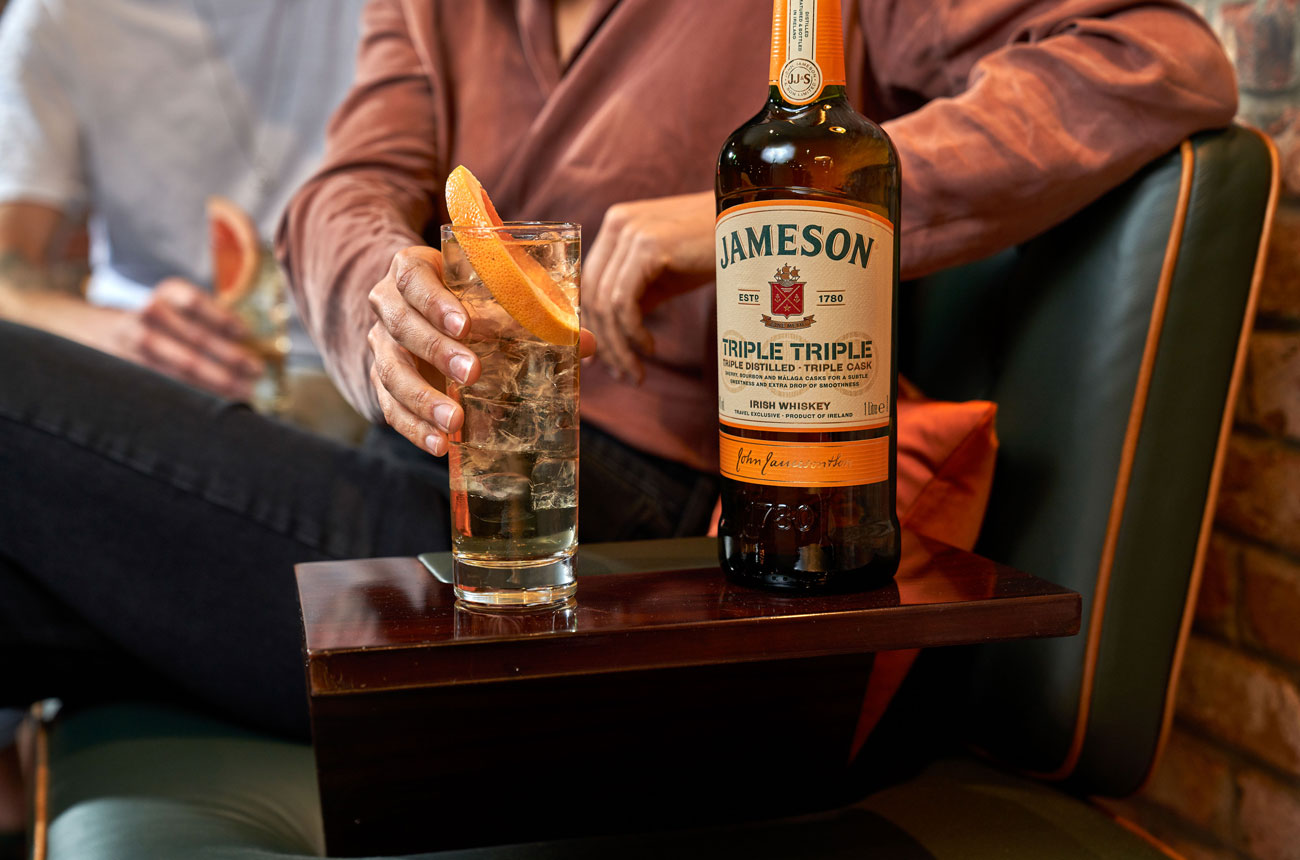 Why Irish whiskey loves sweet and fortified wine casks
Barrels used to age Marsala, Madeira and Sauternes have a special affinity with triple-distilled Irish whiskeys, thanks to a combination of history and distilling. This St Patrick’s Day, explore the sweeter side of drams from the Emerald Isle, with six great bottles to try.


-
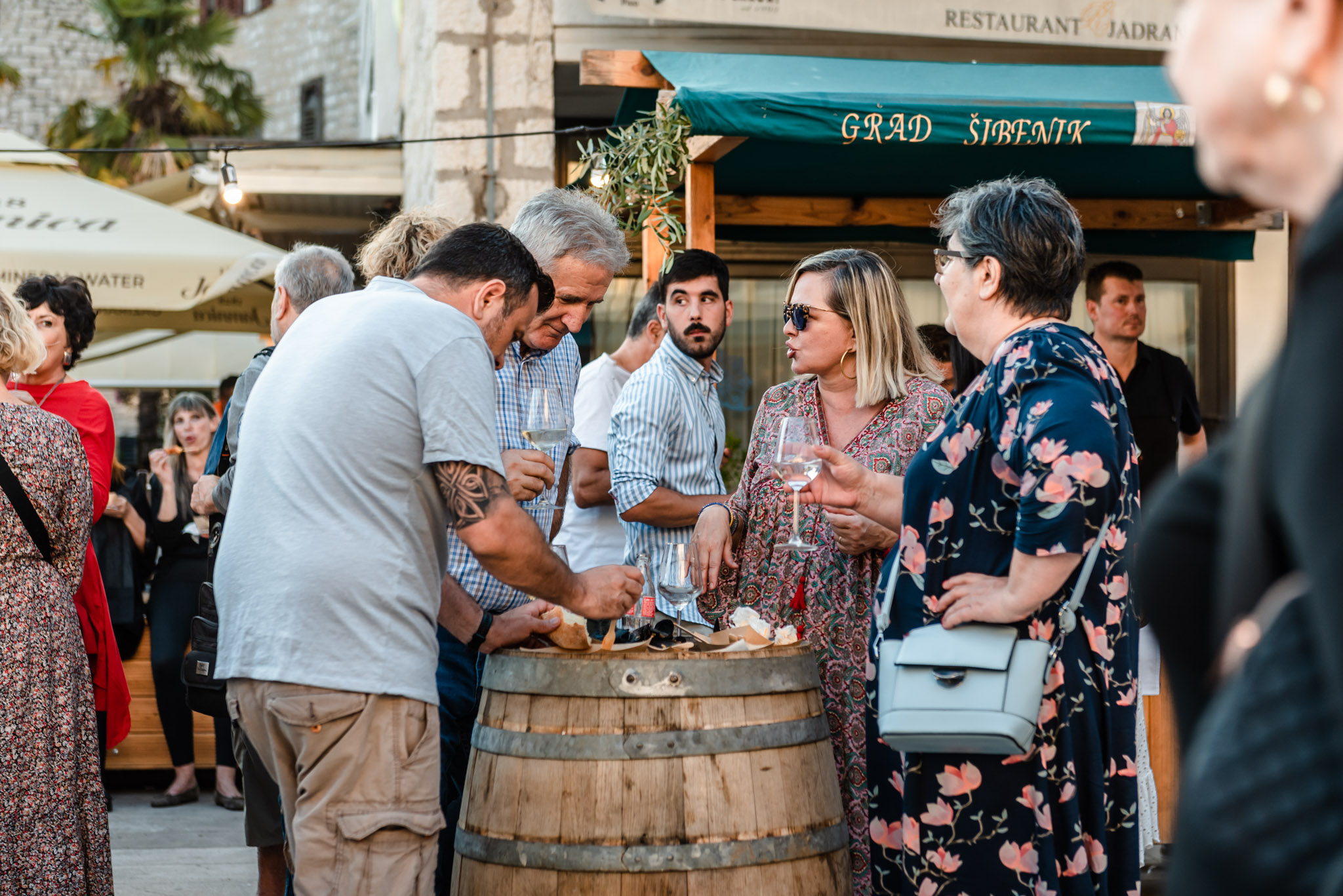 Marenda – A Dalmatian ritual
Sponsored Content What started as a work break has become a well-observed tradition in Dalmatia – one that pairs perfectly with local wine.
-
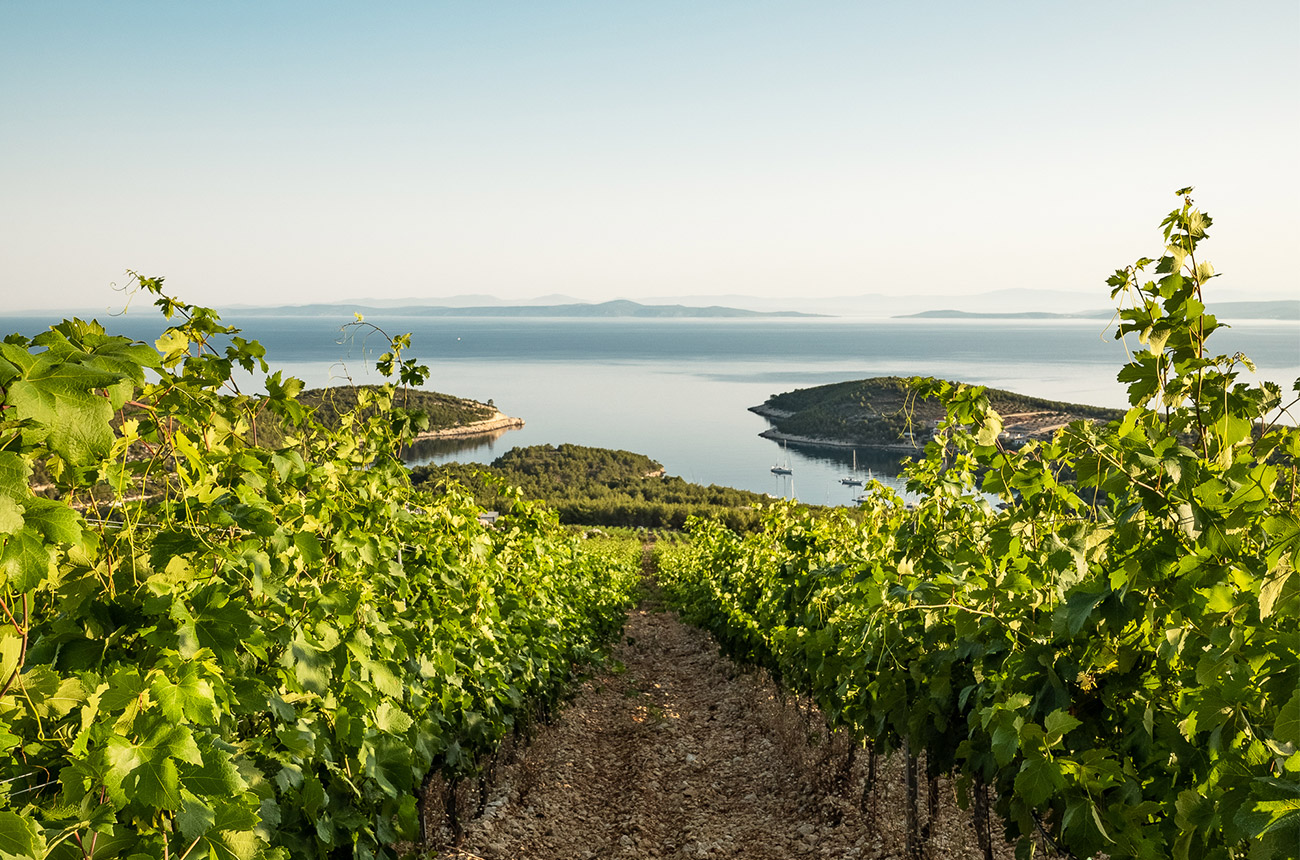 Dalmatia's hall of fame: DWWA winners
Sponsored Content Discover a selection of medal-winning Dalmatian wines from the Decanter World Wine Awards.
-
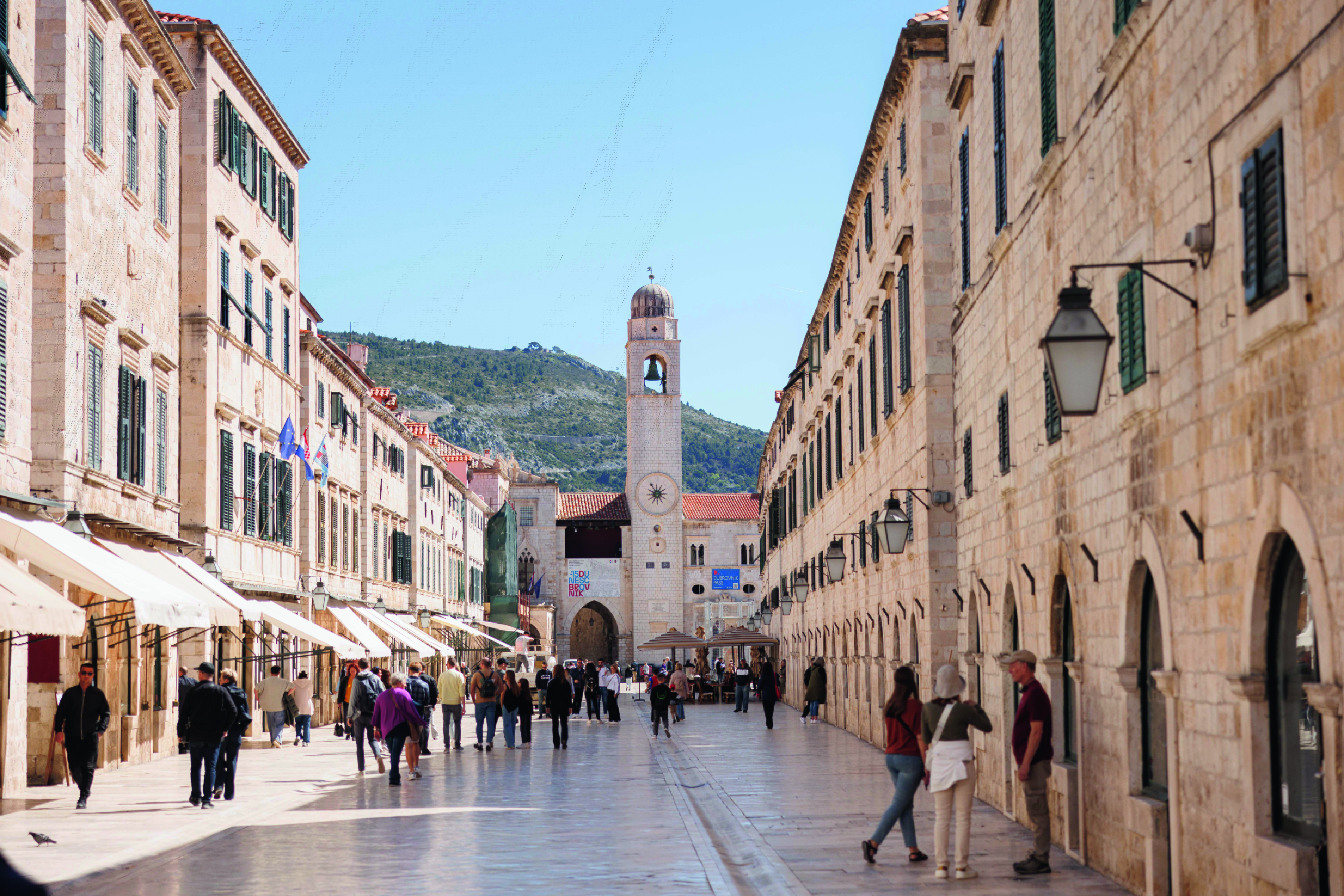 Pomalo: Dalmatia's answer to hustle culture
Sponsored Content A state of mind in Dalmatia, pomalo, which roughly translates as ‘take it easy’, sets the pace of life in this scenic region of Croatia.
-
 A Maldives paradise for wine lovers
The unique wine culture at OZEN RESERVE BOLIFUSHI extends well beyond its carefully curated list with expert tastings, creative pairings and unexpected discoveries to make lasting holiday memories.
-
 Shaping the future of wine & spirits: What’s new at ProWein Düsseldorf?
Sponsored content Returning on 15 – 17 March in Düsseldorf – discover what's new at ProWein in 2026...
-
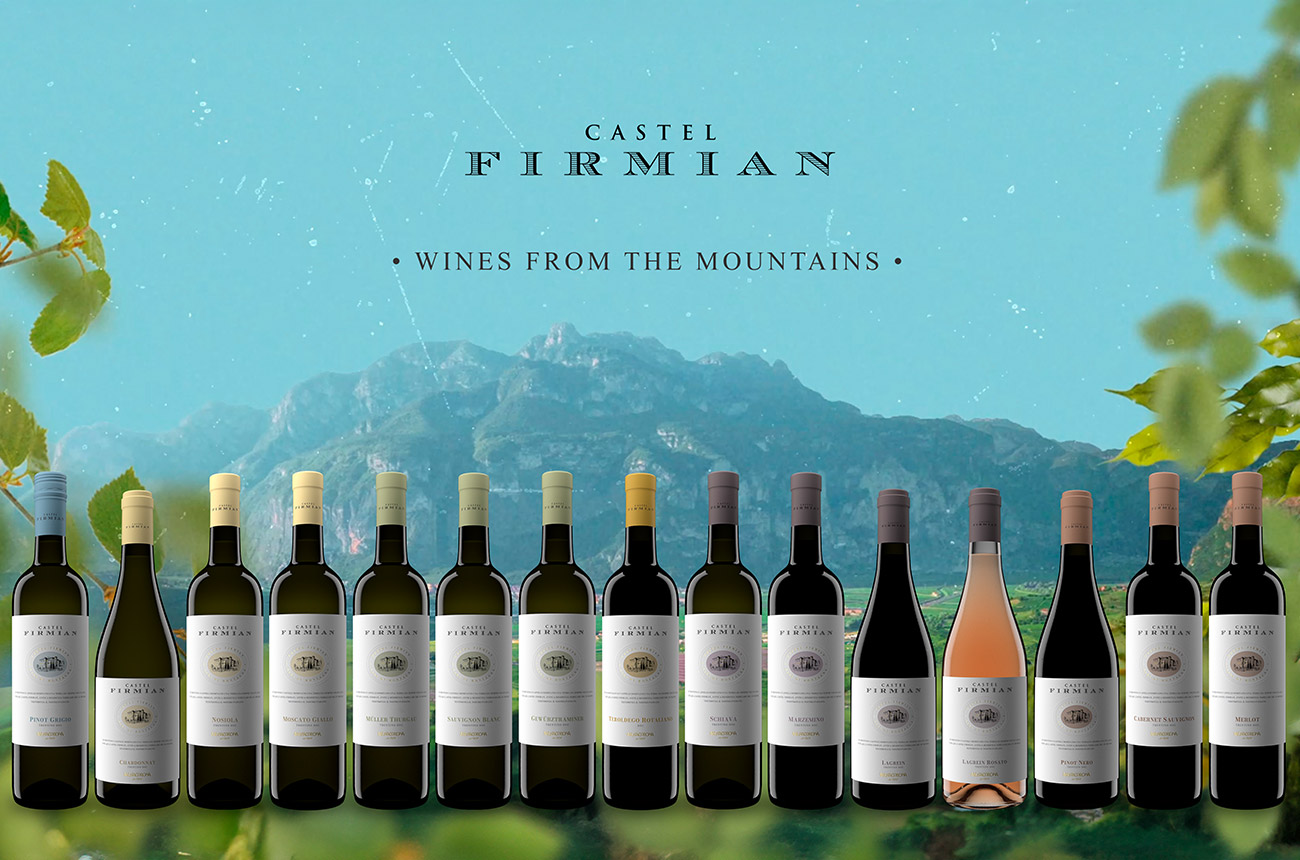 Castel Firmian presents a fresh new look with Wines from the Mountains
Sponsored Content The Trentino winery telling its story with a fresh rebrand...
-
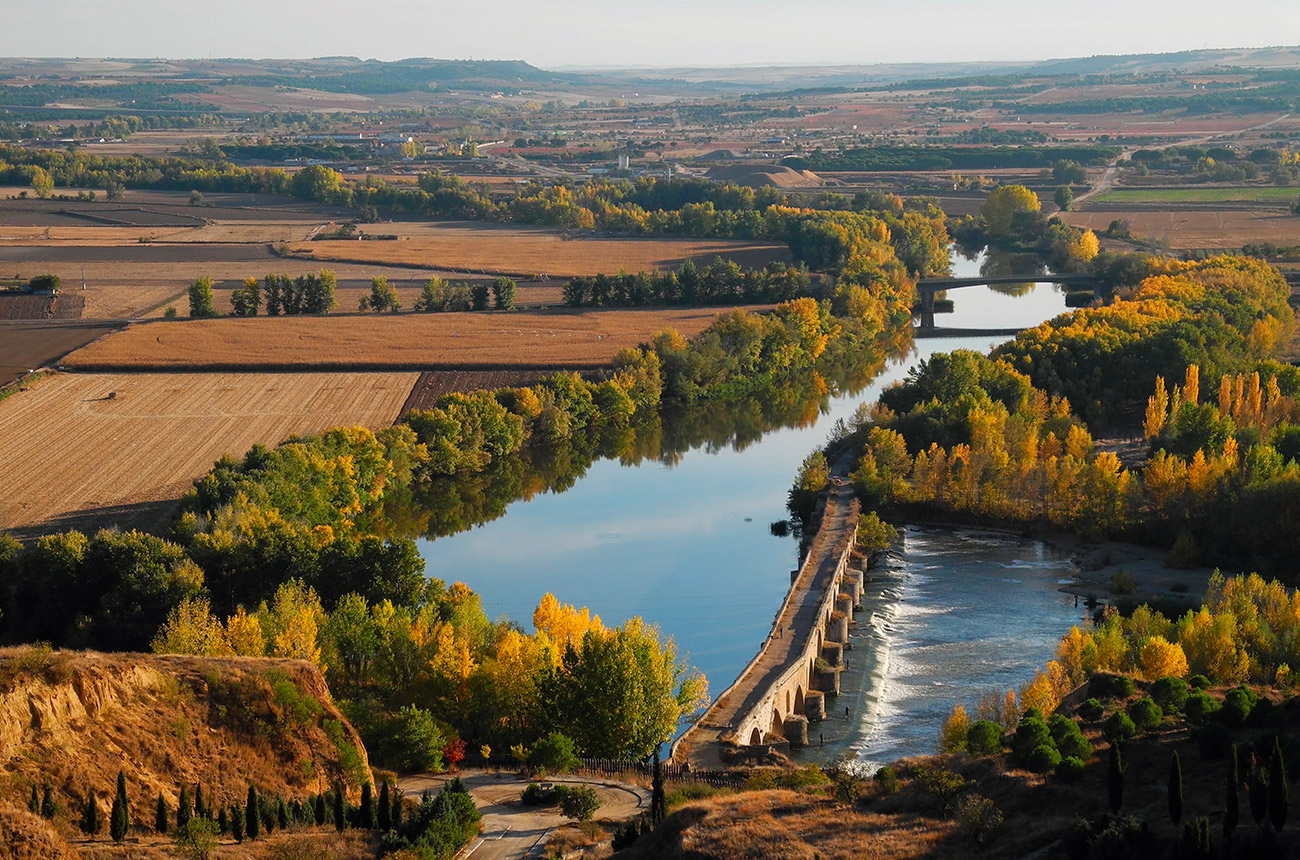 Toro: A tale of resilience, evolution and commitment
Sponsored Content This region’s past offers important clues on how to face present challenges...
-
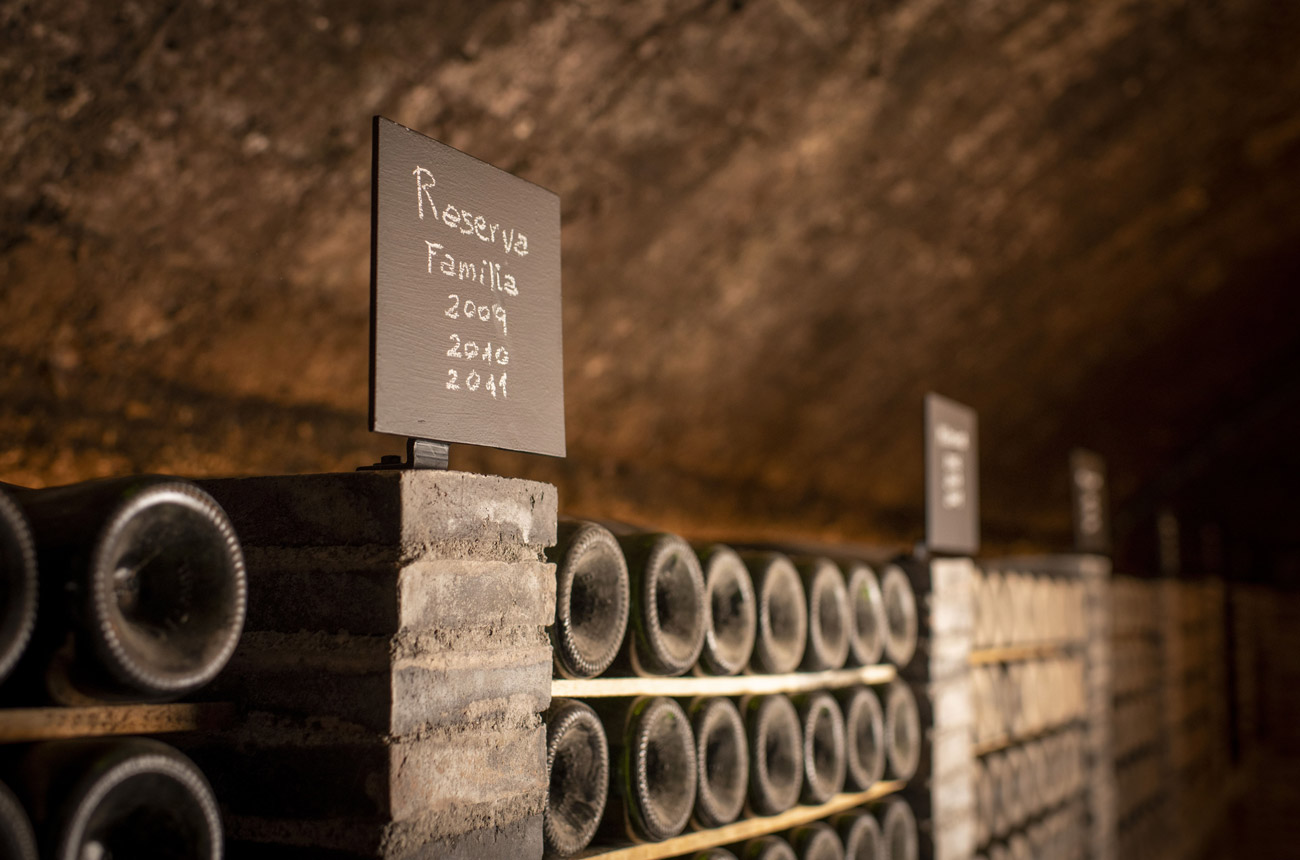 Juvé & Camps: Taking long-aged sparkling wines to new heights
Sponsored content Long-aged sparkling wines that express the craft of the winemakers...


