

‘At the end of the 1990s, Rioja was a very traditional place: wines were being aged for a long time in old American oak barrels, and absolutely nobody was questioning this.’ Thus sets the scene Jose Ramón Urtasun, bodeguero (owner) at Remírez de Ganuza.
It was in this context that Fernando Remírez de Ganuza, founder of the eponymous Rioja estate, stood out as a clear forerunner in his approach. Ahead of his time, some might say. Use of new oak, a highly selective approach in the vineyard and championing old vines was key.
Urtasun explains, ‘Fernando was very selective with his grapes: he pioneered the early idea of a grape sorting table in Rioja, working with a blacksmith to adapt a sorting table formerly used for potatoes.’
With over two decades of experience buying and selling vineyards, Fernando’s eye for scrupulous selection also drew on his experience in the meat industry, ‘Just as each different part of the animal is selected for a different purpose, each bunch of grapes was chosen for a specific reason’.

An eye for detail
Fernando celebrated old vines and local varieties. Open-minded, and with a no-nonsense approach, he was however always striving to improve. ‘Fernando was actually looking to follow traditions in many ways – he brought new barrels and gave them to another producer to age before using them as was the norm. But then he learned from experience that old barrels weren’t actually better than new for the style he was wanting to make.’
At the turn of the millennium, Rioja wasn’t a particularly wealthy area. Choices such as using the more expensive French oak rather than American, or new barrels rather than reused ones were a financial gamble: ‘He was taking a very big risk, because at the time, wines from Rioja were very cheap – not fine end. Yet Fernando always sought to produce high quality’.
Receiving comments such as ‘He’s crazy, he’s never going to make it, he doesn’t know how to make wine’, Fernando met with great resistance at the outset.

A finely tuned palate
‘Fernando learned from experience in the field: old vines were giving better quality fruit with greater flavours and intensity. During harvest time Fernando was constantly tasting grapes. He used to tell me he gained 4kg in weight every harvest even though he was walking a lot – from all the grape sugar! Fernando analysed every step: he was led by lab samples of course, but more crucially by intuition; trusting his own palate and years of experience.’
Fernando’s legacy
Fernando’s approach was closely observed by winemaking neighbours in Rioja. He chose to use smaller 12kg cases at harvest rather than large containers to favour careful selection in the vineyard, selling the remainder of his grapes (today around 60% of output) to other producers. Only the best of the best was to be kept for Remírez de Ganuza production. Decisions in the vineyard and winery have been led by a search for quality from the very beginning: a legacy that continues to this day.
Three wines to try:

Remírez de Ganuza Reserva: The yellow label
‘The yellow label is our flagship and our most well-known wine’, says Urtasun. ‘Fernando produced this wine from the outset. It comes from vineyards averaging 60 years old.’
The first vintage released to the market was the 1992 vintage. As Urtasun explains, ‘From the first three vintages that were made (1991, 1992, 1993), only one was released – a huge financial sacrifice from a winery that was just starting out. Fernando used to say that he was very thankful that the years that he started were difficult years, because that made us be very selective. If we had started in ’94 or ’95 (both excellent vintages with lots of great grapes) we wouldn’t be as selective as we are now.’
Produced from grapes grown across nine different villages in the northern part of Rioja, these higher-altitude sites bring freshness to the wines, blending Tempranillo with a small percentage of Graciano. ‘We search for acidity and freshness, despite the alcohol and structure given by old vines, there is always good acidity and a long finish. After all the power is gone, it is the freshness that remains. In the 1990s, when everyone was looking for power, this approach was pioneering.’
The Reserva is produced with a unique approach to grape selection. Each bunch is divided into two parts at the sorting table: the upper part or shoulders and the tips. The shoulders of the bunch receive a greater concentration of nutrients and sunlight, resulting in a higher sugar concentration and more mature, complex flavours. ‘It is this complexity and phenolic maturation that we want for the Reserva.’ The tips of the bunch, by contrast, ‘are fresher and less developed – but very good for other carbonic maceration styles because it’s very fresh’, explains Urtasun.

Remírez de Ganuza Gran Reserva
‘We choose the best grapes from over 80ha and 200 different plots. We harvest these separately to make a few barrels that have the potential to become a Gran Reserva. At two years old we assess that potential again and decide if it will become our Reserva or Gran Reserva.’ The Gran Reserva is only produced in the best years, and sees extended time in barrel. The highly lauded ’04 vintage, for example, saw an eye-watering 53 months in barrel.

María
Only made in extremely small production, this wine is named after Fernando’s daughter who tragically died in a car accident on her way to school. Made since 2003 from the best 2-3 barrels each vintage, all proceeds from this special wine go to charity.
For Urtasun, ‘Sometimes this is seen as the flagship – it is not as well-known by consumers due to the small production – usually only 600-700 bottles are made each vintage. María is a true Remírez de Ganuza expression: extremely smooth, very complex, gentle on the palate and very alive.’
Related articles
Remírez de Ganuza – Mavericks of modern Rioja
Harvest 2024 at Remírez de Ganuza: precision, focus and selectivity
Remírez de Ganuza’s wines – The game changers
Discover more about Remírez de Ganuza wines
Connect onFacebook | Instagram | Twitter


-
 Riesling wine quiz: Test your knowledge
Can you get a perfect score?...
-
 Why Irish whiskey loves sweet and fortified wine casks
Barrels used to age Marsala, Madeira and Sauternes have a special affinity with triple-distilled Irish whiskeys, thanks to a combination of history and distilling. This St Patrick’s Day, explore the sweeter side of drams from the Emerald Isle, with six great bottles to try.


-
 Marenda – A Dalmatian ritual
Sponsored Content What started as a work break has become a well-observed tradition in Dalmatia – one that pairs perfectly with local wine.
-
 Dalmatia's hall of fame: DWWA winners
Sponsored Content Discover a selection of medal-winning Dalmatian wines from the Decanter World Wine Awards.
-
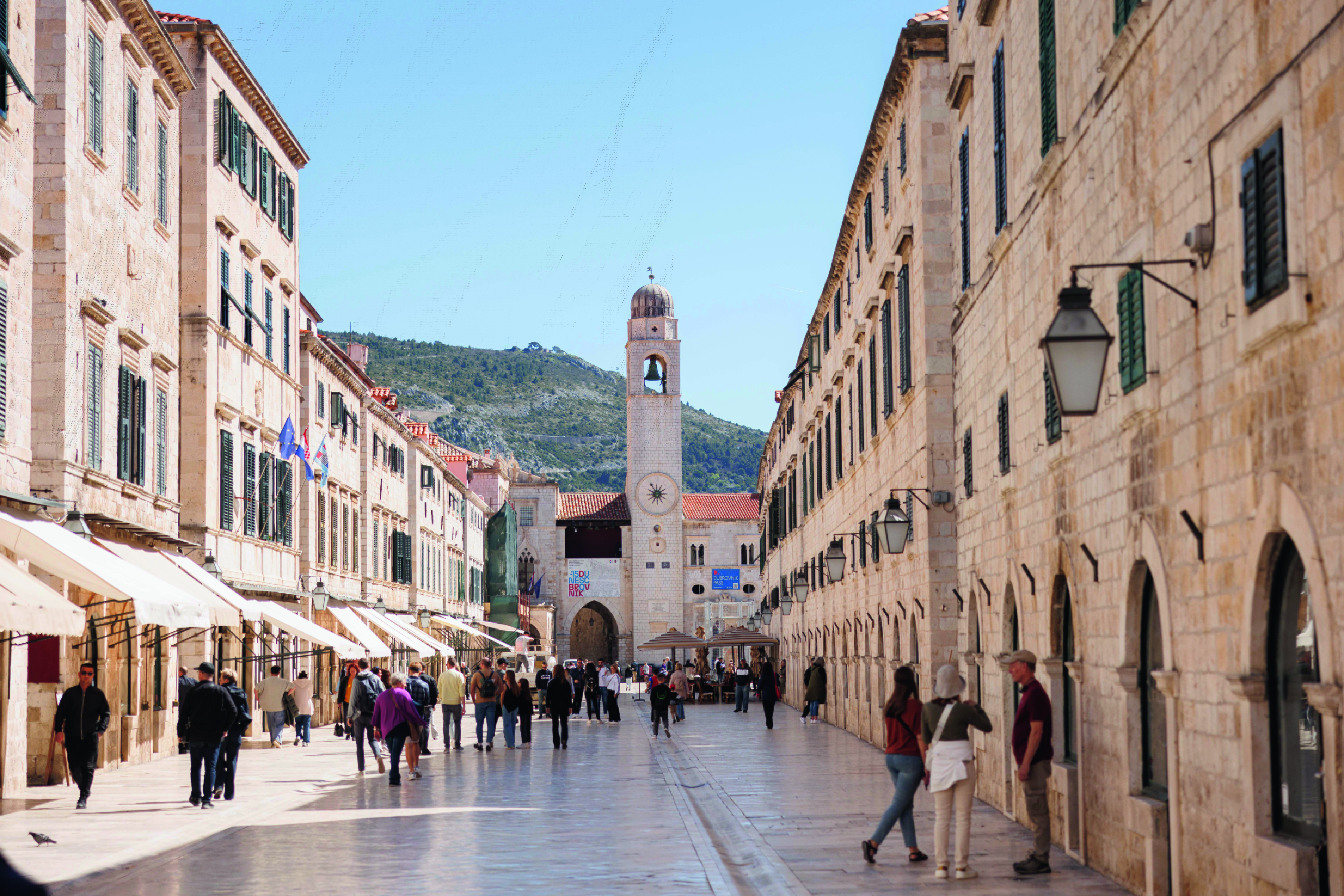 Pomalo: Dalmatia's answer to hustle culture
Sponsored Content A state of mind in Dalmatia, pomalo, which roughly translates as ‘take it easy’, sets the pace of life in this scenic region of Croatia.
-
 A Maldives paradise for wine lovers
The unique wine culture at OZEN RESERVE BOLIFUSHI extends well beyond its carefully curated list with expert tastings, creative pairings and unexpected discoveries to make lasting holiday memories.
-
 Shaping the future of wine & spirits: What’s new at ProWein Düsseldorf?
Sponsored content Returning on 15 – 17 March in Düsseldorf – discover what's new at ProWein in 2026...
-
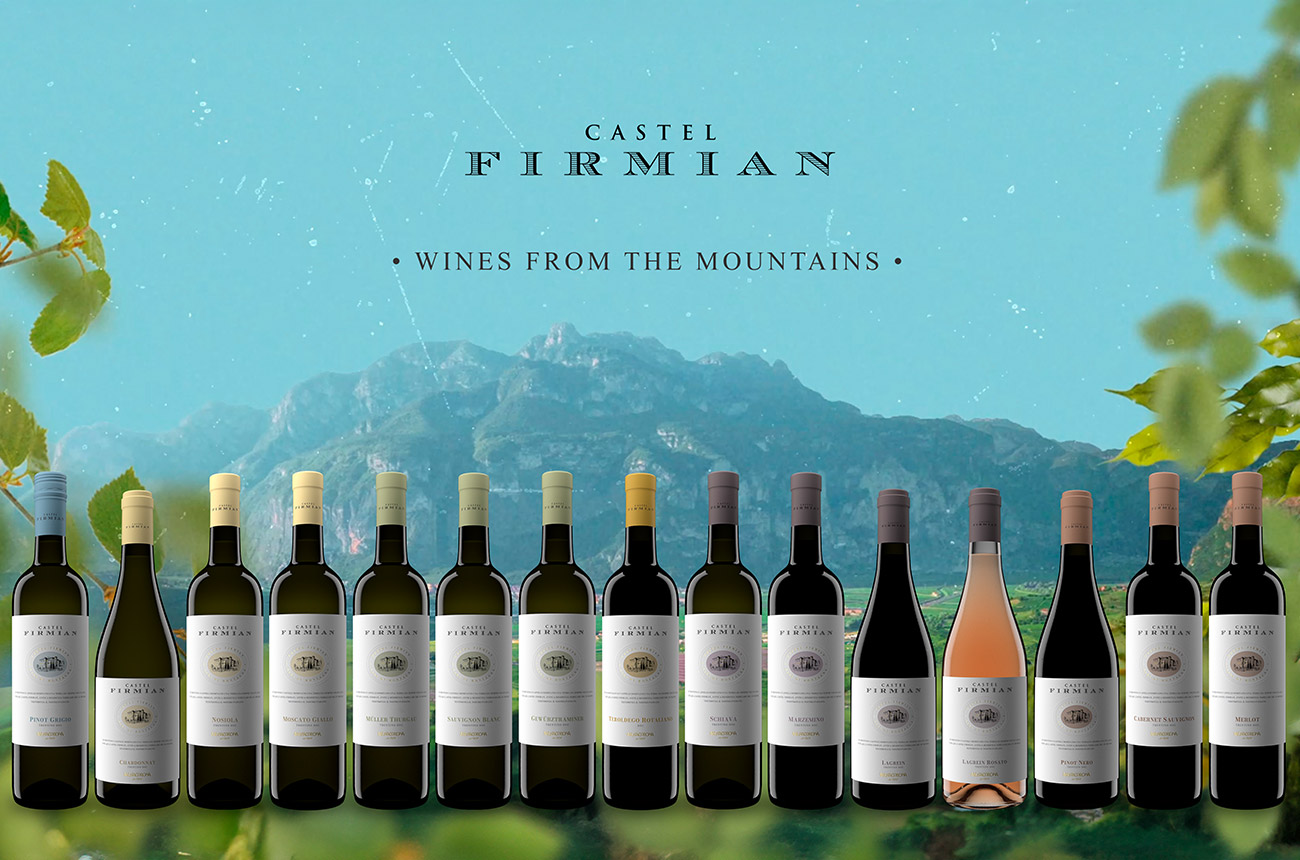 Castel Firmian presents a fresh new look with Wines from the Mountains
Sponsored Content The Trentino winery telling its story with a fresh rebrand...
-
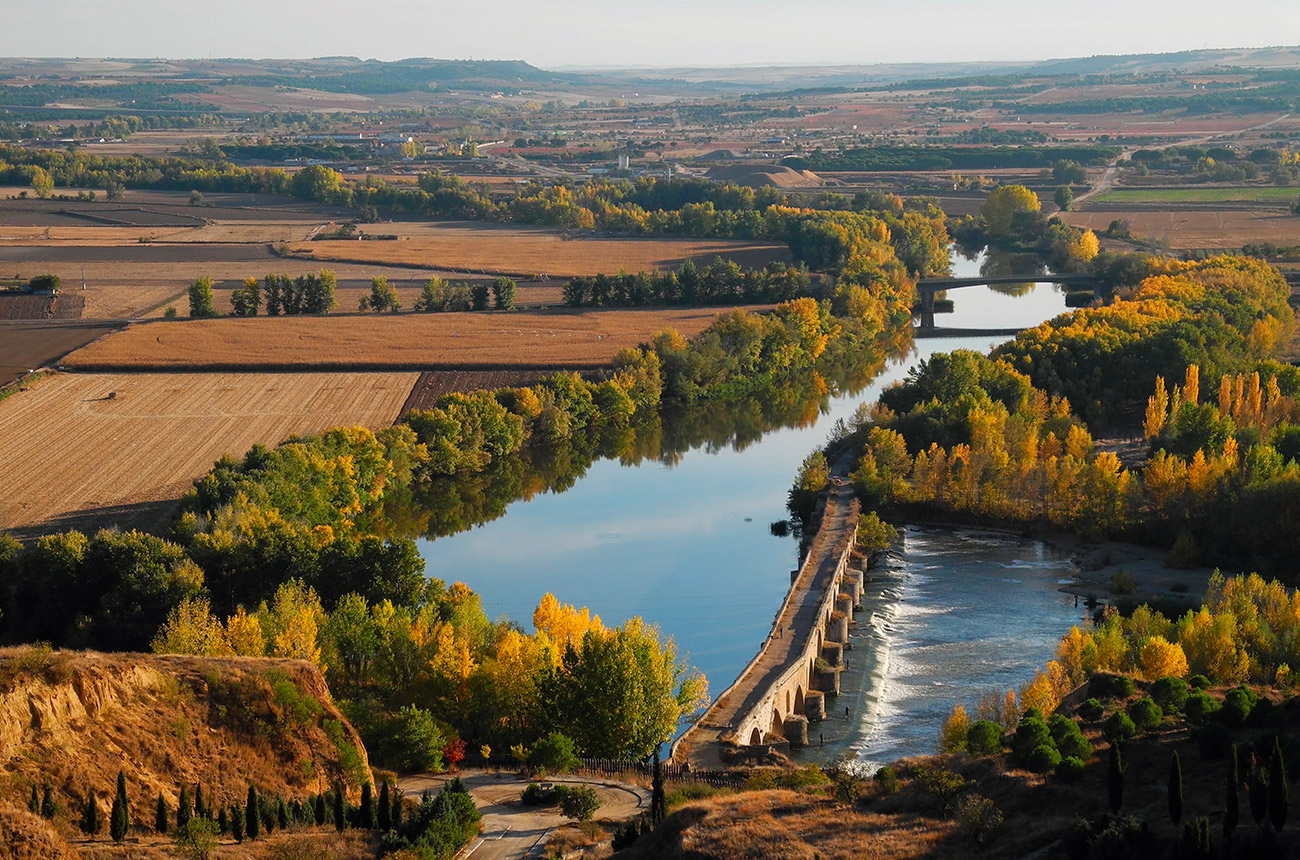 Toro: A tale of resilience, evolution and commitment
Sponsored Content This region’s past offers important clues on how to face present challenges...
-
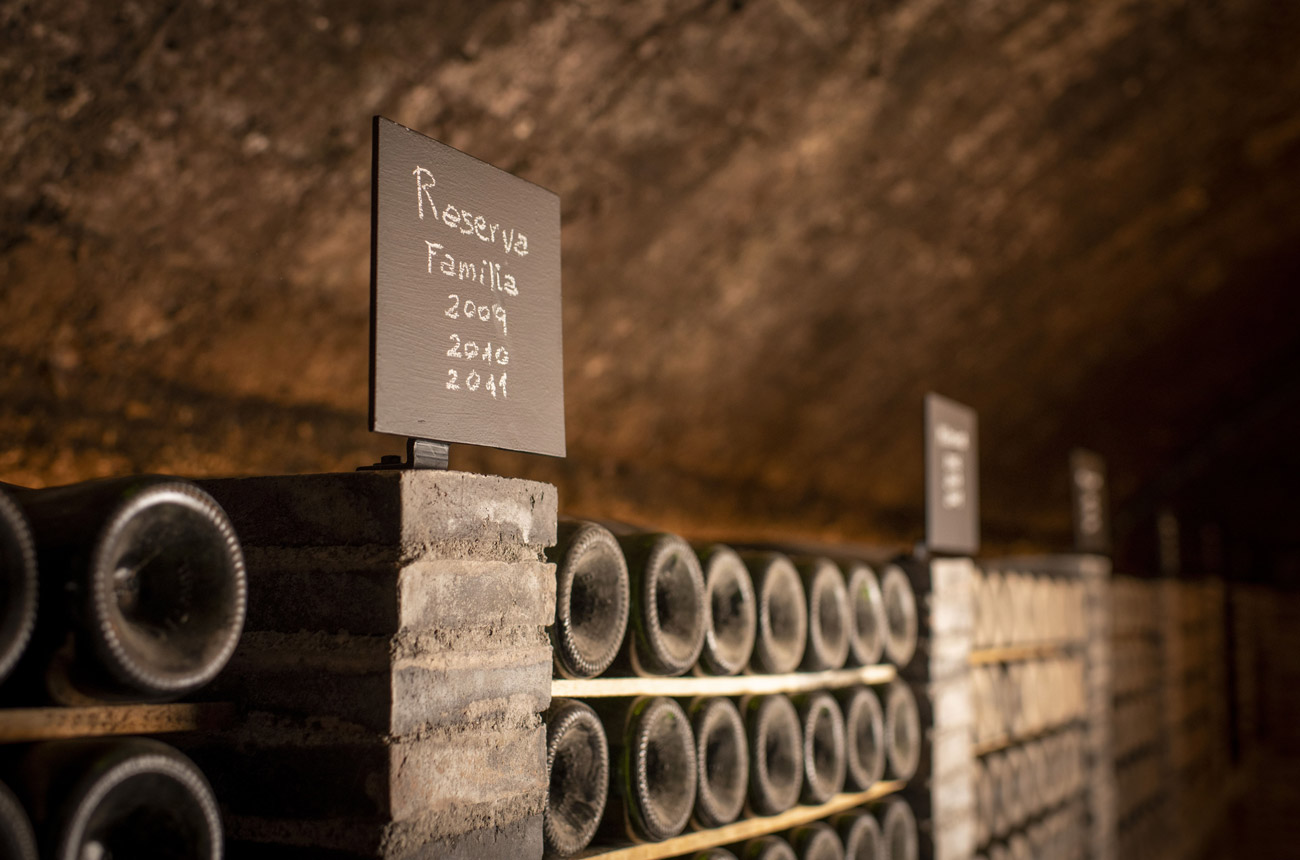 Juvé & Camps: Taking long-aged sparkling wines to new heights
Sponsored content Long-aged sparkling wines that express the craft of the winemakers...


