

When Dutch settlers first arrived in South Africa over three centuries ago, they were pleased to find native grape vines growing wild in the Western Cape. They were less impressed with the wines they produced, however, so European vines were soon imported. These plantings made South Africa the first ‘New World’ country to start making wine, way back in 1659.
Today South Africa’s largest wine region, the Western Cape is home to the 17,500ha Stellenbosch appellation, east of Cape Town. Winemaking here can be traced back to French Huguenot settlers fleeing religious persecution in the 1690s. They identified the area as a site where Bordeaux varieties could thrive, and their French winemaking know-how gave birth to the Bordeaux legacy in Stellenbosch.
Following in the footsteps of those Huguenots, the English Gabb family arrived in Stellenbosch in 1995. Although centuries later, they shared the same winemaking vision and recognised the incredible potential of one particular site: Journey’s End.
A unique setting
Located deep in the southeastern corner of Stellenbosch, in a beautiful natural amphitheatre created by the Hottentots Holland Mountains, Journey’s End is literally the last wine estate in the appellation. It’s also the closest vineyard in the region to the Atlantic Ocean, which is just 7km away.
Sitting on the Schapenberg Hill, vineyards are planted on 350-million-year-old soils of decomposed granite. They gently slope down towards the coast of False Bay, where the geology changes to alluvial soils created from ancient river beds.
The estate also benefits from a unique cool microclimate, shaped by a fierce southeastern wind known as the Cape Doctor, which blows in from the Atlantic. ‘It keeps our vines healthy and disease-free,’ explains Journey’s End winemaker Mike Dawson.

Building blocks
Thanks to this very specific terroir, Bordeaux varieties thrive at Journey’s End. Vineyards were planted in 1996 with a mix of Cabernet Sauvignon, Merlot, Cabernet Franc, Malbec and Petit Verdot, alongside Chardonnay, Sauvignon Blanc and Semillon. These grapes provide the building blocks for the winery’s award-winning Bordeaux blends.
The cool climate enables longer hangtimes for bunches on the vine, allowing the grapes to develop the high acidity and tannin content needed to make long-lived wines. Balanced alcohol and sugar levels are also crucial for ageability, and this pursuit of balance is mirrored in the way that Dawson manages the vineyards. ‘We need to work with nature, not against it,’ he notes.
In the vineyard
Sustainable regenerative viticultural techniques not only protect the vineyards and preserve them for future generations, but allow the grapes to speak of their terroir. This stewardship of the land encompasses water management, soil preservation, natural pest control and more. A priority for Journey’s End is conservation of the flora and fauna native to the Cape Floral Kingdom, one of only six floral kingdoms in the world. Characterised by its distinctive fynbos vegetation, almost 70% of the Cape’s plant species are found nowhere else on Earth.
Protecting and encouraging these plants is key to promoting biodiversity in the vineyard, which in turn contributes to the depth and complexity of the final wines. These may be Bordeaux-style blends, but they have a uniquely Stellenbosch character.

Crafting Bordeaux blends
No Journey’s End wines express this better than the winery’s flagship red, Cape Doctor, and flagship white, Ad Infinitum. Both are only produced in top vintages. Launched with the 2022 vintage, Ad Infinitum is a Sauvignon-Semillon blend fermented in 2,000-litre oval-shaped French oak Ovunum barrels. The wine’s name is a play on words with Journey’s End, while also evoking its seemingly endless finish. Textured, with coastal freshness, it embodies the unique site that produces it.
Named for the fierce wind that blows through the vineyard, Cape Doctor is a blend of Cabernet Sauvignon, Merlot, Cabernet Franc, Malbec and Petit Verdot – though the blend of varietals and the winemaking regime vary each year, in response to the vintage. The 2015 vintage of Cape Doctor was awarded 97 points and a Platinum medal at the Decanter World Wine Awards, launching it onto the global stage. It was a clear signal of the quality of Stellenbosch Bordeaux blends to fine wine collectors around the globe.
Today, over 330 years since Bordeaux grapes arrived in the region, Journey’s End is continuing the Bordeaux legacy, defining a style that combines Old World class with impressive New World verve.
Two to try

Journey’s End, Ad Infinitum, Stellenbosch, South Africa 2022
A classic Bordeaux white blend, featuring 87% Sauvignon Blanc and 13% Semillon, co-harvested and co-fermented in new French oak, with 10 months on lees. Bright citrus and lemongrass aromas with hints of kiwi and Cape gooseberry. Lovely balance on the palate; creamy and rounded, but light on its feet thanks to a streak of granite minerality, with a fresh saline character.

Journey’s End, Cape Doctor, Stellenbosch, South Africa 2018
A blend of 50% Cabernet Sauvignon, 30% Merlot, 10% Cabernet Franc, 6% Malbec and 4% Petit Verdot, sourced from five adjacent vineyard blocks. Fermented in a mix of new and old French oak and aged for 22 months. Spicy dark fruit aromas, with hints of leather and dark chocolate. Structured palate with concentrated black fruit framed by soft, elegant tannins, with a lingering finish. Plenty of ageing potential.
Discover more about Journey’s End
Connect on
Facebook | Instagram | LinkedIn


-
 Riesling wine quiz: Test your knowledge
Can you get a perfect score?...
-
 Why Irish whiskey loves sweet and fortified wine casks
Barrels used to age Marsala, Madeira and Sauternes have a special affinity with triple-distilled Irish whiskeys, thanks to a combination of history and distilling. This St Patrick’s Day, explore the sweeter side of drams from the Emerald Isle, with six great bottles to try.


-
 Marenda – A Dalmatian ritual
Sponsored Content What started as a work break has become a well-observed tradition in Dalmatia – one that pairs perfectly with local wine.
-
 Dalmatia's hall of fame: DWWA winners
Sponsored Content Discover a selection of medal-winning Dalmatian wines from the Decanter World Wine Awards.
-
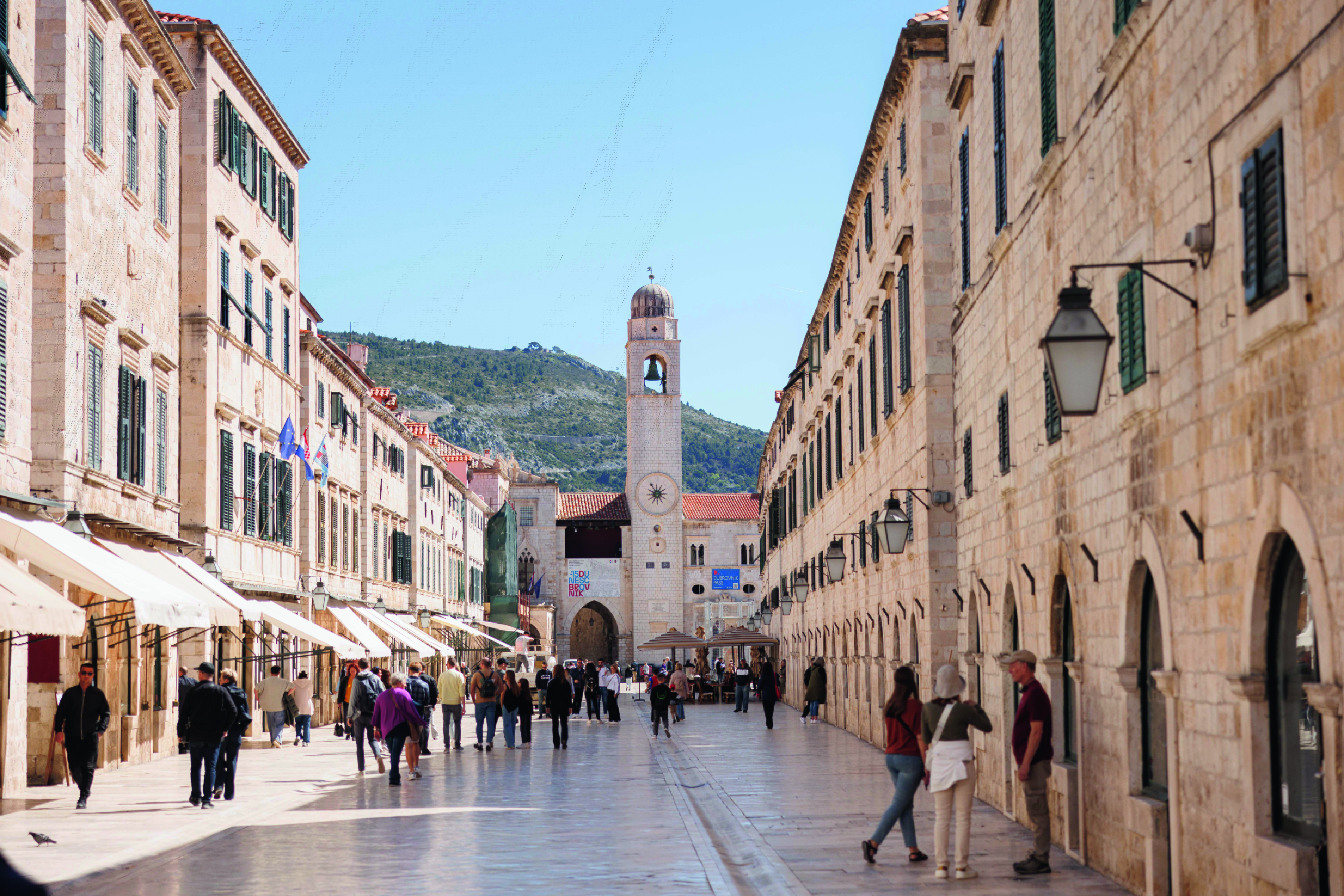 Pomalo: Dalmatia's answer to hustle culture
Sponsored Content A state of mind in Dalmatia, pomalo, which roughly translates as ‘take it easy’, sets the pace of life in this scenic region of Croatia.
-
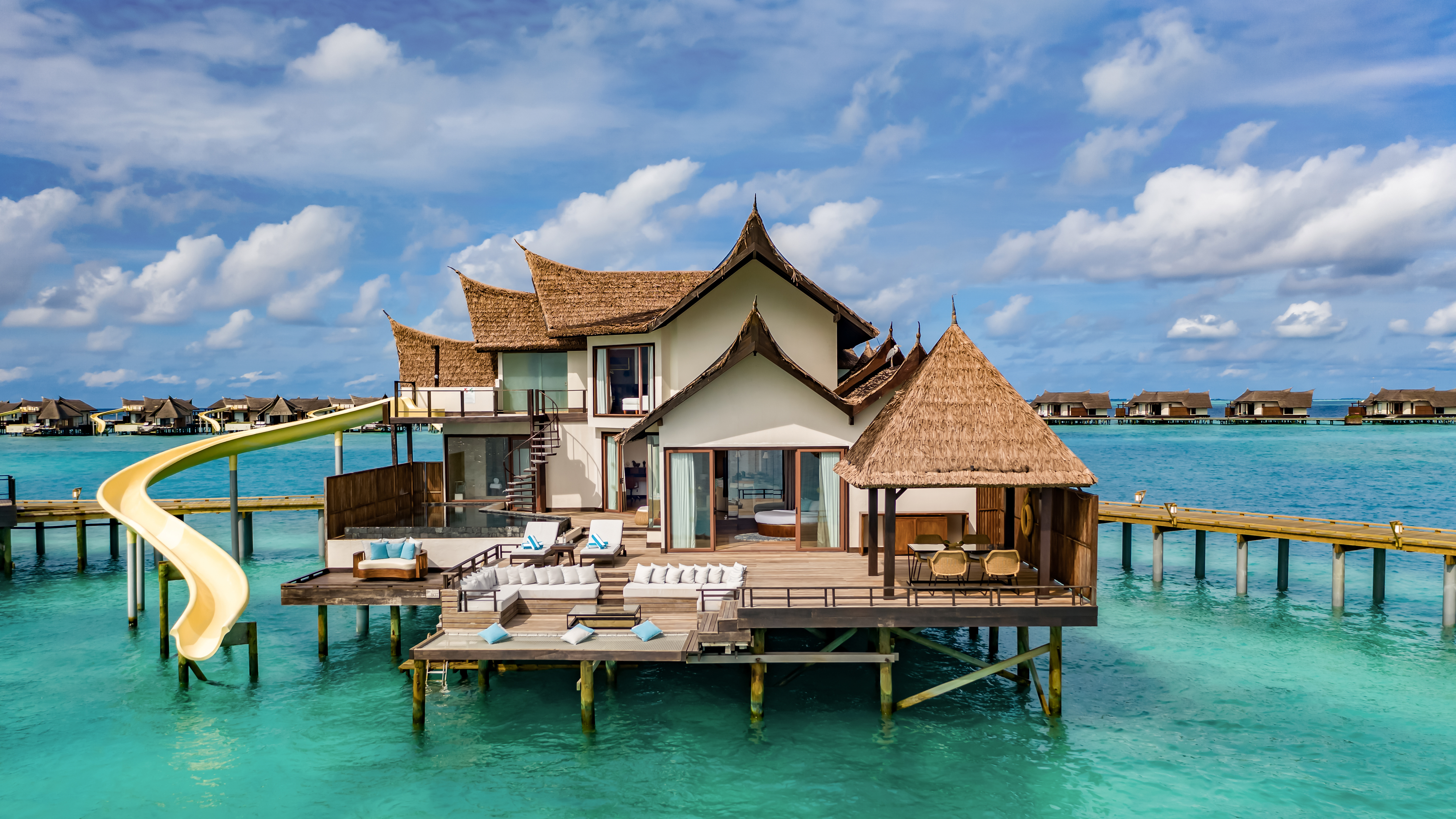 A Maldives paradise for wine lovers
The unique wine culture at OZEN RESERVE BOLIFUSHI extends well beyond its carefully curated list with expert tastings, creative pairings and unexpected discoveries to make lasting holiday memories.
-
 Shaping the future of wine & spirits: What’s new at ProWein Düsseldorf?
Sponsored content Returning on 15 – 17 March in Düsseldorf – discover what's new at ProWein in 2026...
-
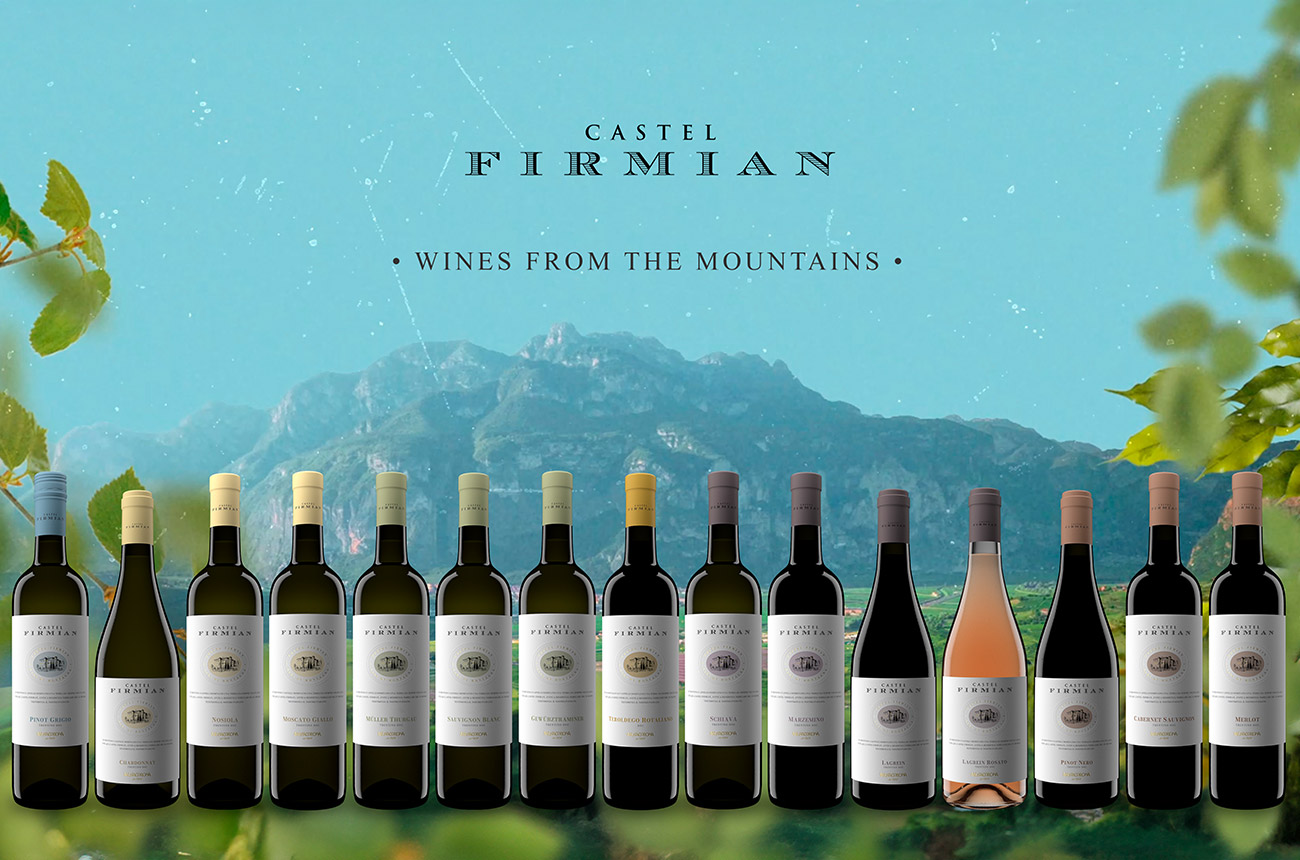 Castel Firmian presents a fresh new look with Wines from the Mountains
Sponsored Content The Trentino winery telling its story with a fresh rebrand...
-
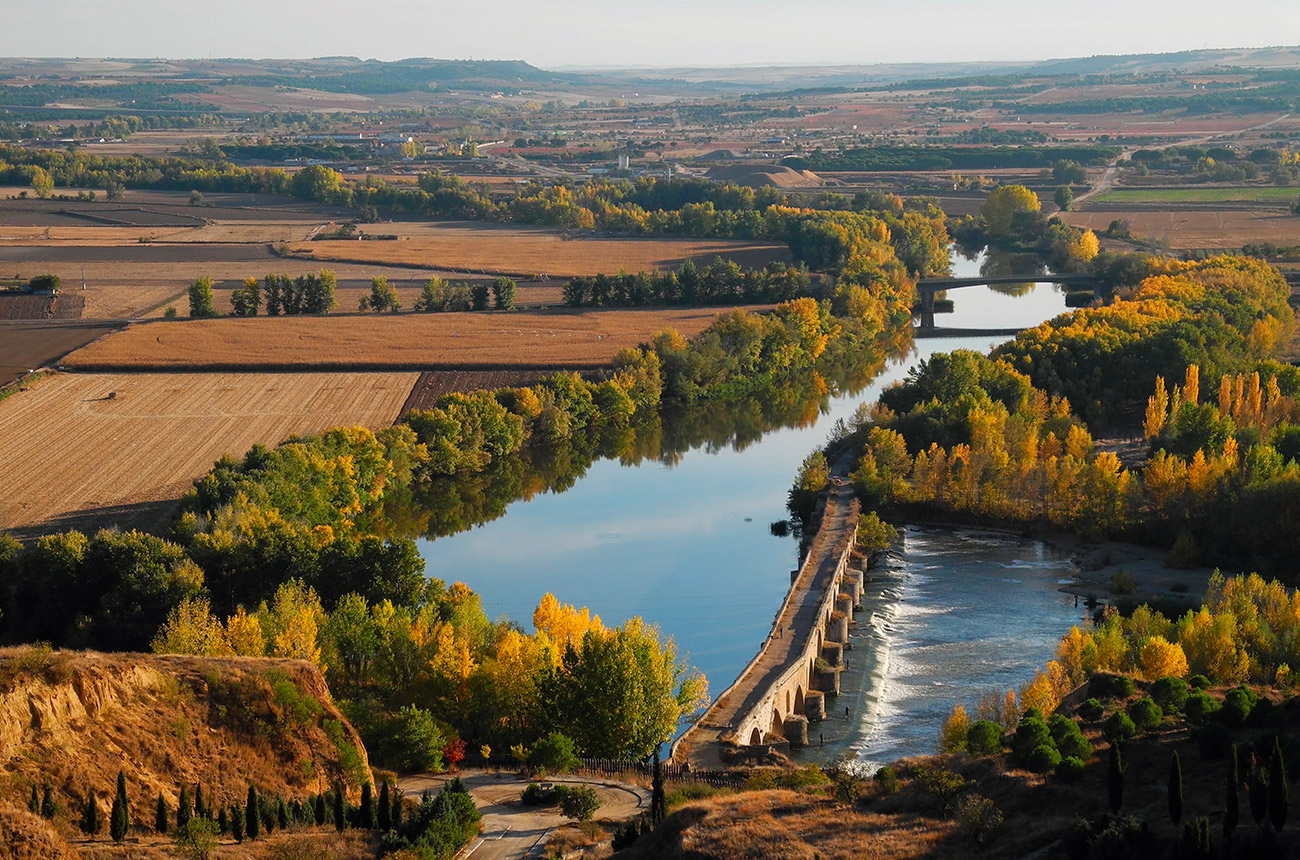 Toro: A tale of resilience, evolution and commitment
Sponsored Content This region’s past offers important clues on how to face present challenges...
-
 Juvé & Camps: Taking long-aged sparkling wines to new heights
Sponsored content Long-aged sparkling wines that express the craft of the winemakers...


