

Bringing the south of France to central London on a weekday in June has surely never been more innovatively done. With the award-winning restaurant and wine bar Carousel as the perfect venue, the wines of the AOP Picpoul de Pinet were celebrated over an exclusive ‘Taste the evolution of a southern icon’ AOP Picpoul de Pinet trade evening of three acts: an informal tasting, followed by a vertical tasting masterclass and concluding with an informal food pairing competition between top sommeliers.

The seaside AOP
Although Picpoul de Pinet was only established as an AOP in 2013, wines have been produced in the region for centuries. Named after the grape variety, Piquepoul Blanc – which was originally a black variety – the region regained popularity in the 1920s when it was known for producing vermouth.
It wasn’t until the 1960s that producers began replanting the indigenous variety in earnest, and the appellation is now home to 21 wineries and four cooperatives. Its international popularity has grown exponentially since then, and today, 67% of AOP Picpoul de Pinet wines are exported.
A thin-skinned variety, Piquepoul Blanc is perfectly suited to the dry hot climate of the region, as it is late-ripening and drought resistant. The cool maritime influence of Thau lagoon and the Mediterranean sea beyond are felt in late summer – and help the grape retain its characteristic high acidity.

The art of ageing Piquepoul Blanc: A masterclass
In the words of brand ambassador, sommelier and Languedoc expert, Alexandre Fréguin, AOP Picpoul de Pinet is ‘more than just fresh and by the sea’. On first glance this is an appellation that offers an accessible, fresh white wine from a few select villages.
And yet as the masterclass was to explore through a vertical tasting that took attendees back as far as 1994, here is a variety that offers an exciting potential for ageing. For Fréguin, it’s a case of ‘looking ahead with patience’ to explore the potential complexity that ageing and extended lees contact can bring, that is ‘very different from what you might expect’. Such potential makes for exciting food matching possibilities, together with enhanced textural complexity.

Battle of the somms
The evening also offered a unique opportunity to see sommeliers compete to produce the ultimate food pairings for AOP Picpoul de Pinet. Judged live by a professional panel, this exercise was a further example of the wonderful versatility that the category has to offer.
As the AOP matures, winemakers are following the global trend towards environmental consciousness and taking the oenological approach of ‘patience’, which focuses on creating wines with ageing potential. Older vines are used, grapes chosen for their aromatic profile and they are aged on the lees, producing gastronomic wines that can stand up to a range of foods.
Three AOP Picpoul de Pinet wines to try
Domaine Félines Jourdan Cuvée Classique 2024
An archetypal example of the classic AOP Picpoul de Pinet style, from a forward-thinking family winery on the edge of the sea. Notes of green apple, lemon and sea salt carry though on a long, elderflower-driven finish. Enjoy with seafood platters, grilled prawns and sushi. HVE certified. Alc 13%
Mas Saint Laurent Le Ginestet 2015
Golden in the glass, here is a fine example of the exciting ageing potential offered by this wine style. Notes of yellow sultanas mingle with rye bread and chestnut honey character, cut through with a hint of porcini-like umami. A fresh seam of acidity lends balance, concluding on a gently bitter finish. Alc 13%
Cave de l’Ormarine 2017
Served en magnum, this 2017 expression could be likened to an aged Riesling or Soave – with hallmark petrolled character on the nose and palate, together with a moreish saline note and a hazelnut, biscuity finish. Alc 13%
Advertorial produced as part of the ‘Taste the evolution of a southern icon’ AOP Picpoul de Pinet event at Carousel London, June 9 2025.
Discover more about AOP Picpoul de Pinet
Connect on
Facebook | Instagram | LinkedIn | YouTube


-
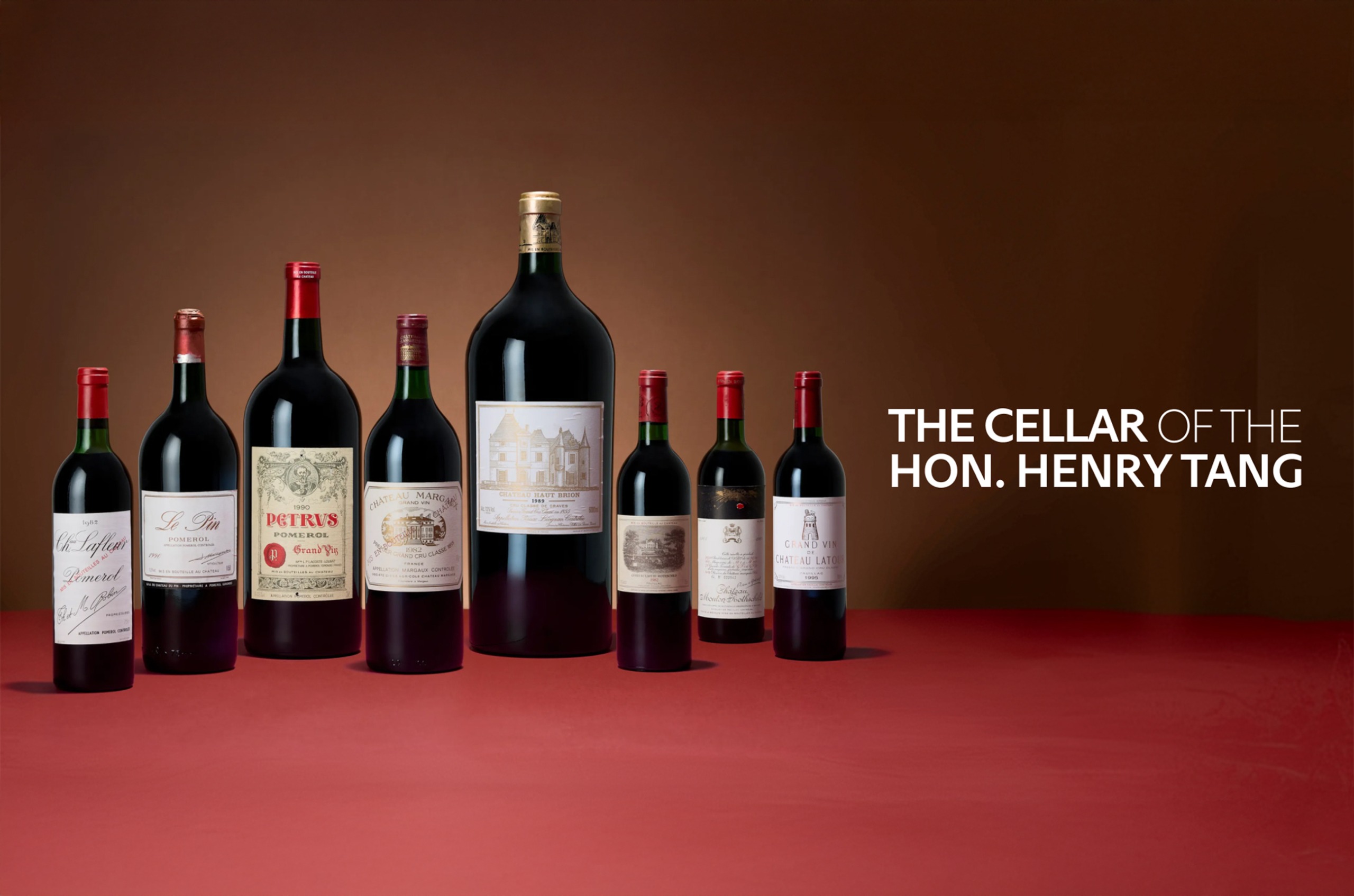 Christie’s to auction the cellar of the Hon. Henry Tang
Sponsored Featuring legendary wines...
-
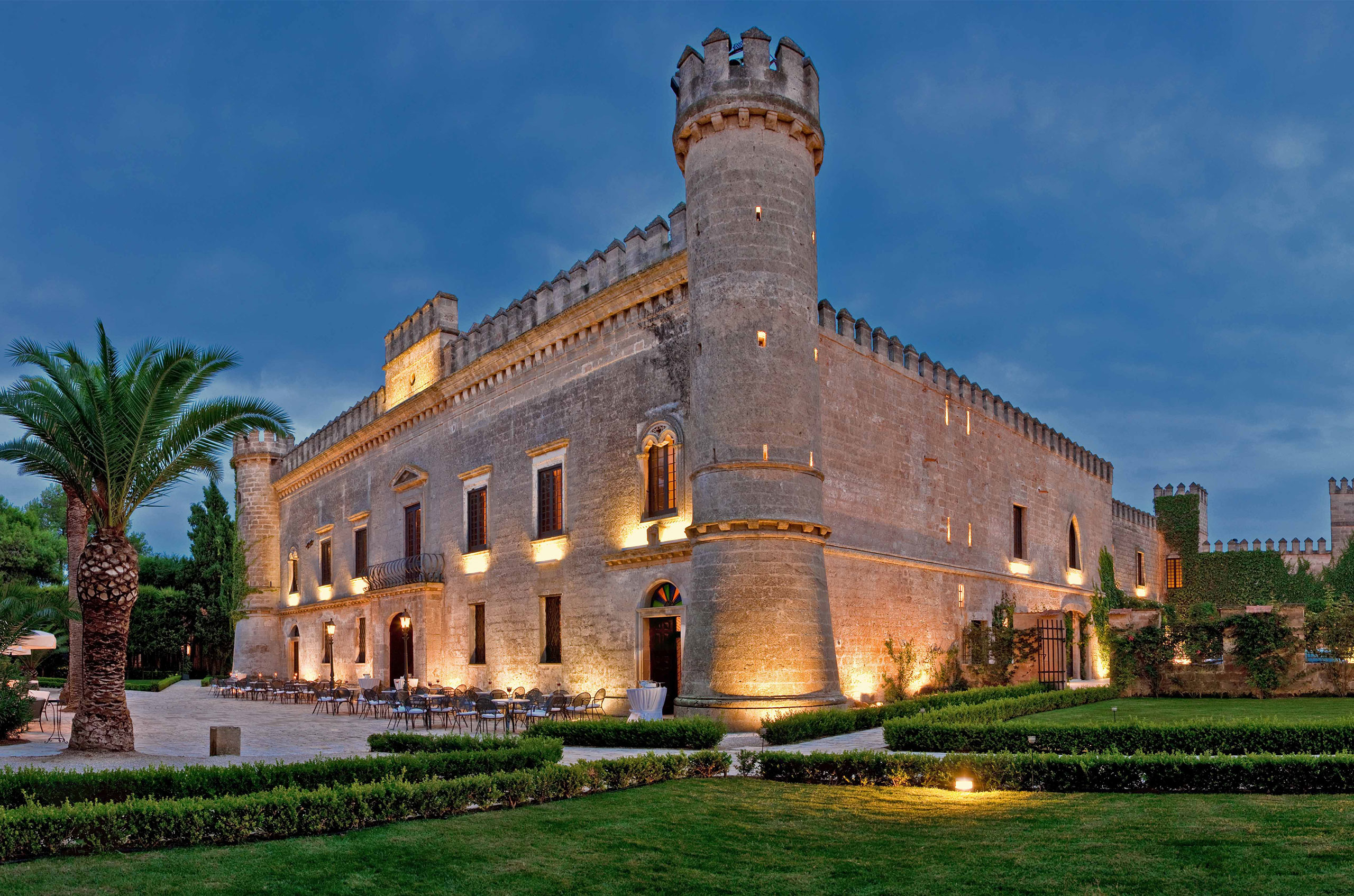 Castello Monaci: History and heritage in Salento
Sponsored Winemaking excellence in Puglia...
-
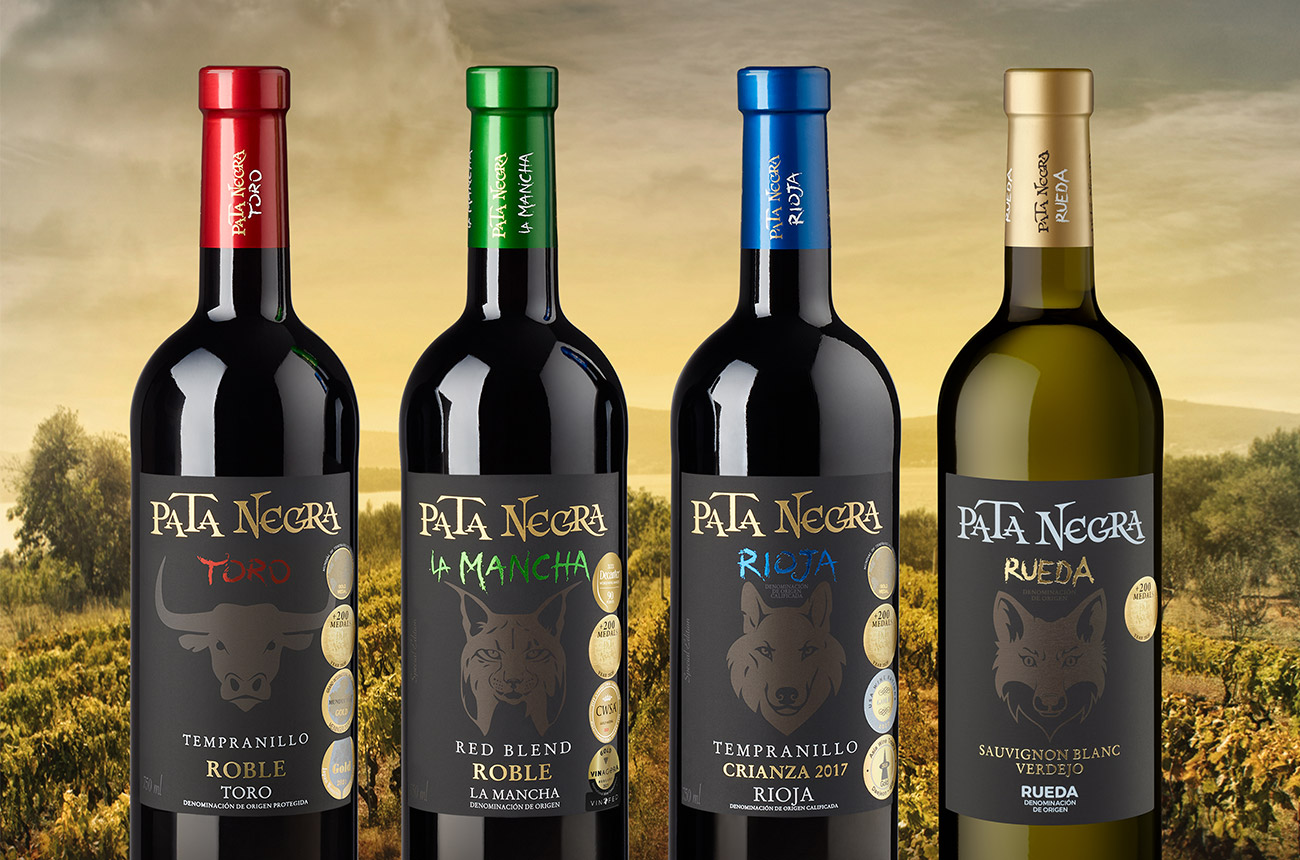 Setting the standard for Spanish wine: Pata Negra Fauna
Sponsored A journey through Spain's wine regions...
-
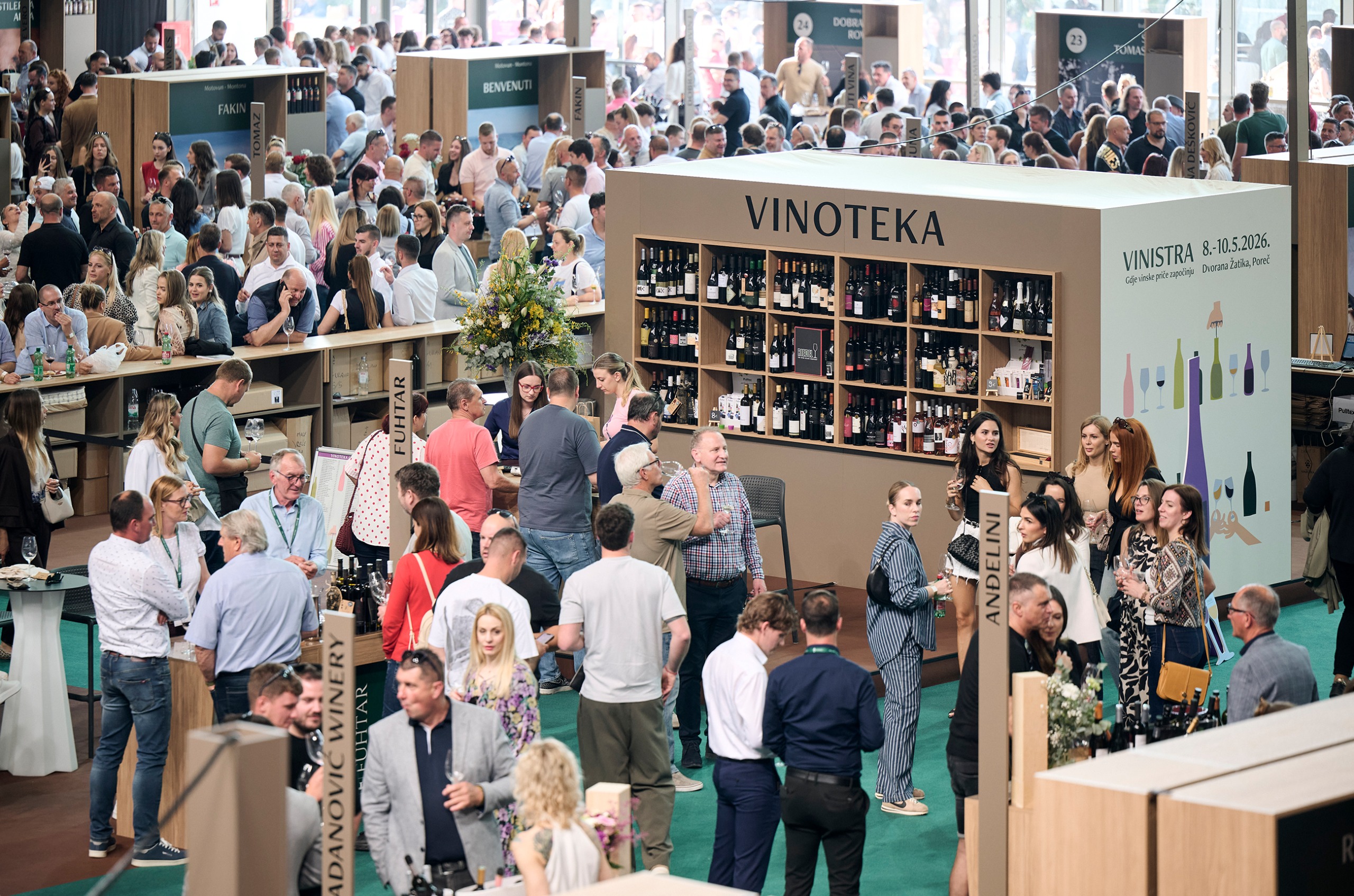 Istria: A bright future for Vinistra
Sponsored Showing Istria's diversity and quality...
-
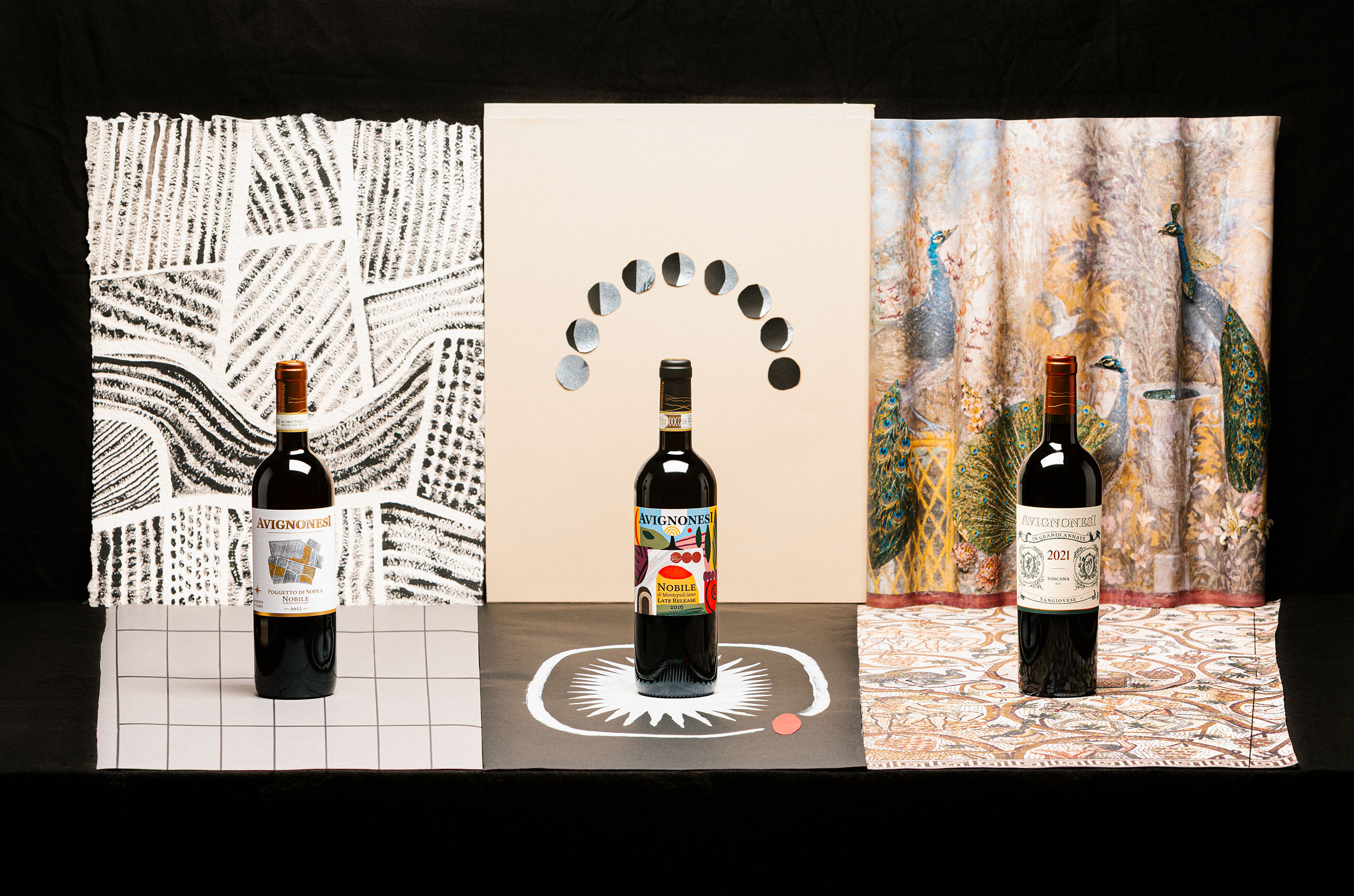 Avignonesi: The soul of Sangiovese
Sponsored Storied expressions of Tuscany’s most famous grape...
-
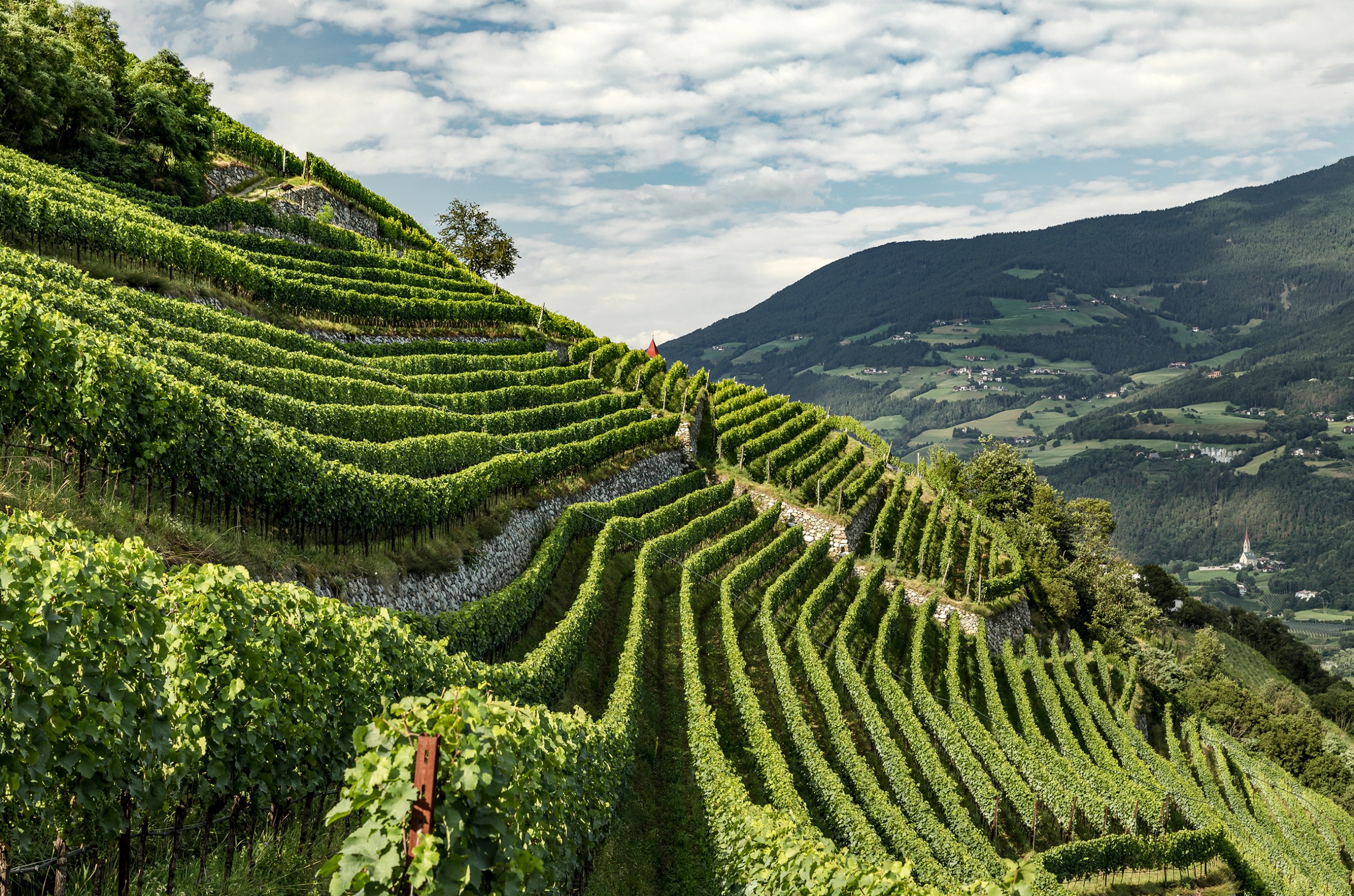 Alto Adige: Where diversity meets quality
Sponsored A hidden gem...
-
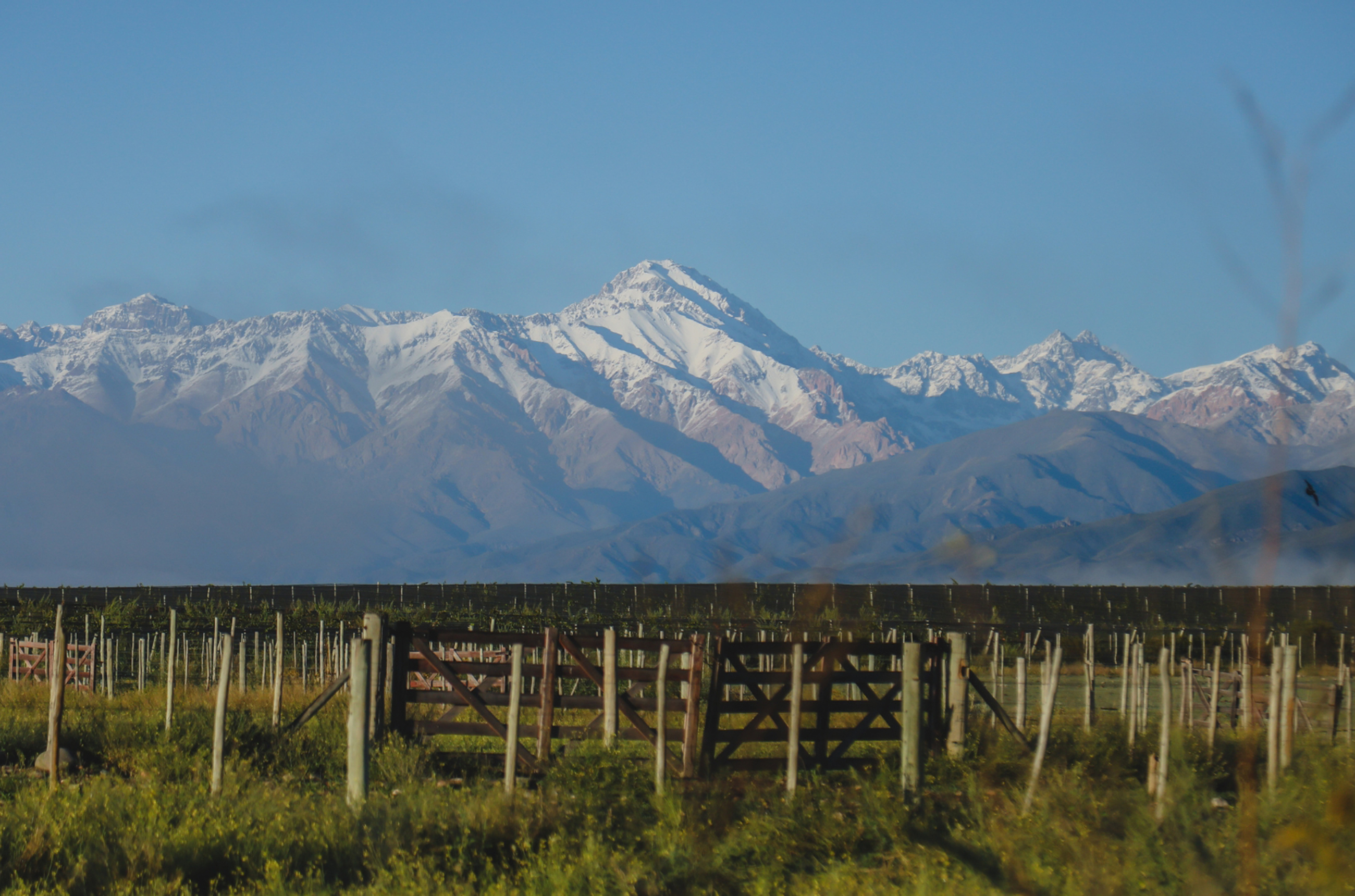 Gualtallary Wines: A Mendoza winery with an international vision
Sponsored Excellence at high altitude...
-
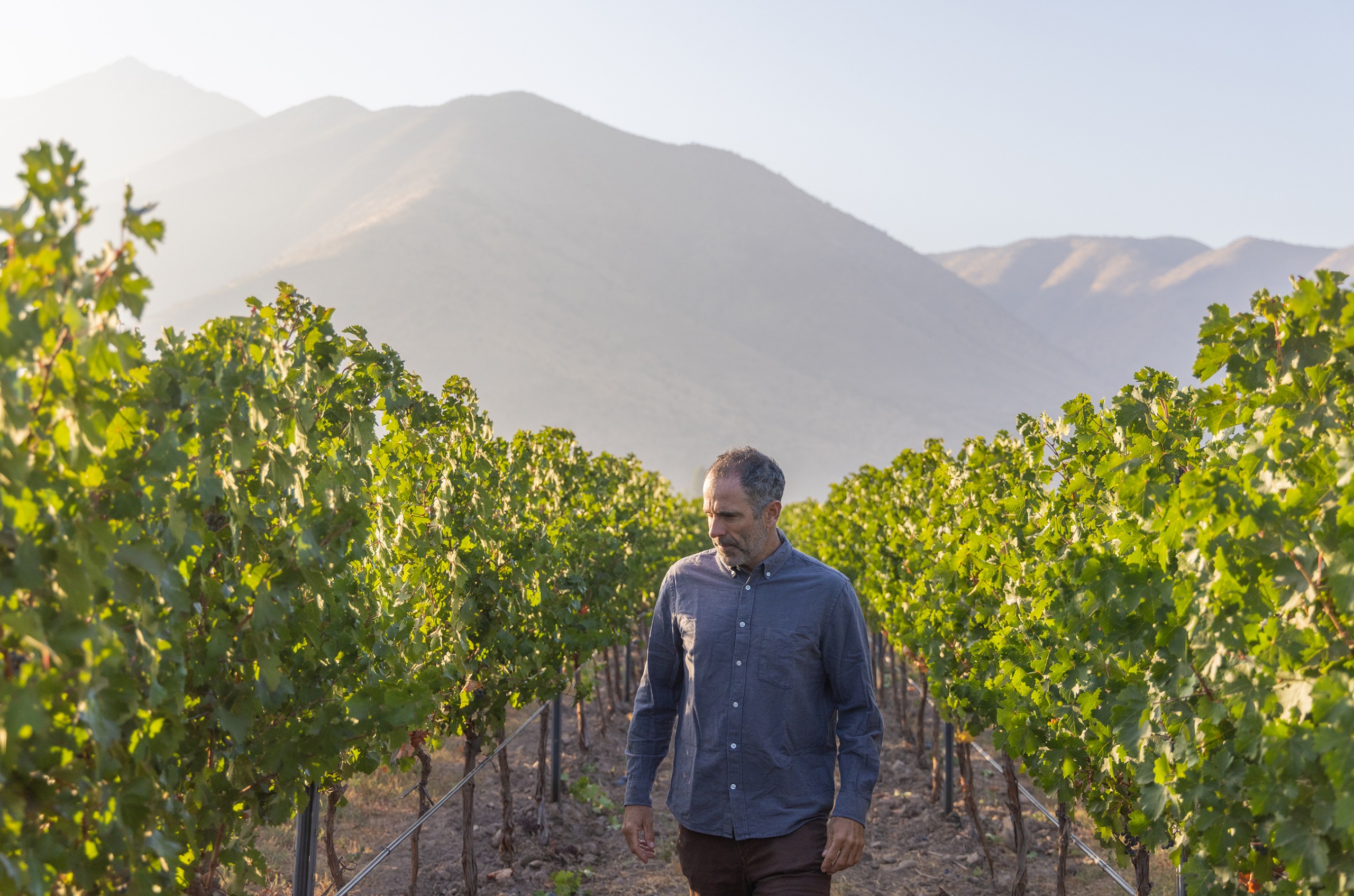 Casa Real 2023: A South American icon
Sponsored A renowned Cabernet Sauvignon...


