

With 210ha of vineyards that straddle eastern Italy’s Marche and Abruzzo regions, Umani Ronchi produces wines from key varieties Verdicchio and Montepulciano and exports to around 60 different markets. Decanter spoke to CEO Michele Bernetti to learn more.
‘We have vineyards in three main areas,’ Bernetti explains; ‘110ha in Castelli di Jesi; in Conero, on the sea, where we produce a fresh, elegant style of Montepulciano; and in Abruzzo, where we have just finished building our third winery.’
Verdicchio’s many faces
Marche’s flagship white grape is one of Umani Ronchi’s specialities: ‘Verdicchio produces truly ‘contemporary’ wines: dry styles with great sapidity and minerality that make for exciting food pairings. It also has superb ageing potential, in addition to lending itself to easy-drinking, fresher styles.’
The winery produces several very different expressions of the variety– below, Bernetti gives his insider view of each.
Villa Bianchi: ‘Our freshest, everyday wine, fermented in stainless steel and released in early February each year.’

Casal di Serra: ‘A classic expression, first produced in 1983 and one of our best-known wines. When Verdicchio in amphora-shaped bottles was all the rage, my father pioneered this concept of a lees-aged, single-vineyard release in a Burgundy bottle.’
Plenio: ‘This Riserva DOCG comes from Cupramontana – where the Umani Ronchi story began, and the highest Verdicchio vineyards (350m elevation). Aged in cement and large French and Austrian barrels and released 18-24 months after harvest’.
Vecchie Vigne: ‘From a vineyard planted over 60 years ago, which we brought back to life. Reduced yields, lees-aged, with one year in cement and another in stainless steel.’
Vecchie Vigne Historical: ‘Cellared and released after five years – the current vintage is 2020. Only 5,000-6,000 bottles are produced; grapes are sourced from the highest part of the Vecchie Vigne plot. A play on finesse, balance and elegance, rather than muscularity and strength.’

Sustainability and social responsibility
Bernetti stresses that sustainability is a key focus for the winery: ‘All our vineyards are organic and Equalitas certified. We are collaborating with the University of Ancona on a water usage research project, as we reduce our consumption across both the vineyard and winery.’
For Umani Ronchi, sustainability has many layers, he explains: ‘One third of the energy used in the winery comes from our solar panels – but the social side of sustainability is also key: ensuring fair, safe practices for our employees. The decision to become certified organic was not a mere commercial one, but rather to ensure a healthy environment for our workforce.’
More reasons to visit
Umani Ronchi’s hospitality offering includes the Grand Hotel Palace Ancona, in the historic city centre, and Hotel Monteconero, in the heart of Conero. The healthy grapes of the 2025 harvest, meanwhile, promise a great vintage ahead.
Discover more about Umani Ronchi
Connect onFacebook | Instagram | YouTube | X


-
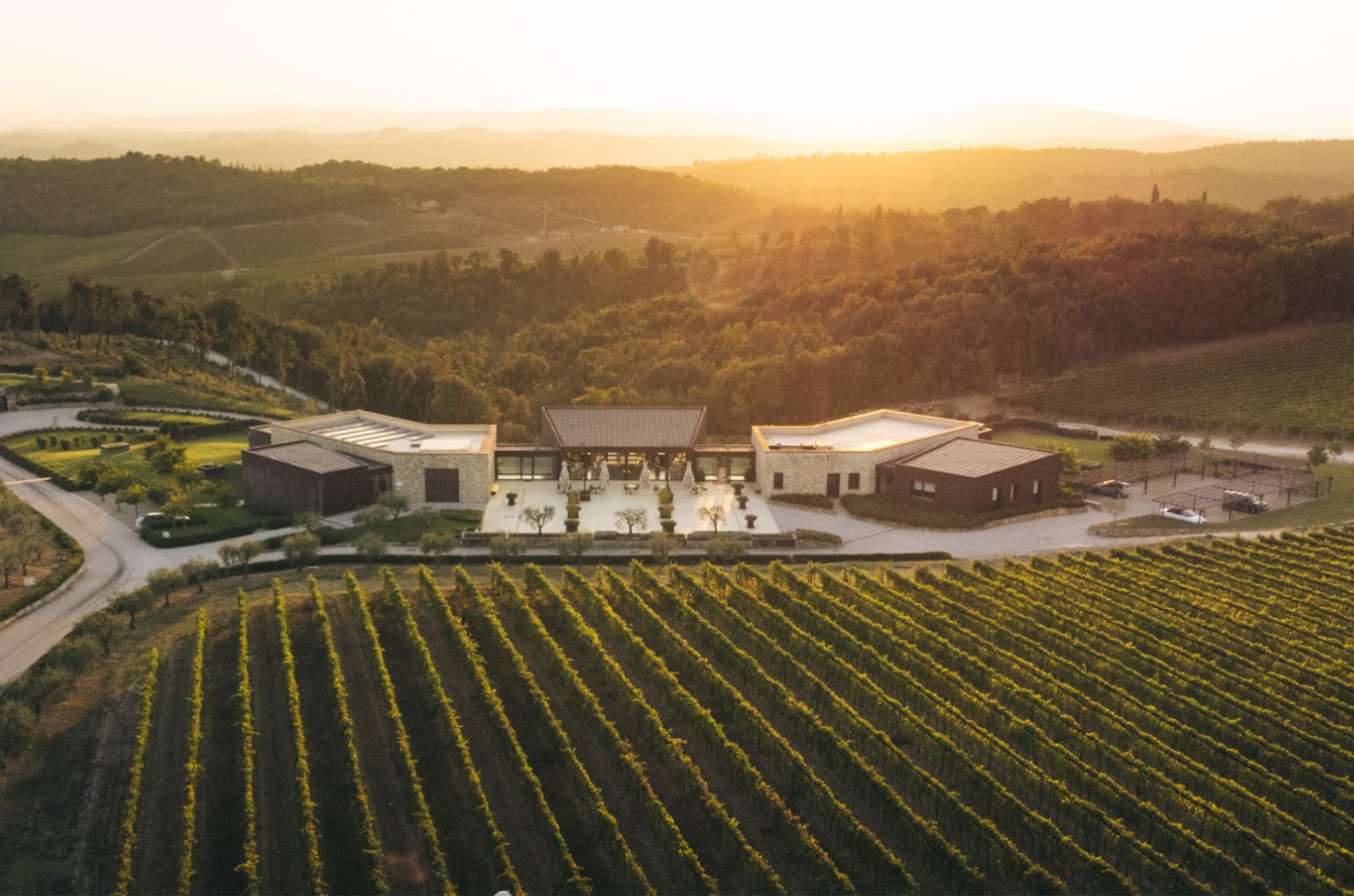 Vallepicciola: Tourism and winemaking in the Chianti hills
Sponsored Winemaking and luxury hospitality...
-
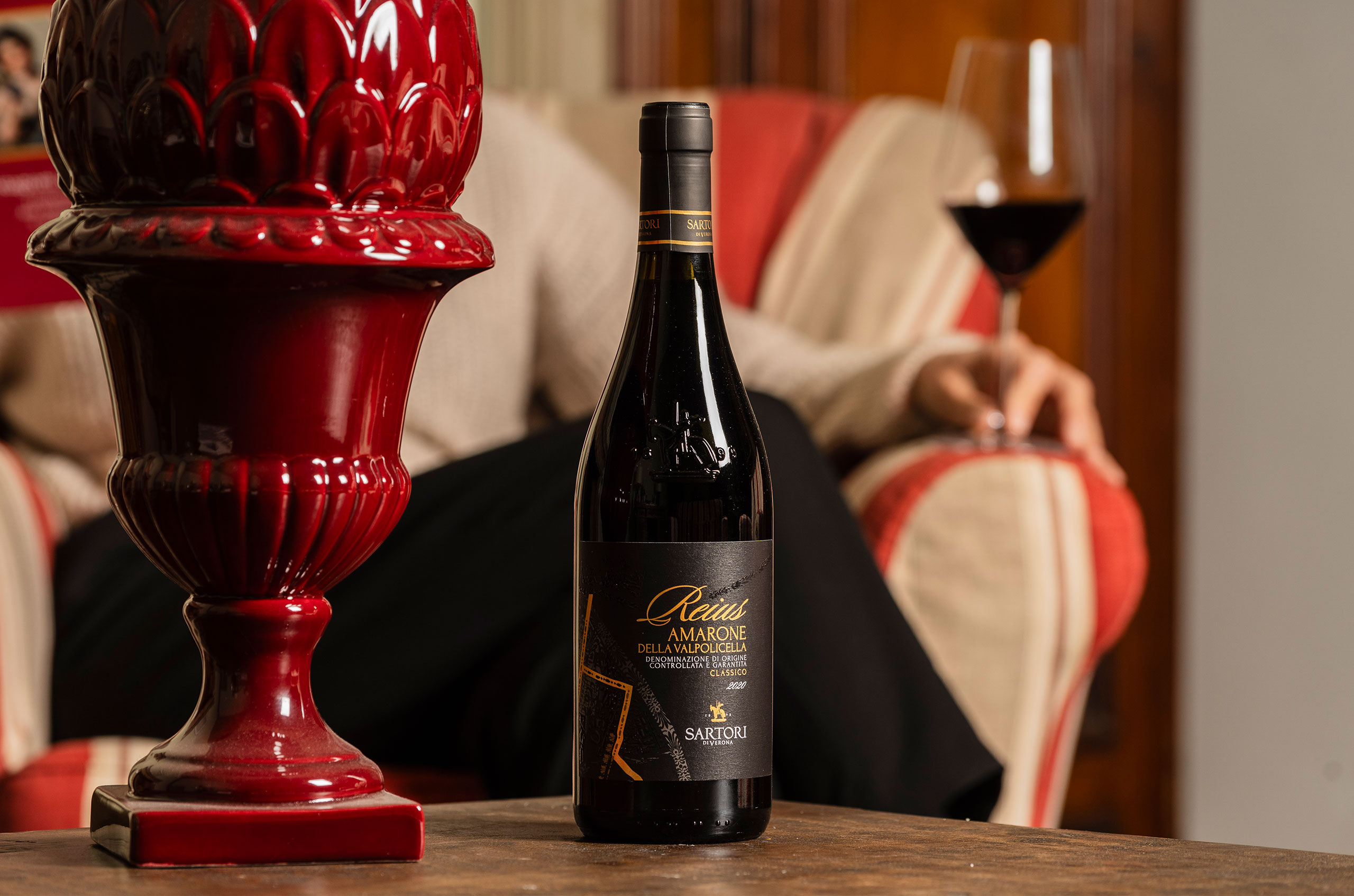 A standout voice in Valpolicella
Sponsored A key name for Valpolicella and Amarone...
-
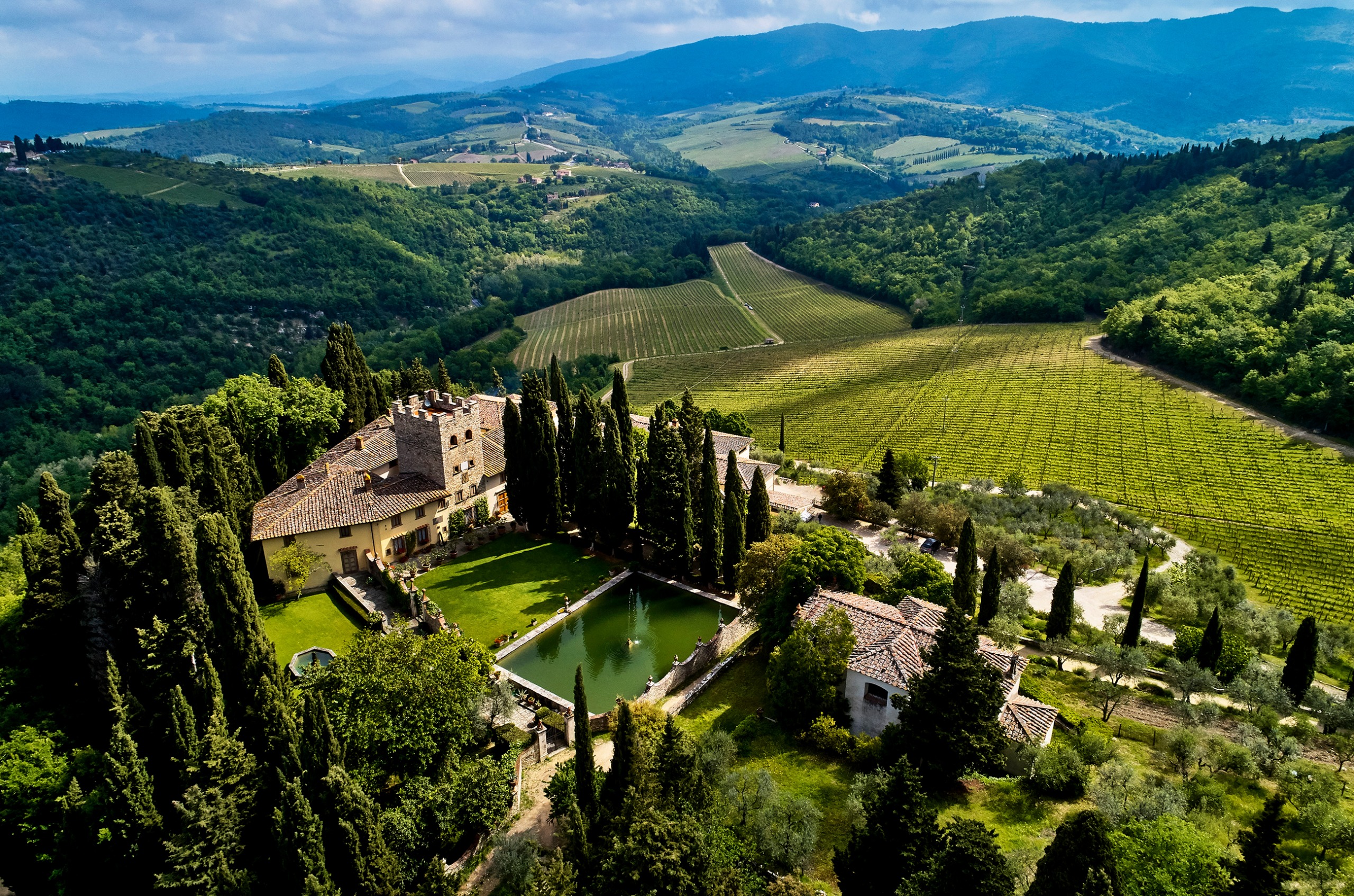 Discover the world of Castello di Verrazzano
Sponsored An ancient castle set amid sprawling vineyards...
-
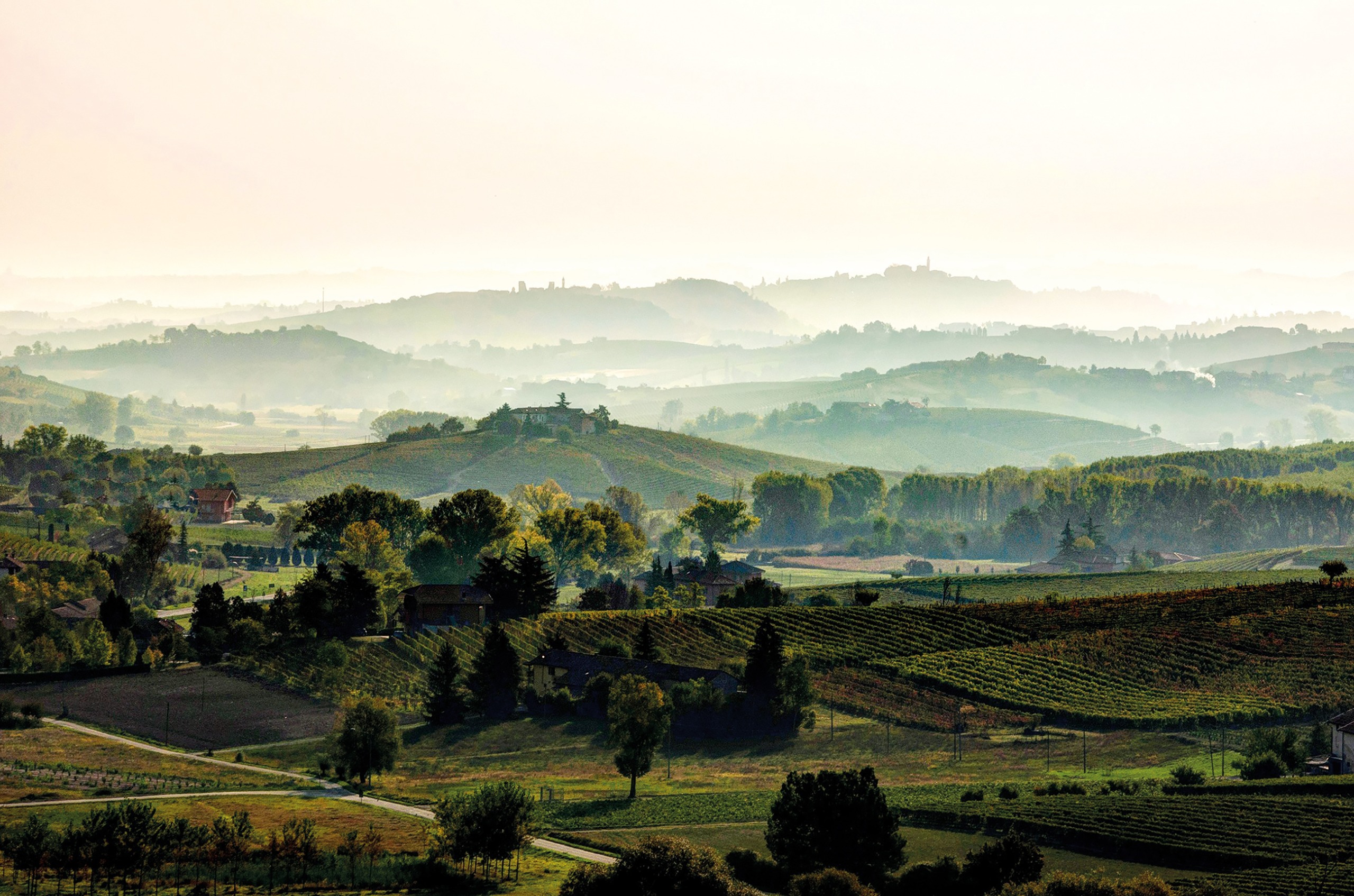 Barbera d'Asti DOCG: Tradition and modernity in Piedmont
Sponsored Many expressions of one variety...
-
 Sergio Mottura: Excellence in Tuscia
Sponsored A renowned figure in Lazio...
-
 Florio: Winning new fans while respecting Marsala’s history
Sponsored An important milestone in Marsala...
-
 Sensi Vini: The gateway to your Italian wine exploration
Sponsored Chianti and beyond...
-
 Celebrating European diversity
Sponsored Introducing the ‘Celebrate the Diversity’ project...


