Thousands sign up for free online wine course


More than 11,000 people have signed up to a new version of a free online wine course run by the University of Adelaide in Australia.
Around 11,300 students signed up to the latest University of Adelaide online wine course, starting 7 July.
More than 50,000 people from almost 160 countries have signed up since the programme began – mostly from the US, UK and Australia.
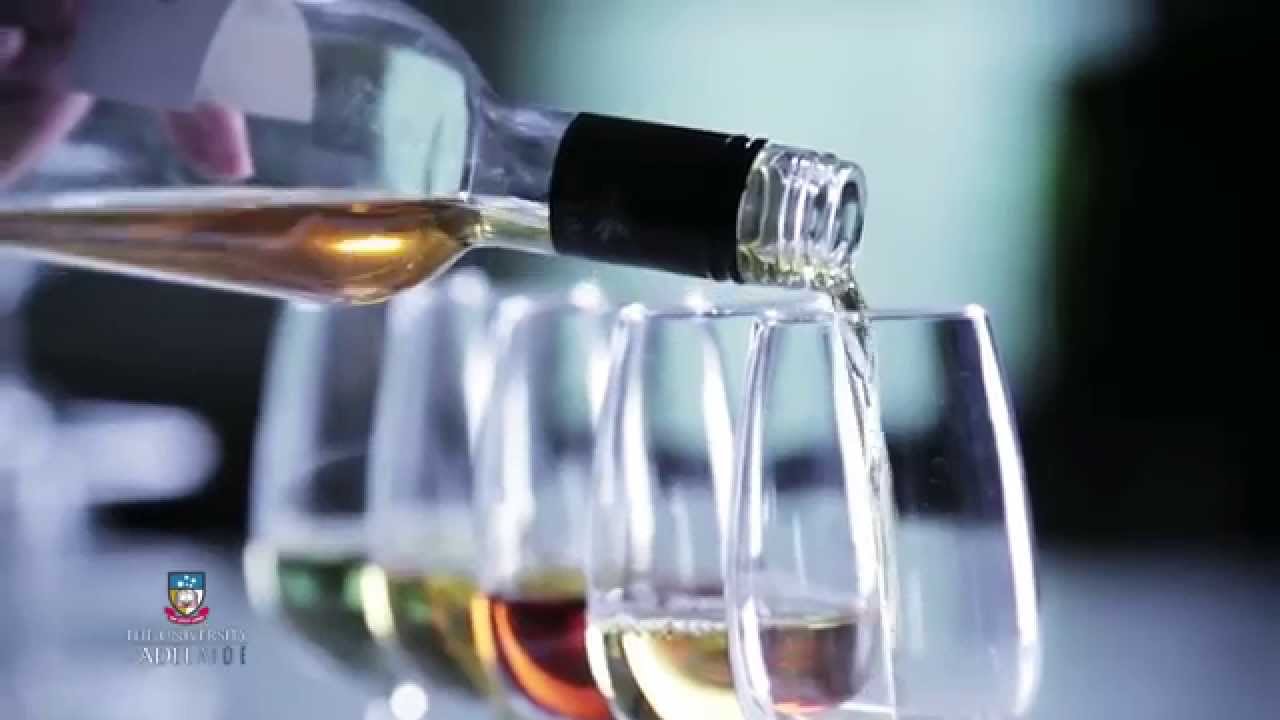
‘Consumers are more interested in knowing about the wines they’re drinking,’ said Kerry Wilkinson, associate professor of oenology at the University of Adelaide.
She added that many in the wine trade have also signed up.
‘We completely overlooked the fact that there is a whole range of people who work in the industry – from administrative roles, to wine marketing, sommeliers in bottle shops and restaurants – that need expertise.’
The course, named World of Wine: From Grape to Glass Mooc (massive open online course), includes a virtual field trip to the Yalumba winery in Barossa Valley.
‘The majority of people are not going to have the opportunity to walk through a vineyard, let alone a commercial winery in full vintage,’ said Wilkinson.
Related content:
What it’s like to take the WSET Level 2 course
University of Burgundy launches free online wine course
Surprise trade following
‘We’re [already] in the business of training future viticulturalists and winemakers.
‘We thought this is not a course that winemakers will do because there’s obviously no hands-on winemaking, or working in a vineyard,’ said Wilkinson.
But, this has been proved wrong. ‘Many cellar door managers have been getting their staff to do it [so that they can] speak more confidently and knowledgeably about growing grapes and making wine.’
Wine is opening up
Wilkinson said that she was pleased to see interest from average consumers.
‘Consumers are becoming more adventurous. They also want to understand why this wine costs $50 and this one costs $20 but they’re the same grape variety from the same region,’ she said.
Celebrity status
‘I’ve been to bars and shops in Adelaide and had a handful of people go: ‘I know you, aah, you’re Kerry from the wine Mooc,’ said Wilkinson.
‘I’ve not quite got to the stage of signing autographs but it’s nice to know people locally have been doing the course,’ she said.
Editing by Chris Mercer.

Champagne council launches e-learning programme
Champagne’s governing body has launched its first e-learning programme, Champagne Campus, in an effort to inform and educate younger consumers

How important is serving temperature – ask Decanter
How much of a difference does it make - and why..?

Rosé winemaking methods – ask Decanter
How do I know how my rosé is made?

Massal selection vs. clones: What’s the difference?
Vicki Denig explores these two ways of planting vines...

Concrete eggs in the winery – ask Decanter
Why are concrete eggs beginning to be used in place of more conventional fermentation tanks? Christelle Guibert provides an eggs-planation...

Rioja rules check – ask Decanter
Do DOCa Rioja rules require that each wine is barrel aged, bottled and labelled in a single release?
