Urban wineries: the London scene
The Decanter team profiles London’s urban wineries and picks out the top wines to try

Jason Tesauro charted the rise of the urban winery in Decanter’s September 2020 issue. Though his article focused on the US, he explained that urban wineries are a global phenomenon, with examples springing up across the globe.
The motivations, personal narratives and philosophies behind these businesses vary, but they all add to the dynamism of a city’s wine scene, offering new and often exciting wines to try, as well as opportunities to visit, taste and learn.
London is home to four urban wineries: Blackbook, London Cru and Vagabond, all in southwest London, and Renegade in the city’s east. We introduce them – and a selection of their wines – below.
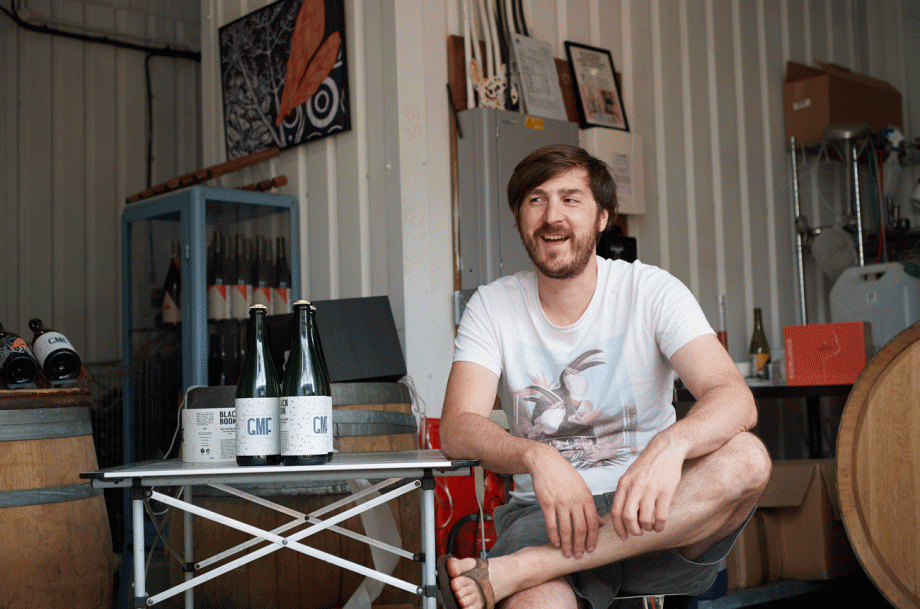
Blackbook
‘Our ethos embraces a single fundamental goal: to make bloody good wine,’ says Blackbook’s founder Sergio Verrillo. He certainly has the experience under his belt to realise this ambition, and the wines that have been released since the winery’s first vintage in 2017 have met with a positive reception from critics and customers.
After a degree in viticulture and winemaking at England’s Plumpton College, Sergio spent time as a travelling winemaker – passionate about cool-climate Chardonnay and Pinot Noir, he did stints at wineries including Greyfriars (England), De Montille (Burgundy), Ata Rangi (New Zealand), Mulderbosch (Stellenbosch), Calera and Flowers (California).
He and his wife Lynsey opened their urban winery in a railway arch in Battersea, southwest London, sourcing grapes from growers located within easy reach of the city, in Essex, Surrey, Kent and Oxford. As well as the core range, which unsurprisingly majors on Pinot Noir and Chardonnay, there are regular experimental releases, and all wines are made with a philosophy that leans towards minimal intervention: indigenous yeasts, and low to zero sulphur use where possible. Texture is a priority, and most wines are fermented in old French oak, with a portion in stainless steel. All undergo a minimum of six months sur-lie ageing.
Experimental releases have included a sparkling Seyval Blanc, a Cabernet Noir, a Pinot Meunier and a Bacchus / Ortega blend. There’s also an English vermouth in the pipeline, aged in a concrete egg to bring out the aromatics in the base wine. The biggest seller by far though is the Clayhill Chardonnay, which has become Blackbook’s signature wine. Both this and the Clayhill Pinot Noir are impressive. ‘We want to show people that you can make good red wine in England every year,’ says Sergio. By Amy Wislocki
www.blackbookwinery.com. Wines distributed by Hallgarten Novum in the UK. Winery tour and tutored tasting of four wines (1.5 hour duration) available most Saturdays: £20pp.
London Cru
Based in Fulham, London Cru was the first urban winery in the capital, launching in 2013. Owned by importer Roberson Wines, the idea was first dreamed up by Cliff Roberson and his team in 2010, inspired by the success of other city wineries around the world and the popularity of craft breweries and distilleries that were already springing up in London.
The plan was not only to create a working winery, but also to provide a place where Londoners could come to learn more about what really goes into the winemaking process – without even having to leave Zone One.
‘We get a really good cross-section of visitors – we’ve had lots of people from France – but it’s mostly Londoners. It’s also a lot of trade; sommeliers can get a really authentic experience, coming and helping us process fruit,’ says genial winemaker Alex Hurley. ‘It’s a real winery, making real wine. You can jump on a train, come just near Earl’s Court, and you’re in a winery that has all the bells and whistles.’
Originally from Australia, Hurley joined London Cru for the 2018 vintage. When it first opened, the winery bought in grapes from across Europe. But since 2017 it has sourced only English grapes from West Sussex vineyards, Hurley working closely with growers to focus on quality.
The 2019 vintage includes Petticoat Lane Pinot Gris PetNat (200 bottles), Baker St Bacchus (3,000) and Pimlico Road Pinot Noir Précoce (500), with a sparkling Pinot Meunier from Kent set for release in early 2021. ‘I’m a big believer in these early ripening varieties in the UK,’ explains Hurley. ‘So I’m not chasing Chardonnay or Pinot Noir, I’m chasing things like Bacchus, which even in a cool year like 2019 can make a fabulous aromatic wine.’
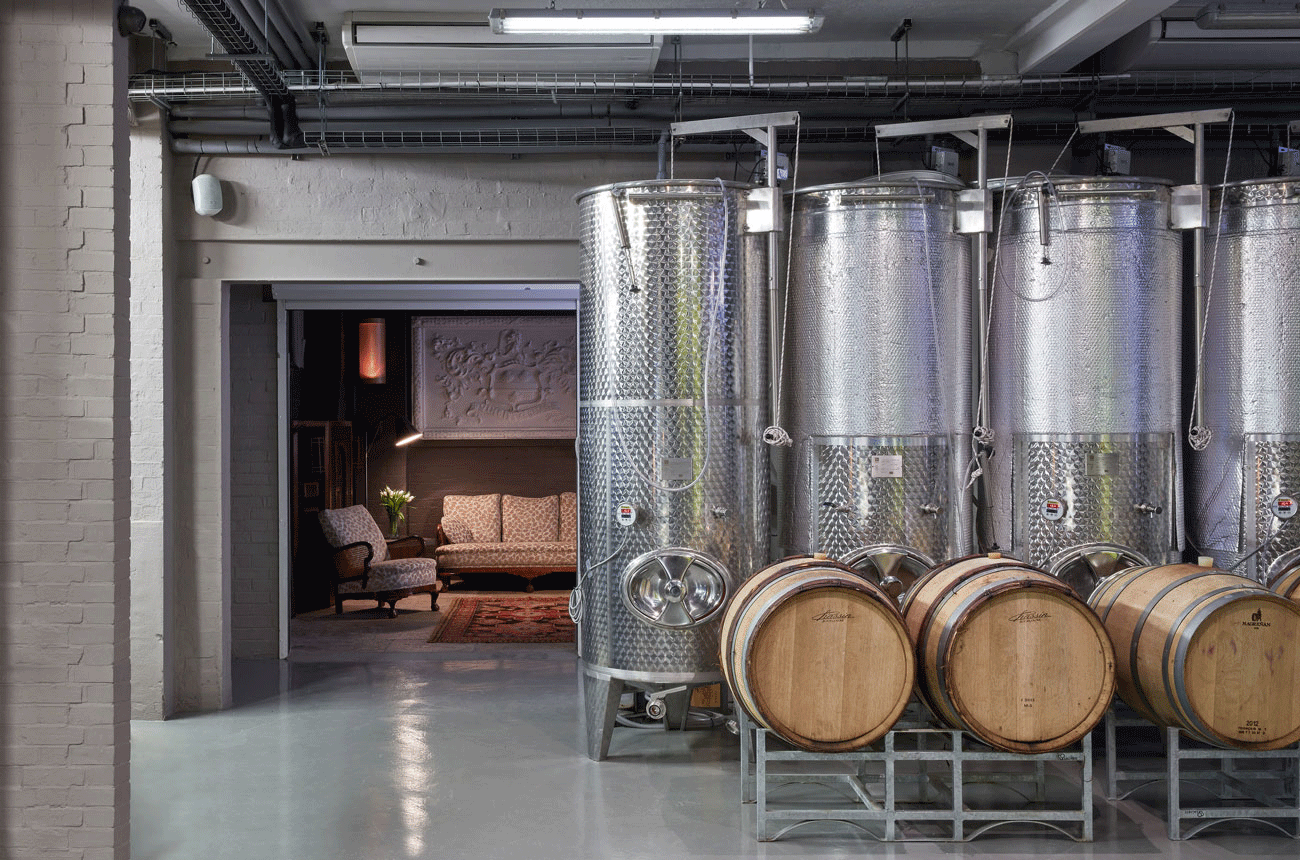
Although the scale of the winery is boutique, the ambition and set-up are significant. ‘From the early days they had big investment into the winery, so we have state of the art,’ says Hurley. ‘There’s cooling and heating through the whole place, the concrete tanks are temperature-controlled.’ Because the winery is owned by an importer, he also has extra benefits – such as a supply of used premier cru Burgundy barrels to age his wines.
‘Probably the downside is getting the fruit to the door from the vineyard, that’s the hardest part – though an hour in a truck on a cool morning in September’s doesn’t impact the fruit at all,’ adds Hurley. ‘Once that’s in the door, there’s no reason why the wine can’t be as good as wines from anywhere else because we have everything we need.’
Additional manpower is useful at key production times however, so London Cru runs a paid membership scheme; anyone can sign up to get hands-on in the winery three times a year. One-day WSET Level 1 courses are also available, alongside regular winery tours, tastings and food-pairing sessions and a ‘Winemaker for a Day’ experience.
‘A big part of our business model is communicating about wine, presenting the wines, getting people excited by English wines,’ says Hurley. ‘We’re a launching point for a lot of people. I mean this is the benefit of urban winery: we’re so accessible.’ By Julie Sheppard
www.londoncru.co.uk. Wines distributed by Roberson Wines in the UK.
Renegade
Hidden behind a wall of graffiti near Bethnal Green, Renegade harbours under one of the railway arches, next to a furniture shop.
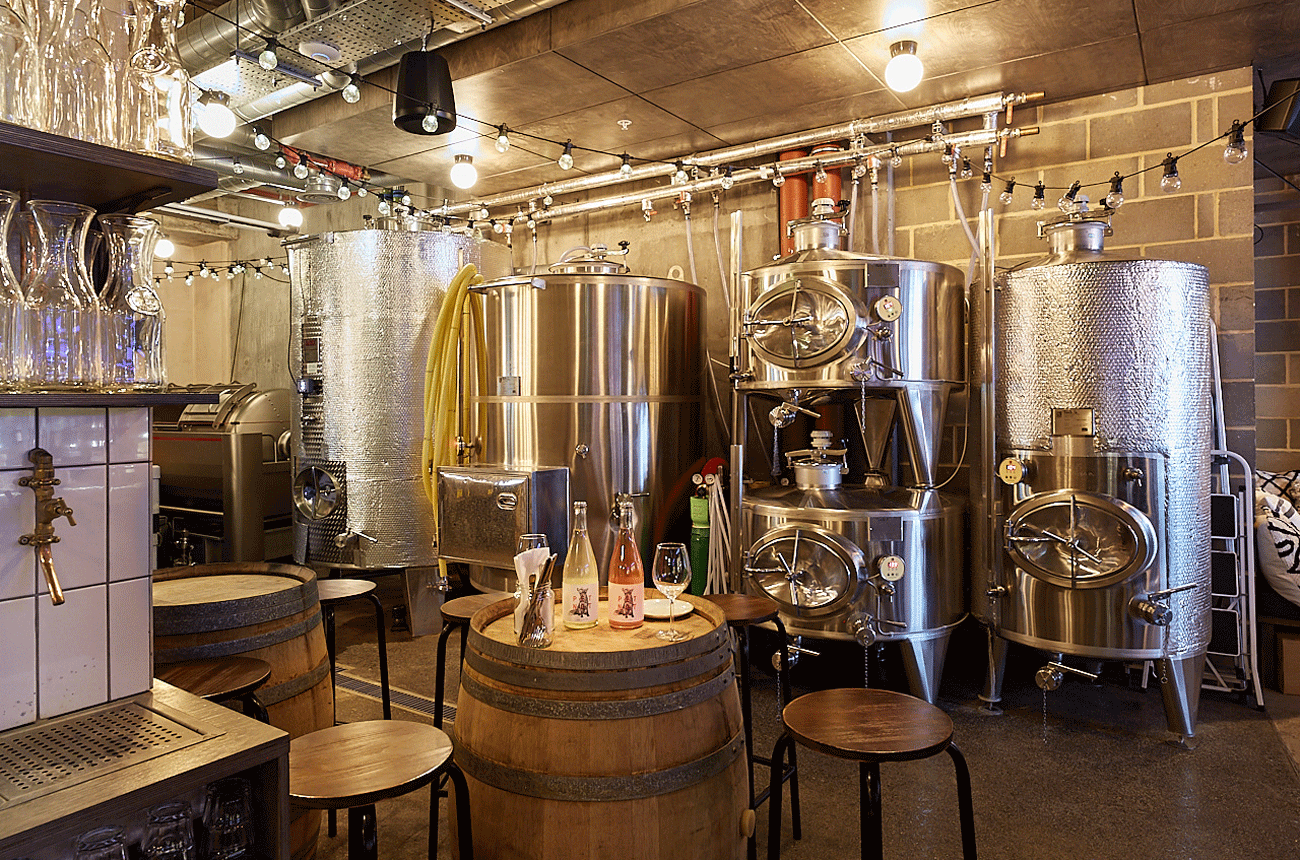
Feeling the vibration of the train a few times an hour, the urban winery packs everything it needs in one place – the press, small stainless steel tanks, a bunch of French and Hungarian barrels – used and new – plus a concrete egg with a happy face drawn on it.
It’s still a month until the first batch of grapes arrives from southern Europe, so these gears sit idle, giving space to a casual bar area. Although due to the global pandemic, customers in the daytime seem to prefer buying bottles over the counter and taking them home to enjoy.

‘We used to sell 85% of our wines to restaurants, now that has gone down to zero,’ said Warwick Smith, Renegade’s owner. He has had to adapt fast since lockdown and is now offering free next-day delivery to any UK address without a minimum order.
Before this venture, Smith had a successful career in asset management for 15 years. He travelled around the globe and developed a passion for wine. ‘I’ve seen the emergence of the urban winery in the US and Australia,’ he explains.
The rise of craft beer and gin made him wonder that if artisanal beer producers could source their hops from another continent, why not wineries? He decided to ‘take the plunge’ and quit his job in 2014.
‘London is really not that far from great grapes,’ he said. ‘Pfalz in Germany is seven hours away, including the ferry. And you’ve still got the whole of the UK to source vineyards from.’
After hiring a young winemaker from New Zealand, Smith launched Renegade in 2016.
From his nearest vineyards in Sussex to as far away as Puglia, whole bunches of grapes are picked at the desired ripeness and loaded to temperature-controlled (2°C) trucks, then driven all the way to the narrow railway alley in East London.
‘The earliest harvest we’ve ever had was the last week of August, in Algarve, Portugal. Then it’s usually Valencia, Lombardy, Puglia and Pfalz. England is always the last we pick.’
‘I’m not a terroir denier,’ stresses Smith, ‘But for me, grapes are fruits like apples and pears. They are raw ingredients. Grapes are grown but wines are made. The making side of winemaking, in my opinion, is much more important than terroir.’
He never imports more than 14 tonnes of grapes from one grower, which means he gets to cherry-pick the best fruits – and is happy to pay a premium for them.
This wide variety of raw materials allows Smith and current winemaker, Andrea Bontempo, to create a range of styles.

The winery’s portfolio consists of 12 wines, including a traditional-method sparkling Blanc de Noirs (sold for £100 a bottle as only 800 were made), a naturally fizzy Bacchus called Jamie, and a skin-contact Pinot Grigio called Araceli. Excluding the top sparkling, the rest are sold for £19 to £26 a bottle.
Though many of Renegade’s wines are made with wild yeasts, bottled with minimum use of sulphur and without filtration or fining, Smith is not willing to label them as ‘natural’.
‘There’s a bandwagon we could jump on. But I think it (natural wine) is generally misunderstood and not inclusive.’
‘I thought this was going to be a short-term project. If I fail, I’ll restart again at 40,’ says Smith, who has just reached that age but now has a booming business in hand.
‘He is now thinking about expanding beyond his annual 40,000-bottle production, though that means settling for a few popular products and making more of them. A second label of more ‘lighthearted’ drinks is also planned.
The ambition this year, though temporarily halted by Covid-19, was to move Renegade to a bigger space and better environment. Though the natural lees stirring from the train vibrations will be missed, Smith says, as another train roared across the bridge above us. By Sylvia Wu
www.renegadelondonwine.com Free next-day delivery to UK addresses
Vagabond
Vagabond’s buzzy, eclectic wine bars with their sampling machines have been popular with wine lovers since owner Stephen Finch opened the first one in Fulham in 2010. Before long there were five successful premises (there are now eight), and Finch was itching to try something new.
Meanwhile, Australian winemaker Gavin Monery was looking to spread his wings, after four years designing, building up and making wine at London’s first urban winery, London Cru (see above).
It wasn’t long before the two of them had joined forces to create the boutique Vagabond Urban Winery in the Battersea Power Station development, celebrating their first vintage in 2017. Production is more than 25,000 bottles annually.
‘The goal from the beginning was English wine,’ Monery tells me via a Zoom chat from Western Australia, where he and his young family ‘are trapped during this Covid mess’.
Quarantines, lockdowns and flights permitting, Monery is due back in London on 5 August to start bottling the 2019 wines, before heading out on a road trip around his contract vineyards in Essex, Oxfordshire and Surrey for the 2020 harvest.
‘Stephen went out on a limb and gave me the freedom to make whatever I wanted,’ he says. ‘So, having learned from my time at London Cru, I wanted to take local fruit from within 90 minutes’ drive of London and make English still wine that would stand up to anything made internationally.’
‘At Vagabond I’m concentrating on making what the UK can grow well: still whites, rosé, juicy, vibrant reds and some fizz.
‘The aim was mostly still wines, but I also make a pet-nat [pétillant naturel]. In the UK market, only 12% of the volume is sparkling, and of that only 2% is sparkling above £30 a bottle. We don’t want to fight with Nyetimber and Bollinger for that 2%.
‘We want to show people that Bacchus can be as good as Kiwi Sauvignon Blanc, but truly local and special in its own way.’
The 2018 wines available via the Vagabond website and in-store, are topped by a whole-bunch-pressed Pinot Noir rosé that’s half-fermented in barrel with long lees ageing, creating texture to offset acidity without resorting to using residual sugar.
The Bacchus tastes quintessentially English – brimming with gooseberries, elderflower and hedgerow flavours – and the Ortega, made like a Chablis, shows lean flinty citrus notes in 2018 but more exotic and Viognier-like in the riper 2019 vintage. There is also that ‘pét-not’ from Frauburgunder (aka Pinot Precoce), a Chardonnay and, being launched in September, a 2019 vibrant Beaujolais-style Pinot Noir.
‘A lot of English wines are very delicate and I try not to mess with them too much,’ Monery explains. ‘Minimal intervention as a term is thrown around so much it’s become almost meaningless; everyone is doing it so it’s just quality winemaking now.
‘That said, I am pragmatic. While I do as little to the wines as I can, I will do everything required to make them taste their best.’
While Vagabond, like London Cru, does collaboration own-label wines with other wineries in South Africa, Argentina and Spain, the focus is overwhelmingly on English wines.
He reflects on his time at London Cru: ‘I’m still really proud of what I achieved there. We had the support of lots of London sommeliers but sadly consumers were harder to win over. We underestimated how important a sense of place is to them.
‘Consumers don’t just buy quality wine, they buy the story and the place. ‘At London Cru we took Syrah and Grenache from Spain, Chardonnay from Limoux and Barbera from Piedmont – all top sites – and handpicked them and chilled them en route to London, arriving 36 hours later.
‘Moving those wines to London didn’t lessen the quality, but it did lessen the sense of place. Hardcore wine geeks loved it but the general public was ambivalent. Unfortunately, to make a profit you need both.’ (Since 2017 London Cru has sourced only English grapes.)
Monery is convinced the English focus at Vagabond is the right one – with plenty of opportunity for experimentation and challenge.
‘England is one of the hardest places in the world to make top-quality still wine. Producers are still learning about their grapes, sites and terroir, and winemakers are still learning how to get the best out of them. We all have a long way to go, which is why working here is so exciting.’ By Tina Gellie
www.vagabondwines.co.uk/locations/battersea-power-station Wines are available to buy or drink in-store from Vagabond’s London wine bars or online shop. Blending sessions, tours and tastings available on request.
London urban wineries: 20 wines to try
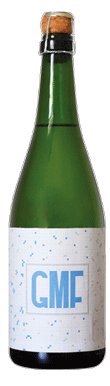
Blackbook Winery, GMF Sparkling, England, United Kingdom, 2017
90
The second vintage of a traditional-method, col fondo style sparkling wine, this was an accidental wine, says winemaker Sergio Verrillo. The Seyval Blanc Oxfordshire grapes were originally destined for a still wine but after six months ageing, he decided they were perfect for sparkling. Whole bunch pressed to a mix of stainless steel and old Burgundy barrels, the wine underwent malolactic fermentation before spending seven months on lees and being bottled undisgorged. Cloudy in the glass, it has a lovely chalky quality, firm, with dried lemon peel and elderflower notes, and mouthwatering acidity. Exciting stuff.
2017
Blackbook Winery
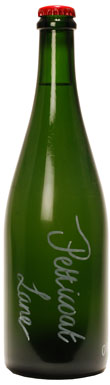
London Cru, Petticoat Lane Pinot Gris PetNat, England, United Kingdom, 2019
90
Made in London's first urban winery with grapes grown in West Sussex, this funky PetNat has vigorous bubbles and crisp acid. Bottled with its lees, so if you keep it for three to five years it will evolve in the bottle, developing more bready, yeasty notes. Apple and yeasty farmyard aromas. The palate is crisp and fresh, with high natural acidity, notes of citrus and green apple. Only 200 bottles made.
2019
London Cru
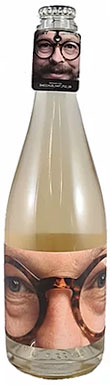
Renegade, 'Jamie' Bacchus, Herefordshire, England, United Kingdom, 2019
89
Sealed under a crown cap, this English Bacchus is made in the 'Nat Fiz' (Naturally Fizzy) style by only one fermentation (20% on skins), and has only been riddled and disgorged once. A perfumed nose of white peach, elderflowers, green apple and citrus freshness, with newly cut green grass, lemon and crunchy apple on the palate. A touch of apple peel adds astringency and an extra layer to the flavour. Similar to the previous vintage, the owner has chosen Jamie, who works in a grooming salon in East London, to appear on the label, though noted that the 2019 is a cooler vintage with less alcohol (11%). The production of this sparkling Bacchus is 2100 bottles per year.
2019
RenegadeHerefordshire
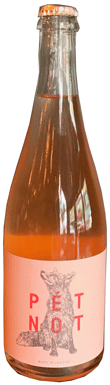
Vagabond Urban Winery, Pét Not, England, United Kingdom, 2019
88
<p>'We don't want to compete with traditional-method English sparklings, but the natural acidity in English grapes gives us a great opportunity to make these fun, more accessible-type fizzes,' says winemaker Gavin Monery, who likes to think of this as a 'non-disgorged, traditional-fermented sparkling', hence its name of 'Pét-Not'. By its name, Pinot Précoce (aka Frühburgunder) is an early-ripening grape, perfect for this style of wine – this vintage coming from vineyards in Oxfordshire, Essex and Surrey. It's fermented bone fry, chaptalised in tank then bottled in February after the second fermentation starts, meaning there is less lees left in bottle than a true pét-nat, so the wine is clearer. Fast, furious bubbles, quite yeasty and fresh, with a dry, crisp character but not much fruit definition apart from a whisper of red apples and cherry. 5,000 bottles made.</p>
2019
Vagabond Urban Winery
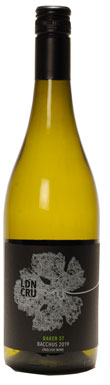
London Cru, Baker Street Bacchus, England, United Kingdom, 2019
93
This elegant, gastronomic wine shows what can be achieved with English Bacchus in the right hands. Australian winemaker Alex Hurley uses grapes from West Sussex and produces this limited-quantity label (3,000 bottles) at the boutique London Cru winery - the capital's first urban winery. Fresh and appealing Sauvignon-like nose, with lime, gooseberry, herbal and grassy notes. Judicious oak use (23% of the wine spends seven months in used premier cru Burgundy barrels) adds a delightful creaminess to the palate, well balanced by fresh acidity, plus notes of citrus interwoven with passionfruit, fresh pineapple and subtle elderflower. Ends with a crisp grapefruit bite.
2019
London Cru
Blackbook Winery, Painter of Light Chardonnay, England, United Kingdom, 2018
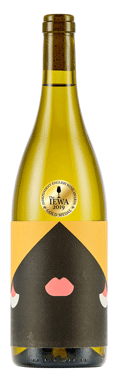
91
Blackbook's flagship wine showcases the experience winemaker Sergio Verrillo clocked up at high-profile cool-climate wineries around the world. Grapes were sourced from the south-facing Clayhill vineyard in Essex, planted in 2006. Grapes are whole-bunch pressed straight to Burgundy barrels, 20% new. The wine undergoes primary and malolactic fermentation using indigenous yeasts and ages on lees for nine months in barrel and a further three months in tank. Bottled unfined and unfiltered. This has lovely purity and concentration, with waxy lemony citrus fruit, a subtle spice from the oak, and mouthwatering acidity. Very classy.
2018
Blackbook Winery
Renegade, 'Marc' Dry Riesling, Pfalz, Germany, 2018
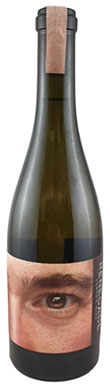
91
The 'Marc' dry Riesling is made with grapes from Pfalz of Germany and fermented whole bunch using yeast strains common in wineries in Adelaide Hills of Australia. 'Old World grapes made with a New World touch', as the owner puts it. Limey petrol nose on top of peach, green apple and white blossom. Savoury lemon, crisp apple and apricots on the palate with an oily texture. The 2018 vintage is named after Marc, a newspaper editor based in London.
2018
Renegade
Blackbook Winery, The Mix-up, England, United Kingdom, 2018
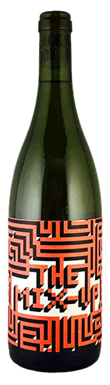
90
A blend of half Bacchus and half Ortega from vineyards in Kent, the aim here was to make a super-aromatic white with low alcohol, but also a wine with texture and length – too many English wines have aromatics but lack these additional qualities, believes winemaker Sergio Verrillo. The varieties were fermented and vinified separately – the Bacchus in steel only, the Ortega in Burgundy barrels after a period on skins – before being blended before bottling. Drinking beautifully now, all in harmony; tropical fruit salad flavours, textured and with notes of English hedgerow. Would be perfect at a barbecue with spatchcock chicken or lightly spiced ribs, or try it with a soft cheese like Epoisses. (The 2019 Mix-Up Blend will be Pinot Gris and Chardonnay – not yet released.)
2018
Blackbook Winery
Vagabond Urban Winery, Bacchus, Oxfordshire, England, United Kingdom, 2018
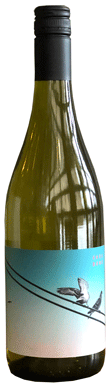
90
A quintessential taste of the English countryside, brimming with aromas and flavours of gooseberry, elderflower and hedgerow. 'This is the UK's answer to Kiwi Sauvignon Blanc,' says Gavin Monery. It's an extroverted style, with high acid and punchy flavours, and the crisp, clean, juicy palate is moreish and the perfect picnic wine. The 2019 vintage, released in September 2020, is equally as delicious and exuberant, with tart grapefruit notes alongside the gooseberry, elderflower and hedgerow. The fruit for both vintages comes from the Yew Tree Vineyard in Oxfordshire. 5,500 bottles made.
2018
Vagabond Urban WineryOxfordshire
Vagabond Urban Winery, Ortega, England, United Kingdom, 2018
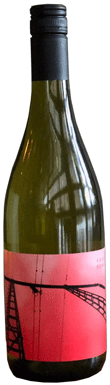
89
Intriguing, with a touch of oxidative funk and texture from one-month of lees ageing, flinty mineral notes and subtle citrus and quince flavours, mainly from from the seven-year-old, clay-based Yew Tree Vineyard in Oxfordshire. Just 2,000 bottles made. The 2019, released in September 2020, has six months lees ageing in tank, and is much more oily and Viognier-like on the palate, still with a flinty edge but more ripe peach and apricot on the creamy palate. Like the Chardonnay, a better wine in 2019, scoring 90. 'I often prefer Ortega to Bacchus,' says Gavin Monery. 'It's understated and there's more to think about.'
2018
Vagabond Urban Winery
Vagabond Urban Winery, Chardonnay, England, United Kingdom, 2018
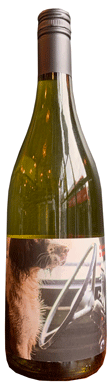
88
This 2018 vintage is mainly from a single vineyard near Guildford in Surrey, fermented and then aged for nine months on lees in old French oak barrels. Lots of texture and weight with an oatmeal creaminess and stone fruit flavours. 4,000 bottles made. The 2019 vintage (12.5% abv) released in September 2020, is from a single vineyard in Essex – a riper, warmer site on chalk. It has lovely ripe pear, heady apricot and spiced oak flavours and a cut above the 2018, scoring 89 points. 'I really wish Essex would go for its PDO,' says winemaker Gavin Monery. 'The Crouch River area really has the most potential for still wine in the UK.'
2018
Vagabond Urban Winery
Blackbook Winery, Controversy Pinot Meunier, England, United Kingdom, 2019
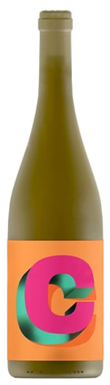
91
Due for release in September, this Pinot Meunier was supposed to be a blanc de noirs, but it ended up with an attractive, Provence-style coral tint. The grapes come from a vineyard in West Sussex, and are whole-bunch pressed and fermented in old Burgundy barrels; after malolactic fermentation the wine spent seven months on the lees, with frequent stirring. There's a gorgeous weight of tangy red fruit here – raspberry and redcurrant, with some fragrant florality. Lovely texture too. Shows just how great 100% Pinot Meunier can be – usually it plays a supporting role in sparkling wine. 80 cases produced.
2019
Blackbook Winery
Renegade, 'Araceli' Pinot Grigio Ramato, Skin Contact Pink, Pfalz, Germany, 2019
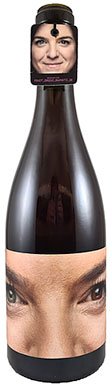
91
Sourced from Pfalz, this Pinot Grigio is light garnet in colour as it's been fermented on the skins for two weeks then aged in new French oak for a short period of time. It is bottled without filtration, hence the slight haziness. Candied strawberry and bruised apple on the nose, dusted by sweet spices. It has tomato leaves, hawthorn, ripe strawberry flavours on the palate, with a touch of tannin to add texture. The bruised apple and sweet berry notes follow to the finish. 'Ramato' in the wine name means copper in Italian, and Araceli, who is featured on the label, is a Data Scientist originally from Madrid.
2019
Renegade
Vagabond Urban Winery, Pinot Noir Rosé, Surrey, England, United Kingdom, 2018
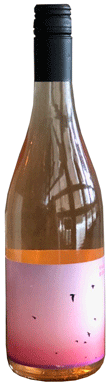
91
<p>'I wanted to make a serious, interesting rose that was classically English,' says Gavin Monery. To ensure it was complex 'and not just pink', he fermented 60% of the the must in neutral barrels, leaving it for six months on lees. The resulting texture and creaminess offsets the naturally piercing acidity, meaning he didn't need to add residual sugar, which often makes rosés confected. An inviting strawberry yoghurt aroma carries on to rhubarb, guava and fresh green notes on the palate. Bone dry, with brisk acidity and good length. From a 12-year-old single vineyard in Surrey on chalk. 4,000 bottles made.</p>
2018
Vagabond Urban WinerySurrey
Blackbook Winery, I'd Rather Be A Rebel Pinot Noir Rosé, England, United Kingdom, 2018
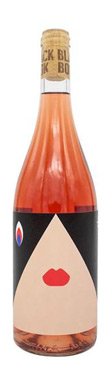
89
The label should give you a clue that this is an unconventional wine. Blackbook Winery is an urban winery that operates from under a railway arch in Battersea, London. The fruit for this strawberry-scented rosé came from a south-facing vineyard in Essex planted in 2006, and the wine was vinified following the philosophy of minimal intervention. After whole-bunch pressing, fermentation with indigenous yeast and malolactic, 75% of the wine was aged on its lees in old, seasoned Burgundy barrels, the remainder in stainless steel, for six months. There's lots of strawberry fruit here, but also a touch of herbiness, almost earthiness. If you like rosé and want to try something different, this is definitely one to pick!
2018
Blackbook Winery
Blackbook Winery, Nightjar Pinot Noir, Essex, England, United Kingdom, 2018
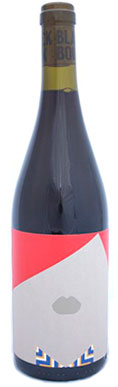
92
Blackbook is an urban winery located in a Victorian railway arch in London, making wines with grapes sourced from Clayhill Vineyard in Essex. This Pinot Noir is fermented naturally in small open top fermenters including 40% whole bunch, then aged in 10% new Burgundy barrels for seven months without sulphur. An explosive nose of smokey vanilla, dried rose, prunes and crème de cassis. Lightly effervescent on the palate, with juicy, ripe blackberries, black pepper, liquorice and black tea flavours, supported by decent acids and earthy tannins, followed by a lingering cassis finish.
2018
Blackbook WineryEssex
London Cru, Pimlico Road Pinot Noir Précoce, England, United Kingdom, 2019
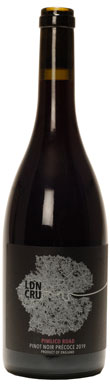
91
Précoce is an early-ripening type of Pinot Noir, well-suited to the British climate. Made at London Cru urban winery, using grapes grown in West Sussex, this dangerously drinkable light-bodied red can be served chilled. Attractive red and black berry aromas leap out of the glass, followed by a juicy palate with raspberry, cherry and blueberry fruit, plus soft tannins and a fresh cranberry crunch. Well judged oak (seven months in old Burgundy barrels) provides structure and adds spice to the lingering, fruity finish.
2019
London Cru
Vagabond Urban Winery, Pinot Noir, England, United Kingdom, 2019
91
<p>'This wine shows that England can make some glorious Pinots – and not just for sparkling,' says winemaker Gavin Monery. Made in a Beaujolais style (destemmed whole berries in an open-top fermenter), from an established vineyard on the east Sussex/Surrey border, it is a true vin de soif – a perfect quaffer for late summer, served slightly chilled to enhance its vibrant freshness and zippy acidity. Eight months on lees has given nice creamy weight to broaden out the crunchy red cherry, sappy strawberry and floral-edged flavours. After bottling in August 2020 it will go on sale in September. Just 2,000 bottles will be made so get in quick. Expected price: £21.</p>
2019
Vagabond Urban Winery
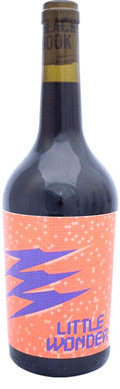
Blackbook Winery, Little Wonder Cabernet Noir, England, United Kingdom, 2018
90
Winemaker Sergio Verrillo believes that this Swiss hybrid grape (a cross between Cabernet Sauvignon and an undisclosed, disease-resistant variety) could be the way forward for English producers seeking to make fuller bodied reds. These grapes come from a Kent vineyard, and are fermented naturally in open-top fermenters, with 25% whole bunch included, then aged for eight months in old Burgundy barrels, and a further two months in steel. Bottled unfined and unfiltered. Reminiscent of Loire Cabernet Franc, this has bright redcurrant and cherry fruit, and peppery liveliness. Forest floor and pyrazine character – there's a green pepper crunch. This won't be for everyone, but if you like that style, you'll love it. Enjoy slightly chilled.
2018
Blackbook Winery
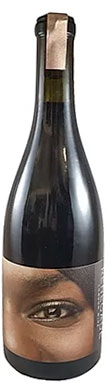
Renegade, 'Ebony' Tempranillo, Rioja, Alta, Rioja, Spain, 2018
88
Black pepper and meaty notes on top of fresh black cherry and strawberry perfume, the palate is round and juicy with a decent tannin structure. Black pepper and ripe berry fruits are supported by a good level of acidity. The 14% alcohol is slightly warming, combined with a spiced berry finish. The Tempranillo used in the wine was sourced from only 20cm-high bush vines in Rioja Alta, but it's been aged in French, rather than American oak. The owner has chosen Ebony, a lady based in Baker Street (but now back to Spain) to appear on the label.
2018
RenegadeRioja
