How does Italy age? John Stimpfig’s top wines


At the recent Decanter Italy Fine Wine Encounter, a select few were treated to the Decanter Masterclass "Rare vintages from Italy’s leading producers" hosted by John Stimpfig.
John was joined on stage by stand out names from the Italian wine scene. Each producer showcased wines that represented a different style, grape and region, but most importantly had bottle age.
The speakers, in presenting order, were:
- Villa Sandi, Vigna La Rivetta, Cartizze, Prosecco 2015
- Planeta, Cerasuolo di Vittoria 2007 and Planeta, Santa Cecilia 2005
- Frescobaldi, Giramonte 2002 and Frescobaldi, Castelgiocondo, Brunello di Montalcino 2006
- Feudi di San Gregorio, Serpico 1999 and Feudi di San Gregorio, Piano di Montevergine 2004
- Fontanafredda, Barolo Riserva 1999 and Fontanafredda, Vigna La Rosa, Barolo 2001
- Arnaldo Caprai, 25 Anni, Sagrantino di Montefalco 2001 and Arnaldo Caprai, Montefalco Rosso Riserva 1998
- Allegrini, Amarone della Valpolicella Classico 2001 and Allegrini, La Poja 2004
These wineries have joined together to form Italian Signature Wines Academy to help promote their wines around the world, but are equally keen to encourage wine lovers visit, stay, eat and taste at their respective properties.
The wines tasted were certainly a rarity, with many surprises and real treats. The tasting unanimously proved the age worthiness not just of Barolo and Brunello, but of less famed regions of Italy. Below are some of John Stimpfig’s top picks along with tasting notes.
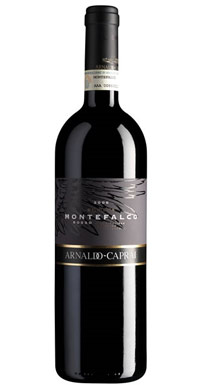
Arnaldo Caprai, Montefalco Rosso Riserva, Montefalco Sagrantino, Umbria, Italy, 1998
92
A blend of Sangiovese (70%) with equal parts of Merlot and Sagrantino, this stunning 1998 is still going very strong indeed. A stand out wine from the tasting, this is drinking beautifully now and according to Marco Caprai will easily reward another five years cellaring. Nearly two decades on, lush, primary red and black fruits dominate on the palate, while hints of undergrowth and bottle age are only just beginning to emerge. The tannins are poised, ripe and well structured, but have clearly softened and polymerised. Lovely acidity and a terrific finish make for a very complete and complex wine.
1998
Arnaldo CapraiMontefalco Sagrantino
Vigna La Rosa, Fontanafredda, Barolo, Serralunga d’Alba, Piedmont, Italy, 2001
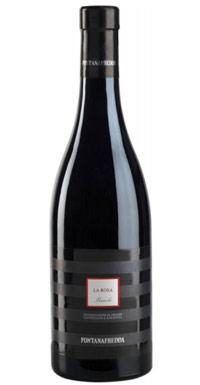

This single vineyard Barolo, not only hails from the great 2001 vintage with its warm days and cool nights, but also an exceptional terroir in...
2001
Vigna La RosaBarolo

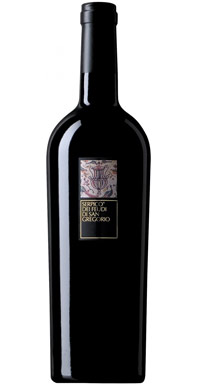
Feudi di San Gregorio, Serpico, Irpinia Aglianico, Campania, Italy, 1999
94
An utterly unique wine from four hectares of ungrafted pre-phylloxera vines which are trellised on traditional pergola systems, this was another astonishing wine displaying sagacity, complexity and an age-defying youthfulness. Aglianico often has a reputation for rusticity, but these ripe and molten tannins from prime volcanic soils were exquisitely full, polished and refined. The fruit still retained stunning sour cherry intensity, with a touch of balsam, coffee and cocoa on the powerful finish. Serpico is not made every year by Feudi di San Gregorio, but when it is, it shines a beacon of elegance and complexity. Utterly compelling wine.
1999
Feudi di San GregorioIrpinia Aglianico
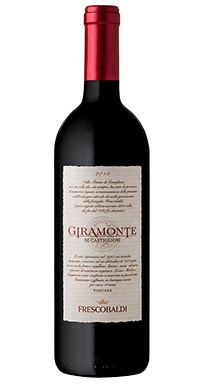
Frescobaldi, Giramonte, Tuscany, Italy, 2002
92
For many producers, 2002 was a difficult vintage in Tuscany especially for the late-ripening Sangiovese. However, for those who picked before the rains, it has produced exceptional and surprising results, which was the case for the 15% Sangiovese in this sumptuous red blend. And there were no problems for Merlot in 2002, which made up the rest of the wine - especially when it was planted on its preferred clay soils. The Merlot from the Giramonte estate vineyard 100km south of Siena attained terrific, depth ripeness and structure giving this wine a rich blackberry and plum fruit profile with sweet tobacco, coffee and cinnamon. No wonder Lamberto Frescobaldi picked it as a personal favourite. Sublime now, but will continue to improve and age for another six or seven years at least.
2002
Frescobaldi
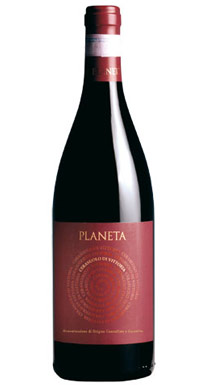
Planeta, Cerasuolo di Vittoria, Sicily, Italy, 2007
90
The name of Sicily’s only DOCG comes from the word ‘cerasa’ in the Sicilian dialect, meaning cherry. By law, the wine must be a blend of two of the island’s indigenous grape varieties – Nero d’Avola and Frappato. Here the ratio is 60:40 with Nero d’Avola giving structure and darker fruits, while the 40% Frappato provides intense red fruit aromas, flavours and freshness. Once picked, the grapes receive eight days maceration and are vinified in stainless steel to lock in the natural acidity. Even after nearly a decade in bottle, this has a stunning nose of strawberries and red cherries. The palate is distinctively fresh and juicy with sour cherries and wild strawberries. It has lovely sweetness a hint of savouriness with light and easy tannins.
2007
PlanetaCerasuolo di Vittoria
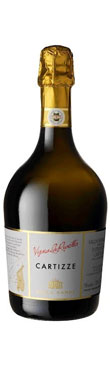
Cartizze, Vigna La Rivetta, Villa Sandi, Prosecco, Veneto, Italy, 2015
92
The Cartizze microzone in the heart of the famous Valdobbiadane region provides the most sought after Glera vines in the DOCG. Tasting this wine, you can understand why. The grapes which come from Villa Sandi’s La Rivetta Estate are pressed and then the must is cooled to zero degrees centigrade and then slowly heated to encourage a slow fermentation until the right balance of atmospheric pressure, sweetness and acidity is achieved. 2015 was a glorious vintage in the hills of Valdobbiadane with ideal conditions for generating intense aromas and acidity. This has extraordinary perfume on the nose, with white lilac blossom and acacia. The palate and mousse are deft, light and delicate and the off-dry sweetness is exquisitely counter-balanced by the burst of natural acidity. At the same this rare Italian Prosecco is not remotely lacking in length or persistency. What also stands out is the purity of the floral fruit with a touch of chamomile and almond. A veritable treat for any occasion.
2015
CartizzeProsecco
Allegrini, Amarone della Valpolicella, Classico, Veneto, Italy, 2001
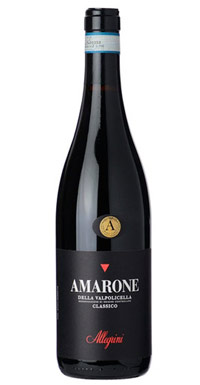
An utterly brilliant and benchmark Amarone from one of the Veneto’s greatest and most lauded families. This was a fabulous way to finish a truly...
2001
AllegriniAmarone della Valpolicella
