Uco Valley wines: 12 essential ones to try
Uco Valley is a name that both fine wine lovers and budget-conscious shoppers need to know. Alejandro Iglesias offers a guide to the region, its grapes and wine styles – and recommends a dozen bottles to try


Of the many different wine regions in Argentina, one stands out for its intensity and breadth of styles – an area where you’re just as likely to find a juicy, characterful Malbec as you are a subtly textured Pinot Noir, where vineyards climb up the slopes of glacier-capped mountains: the Uco Valley.
Connoisseurs will already be familiar with the name but it’s also one that shoppers ought to look out for in the supermarket aisles; a safe bet liable to amply exceed expectations. Among the most exciting wine regions in the world, the valley has redefined the international reputation of Argentinian fine wines. And the producers know it.
‘The Uco Valley is one of those regions that offers infinite variations of soil and climate types, allowing us to make very different kinds of wine, from intense, fleshy Malbecs to skinny, taut Pinot Noirs to vibrant Sauvignon Blancs,’ says Jorge Cabeza, senior winemaker at Salentein, one of the wineries that pioneered production from the valley. ‘The conditions here can’t be found anywhere else in the world.’
This isn’t an exaggeration. Run through the different wine producing valleys you’re familiar with in your mind. Which of them boasts 4,800m high mountains planted with carefully maintained vineyards? Where else does the sun shine so clearly through such crisp, hallucinatory skies?
A guide to the Uco Valley
Located 88km to the south of the City of Mendoza, in the foothills of the Andes, the Uco Valley spans the departments of Tunuyán, Tupungato and San Carlos. This explains why wines from there are often labelled with one of these three place names.
Whereas in 2005 the valley had 16,800ha under vine, today it contains 28,600ha, representing 19% of all the vineyards in Mendoza. To put it another way: almost one in five bottles produced in Mendoza, comes from the valley.
Because the region is so large, in recent years producers have been carrying out detailed analysis to identify smaller Geographic Indications (GIs). Paraje Altamira, Los Chacayes and San Pablo are some of the most famous, together with Gualtallary (for which approval is still pending), and all contain vineyards set at altitudes of between 900m and 1,500m. Irrigation water comes from the magnificent glaciers above, mainly channelled by the Tunuyán and Las Tunas rivers.
If it takes a unique region to make a unique wine, then the Uco Valley is certainly a place to go looking for them. Focused on growing high quality grapes, mainly red varieties, of which Malbec and Cabernet Franc are especially prominent, producers from the valley are also making excellent whites from Chardonnay, Sauvignon Blanc and Semillon vines.
The climate is continental: dry with plenty of sun, low rainfall, cold winters and warm summers with a large thermal range. The point of difference is the altitude, which defines the temperature (on average, it drops 1༠C every 150m higher up you go) and the cool climate has lured many producers away from warmer areas further down. All these different factors result in expressive, tense reds and vibrant whites.
The proximity and exposure to the Andes make for alluvial, rocky soils with widely varying mixtures of sand, limestone and clay in unique combinations that produce memorable wines.
Many wineries have thus commissioned in-depth studies to explore the nature and origins of the soils in which their vineyards are planted and are increasingly coming around to the idea that the Uco Valley requires a plant by plant approach. ‘The Uco Valley showed us the way in terms of familiarising ourselves with and interpreting the terroir,’ says Sebastián Zuccardi, a winemaker who grows grapes in several different locations in the valley for his wines.
Proof of the efficacy of all that study, not to mention the winemakers’ enthusiasm for the area, these 12 essential wines from the Uco Valley that I have selected will offer wine lovers a clearer picture of the potential that underlies every bottle produced there.
Twelve Uco Valley wines to try
See also:
Uco Valley sub-regions: Panel tasting results
Travel guide: Uco Valley
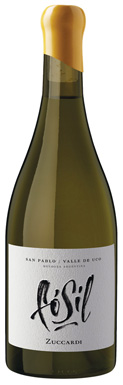
Zuccardi, Fósil, San Pablo, Tunuyán, Mendoza, Argentina, 2019
95
The cold climates of the Uco Valley have redefined Mendozan Chardonnay and Fósil is a good example of why. Created by Sebastián Zuccardi with grapes from the San Pablo GI (1,400m) it is mostly aged in concrete (30% in used barrels) and is a vivid colour in the glass, with aromas of green apple, citrus and white flowers. In the mouth it presents exhilaratingly vivacious acidity – perfect for accompanying oysters or grilled fish.
2019
Zuccardi
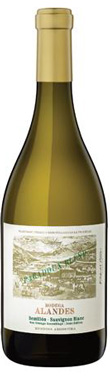
Alandes, Paradoux Semillon-Sauvignon Blanc NV, Uco Valley, Mendoza, Argentina
94
Inspired by Bordeaux blends, Karim Mussi combines Semillon from La Consulta with Sauvignon Blanc from Los Chacayes, which he then ferments in barrels and ages on lees for over a year, to create a fragrant, floral white with a nose of citrus and white fruit along with notes of honey and spice. In the mouth it flows well, with good balance, taut acidity and a full flavour. A white with excellent cellar potential.
Alandes
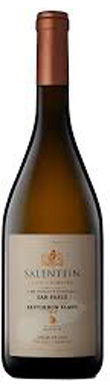
Bodegas Salentein, Single Vineyard Los Nogales Sauvignon Blanc, San Pablo, Tunuyán, Mendoza, Argentina, 2018
93
A 2.5ha vineyard at 1,500m above sea level in San Pablo provides the grapes for this revelatory Sauvignon Blanc in which the combination of the cold climate and rocky, limestone-rich soils results in fresh aromas of citrus fruit, herbs, minerals and spice. Aged for eight months on lees, it is both tense and refreshing, boasting a lengthy finish that goes excellently with grilled prawns and garlic butter.
2018
Bodegas Salentein
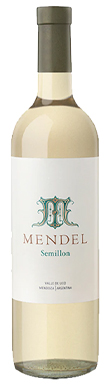
Mendel, Semillon, Uco Valley, Paraje Altamira, Mendoza, Argentina, 2019
92
The wine that helped put South American Semillon back on the map – and still an absolute steal. Roberto de la Mota’s waxy, lemony old-vine Semillon from Altamira has nuances of white blossom and guava that evolve beautifully over time.
2019
MendelUco Valley
Bodegas Caro, CARO, Uco Valley, Paraje Altamira, Mendoza, Argentina, 2017
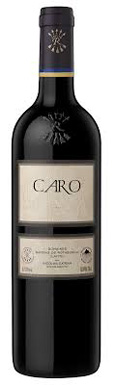
96
Now in its 16th vintage, this wine, which began in 2000 with a partnership between the Catena and Rothschild families, is a blend of 74% Malbec and 26% Cabernet Sauvignon from Paraje Altamira. It combines Bordelais refinement with the power of the rugged mountain landscape. Aromas of dark fruit and spice precede a velvety feel, rich texture and fine tannins. An eloquent assemblage for collectors.
2017
Bodegas CaroUco Valley
Bodega Piedra Negra, L’Esprit de Chacayes, Los Chacayes, Tunuyán, Mendoza, Argentina, 2019
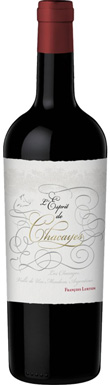
95
Los Chacayes GI is the home of fierce reds – and this blend of unaged Malbec and 30% Côt, with no added sulphites, is about as pure an expression as you’re likely to find. Fruity and balsamic with hints of earth and mountain herb, the flavours return in the mouth with good juiciness and tension as well as chalky tannins. Delicious with lamb ragu.
2019
Bodega Piedra Negra
Zorzal, El Barba Malbec, Gualtallary, Tupungato, Mendoza, Argentina, 2017
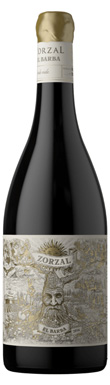
95
‘El Barba introduced us to a new Gualtallary,’ says Juan Pablo Michelini, referring to the iconic label from Zorzal Wines, a Malbec grown in dunes of sand and limestone. Dominated by aromas of fresh dark fruit, mineral notes and wet stone, in the mouth it is linear and energetic, with a light touch imparted by the two years spent in oak. An essential wine for the curious minded.
2017
Zorzal
Domaine Nico, Soeur et Freres La Savante Pinot Noir, Gualtallary, Tupungato, Mendoza, Argentina, 2018
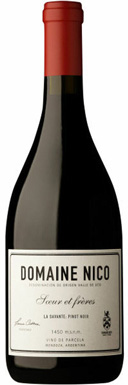
94
Laura Catena realised early on that the Uco Valley was an excellent place to grow Pinot Noir and thus began this exclusive project which makes use of grapes from a parcel 1,460m above sea level in Gualtallary. This vintage offers aromas of fresh berry, violets and minerals, while the palate is taut with a gentle texture and fine tannins. A New World Pinot Noir of surprising quality.
2018
Domaine Nico
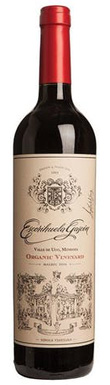
Escorihuela Gascón, Organic Vineyard Malbec, El Cepillo, San Carlos, Uco Valley, Argentina, 2018
94
Escorihuela Gascón's Organic Vineyard line is a self-consciously modern venture from a traditional winery with a fresh new style and philosophy. Made with grapes from a biodynamic vineyard in El Cepillo, its complex nose is both fruity and floral. Intense and fluid with a chalky texture, it offers rich freshness and a medium body. The evocative finish lingers at length.
2018
Escorihuela Gascón
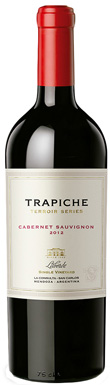
Trapiche, Terroir Series Finca Laborde Cabernet Sauvignon, La Consulta, San Carlos, Mendoza, Argentina, 2015
94
The La Consulta GI in the Uco Valley features several old vineyards such as the one from which this red was made. Planted in rocky soil in a dry river bed, the Cabernet achieves exquisite power and concentrated flavours, which include dark fruit and spices that come out on the palate. Free-flowing with full body and character, the finish is long and compelling.
2015
Trapiche
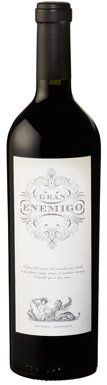
Bodega Aleanna, Gran Enemigo Single Vineyard Los Chacayes, Los Chacayes, Tunuyán, Mendoza, Argentina, 2016
93
Alejandro Vigil has made Cabernet Franc from four different vineyards in the Uco Valley and this one from the Los Chacayes GI has turned out to be the most wild and original of the quartet. A deep violet in colour, the floral nose offers a decent amount of red fruit, berries and spice from an ageing process that managed to tame the natural power of the terroir. Velvety in the mouth with juicy acidity and chalky tannins, this is a red for daring palates.
2016
Bodega Aleanna
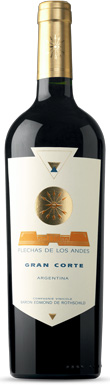
Flechas de los Andes, Gran Corte, Vista Flores, Tunuyán, Mendoza, Argentina, 2015
93
Several producers in the Uco Valley have established themselves as classic figures with a well-defined personality as seen in this Bordeaux-style blend from the Campo Los Andes region, which Pablo Richardi makes with Malbec, Cabernet Franc and Syrah. Serious and refined, it has a luxurious feel with rich freshness and solid tannins. A red that expresses the potential of the valley with every sip.
2015
Flechas de los Andes
