
Regional profile: Moulin-à-Vent celebrates its centenary
100 years after it was first recognised, the appellation of Moulin-à-Vent in Beaujolais is now seeking premier cru status for its finest sites. Andy Howard MW says it is long overdue.


On 17 April 1924, the area which later became the Appellation d’Origine (AO) Moulin-à-Vent, was delimited – one of the very first in France. Precisely 100 years later, the stars have aligned for this historic Beaujolais cru with the submission of an application to elevate 14 of the appellation’s best sites to premier cru status.
Scroll down to see notes and scores for 30 Moulin-à-Vent wines
Standing on one of the high ridges of Moulin-à-Vent and looking to the north, one can easily see the southerly part of the Mâconnais. Pouilly-Fuissé lies in a direct line no more than 10km away and, with that AOP gaining premier cru status from the 2020 vintage, it seems that Moulin-à-Vent – perhaps the leading appellation within Beaujolais – wants part of the same action. But is this a realistic or justifiable objective?
Moulin-à-Vent is certainly one of the finest of the Beaujolais crus, yet remains under the radar. At a press event in early April, journalists from around the world were able to taste 100 Moulin wines from the 2020 vintage.
It is no exaggeration to say virtually every wine would be enjoyed by consumers at all levels of interest and budget. These are wines to enjoy on release, with the best examples capable of graceful ageing for a minimum of 10 years – some for much longer.
Moulin-à-Vent is based around its iconic windmill, an imposing structure 5.5 metres tall dating back to 1550, which continued to operate as a mill until 1819.
The 1924 appellation centred around the villages of Romanèche and Thorins, itself evolving from a 19th century classification created to reduce the possibility of wine fraud – a common occurrence at the time.
In 1872, following the established Burgundian convention, the previously identified ‘First Class’ vineyard of Romanèche was linked with the village of Thorins, resulting in the name seen today – Romanèche-Thorins.
Moulin-à-Vent – Key facts
Area under vine: 640ha
Number of producers: 252
Number of lieux-dits: 71
Average altitude: 260m
Average age of vines: 55 years
Annual production: 1, 480,000 bottles
A natural home for Gamay
Even before 1924, Moulin-à-Vent’s wines commanded prices and a reputation higher than most of the grands crus in Burgundy. Yet today, the wines of Moulin-à-Vent – as with all Beaujolais crus – face an uphill struggle to be considered as even close to the quality seen in the vineyards of Bourgogne.
Fine-quality red wine from Beaujolais is a very different proposition to that found further north. Here it is the Gamay grape rather than Pinot Noir that rules. Soils are just as complex and varied as those found in the Côte d’Or, yet they are strikingly different, with eroded granite the major influence compared to the clay and limestone shaping the wines of Gevrey, Beaune and Vosne.
Granite bedrock dating back over 300 million years provides the substructure, with thin, sandy top soils reining in Gamay’s natural desire to over-crop. Predominantly pink in colour, erosion has produced sandy soils from weathered feldspars, black mica, quartz and other minerals.
Moulin-à-Vent has long been considered the king of Beaujolais, with a reputation as a wine with the potential to age many years, but it would be wrong to think of Moulin-à-Vent primarily as an appellation that requires extended ageing.
The wines now being produced by the top estates deliver a combination of freshness, approachability and vibrant dark berry and cherry fruit characters, all at very reasonable prices in the context of Burgundy and Bordeaux.
Oak is used sparingly with ageing accentuating the elegance and finesse of Gamay, resulting in wines that bear comparison with both Pinot Noir (and in some cases, Nebbiolo).
Bruno Pin, Président du Cru Moulin-à-Vent, emphasises that the push for greater recognition and premier cru status is ‘very much a collective effort’. Leading this initiative are some of the area’s top producers such as Château du Moulin-à-Vent (run by the dynamic Edouard Parinet) and Château des Jacques, part of the much larger Louis Jadot group.
Jadot’s investment in Moulin-à-Vent confirms its belief in the appellation, a view supported by the arrival of other renowned Burgundian names such as Louis Boillot, Albert Bichot and Thibault Liger-Belair.
Moulin-à-Vent is one of the larger Beaujolais crus, with 640ha under vine. In comparison, the vineyards of Fleurie total 840ha, Morgon 1,090ha, with Brouilly the largest at 1,200ha. At the other end of the scale, Chiroubles and St-Amour total 315ha each.
Chénas is the smallest (250ha) and lies just to the north of Moulin-à-Vent. Somewhat confusingly, the village of Chénas is situated within the Moulin-à-Vent appellation.
The push for premier cru
Old vines are prevalent, with a strong push from many producers to embrace organic methods. Although Moulin-à-Vent has a reputation as the most structured of the Beaujolais crus, the wines today are nearly always approachable when young, yet with the top cuvées capable of ageing at least five years.
Moulin-à-Vent has 71 lieux-dits, with significant differences in the depth of granitic sandy soils, pockets of gravel, and the presence of minerals such as magnesium and iron oxide. These combine with elevation, exposure to wind and sun, contributing to individual variations between vineyards.
The 14 lieux-dits submitted to the Institute for Origins and Quality (INAO) for elevation to premier cru include some well-known names. Le Moulin-à-Vent, Les Thorins, Les Verillats and La Rochelle are located adjacent to or above the windmill on granitic soils of varied depths, while La Roche lies 100m below the mill on shallow topsoil.
Rochegrès is the highest lieu-dit, with strong winds and diurnal range giving this site a distinct freshness. Leading producers include Château du Moulin-à-Vent, Château des Jacques, Domaine Labruyère, Domaine du Granit, Richard Rottiers and Maison Jean Loron.
It is likely that INAO approval of the sites proposed for elevation to premier cru status will take up to 10 years. This gives consumers a golden opportunity to explore Moulin-à-Vent’s many different terroirs before the rest of the world catches up.
Sharing many similar characters with Pinot Noir, one significant difference is that the vast majority offer exceptional value for money. The wines of Moulin-à-Vent are to be highly recommended.
Moulin-à-Vent: Producers to look out for
Château du Moulin-à-Vent
Although not a winemaking family with a long history, the Parinets (today with Edouard at the helm) are making waves in the appellation. Purchased from the Damoy family in 2009, the estate is a key force in raising the profile of the Moulin-a-Vent appellation.
Château du Moulin-à-Vent (located right by the famous windmill) was known as Château des Thorins until being renamed in 1936, when the appellation of Moulin-à-Vent was officially designated. Parinet (and winemaker Brice Laffond who joined the team in 2013) initially reorganised the vineyards and switched to organic practices. The estate expects to receive certification from 2024.
Parinet is a strong advocate for massale selection, identifying specific plots and vines for replanting in the right terroir. Château du Moulin-à-Vent produces a wide range of wines ranging from the estate blend to three single-vineyard wines (Les Vérillats, Champ de Cour and La Rochelle). The line-up is completed with several micro-cuvées – Aux Caves, Grands Savarins and Clos des Londres. All are of excellent quality and worth seeking out.

Château des Jacques
The recent history of the estate dates back to 1924 when entrepreneur and wine enthusiast Amédée Rousseau purchased the mansion in Romanèche-Thorins, together with 18th century vaulted cellars and 2ha of Moulin-à-Vent. Within four years, Rousseau had expanded holdings to 60ha and implemented the Burgundian technique of destemming – then non-existent on a large scale in Beaujolais. Rousseau is also credited with introducing the practice of domaine bottling.
In 1996, Maison Louis Jadot purchased the estate, it today comprising 69ha across three crus and five appellations. 35ha are within Moulin-à-Vent, with Château des Jacques’ holdings include the lieux-dits of Le Carquelin, La Roche, Champ de Cour and Thorins.
La Roche is situated below the windmill, Clos de Thorins faces full south on deeper granitic soil, Clos du Grand Carquelin lies on deeper granitic sand and clay soils, while Clos de Rochegrès lies at 361m on steep, free-draining soils.

Maison Joseph Burrier, Château de Beauregard
Joseph Burrier is a significant force in the Mâconnais and Beaujolais, with over 60ha in total and a history dating back 17 generations. In 1407, a Jehan Burrier was involved in the establishing of the border between Burgundy and Beaujolais. The Mâconnais branch of the family (Deshaires) purchased Château de Beauregard in 1854, with the Burrier and Deshaires joined by marriage in 1899.
Maison Joseph Burrier was established in 1977 by Jacques Burrier, and today his son Frédéric Marc runs the business. Burrier was influential in establishing the promotion of 22 Pouilly-Fuissé lieux-dits to premier cru status.
The overall business now comprises five domaines and châteaux, spanning 15 appellations. Domaine Joseph Burrier is located on the Poncié site in Fleurie, and was created in 2007; this domaine has been organically certified since 2021. Château de Beauregard is another string to Maison Burrier’s bow, with 1.8ha of Moulin-à-Vent Clos des Pérelles in Romanèche-Thorins and 0.6ha above the village of Chénas.

Domaine Labruyère
A renowned estate dating back to 1850 when Jean-Marc Labruyère settled in the hamlet of Les Thorins, acquiring 10ha of vineyards. The estate has passed through several generations with the further purchase of top sites, including the famous Clos du Moulin-à-Vent – now a monopole of the domaine and their ‘jewel in the crown’.
In 2008, Edouard Labruyère took control, bringing an even greater focus on the special terroirs of Le Clos, Le Carquelin and Champ de Cour. Nadine Gublin is the winemaker, with Michel Rovere responsible for the vineyard – a position he has held for 40 years.
Champ de Cour faces southeast, with pebbles over a dense, almost impenetrable layer of clay. Le Carquelin (1.75ha) has light, sandy clay soils that are high in acidity and low in organic matter. Le Clos is the only monopole in the region; just under 1ha, located under the windmill; it’s a wine which has the potential to age extremely well.

Maison Jean Loron
A significant producer with interests in both the Mâconnais and Beaujolais. Wine-growing dates back to 1711, originally in the village of Chénas, where Jean Loron decided to focus on viticulture and who pioneered the identification of special lieux-dits and climats.
The business evolved over the next few centuries and was linked with the Parisian wine merchant Nicolas in the 1900s, before partnering with Maison Louis Jadot in 1945. Xavier Barbet ran the estate from 1978 to 2016, before passing control over to Philippe Bardet.
Maison Jean Loron owns many estates such as Château Bellevue in Morgon, Domaine de la Vieille Eglise in Juliénas and Domaine Jean Loron (Fleurie and Moulin-à-Vent). Loron produces a couple of wines from Champ de Cour, together with the rich, structured and ageworthy La Roche.

Domaine des Pierres Roses
Domaine des Pierres Roses is the Beaujolais arm of the charismatic Thibault Liger-Belair. Liger-Belair has always been a lover of both the wines from, and the region of, Beaujolais, setting out in 2009 to recreate what he had achieved in the Côte d’Or. Like many others, his objective was to isolate individual terroirs and seek to express their own individual characters.
Liger-Belair compares the variation within small areas to that seen in Burgundy and has worked to focus on each site’s terroir, rather than just creating a more generic Moulin-à-Vent. The first plots were purchased in 2008 with the first wine made under his control being 2009. All plots were converted to organic and biodynamic farming from the start.
In addition to a premium Beaujolais-Villages and Moulin-à-Vent, the domaine bottles Les Rouchaux (2ha), Champ de Cour (1.65ha), Les Perrelles (0.96ha), La Roche (2.25ha) and a top-end, limited edition magnum titled ‘Les Vignes Centenaires’.

Domaine de Rochegrès
Leading Burgundy producer Albert Bichot purchased the 5.2ha site of Domaine de Rochegrès in 2014. Two wines are produced – Le Roc, which is a blend from younger vines planted on around 3ha in La Rochelle, Aux Monts and Rochegrès, together with its other cuvée, ‘Rochegrès’, which comes from a 2.2ha plot of vines aged between 80-100 years on lean, granitic soils in the heart of the lieu-dit.
Technical director Matthieu Mangenot feels that the wines are now starting to show their best, with Rochegrès a particularly fine example of the appellation. Semi-carbonic maceration is used at the start of the fermentation, with maturation in 350-litre barrels (50% of the blend with 20% new oak) and the rest of the blend aged in stainless steel.

Domaine du Granit
The family started working in Moulin-à-Vent in 1918 and today the fourth generation (Franck Bessone) is in charge of the estate, with vineyards in Fleurie (0.65ha), St-Amour (0.3ha) and Chénas (0.85ha) in addition to 9.5ha of Moulin-à-Vent.
Bessone is committed to stimulating the vines with ploughing and cover crops, together with restricting yields (averaging between 25-40hl/ha). Recognising that Gamay has a tendency to over-crop, Bessone notes controlling this is a key way to ensure high quality.
Domaine du Granit’s vineyards are primarily southeast to east-facing and lie up to 280m on granitic soil combined with quartzite pebbles.

Domaine Richard Rottiers
Richard Rottiers is the son of Lyne Marchive, founder of Domaine des Malandes in Chablis. He works both in Chablis and Beaujolais, where he runs his own winery – Domaine Richard Rottiers. The estate was set up in 2007, initially with 3ha under vine (aged between 40-80 years) and now totalling 5ha.
Rottiers started working towards organic farming in 2012, with a key focus being on restricting yields, encouraging the vine roots to dig further into the soil and natural treatments for maladies.
Vinification is parcel by parcel with semi-carbonic maceration at the start of fermentation, with soft extraction utilising remontage and délestages. Ageing is in foudres and oak barrels for up to 12 months depending on the cuvée.

Domaine de la Sionnère
The recent history of the domaine started in 1996 when Thomas Patenôtre acquired 6ha of vines, renaming the estate Domaine de la Sionnère. Since then, Thomas and his wife Estelle have expanded the estate, which now also comprises plantings in Fleurie and Chénas. They also produce a very refined white Beaujolais-Villages.
In addition to their fine Moulin-à-Vent, the Patenôtres produce an intriguing and fine wine aged for 18 months in amphora. Coming from the Champ de Cour, with grapes selected from 100-year-old vines, production is limited to 700 bottles.

See notes and scores for 30 Moulin-à-Vent wines
Related articles
- Brits abandon Merlot in favour of Beaujolais
- Discovering white Beaujolais: 10 wines to try
- Beaujolais: assessing its premier cru potential
Château du Moulin-à-Vent, Champ de Cour, Beaujolais, Moulin-à-Vent, Burgundy, France, 2020
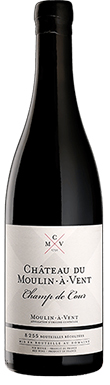

The estate dates back to 1732. Produced from vines averaging over 50 years, Champ de Cour is a 3.28ha lieu-dit, at an altitude of 200m...
2020
Château du Moulin-à-VentBeaujolais

Maison Jean Loron, La Roche, Beaujolais, Moulin-à-Vent, Burgundy, France, 2020
Maison Jean Loron have just 0.5ha in La Roche, on poor soils over pink granite. Fermentation using immersed cap over an extended period of 25-30...
2020
Maison Jean LoronBeaujolais
Louis Jadot, Château des Jacques, Clos des Thorins, Beaujolais, Moulin-à-Vent, Burgundy, France, 2020
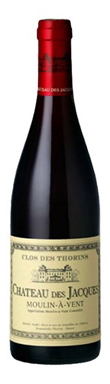
Facing south, the 60-year-old vines at Clos des Thorins are located on deep granitic soils. 12 months maturation in oak post-fermentation. A fine Moulin-à-Vent with...
2020
Louis JadotBeaujolais
Domaine Des Nugues, Les Burdelines, Beaujolais, Moulin-à-Vent, Burgundy, France, 2020
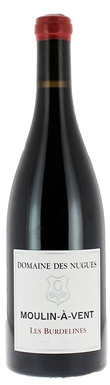
A single vineyard with 60-year-old vines, planted with 11,000 vines per hectare. 50% whole-bunch with semi-carbonic fermentation. 22 months extended maturation in demi-muids, 3,500 bottles...
2020
Domaine Des NuguesBeaujolais
Domaine Labruyère, Champ de Cour, Beaujolais, Moulin-à-Vent, Burgundy, France, 2020
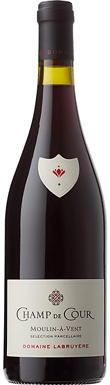
Labruyere's Champ de Cour is distinguished by pebbles under a thick layer of dense clay, over granitic rock. 33% whole-bunch, fermented in a single concrete...
2020
Domaine LabruyèreBeaujolais
Domaine du Granit, La Rochelle, Beaujolais, Moulin-à-Vent, Burgundy, France, 2020
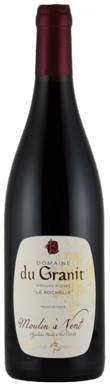
Older vines (70 years) on granite soils with outcrops of quartz. Orientated to the south-east, with 100% de-stemmed grapes. Post-fermentation, aged in barrels for 18...
2020
Domaine du GranitBeaujolais
Domaine de la Sionnière, Cuvée en Amphore, Beaujolais, Moulin-à-Vent, Burgundy, France, 2020
The domaine was created in 1996 by Thomas Patenôtre, with 6ha now extended to 12ha. From vines situated in Champ de Cour, averaging 100 years-old...
2020
Domaine de la SionnièreBeaujolais
Domaine Labruyère, La Carquelin, Beaujolais, Moulin-à-Vent, Burgundy, France, 2020
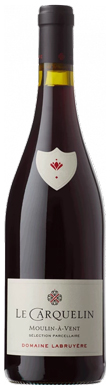
Domaine Labruyere is one of the oldest estates in Moulin-à-Vent, dating back to 1850. La Carquelin is a 1,75ha site with light sandy/clay, acidic soils....
2020
Domaine LabruyèreBeaujolais
Albert Bichot, Domaine de Rochegrès, Beaujolais, Moulin-à-Vent, Burgundy, France, 2020
Domaine de Rochegres is a relatively recent purchase by leading Bourgogne wine producer Maison Albert Bichot. Totalling 5.2ha, the Rochegrès cuvée comes from older-vines (80-100...
2020
Albert BichotBeaujolais
Domaine Louis Boillot, Les Brussellions, Beaujolais, Moulin-à-Vent, Burgundy, France, 2020
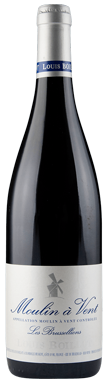
Clement, the son of Louis Boillot, is currently running the domaine. A famous name in the Côte d'Or, Boillot are also making excellent wines in...
2020
Domaine Louis BoillotBeaujolais
Domaine du Granit, Les Caves, Beaujolais, Moulin-à-Vent, Burgundy, France, 2020
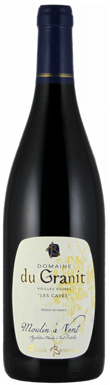
Located in the north of Moulin-à-Vent, beyond the village of Chenas, Franck Bessone is the fourth generation of the family. Yields of 40hl/ha with 65-year-old...
2020
Domaine du GranitBeaujolais
Domaine Richard Rottiers, Dernier Souffle, Beaujolais, Moulin-à-Vent, Burgundy, France, 2020
The lieu-dit Dernier Souffle is located next to the cemetery of Romaneche-Thorins. Vines average 60 years, matured for eight months in french oak barrels. Precise,...
2020
Domaine Richard RottiersBeaujolais
Domaine des Fontaines, Clos des Michelons, Beaujolais, Moulin-à-Vent, Burgundy, France, 2020
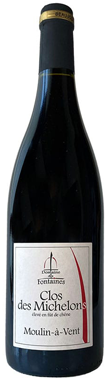
The domaine has been based in Chenas since 1824 with Nicolas Loron the latest generation, in charge since 2008. Produced from two plots (La Rochelle...
2020
Domaine des FontainesBeaujolais
Château du Moulin-à-Vent, La Rochelle, Beaujolais, Moulin-à-Vent, Burgundy, France, 2020
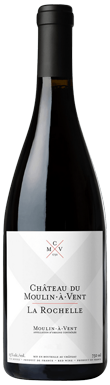
The 4.2ha site of La Rochelle abuts Verillats at 280m. Facing south, the vines (average 80 years-old) are on granitic soils rich in silica and...
2020
Château du Moulin-à-VentBeaujolais
Domaine de Colette, Cuvée Julienne, Beaujolais, Moulin-à-Vent, Burgundy, France, 2020
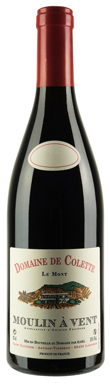
A cuvée taken from a particularly specific, old plot within Le Mont. Facing south/south-east, 80-year-old vines on manganese-rich granite, fermented with 20% whole-bunch before 18...
2020
Domaine de ColetteBeaujolais
Domaine Richard Rottiers, Les Thorins, Beaujolais, Moulin-à-Vent, Burgundy, France, 2020
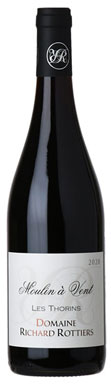
Richard Rottiers is the son of Lyne Marchive from Domaine des Malandes in Chablis. He took over 5ha in Moulin-a-Vent in 2007. From 60-year-old vines...
2020
Domaine Richard RottiersBeaujolais
Louis Jadot, Château des Jacques, Clos du Grand Carquelin, Beaujolais, Moulin-à-Vent, Burgundy, France, 2020
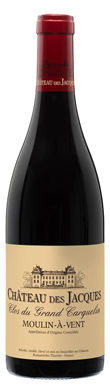
Château des Jacques is the largest producer in Moulin-à-Vent with over 35ha in total. Clos de Carquelin is a 4.9ha lieu-dit, located close to the...
2020
Louis JadotBeaujolais
Domaine Zephyr, Champ de Cour, Beaujolais, Moulin-à-Vent, Burgundy, France, 2020
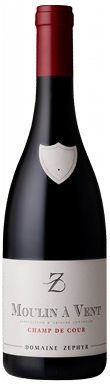
Originally owned by Henri Mommessin (an influential Burgundian producer), now run by grand-daughters Dorothée Derats and Julie Mommessin, with assistance from Sylvain Pitiot (former manager...
2020
Domaine ZephyrBeaujolais
Maison Jean Loron, Champ de Cour, Beaujolais, Moulin-à-Vent, Burgundy, France, 2020
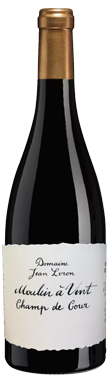
Dating back 300 years in Chenas, Xavier Barbet (eighth family generation) and Philippe Bardet are now in charge. Maison Jean Loron have extensive holdings in...
2020
Maison Jean LoronBeaujolais
Maison Piron, Beaujolais, Moulin-à-Vent, Burgundy, France, 2020
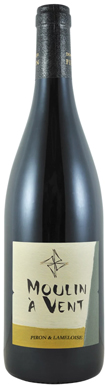
More renowned as a Morgon producer, Piron also make this delightful Moulin-à-Vent. Although 'just' a straight Moulin, this has many of the layers and complexities...
2020
Maison PironBeaujolais
Louis Jadot, Château des Jacques, La Roche, Beaujolais, Moulin-à-Vent, Burgundy, France, 2020
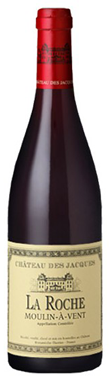
La Roche is situated right under the windmill of Moulin-à-Vent. An elegant wine - certainly not a blockbuster but beautifully put together. Mineral notes are...
2020
Louis JadotBeaujolais
Château Bonnet, Vin de Garde, Beaujolais, Moulin-à-Vent, Burgundy, France, 2020
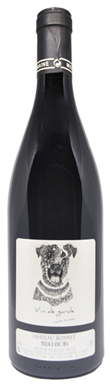
A more serious, ageworthy cuvée, from the Les Rouchaux lieu-dit and vines over 50 years-old. 30% whole bunch. Post-fermentation 14 months ageing in 500l oak...
2020
Château BonnetBeaujolais
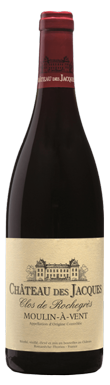
Louis Jadot, Château des Jacques, Clos de Rochegrès, Beaujolais, Moulin-à-Vent, Burgundy, France, 2020
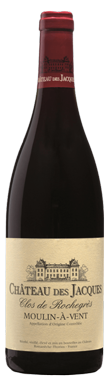
Château des Jacques is the Beaujolais outpost of Maison Louis Jadot. From lieu-dit Rochegrès, the vines average over 70 years. Traditional fermentation in concrete with...
2020
Louis JadotBeaujolais
Cave du Château de Chénas, Exception Moulin-à-Vent, Les Pérelles, Beaujolais, Moulin-à-Vent, Burgundy, France, 2020
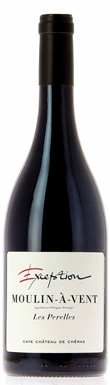
The Cave produces wines from across all of the Crus Beaujolais. Originally created in 1821, today the company has 80 members with over 200ha of...
2020
Cave du Château de ChénasBeaujolais
Château du Moulin-à-Vent, Les Verillats, Beaujolais, Moulin-à-Vent, Burgundy, France, 2020
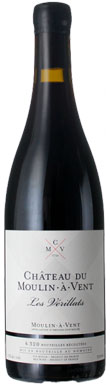
Les Verillats is a lieu-dit of 4.4ha, at the higher altitude of 300m but in a windy area on sandy, shallow soils. Average vine age...
2020
Château du Moulin-à-VentBeaujolais
Château de Chênepierre, Vigne de 1913, Beaujolais, Moulin-à-Vent, Burgundy, France, 2020
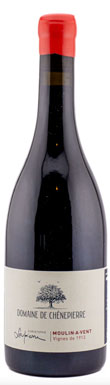
Christophe Lapierre farms 10.7ha in Chénas and Moulin-à-Vent. This heralds from the Terre de Thé lieu-dit, from vines planted over 100 years ago. Vinified with...
2020
Château de ChênepierreBeaujolais
Domaine de Colette, Au Mont, Beaujolais, Moulin-à-Vent, Burgundy, France, 2020
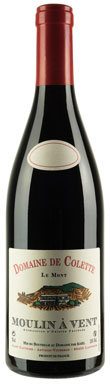
The domaine is based in Lantignié - within Regnié. Jacky Gauthier took over the domaine from his father René, and now it is managed by...
2020
Domaine de ColetteBeaujolais
Domaine de Colonat, Les Grenèriers, Beaujolais, Moulin-à-Vent, Burgundy, France, 2020
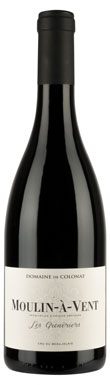
Since 1828, there have been seven generations running the estate, with the latest incumbent Thomas Collonge. Now totalling 12ha, Les Grenèriers lies at 250m at...
2020
Domaine de ColonatBeaujolais
Domaine Des Nugues, Beaujolais, Moulin-à-Vent, Burgundy, France, 2020
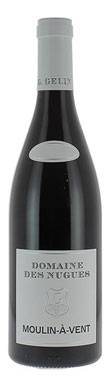
Gilles Gelin took over at this family estate in 2010 with wife Magali. Totalling 23.5ha, they have 2.5ha in Moulin-à-Vent. The 70-year-old vines are planted...
2020
Domaine Des NuguesBeaujolais
Château Bonnet, Le Petit Brennay, Beaujolais, Moulin-à-Vent, Burgundy, France, 2020
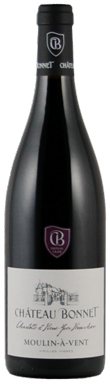
The estate traces back its roots over 200 years and this remains very much a family estate. This is from the lieu-dit Le Petit Brennay,...
2020
Château BonnetBeaujolais
