Vinos de Autora: For a more inclusive language of wine
At this year’s edition of Barcelona Wine Week a group of female winemakers presented their wines and engaged in vibrant discussion on matters well beyond inclusivity and representation.


Ahead of – and beyond – the celebration of International Women’s Day on 8 March, this year’s edition of Barcelona Wine Week (BWW) held a special tasting and panel discussion on ‘Vinos de Autora’, featuring a stellar line up of wines produced under the technical direction of female winemakers. It showcased female talent in the best possible way: without a ‘gendered’ perspective but rather, and simply, by showcasing their work and experience.
Knowledge and talent – beyond gender
Moderated by the Catalan sommelier and journalist Meritxell Falgueras (also fifth generation at the helm of Celler de Gelida) the panel included Laura Tragant (head winemaker at Codorníu, Sant Sadurní d’Anoia), Martina Prieto Pariente (winemaker and second generation, Bodegas Prieto Pariente, Rueda), Amor López (winemaker and founder, Bodega Erupción, Lanzarote), Mireia Pujol-Busquets (winemaker and second generation, Alta Alella, Alella), Mayte Calvo de la Banda (technical director, Bodegas Bilbaínas, Rioja), Anne Cannan (winemaker and second generation, Clos Figueras, Priorat), María Barbadillo (winemaker, Bodegas Barbadillo, Jerez) and Clara Verheij (winemaker and founder, Bodegas Bentomiz, Málaga). All the presenters are members of Mujeres del Vino, a collective, spearheaded by Cannan, that advocates for the visibility of women working across the different sectors of the wine sector, from the vineyards to the restaurant table.
The group brought to the table a wealth of winemaking talent as well as entrepreneurial acumen and experience navigating complex sets of challenges – not least by virtue of having built successful careers in a once male-dominated industry and, in some cases, carved their own personal identity from established family legacies.

Diversity and resilience
One couldn’t help but wonder whether there isn’t some correlation between greater inclusivity – of gender, background, nationality and philosophy – and the outstanding evolution that Spanish wine has experienced in the last 30 years, both on the quality and creative front. And, as the panel highlighted, a more diverse language and vocabulary of wine ultimately lead to more inclusivity among consumers as well.
The heterogeneity of the panel – with winemakers from very different personal and professional trajectories – offered a glimpse of the vibrancy of the Spanish wine scene, enriched as much by the continuity and stability of longstanding family-owned businesses (Barbadillo, Prieto Pariente), modern pioneering projects capable of mobilising their respective DOs (Alta Alella, Erupción) and ventures lead by passionate foreigners, bringing with them a different vision and maverick determination (Clos Figueras, Bentomiz).
Indeed the session focused not just on matters of gender equality and representation but also, and perhaps more topically, on the issues affecting the Spanish (and world) wine industry broadly. It was a vibrant discussion that presciently touched on economical and political setbacks, climate change and social sustainability – the latter deeply co-dependent on greater inclusivity and equality among the work force.
Eight wines, many more questions
The eight wines tasted served as an easy, logical thread – natural prompts to each of the topics raised, starting with Barbadillo’s ÁS de Mirabrás Sumatorio, which contextualised the need to preserve – while reinventing – traditional styles by reinterpreting the classics and asserting a personal (and generational) identity.
Both Erupción’s Milagro de Magmasia and José Pariente’s Finca Las Comas made the case for the preservation of ancient soils and old vines (one of the key focusses of BWW this year) of which Spain has a particularly significant stock. Maintaining them comes at great cost and requires significant resources, but the importance of such investment cannot be understated, especially in light of climate change. Following several vintages of heatwaves and drought, the resilience of old vines became apparent; able to deliver yields – albeit low – of great quality fruit was a lifeline for many producers and also an eye opening case study of sorts.
The need to preserve genetic diversity and allow plants to reach a level of self-sufficiency highlighted the relevance of old vines as a sustainability asset that ultimately also produces some of Spain’s best wines.

These same topics would again resurface while tasting Clos Figueras’ Font de la Figuera and Bodegas Bilbaína’s Viña Zaco. The latter further triggered an exchange about the ongoing – and sometimes heated – debates on the move, from key denominations of origin (notably Rioja, Bierzo and Priorat), to place greater emphasis on terroir as part of their classification framework.
As a bridge between the white and red wines, Codorníu’s moreish premium traditional method sparkling Ars Colecta Tros Nous catalysed an interesting discussion on style, quality and meeting – or defying – consumer expectations. Tragant asserted the need to be fearless about the quality and value (and price!) of the wines Spain produces – something that, as all speakers agreed should easily rest upon the country’s terroir diversity and viticultural heritage.
Lastly, and suitably, Verheij gave a lesson of perseverance by recounting her journey from Dutch transplant to champion of a denomination with one of Spain’s longest traditions of winemaking and shipping, which Bentomiz has helped revive in the 21st century.
By weaving the technical with the critical and personal, the panelists contributed to an engaging session that, by not relying on wine jargon, made the wines in the glass all the more relatable – and the larger issues on the table more easy to contextualise.
Overall the session was a tribute to creativity, knowledge and resilience. It offered an interesting journey through regions and wine styles in need of more representation themselves. And, against the backdrop of a troubled political and socio-economic context, it made the case for not taking any achievements or progress for granted.
Vinos de Autora – Eight wines to try:
All wines tasted at Barcelona Wine Week, between 3 and 5 February 2025.
Wines grouped by style and ordered by score, in descending order.
Related articles
- Jefford: The language of wine
- The identity of old vines – can time be tasted?
- Trailblazers: Pioneering women in wine
Codorníu, Ars Collecta Paraje Calificado El Tros Nou Brut Gran Reserva, Cava de Paraje Calificado, Catalonia, Spain, 2010
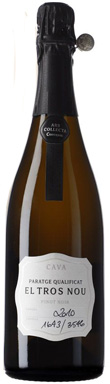

Characterful blanc de noirs, that shows a different, rather Mediterranean, side of Pinot Noir. Produced with free-run juice only and having spent 150 months on the lees, there's a lovely precision offset by moreish weight. Lively yet fine acid and creamy, persistent mousse. Long, with lingering clementine, cranberry, raspberry, cherry pie, roasted almonds and almond croissant, filling the mouth with focused richness. Retaining a lot of energy and vibrancy 15 years after harvest.
2010
CodorníuCava de Paraje Calificado

Bodegas José Pariente, Finca Las Comas, Rueda, Castilla y Léon, Spain, 2022
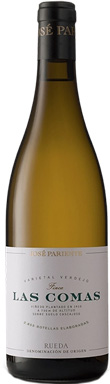
A Verdejo produced with fruit from vineyards planted in 1910 on gravelly, limestone soils. Fermented and aged, on its full lees, for 12 months in foudres. The latter explains the volume and unctuosity in the palate, the ripe yellow orchard fruit and creamy citrus coated in flakey butter croissant. Layers of chamomile, elderflower, hay and toasted almonds give it complexity and depth. Good ageing potential here.
2022
Bodegas José ParienteRueda
Bodega Erupción, Milagro de Magmasia, Lanzarote, The Islands, Spain, 2022
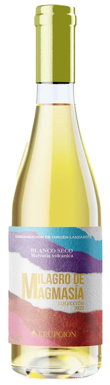
The nose gives sourdough, Cox's pippin apples and fine herbs. There is a sense of stony salinity that carries through to the palate. Lemon drives this, but the salty, saline character is unmissable. Delicately flinty but textured, it finishes with bracing acidity. From pre-phylloxera vines, spontaneous fermentation is followed by 11 months on the lees.
2022
Bodega ErupciónLanzarote
Clos Figueras, Font de la Figuera, Priorat, Catalonia, Spain, 2021

Elegant and precise, with Syrah's savouriness woven with Garnacha's florality. Graphite and wet stone jump from the glass lifting the ripe, dense plum and cherry fruit. Layered and balanced with gentle nuanced spiciness (nutmeg, white pepper, black pepper). Well-honed tannins, long, fresh and chiseled. Beautiful details on the edges, with a seam of salty liquorice and oregano. Powerful but with appealing drinkability.
2021
Clos FiguerasPriorat
Alta Alella, ORBUS, Alella, Catalonia, Spain, 2021
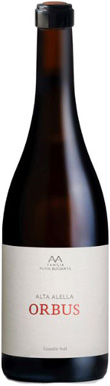
Muscular tannins, earthy freshness and broody smokiness build the intense framework of this Syrah that speaks a lot of its place and tie. Hailing from an acid soil, there's a lovely lift and salinity underpinning the forest floor, tobacco leaf, oregano, thyme, red apple peel, blood orange zest and dried black olives.
2021
Alta AlellaAlella
Bodegas Bilbaínas, Viña Zaco, Rioja, Viñedo Singular, Northern Spain, Spain, 2019
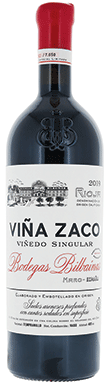
A Tempranillo framed by mineral tannins, with a zesty grip at the rim. Fleshy plum, cranberry, blackcurrant and mulberry fruit are topped by spicy blackberry and cardamom. A touch of tobacco and thyme in the background.
2019
Bodegas BilbaínasRioja
Bodegas Bentomiz, Ariyanas Terruño Pizarroso, Málaga, Andalucia, Spain, 2021
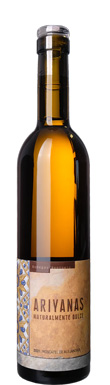
A naturally sweet wine, aged for eight years in French oak barrels. Deep and detailed, with a complex layering of ripe peach, red apple, quince, pickled walnut, papaya, mango and nectarine, all topped with elegant notes of hay and linden. Honeyed viscosity brightened by nutmeg, clove and candied orange, with a velvety, milky finish.
2021
Bodegas BentomizMálaga
Bodegas Barbadillo, ÁS de Mirabrás Sumato Manzanilla en rama, Manzanilla, Jerez, Spain, 2020

A fabulous 'Manzanilla en rama de añada' (from a single vintage), of which only 5,000 bottles were produced with fruit hailing from old Palomino vines. Aged statically (i.e. not transferred sequentially across a solera system), the different 'botas' (casks) are blended to create the final wine - the blending process is alluded to in the wine's name as the sum ('sumatorio') of the different casks, each with its own character and complexity. The result is a Manzanilla of remarkable purity and focus, with a moreish dense salinity lined with apple peel - both coating a fleshy core of blanched almonds. Subtle nuances of fennel top, white pepper and chamomile. A beautiful, fresh take on Manzanilla.
2020
Bodegas BarbadilloManzanilla
