All change for Rioja quality?


Many Rioja producers are becoming frustrated with the lack of awareness of quality structure in the region, and feel confined by the awareness of barrel ageing terms as an indication of quality above all else. Javier Galarreta, President, Founder and CEO of Areax, has submitted new proposals to the Consejo in an attempt to clearly define Rioja quality.
Crianza, reserva and gran reserva are three of the most recognised terms on a label of Rioja. These represent minimal barrel ageing requirements, but for many consumers the ultimate quality of the wine. This is a bugbear for many of Rioja’s top wineries, especially if they wish to create terroir driven wines with less use of oak that will trump many Gran Reserva’s in quality. Their wine-lovering consumers will only see Rioja Crianza.
Rioja ageing requirements
- Oak: None – Low
- Ageing: 1-2 years
- Oak: 1 year
- Ageing: 1 year in bottle
- Oak: 1 year
- Ageing: 2 years in bottle
- Oak: 2 year
- Ageing: 3 year in bottle
Javier Galarreta, President, Founder and CEO of Areax, has submitted new proposals to the Consejo in an attempt to clearly define Rioja quality.
Galaretta’s ideas are a hybrid of new world labelling and Burgundian classification. They centralise around awareness of the “sub-zones” of Rioja Alavesa, Alta, Baja – terms already in use on labels, and then two further layers of “municipality” then “vineyard”. All bound by ‘age of vines, location of winery, limits on and rules for yields in vineyard and winemaking age of barrels’.
Example of proposed label format:
RiojaDenominación de Origen Calificada
(D.O.)
Rioja Alavesa, Alta, Baja
Subzone
LA ANSELMALaguardia (Alava)
Municipality
“Finca El Almendro”
Vineyard
The Consejo Regulador DOCa Rioja will have to decide whether this is a step to far taking into account the limited success in awareness of similar labelling rules outside Burgundy. Indeed some may point to the fact recalling premier cru sites of Burgundy is a hard task in itself. But the quality issue will not go away whilst buyers of Rioja still see Gran Reserva as an indication of the top expression of this diverse, innovative, quality region.
Top scoring Rioja’s which do not carry crianza, reserve and gran reserve as an indication of quality.
Artadi, Viña El Pisón, Northern Spain, Spain, 2012
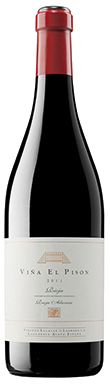

Always one of Rioja’s – indeed, Spain’s – best wines, this is from a 2.4ha vineyard in Laguardia, planted in 1945. It’s a superdense, richly...
2012
Artadi

Finca Allende, Aurus, Rioja, Northern Spain, Spain, 2010
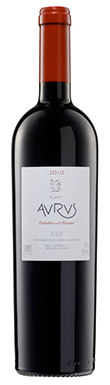
<p>The grapes for Aurus come from vines that are at least 60 years old, picked as late as 11 November in 2010. It’s a very...
2010
Finca AllendeRioja
Abel Mendoza, Grano a Grano Graciano, Rioja, Northern Spain, Spain, 2012
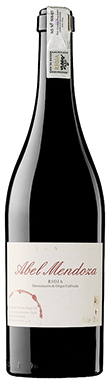
Even Abel Mendoza, one of Rioja’s best viticulturists, finds Graciano tricky to grow and vinify. This is certainly not short of gutsy tannins, with plum...
2012
Abel MendozaRioja
Contador, Rioja, Northern Spain, Spain, 2014
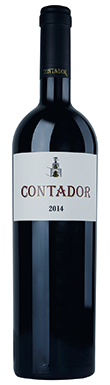
‘You can’t spit this,’ Benjamín Romeo told me when I tasted it from barrel. It wasn’t the finished blend, but after a gap in production...
2014
ContadorRioja
Señorío de San Vicente, San Vicente, Rioja, Northern Spain, Spain, 2011
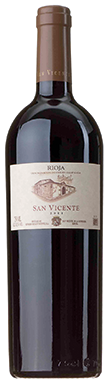
An 18ha parcel close to the Sierra de Cantabria is the source of the Tempranillo here. Rich, concentrated, aromatic yet also refreshing, it’s a ripe...
2011
Señorío de San VicenteRioja
Artuke, K4, Rioja, Northern Spain, Spain, 2013
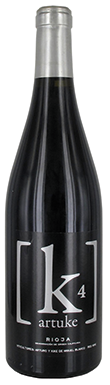
The chalkiest of the Miguel family’s three single-vineyard sites, K4 is located at 660m in Avalos. It’s suitably fresh and perfumed, with lovely finesse and...
2013
ArtukeRioja
