Best biodynamic wines to try on Earth Day
Biodynamic winemaking results in some of the most fascinating wines in the world, and here is a selection of exciting bottles to seek out for Earth Day 2024.


Some of the best biodynamic wines are produced by small-scale, independent growers all over the globe, while other examples incorporate prestigious labels.
Below, you’ll find some great biodynamic wines reviewed by Decanter experts to help you raise a toast to the wider movement for environmental protection on Earth Day 2024 – on Monday 22 April.
Taking inspiration from scientist and philosopher Rudolf Steiner, biodynamics is rooted in a holistic vision of vineyard management, respectful of soil and nature and promoting a form of ecological harmony.
It is also associated with lower intervention in the winemaking cellar, to a stronger extent than organic approaches.
As with organics, some wineries choose to pursue certification, while others have long adopted biodynamic principles without seeking such ‘official’ certifications, which come from bodies including Demeter and Biodyvin, and whose logos adorn the bottles of wines which meet the various criteria.
As Decanter’s Amy Wislocki wrote in her article of biodynamics in winemaking, ‘both Biodyvin and Demeter have rules on growing and vinification that can be stricter than organic alone – for example, less use of copper sulphate per hectare, and the use of natural yeasts for fermentation’.
Châteaux Palmer, Pontet-Canet and Climens in Bordeaux are leading proponents of biodynamic wines, but others in the region have been embracing the methods, as Simon Woolf highlighted in this article.
Jean-Baptiste Lécaillon, the highly regarded chef de cave and executive vice-president at Louis Roederer, owner of Cristal, has credited biodynamics with enhancing a ‘fight for freshness’ in Champagne vintages, in particular. He has previously spoken of how biodynamic approaches encourage greater attention to detail in the vineyard and critical thinking.
Some producers have said biodynamic approaches enhance the expression of terroir in the glass, although the skill and expertise of the winemaker is inevitably a big factor in terms of overall wine quality, while higher costs can be a downside of biodynamics.
Best biodynamic wines: a selection of top bottles to seek out
Related articles
Sustainability in wine explained
Andrew Jefford: ‘Biodynamically grown, artisanally crafted – and free of chemicals, of course. Not so’
Bordeaux’s wild side: top organic and biodynamic producers
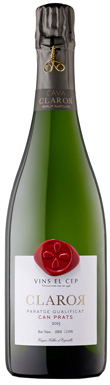
Vins El Cep, Claror, Paratge Qualificat Can Prats Brut, Cava de Paraje, Penedès, Spain 2015
94
An old-vine blend of Xarel-lo, Macabeo and Parellada, aged for 84 months, this shows the rewards of age in its complexity. Aromas call to mind baked apple and cream, with roasted nuts, plus lifted green apple and herbal notes. The rich, expansive, toasty palate is layered with fresh grapefruit, lemon, salted almonds, ripe apricot and lemon tart; crisp, with a dry mineral, slightly saline finish. A Cava to savour, and one of only 10 Cavas awarded the prestigious Paratge classification (made with vines from a single exceptional plot), and the only one that's grown biodynamically.
2015
Vins El CepCava de Paraje
Domaine Hugo, Hugo Brut Nature, Wiltshire, England, United Kingdom 2020
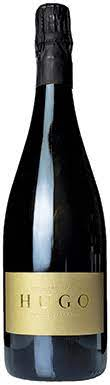

Made from a co-fermented field blend of Chardonnay, Pinot Noir, Meunier and Pinot Gris grown biodynamically in Wiltshire, this Bramley and Golden Delicious apple-scented wine...
2020
Domaine HugoWiltshire

Raventós i Blanc, de Nit Rosé Extra Brut, Conca del Riu Anoia, Penedès, Spain 2021
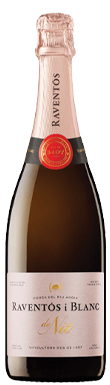
There is Cava and then there are the wines made by Raventós i Blanc. This unusually elegant pink sparkler gets its super-pale hue from an...
2021
Raventós i BlancConca del Riu Anoia
Filipa Pato, Nossa Calcário Bical, Bairrada, Portugal 2022
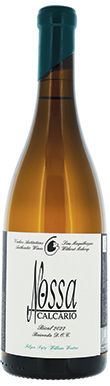
Nossa Calcário (‘our limestone’) is a biodynamic 100% Bical from the ‘grand cru’ vineyard on the much-vaunted chalky clay soils around the village of Ois...
2022
Filipa Pato
Niepoort - Quinta de Baixo, VV Vinhas Velhas, Bairrada, Portugal 2017
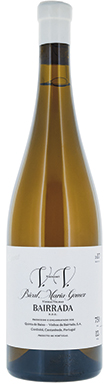
Niepoort’s pursuit of freshness finds its keenest expression in Bairrada. Impressed by the region’s limestone soils and Atlantic climate, Dirk Niepoort has proclaimed it ‘Portugal’s...
2017
Niepoort - Quinta de Baixo
Bott-Geyl, Sonnenglanz Gewurztraminer, Alsace, France 2015
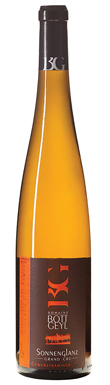
If you’re feeling adventurous, try this medium-sweet, biodynamic Gewurztraminer which has intriguing aromas of baked pineapple and a yeasty tang, akin to a Belgian lambic...
2015
Bott-Geyl
Château de Plaisance, Savennières, Loire, France 2021
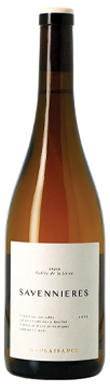
Vanessa Cherruau describes this wine as 'aristocratic' compared to her Anjou Blanc wines. Although the soil types are similar, Savennières has crumblier schist soils, which...
2021
Château de PlaisanceSavennières
Domaine de Crève Coeur, Blanc, Côtes du Rhône Villages, Séguret, Rhône, France 2022
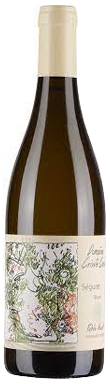
Exuberantly fruity nose with pineapple and mango. In the mouth, it's satin-textured, mouthcoating and enlivened by an almost imperceptible spritz. Based on 30% Picpoul de...
2022
Domaine de Crève CoeurCôtes du Rhône Villages
Domaine du Closel, Les Caillardières, Savennières, Loire, France 2020
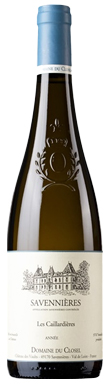
This wine falls in the middle of the range of three Savennières produced by Evelyne de Pontbriand, the third generation of women to manage this...
2020
Domaine du CloselSavennières
Aroa, Le Naturel Blanco, Navarra, Spain 2022
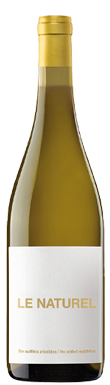
An organic and biodynamic Garnacha Blanca, free from added sulphites, from the Valle del Yerri, the highest and coolest part of Navarra. A great example...
2022
Aroa
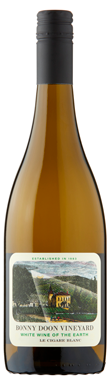
Bonny Doon, Le Cigare Blanc, California, USA 2021
92
Bonny Doon and founder Randall Grahm were pioneers in the production of Rhône varietal wines in California's Central Coast region. Grahm sold the winery in January 2020, but stayed on as head winemaker. This complex and food-friendly blend of mainly Vermentino, along with Grenache Blanc and a dash of Clairette, was produced biodynamically and is unoaked. Ripe and juicy, this has pronounced notes of sweet peach fruit and a waft of jasmine, hawthorn fragrance. It's rounded but with good freshness, slightly waxy and almost Rhône-like in character, with a touch of warm leesiness. A steal at this price.
2021
Bonny Doon
Loxarel, Xarel·lo en Amfores, Penedès, Catalonia, Spain 2021
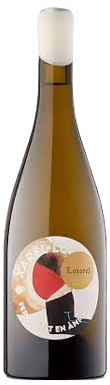
<p>Ripe peaches and apricots belie a saline, flinty character to the wine, with hints of mandarin orange in the background. Elegant and soft on the...
2021
LoxarelPenedès
Aroa, Le Naturel Tinto, Navarra, Spain 2022
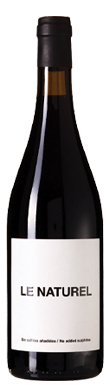
Like its white counterpart, this wine is organic and biodynamic. Really intense blackberry and dark fruit dominate the nose with a hint of violet floral...
2022
Aroa
Escorihuela Gascón, Organic Vineyard Malbec, Uco Valley, Mendoza, Argentina 2021
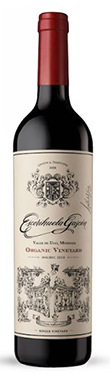
Pampa El Cepillo is one of Uco’s most recently announced GIs and boasts a distinctively cool climate. Here, using grapes from a biodynamically certified vineyard,...
2021
Escorihuela GascónUco Valley
Joshua Cooper, Ray-Monde Vineyard Pinot Noir, Victoria, Australia 2021
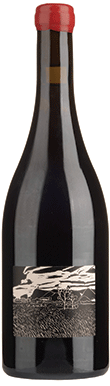
Joshua Cooper sources fruit from organic or biodynamic vineyards in and around the Macedon Ranges where he grew up. This 5ha site at an elevation...
2021
Joshua Cooper
Domaine de Mourchon, Grande Réserve, Côtes du Rhône Villages Séguret Rhône, France 2021
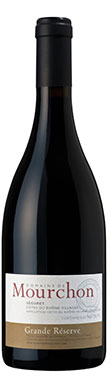
Full-bodied, but juicy with brisk, vibrant acidity. Remarkably fresh, with subtle violet hints to the blackberry fruit. A tense and upright style, as is common...
2021
Domaine de MourchonCôtes du Rhône Villages
The Hedonist, Shiraz, McLaren Vale, South Australia 2021
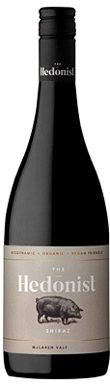
93
This McLaren Vale Shiraz from certified organic and biodynamic vineyards has been a fixture on the Waitrose list for 15 years, and you can see why it's so popular with customers. It's a very deep ruby in the glass, and just as intense when you get stuck in. It's drinking really beautifully, full-bodied and generously fruited with salted plum, prunes, menthol, thyme and rosemary notes, plus velvety dark chocolate and coffee notes, and a suggestion of salted liquorice. The tannins are full and ripe. Really quite delicious, and perfect if you're in the mood for a warming winter red.
2021
The HedonistMcLaren Vale
Domaine Arnaud Lambert, Clos Moleton, Saumur-Champigny, Loire, France 2018
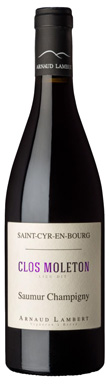
The top red wine from biodynamic and organic producer Arnaud Lambert, who farms 40ha of vines in St-Cyr-en-Bourg. I love the savoury character here, with...
2018
Domaine Arnaud LambertSaumur-Champigny
Vino di Anna, Qvevri Don Alfio, Sicily, Italy 2020
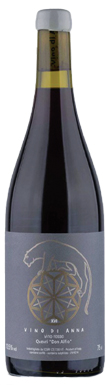
Complex nose, full of nuances and subtleties: crushed rose petals, tobacco leaf and prune mingle with blood orange and bergamot. The palate follows with a...
2020
Vino di Anna
