Authentic Italian pizza and wine pairings
Wine and pizza may seem like an obvious match, but which styles go hand in hand? Discover Decanter's Italian pizza and wine pairings and top picks of the best pizzerie in Italy (and one in London).


One of the culture shocks visitors to Italy face is discovering that Italians don’t drink wine with pizza too often.
Matching pizza with wine seems rather obvious, yet when visiting historical establishments across the country you will always find fridges filled with beer.
Beer has long been the best-selling beverage in the Italian pizzerie – and that is mainly due to its affordability and successful marketing strategies pursued by industrial breweries.
However, the tradition of pairing wine with pizza predates the upsurge of beer sales in Italy and the rise of gourmet pizza is bringing this habit back to life – an ever-greater number of connoisseurs are matching wine with slow-leavening dough and high-quality ingredients. Wine lists in pizza restaurants are improving, too.
The origins of Italian pizza
Like many Italian classics, pizza was created to feed peasants and workers. In the 16th century, the Neapolitans started oven baking the flatbreads they had been eating since the Middle Ages.
In the following centuries, they developed more sophisticated procedures and began topping the preparation with tomato sauce and mozzarella.
Pizza surged in popularity after the unification in 1861. Named after Queen Margherita di Savoia, pizza Margherita became an emblem of the newly founded nation, mimicking the colours of the Italian flag with the above-mentioned ingredients plus basil.
However, before the 1960s few pizzerie existed north of Rome. If anything, chefs from the wealthier north contributed to the success of gourmet pizza. Veneto-born Simone Padoan was one of the first to propose complex toppings, elevating this preparation to an art form.
What is authentic Italian pizza?
Pizza Napoletana is a Traditional Speciality Guaranteed (TSG) product, regulated under European law. The ‘Art of Neapolitan “Pizzaiuolo”’ is also included on UNESCO’s list of intangible cultural heritage.
The TSG means that authentic Pizza Napoletana can be made anywhere in the world, as long as it meets the requirements laid out by the Associazione Verace Pizza Napoletana (True Neapolitan Pizza Association):
The pizza must be obtained by rolling out a 200 to 280g dough ball by hand, topping it with tomato sauce, hard cheese, fior di latte or mozzarella, and basil (‘Margherita’), or tomato sauce, garlic, olive oil and oregano (‘Marinara’). Ingredients are recommended to come from the Campania region of Italy.
The pizza must be cooked in a wood-fired oven with a cooking surface temperature of 380-430°C for 60-90 seconds .
It must be no larger than 35cm in diameter, and should be thin (around 0.25cm), with a 1 to 2cm high ‘cornicione’, or crust. The cornicione should have a soft texture, with very few bubbles or burns.
Best Italian pizza and wine pairings
Scroll down to see Raffaele’s wine recommendations
Lighter wines are preferable with pizza, but every style has its match. The only general recommendation is to avoid big tannins and heavy oak imprinting.
Margherita
The quintessential Italian pizza may be the most challenging to pair with wine. Most whites are too lean to cope with the tomato sauce, and most reds too structured.
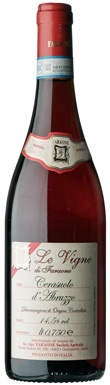
Dark rosé such as Cerasuolo d’Abruzzo represents the best compromise, possessing judicious acidity, light tannins and enough palate weight to withstand – and even empower – the ingredients.
Pizza fritta
The easiest pizza to pair with wine, fried Neapolitan pizza comes in different styles, ranging from Montanara (with tomato sauce and Parmigiano) to calzone (stuffed with meat and provola cheese).
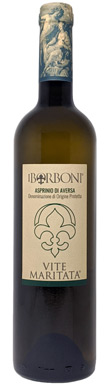
All you need is a refreshing, high-acid wine: locals recommend Asprinio di Aversa, a white wine from an historical district in northern Campania.
Pizza with cold cuts
While Naples is the cradle of pizza tonda (thin-crust pizza), Rome is best-known for pizza al taglio (pizza by the slice), often topped or stuffed with salumi (cold cuts).
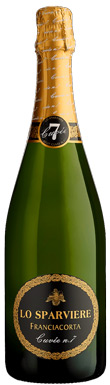
You cannot leave the eternal city without having tasted crunchy pizza Romana with mortadella, better if paired with bottle-fermented sparkling wine such as Franciacorta, the mousse of which resets the palate by dissolving the fats.
Capricciosa
Capricciosa boasts several ingredients, including tomato sauce, mozzarella, cooked prosciutto, artichokes, mushrooms and sometimes even boiled eggs.
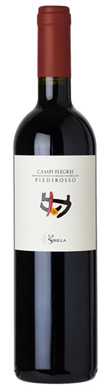
Easygoing reds such as Piedirosso from the Campi Flegrei area near Naples work best in this case. Piedirosso balances the richness of the topping with its bracing salinity while refreshing the mouth with peppery and herbal flavours.
Diavola
Authentic Italian pizzerie don’t serve pepperoni pizza. Instead, they serve Diavola (‘devil’), the original spicy salami pizza.
Diavola pairs well with fruit-forward red wines such as unoaked Barbera, the plump red fruit appeasing the piquant flavours, while crisp acidity cleans the palate.
Boscaiola
The name Boscaiola derives from the Italian word for ‘woods’ and refers to a pizza with sausages, mushrooms and mozzarella.
This pizza pairs well with medium-bodied Tuscan reds, especially Morellino di Scansano from Maremma, which has enough acidity to counterbalance the sausage fat, along with velvety tannins that avoid clashing with the mushrooms.
Wine recommendations for Italian pizza

Where to eat great Italian pizza
L’Antica Pizzeria Da Michele – Naples
‘The benchmark for the Neapolitan style,’ according to leading food critic Luciano Pignataro. Da Michele is a chain with multiple branches but the original, in Naples’ old town, only serves classic pizzas that are larger than the plate.
+39 081 553 9204
Pizzarium Bonci – Rome
The go-to place for top-notch pizza al taglio, located close to the Vatican Museums in Rome.
+39 06 3974 5416
Seu Pizza Illuminati – Rome
Rome’s best pizzeria according to the ‘50 Top Pizza’ guide offers a wide choice of classic and gourmet options. The wine list is excellent, too.
+39 06 588 3384
50 Kalò – Naples and London
Ciro Salvo relies on slow maturation and Slow Food presidium products to make light and flavourful Neapolitan pizza. The main restaurant is in Naples, but Salvo also runs a location in London. Both offer solid wine selections focusing on the Campania region.
Naples: +39 081 1920 4667
London: +44 20 7930 9955
Related articles
Best wine with pizza: Pairing ideas and bottles to seek out
A perfect pairing: the ultimate Korean Fried Chicken
Top Campania white wines: Fiano & Greco
Faraone, Le Vigne di Faraone, Cerasuolo d'Abruzzo, Abruzzo, Italy, 2021
92
A dark Cerasuolo that could be easily mistaken for a light red: 48 hours on the skins is enough time for the anthocyanin-rich Montepulciano to release Nebbiolo-like shades. The hearty aromas of dark cherry, smoke, liquorice and rust lead to a full-bodied palate loaded with luscious flavours of pomegranate and bramble. A mineral tang underpins the structure and extends the deep, tactile and slightly earthy finish.
2021
FaraoneCerasuolo d'Abruzzo
I Borboni, Vite Maritata, Aversa Asprinio, Campania, Italy, 2021
90
Made with grapes from ten-metre tall alberata-trained vines tied to trees, this dry Asprinio displays refreshing aromas of Amalfi lemons, cut grass, honeydew melon and brine. Similar flavours echo on the palate, complemented by zesty mineral undertones. Not especially complex, but it is extremely vibrant without being too tart.
2021
I BorboniAversa Asprinio
Lo Sparviere, Cuveè Bio n.7, Franciacorta, Lombardy, Italy
92
An excellent entry-level Franciacorta from certified organic Chardonnay grapes, spending approximately 30 months on the lees. Nectarine, lemon curd, and zesty herbs mingle with hints of roasted almonds and flint. On the palate, it offers an enticing mix of creamy toastiness, crisp acidity and zingy mineral tones, all energised by the fine mousse.
Lo SparviereFranciacorta
La Sibilla, Piedirosso, Campi Flegrei, Campania, Italy, 2021
92
Sourced from vineyards on volcanic soils on the outskirt of Naples, La Sibilla’s Piedirosso displays Pinot-esque aromas of incense, sweet violets and myrtle. Luscious wild strawberries take centre stage on the medium-weight palate, complicated by mouthwatering salinity and peppery undertones. It finishes smoky and herbal, with just the slightest hint of fine tannins.
2021
La SibillaCampi Flegrei
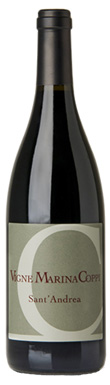
Vigne Marina Coppi, Sant' Andrea, Barbera Colli Tortonesi, Piedmont, Italy, 2019
90
The iconic Colli Tortonesi estate, Vigne Marina Coppi is best known for making great Timorasso but this everyday red maintains a youthful profile despite the relatively long ageing - 10 months in stainless steel plus eight months in bottle. Violets, bramble fruit, cocoa powder and blood orange define a medium-weight palate with plump dark fruit upfront, almost imperceptible tannins and an invigorating bead of mouthwatering acidity.
2019
Vigne Marina CoppiBarbera Colli Tortonesi
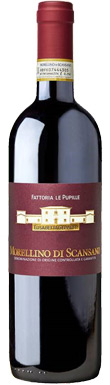
Fattoria Le Pupille, Morellino di Scansano, Tuscany, Italy, 2021
91
Top-notch Maremma producer Elisabetta Geppetti's Morellino di Scansano, an unoaked Sangiovese-based wine with just a dollop of Ciliegiolo and Alicante, offers intense aromas of sweet red cherries, redcurrants, liquorice and violet pastille that anticipate an immediately pleasing, open-knit palate. Smooth tannins frame the core of juicy red fruits alongside well integrated acidity, while hints of iodine, undergrowth and Mediterranean herbs emerge gradually and echo on the medium-long finish.
2021
Fattoria Le PupilleMorellino di Scansano
