
30 top rosé Champagnes to sip this summer
Who doesn’t love a glass of chilled pink fizz? We recommend our expert pick of wines to enjoy over the holidays, while Andy Howard MW explains how rosé Champagnes are made – and why it’s more expensive than the regular stuff.

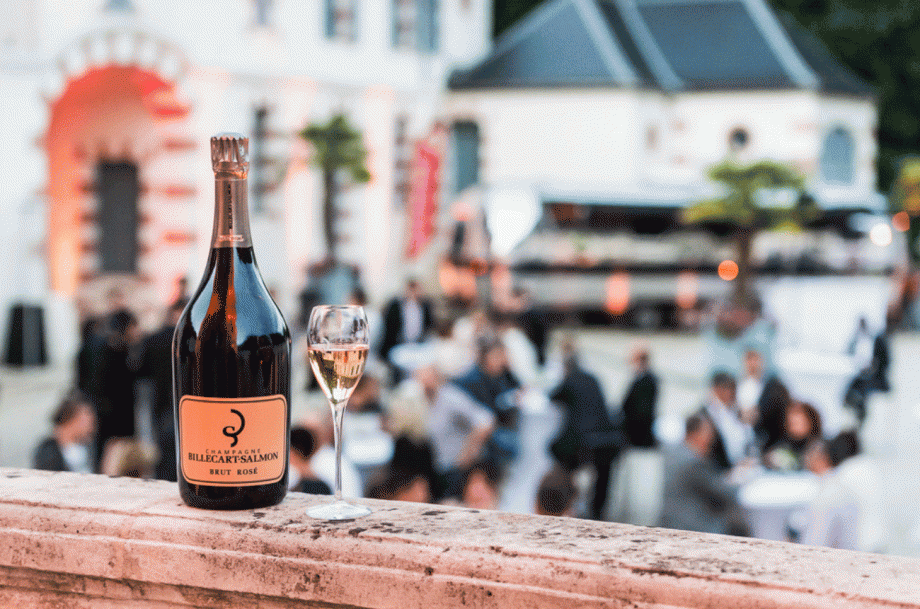
Rosé Champagnes are so widely available today that it’s hard to believe volume production is a relatively recent phenomenon.
Just 15 years ago, rosé accounted for just 3% of total Champagne output – today the figure sits close to 15%. This reflects the increase in rosé wine consumption across the board and, within sparkling wine, Champagne leads the way as the source for the world’s best (and most expensive) pink wines.
Scroll down for tasting notes and scores for 30 top rosé Champagnes
Rosé Champagne in fact dates back several hundred years. Moët & Chandon first produced rosé (called ‘rozé’) after an order from Napoleon for a pink fizz; Veuve Clicquot launched its first rosé Champagne in 1818. Rosé now accounts for 20% of Moët production, up from just 2% a decade ago.
Burst of red fruit
There is no doubt consumers appreciate the fine bubbles, freshness and finesse of Champagne – the perfect drink for a celebration.
Rosé Champagne adds another facet to this with a burst of red-fruit character, a slight reduction in acidity and appealing colours ranging from very pale to a pronounced copper hue.
In terms of sweetness, rosé Champagne is usually brut as there is little need for additional dosage given the extra fruitiness provided by the inclusion of red wine in the blend (see below). As well as being a great aperitif wine, rosé Champagne is also very gastronomic and an ideal partner with food.
Reacting to the rapid increase in demand poses difficulties for producers using the traditional method for their fizz production.
The creation of a sparkling rosé is not a quick process, unless you are working with the larger volume Charmat method. This has enabled rosé Prosecco – only legalised a year ago – to reach the market and sell in high volume.
For producers using the traditional method (which involves a second fermentation in bottle), timescales are much longer. Champagne and Cava are the two largest sparkling rosé sectors, while rosé is less commonly found in Franciacorta or Crémant wines.
Precious commodity
The (relatively) limited volumes of traditional method rosés, combined with increasing demand, are key reasons why rosé Champagne is more expensive than the brut equivalent. Sourcing high-quality still red wine is an additional cost. Yet despite higher prices, these wines are well worth seeking out.
So, how are these delightful wines produced?
Rosé sparkling wine is an anomaly in the wine regulations, being the only area where blending of red and white wine is permitted for the production of rosé wines.
When it comes to Champagne, the skill of the winemaker is to bring together a wide selection of neutral, acidic and relatively low alcohol base wines to create a blend which, post-second fermentation, will become much greater than the sum of its parts.
To make a rosé Champagne, the winemaker needs to add a further dimension – the introduction of red wine.
High-quality red wine
The objective is nearly always to preserve the purity and elegance of the wine while introducing colour and the addition of fresh fruit characters.
There are two ways in which this can be done – rosé d’assemblage or saignée.
Rosé d’assemblage is widely used, with the addition of red wine into the blend prior to second fermentation, while saignée refers to the ‘bleeding’ of red colour from the maceration of Pinot Noir or Meunier grapes.
Whatever method is used, it is vital that the red wine must be of high quality. Many cheaper rosé champagnes are marred by the addition of average-quality red wine – a quick route to ruin the balance of the blend.
Rosé Champagne aficionados often have strong views as to which method is superior, but there really is no clear answer.
Laurent-Perrier is considered a master of the saignée approach, whereas Bollinger embraces the addition of high-quality red wine, sourcing Pinot Noir from its own vineyards in Aÿ. Veuve-Clicquot uses rosé d’assemblage, sourcing red grapes from premium lieu-dit such as Clos Colin and Au Moulin in Bouzy.
Rosé d’assemblage
The rosé d’assemblage approach sees the addition of between 5-20% red wine into the blend. Simply adding this to a ‘house’ Brut cuvée won’t yield the best results as the red wine, with different fruit profile, tannin and lower levels of acidity, will upset the balance of the wine. Quality conscious producers need to take a more considered, skilled approach.
Krug Rosé Champagne is created as an unique blend, whereas Bollinger relies on the expert addition of Pinot Noir into the already established blend. Bollinger’s non-vintage rosé uses around 5% red wine, while La Grande Année adds between 7-8% of red wine, sourced from the Côte aux Enfants. These rosé Champagnes are all undeniably fine wines and there is no right or wrong approach – the key remains the judgement of the winemaker in creating the optimum blend.
The saignée method
There are also many advocates for the alternative saignée or maceration method. Laurent-Perrier is renowned for its benchmark Laurent-Perrier Cuvée Rosé NV, as well as the ultra-premium vintage cuvée Alexandra Rosé. Other excellent saignée Champagnes are produced by Jacquesson (Terres Rouge) and Larmandier-Bernier (Rosé de Saignée).
Laurent-Perrier sources grapes from grand cru vineyards in Ambonnay, Bouzy and Verzenay, with maceration on the skins for between 48-72 hours depending on ripeness and tannin content, prior to the first fermentation. For Alexandra Rosé, the maceration approach is enhanced with the introduction of up to 20% Chardonnay from Grand Cru villages Le Mesnil-sur-Oger, Cramant and Avize. This vintage wine shows that rosé Champagne can also have the ability to age beautifully.
Rosé Champagne is usually more expensive than Brut, and produced in much smaller volumes.
It is a wine that is ready to enjoy and often provides a great match to accompany food.
Whatever method has been used to produce it, find a good producer and enjoy the diversity of colour, flavour and lift that rosé Champagne brings.
30 great NV and vintage rosé Champagnes to enjoy this summer
The wines are listed in score order starting with non-vintage then vintage
Related content
The red behind Moët & Chandon rosé
Great Champagne deals: Bollinger, Pol Roger & more…
First Taste masterclass: Billecart-Salmon Elisabeth Salmon Rosé 2008
Krug, Grande Cuvée 24ème Rosé Edition, Champagne, France

<p>Elaborated with 71% of reserve wine (seven different vintages, 2006 to 2012) and with 11% of red wine, this Krug rosé 24e Édition possesses an...
Krug

Jérôme Prévost, La Closerie Fac-Simile Extra Brut Rosé, Champagne, Champagne, France
Jérôme Prévost is one of the most celebrated vignerons of the young generation, and his very light rosé is a wine of exceptional purity and...
Jérôme PrévostChampagne
Palmer & Co, Rosé Solera, Champagne, France
With aromas of red berries, spring flowers, pastry, smoke and strawberry/raspberry hints, the Rosé Solera from Palmer & Co has a dynamic palate with a...
Palmer & Co
Pommery, Brut Rosé Royal, Champagne, France
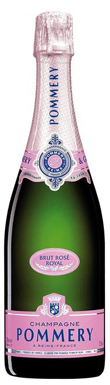
93
A fine and fruity champagne with a pretty blush pink colour and scented nose of sweet strawberries. The palate is succulent and juicy, mouthwatering, with a delicious redcurrant, raspberry and lemon citrus zing. The texture is smooth with persistent bubbles. This bottling is stored in the cellar for three years to develop its distinctive properties of balance, precision and elegance. Perfect as an aperitif.
Pommery
AR Lenoble, Rosé Terroirs NV (Mag 14), Champagne, France
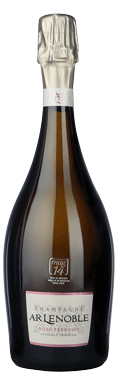
The bouquet is quite mature, fine and elegant, with pure aromas of strawberry, raspberry and spices. Vibrant and subtle on the palate, this is a...
AR Lenoble
De Venoge, Princes Rosé, Champagne, France
92
Sourced from Montagne de Reims and Les Riceys, the Princes Rosé has a delicate and fresh bouquet. The aromatics are compelling with notes of raspberry, gooseberry and lime. The dynamic palate is outstanding, with a fine bead of bubbles energizing its tense texture, climaxing with a citrusy flourish to its long finish. Dosage: 6 g/L.
De Venoge
Laurent-Perrier, Cuvée Rosé, Champagne, Champagne, France
92
Cuvée Rosé is in fine, rich form, helped by some outstanding harvests for ripe Pinot Noir, including 2019 and 2018 which form the backbone of the releases on the market during 2025. It's immediately effusive with red plum, macerated strawberry and cherry flavours, always pure and fresh without becoming too heavily fruity. The 2019-based blend hitting shelves toward the end of 2025 is a little juicier and rounded, while the 2018-based example is more citric and restrained. The palate is surprisingly delicate, tapered and refreshing for a maceration style, polished and gently creamy through its five years (at least) on lees. A model non-vintage rosé.
Laurent-PerrierChampagne
Ruinart, Rosé, Champagne, France
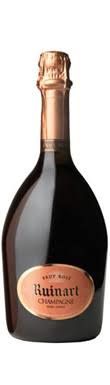
92
A blend of 55% Pinot Noir and 45% Chardonnay, and featuring around 25% reserve wines, this is 100% premier cru fruit from the Montagne des Reims and Côte des Blancs. Almost a third of the Pinot Noir was vinified as a still wine. A deep coral colour, this is fresh and youthful, with rounded wild red berry fruit, and hint of rose. With some time in the glass, it develops deeper, complex, more exotic notes, leading to a long and lively finish. Dosage: 8g/L.
Ruinart
Billecart-Salmon, Rosé NV, Champagne, France
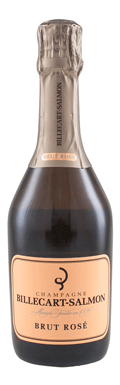
Currently based on the 2016 harvest, this is floral and citrussy, showing a lithe, graceful balance. It’s a blend of 40% Chardonnay, 30% Pinot Noir...
Billecart-Salmon
Delacourt, Rosé Brut, Champagne, France
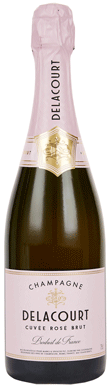
91
Pinot Meunier-dominant with 38% reserve wine blended into the 2017 base wine and including 15% of red wine (from Les Riceys) in the blend. With four years on its lees, there's great depth of flavour and complex toastiness, with a lifted spiciness and sprightly raspberry zing. The 2011 Vintage Brut (£27) is also very good.
Delacourt
Heidsieck & Co Monopole, Rosé Top, Champagne, France
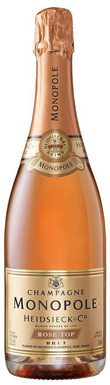
91
A delicate and delightfully fresh rose champagne dominated by strawberry, raspberry and lemon flavours with a hint of creaminess around the edges. Zesty and mouth watering with persistent fine bubbles. This is a versatile pick, able to pair nicely with desserts as well as fish and pasta dishes.
Heidsieck & Co Monopole
Cattier, Clos du Moulin Rosé, Champagne, France
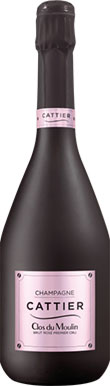
Clos du Moulin is a plot of 2.2 hectares in Chigny-les-Roses, in the Montagne de Reims sector of the region. Historically, this rosé is a...
Cattier
Moët & Chandon, Rosé Impérial, Champagne, France
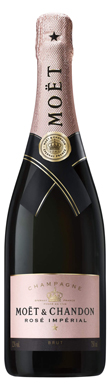
Composed of 40-50% Pinot Noir (including 10% of red wine), 30-40% Pinot Meunier (of which 10% is red wine) and 10-20% of Chardonnay, including 30%...
Moët & Chandon
Deutz, Brut Rosé, Champagne, France
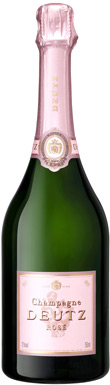
This Champagne possesses an elegant and fresh bouquet with citrus, red berries and strawberry aromas. Medium-bodied, light and elegant, fresh and subtle, this rosé has...
Deutz
Veuve Clicquot, Rosé, Champagne, France
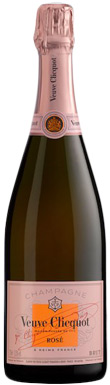
89
Elaborated with 40 to 60 different crus, this cuvée is composed of 44-48% Pinot Noir, 13-18% Pinot Meunier, and 25-29% Chardonnay. A smoky and Burgundian nose of cherry and griottes. Some rose petal aromas too, and touches of mint and strawberry. Moderately weighted palate, well-balanced and very fresh, with delicate aromas of red berries. An aperitif Champagne.
Veuve Clicquot
Billecart-Salmon, Elisabeth Salmon Rosé, Champagne, France, 2008
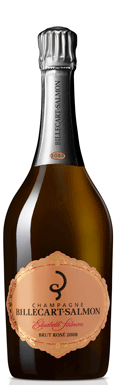
<p>Ripe berries on the nose with red apple, peach and tangerine notes over hazelnut and pastry nuances. Fresh and compact on the palate with zesty...
2008
Billecart-Salmon
Taittinger, Comtes de Champagne Rosé, Champagne, France, 2008
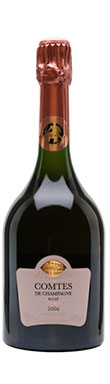
The proportion of Pinot Noir in Comtes de Champagne Rosé has tended to increase in recent years, as evidenced by this 2008 vintage, which is...
2008
Taittinger
Dom Pérignon, Rosé, Champagne, France, 2006
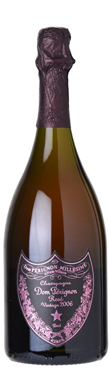
The 2006 Dom Pérignon rosé, which contains more than 20% still red wine, has a fascinating colour and a beautifully delicate bouquet of red fruits,...
2006
Dom Pérignon
Ruinart, Dom Ruinart, Champagne, France, 2007
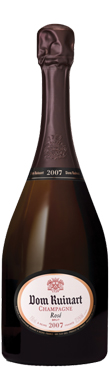
Made of 80% Chardonnay (75% from Côte des Blancs grands crus and 25% from Montagne de Reims) and 20% Pinot Noir vinified as a red...
2007
Ruinart
Dom Pérignon, Rosé, Champagne, France, 2008
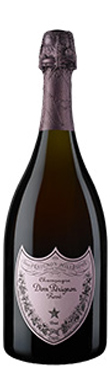
Offering up aromas of white flowers, red berries, toast and fresh pastry, Dom Pérignon rosé 2008 is medium to full-bodied, tense and vibrant, with a...
2008
Dom Pérignon
Veuve Clicquot, Vintage rosé, Champagne, France, 2012
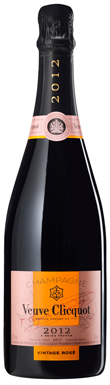
This is the 66th rosé from Veuve Clicquot since 1810. It is 51% Pinot Noir, 34% Chardonnay and 15% Pinot Meunier, with 13% of red...
2012
Veuve Clicquot
Nicolas Feuillatte, Palmes d'Or Rosé Intense, Champagne, France, 2008
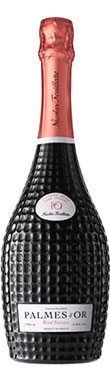
Produced using the 'saignée' technique, this Champagne is derived from maceration on the skins rather than by the blending of red wine. It is 100%...
2008
Nicolas Feuillatte
Philipponnat, 1522 Extra-Brut Rosé, Champagne, France, 2012
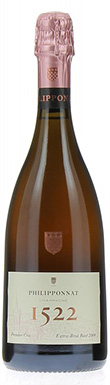
Elaborated with 62% of Pinot Noir sourced from Aÿ and Mailly, and 27% of Chardonnay from Verzy, this Champagne contains 11% of red wine from...
2012
Philipponnat
Pol Roger, Brut Rosé, Champagne, France, 2012
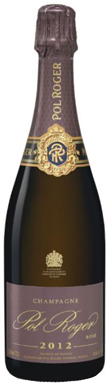
The blend is the same as in the Brut Vintage, 60% Pinot Noir and 40% Chardonnay, with an addition of 15% of red wine sourced...
2012
Pol Roger
Bollinger, Brut Vintage La Grande Année Rosé, Champagne, France, 2012
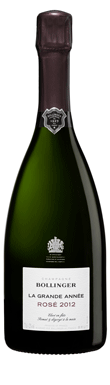
The 2012 vintage is a muscular, vinous rosé despite using more Chardonnay than usual (67%), and less red wine (5%). The colour is an elegant...
2012
Bollinger
Moët & Chandon, Grand Vintage Rosé, Champagne, France, 2013
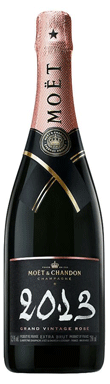
A blend of 44% Pinot Noir (including 14% of red wine), 35% Chardonnay and 21% Pinot Meunier. The bouquet is simply sumptuous, with strawberry, pomegranate,...
2013
Moët & Chandon
Deutz, Brut Rosé Millésimé, Champagne, France, 2014
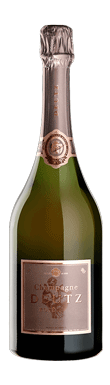
A fine and fruity Champagne with a scented nose of strawberry, raspberry, pastry, spring flowers and pomegranate. Zesty and mouthwatering, with persistent fine bubbles, this...
2014
Deutz
Henriot, Brut Rosé Millésimé, Champagne, France, 2012
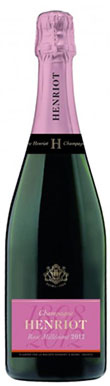
With strawberry, spring flowers, almond, pastry and blood orange aromas, this Champagne offers a vinous, fleshy texture, a lot of aromas on the palate and...
2012
Henriot
