A guide to Champagne styles and how to make new discoveries
Even for Champagne devotees, style experimenting with different producers and bottlings to find a new favourite can be a costly venture. Where to begin, what to try? Our illustrated Decanter guide on how to make new discoveries in the wide world of Champagne points the way.


In one sense, Champagne is easy to understand. Is there another wine appellation with such a strong, unified brand? For all the popularity of the world’s other sparkling wines, whether Prosecco, Cava or English sparkling, Champagne’s promise is simple: spend a little more and get the real thing.
It’s even more of a disappointment, then, when a glass of Champagne doesn’t turn out to be quite what we were hoping for. Despite the reassuring unity of brand Champagne, the place is a universe all of its own, with more than 1,000 producers (split between houses, cooperatives and grower-producers) who make wines from seven grape varieties across 34,000ha of land spread over a distance equal to that between London and Birmingham.
How, then, to make new discoveries, when there’s often little obvious on the label to offer clues, other than the word Champagne itself? In the article that follows, we offer a guide to discovering new Champagnes you might like, based on your style preferences.
Scroll down for 15 Champagne suggestions across the style spectrum
The Grandes Marques
The chart-toppers of the Champagne world, the grandes marques are the famous maisons (‘houses’) – from the likes of Moët et Chandon to Bollinger, Louis Roederer and more – that dominate sales and represent nearly three- quarters of the region’s global shipments and 86% of exports in 2023, according to the Comité Champagne body.
Every house offers up a range of contrasting wines (and there’s always an element of subjectivity when talking about house styles), but where they sit on our style guide chart offers an accessible, quick key to the general approach of each house.
Inspired by the house styles of the grandes marques, our discovery zones suggest smaller houses, independent producers and growers that share some characteristics with their grande marque neighbours in that particular section of the style guide.


Wines that usually use plenty of red grapes (Pinot Noir and especially the rounder, juicier Meunier), use protective winemaking to avoid oxidation and capture lots of fresh fruit, while also avoiding the austerity of ultra-low dosages (the addition of a sugar solution, usually 0-9g/L, after bottles are disgorged and resealed with a wired cork).
Grape sourcing usually includes plenty from areas known for more approachable fruit, such as the Marne Valley and Aube.
Discovery zone: While these wines are often the territory of large maisons, there are also smaller houses and cooperatives working in this direction. Devaux, Cattier, Thienot, André Clouet, Jacquart, Boizel and Lallier all make approachable Champagnes, as do newcomers EPC and Brimoncourt, and independent estates such as Dumenil, Gamet and Mandois.
Grande Marque: Piper-Heidsieck, Essentiel Extra Brut NV
Discovery: Lacourte-Godbillon, Terroirs d’Ecueil Extra Brut

Wines that are heavy on Pinot Noir, and perhaps more serious expressions of Meunier, using ultra-ripe grapes and often some degree of fermentation in oak barrels.
Often, but not exclusively, these are sourced from classic grand cru and premier cru terroirs. They tend to see either long ageing on the lees or the use of aged reserve wines.
Discovery zone: Boutique houses such as Alfred Gratien and Drappier make bold, food-friendly Champagnes (especially at vintage level upwards, with more approachability at entry level).
Aÿ’s Henri Giraud, though, is the ultimate destination for lovers of concentrated, oak-influenced Champagnes. A swathe of top independent producers also work with super-ripe Pinots and oak.
For nuttier, savoury styles look out for Benoît Lahaye, Marguet, R Pouillon and Savart; and for slightly more classical styles, consider Bérêche et Fils, Egly-Ouriet, Emmanuel Brochet, Eric Rodez, Nicolas Maillart and Pierre Paillard, as well as bold, concentrated wines from new names such as Alexis, Georges Remy and Herbert & Co.
Grande Marque: Bollinger, PN VZ 19 Extra Brut
Discovery: Emmanuel Brochet, Le Mont Benoît 1er Cru Extra Brut

The hallmark of classic Chardonnay from grand cru and premier cru villages, either as classic blanc de blancs (white wine from white grapes) or as a significant part of the blend.
Pinot Noir from some parts of the Montagne de Reims (especially the cooler north face) can also provide this character. These are invigorating, rewarding Champagnes that often need some patience, either ageing in the house’s cellars or after release.
Discovery zone: The great growers of the Côte des Blancs and cooler, chalkier terroirs in the heart of Champagne are the masters of these incisive wines.
Look out for Pierre Péters, Guiborat, Frères Mignon, Pertois-Lebrun, Girard-Bonnet and Agrapart for sheer purity, and Gimonnet, Veuve Fourny, Lilbert, Larmandier-Bernier and Delamotte for a little more approachability.
Away from blanc de blancs, quality independent producers who work with refined, chalky grands crus, cooler terroirs and blocked malolactic fermentation often conjure wines in this direction, even from other grape varieties. Look for Jacquesson, Marc Hebrart, Geoffroy, Hugues Godmé, Yann Alexandre and Etienne Calsac.
Grande Marque: Henriot, Blanc de Blancs Brut NV
Discovery: Etienne Calsac, Les Rocheforts 1er Cru Blanc de Blancs Extra Brut

Wines from any grape variety (but usually featuring plenty of Meunier and freshening Chardonnay) that celebrate freshness and don’t usually use either long bottle-ageing times or large amounts of aged reserve wines in the blend. Perfect aperitif styles – light rather than intense.
Discovery zone: Among independent producers, look out for growers in both the Marne valley and the Aube that work with youthful styles and ferment in stainless steel.
The good news is that these wines are often entry level, even if producers make deeper, longer-aged wines higher up the price range. Look out for high-quality entry-level bottlings from Moussé Fils, Cazé Thibaut, J Lassalle, Caillez Lemaire, La Borderie and François Secondé.
Grande Marque: Ayala, Brut Majeur NV
Discovery: Cazé-Thibaut, Naturellement Extra Brut
Rosé Champagne
Rosé Champagne can be made either via maceration of the red grape skins (often called saignée, in reference to ‘bleeding’ the colour out) or by assemblage, which is simply adding some red wine into the blend before refermentation in bottle.
Contrary to what is often said about the two styles, either can be delicate, barely pink and bright, or bold and fruity.
Fruit-forward and deep
Laurent-Perrier is the only major maison to make its NV via the saignée method, leading to a beautifully fruit-forward style. Elsewhere, fans of Pinot Noir fruit and fragrance (plus a little colour) in a rosé should follow the houses that add at least around 10% of red wine into their blend.
Taittinger’s Prestige Rosé, Piper-Heidsieck’s Rosé Sauvage and Ruinart Rosé are good examples, and there are also fine vintage offerings from Pol Roger and Veuve Clicqout. At prestige level, Dom Pérignon Rosé is the most widely known standard-bearer.
Even if top independent producers and growers are often a little gentler on dosage than the grandes marques, there are still plenty of celebrations of fruit: look for rosés celebrating Meunier, such as Tarlant’s Rosé Zero and Christophe Mignon’s ADN de Meunier, and vibrant, deep Pinot Noirs in Geoffroy’s Rosé de Saignée or Alexandre Bonnet’s La Fôret.
Try this: Ruinart, Rosé Brut NV
Refined and mineral
Turning down the red wine addition to about 10% or below and emphasising freshness and zestiness in the blend helps to keep rosé Champagnes beautifully crisp and pure (especially when the Pinots and Chardonnays used come from chalky, refined grand cru and premier cru terroirs).
On the fresher, more youthful side are rosés from the likes of Moët et Chandon, Lanson and Ayala, with premium examples showing a little more complexity: Billecart-Salmon, Charles Heidsieck’s Rosé Réserve and Roederer’s Rosé Vintage Brut.
Among independent producers, rosés from Chardonnay specialists in the Côte des Blancs can be beautifully refined.
Hunt down top rosés from producers such as Pierre Gimonnet’s Rosé de Blancs, Etienne Calsac’s Rose de Craie, and everything from Veuve Fourny. Meanwhile, many of Champagne’s top prestige cuvée rosés keep things tight and refined for long ageing.
Such is the case for Louis Roederer’s Cristal Rosé, Charles Heidsieck’s Rosé Millésimé, Dom Ruinart’s Rosé and Billecart-Salmon’s Cuvée Elisabeth Salmon Rosé.
Try this: Veuve Fourny, Vertus 1er Cru Rosé Brut NV
Broad and savoury
The most daring and difficult style of rosé is approached more like a red wine, emphasising structure, spice and savour in settings fit for the table. Among the maisons it is only Bollinger’s La Grande Année and Krug that head in this direction, although these are still hugely refined wines.
It’s often the independent producers who really push the style, especially with saignée. Look out for rosés such as Vilmart & Co’s Emotion and offerings from Benoît Déhu, Benoît Lahaye and Chartogne-Taillet.
Try this: Benoît Déhu, La Rue des Noyers Rosé de Saignée Extra Brut
Prestige cuvées
Splashing upwards of £200 on a bottle of Champagne can be daunting, even when it’s on some of the most famous prestige cuvées. In a sense, there just aren’t any alternatives to Champagne’s top prestige cuvées, the best of which combine peerless blends with long, patient ageing.
All prestige cuvées benefit from further ageing post-release if you have somewhere suitably cool and dark to do so.
Of the maisons, it’s Louis Roederer’s Cristal that is often the tightest in youth, blossoming with stunning purity over many years in the cellar. There are pure, stainless steel-vinified prestige cuvées that highlight some of Champagne’s most beautiful terroirs with stunning precision, such as Moët’s Dom Pérignon, Laurent Perrier’s Grand Siècle and Rare.
Or there are wines that tend towards Pinot Noir intensity and structure such as Veuve Clicquot’s La Grande Dame, Pol Roger’s Sir Winston Churchill or Billecart-Salmon’s Cuvée Nicolas-François.
Finally, subtle and complex oak usage can marry with beautiful Pinot-heavy blends in wines such as Krug, Grande Cuvée and Bollinger, La Grande Année.
That’s not to say, though, that smaller producers don’t turn out some extraordinary tête de cuvées (top blend of a producer’s range) worth discovering, so look here for some of Champagne’s lesser-known high-flyers…
• For show-stopping Chardonnay elegance, look for Vilmart’s Coeur de Cuvée, all of Pierre Peters’ vintage-level wines, Larmandier-Bernier’s Vieille Vigne du Levant, Suenen’s Les Robarts Cramant, Gimonnet’s Special Club Cramant and Agrapart’s Vénus.
• At the other end of the style spectrum, gastronomic Champagnes such as Bruno Paillard’s NPU Nec Plus Ultra, Egly-Ouriet’s vintage wines, Bérèche et Fils’ Reflet d’Antan and Henri Giraud’s vintage range are sure to make an impact
at the table.
• Rare, superstar growers can be well worth the splash, too, from the almost Burgundian classicism of Chardonnay from Dhondt-Grellet, Ulysse Collin and Oudiette to the individualism of Gaspard Brochet’s aromatic wonders, Cédric Bouchard’s stunning purity and the trailblazing intensity of Jacques Selosse.
Try this: Louis Roederer,Cristal Brut 2016
Try this: Krug, Grande Cuvée 172ème Edition Brut
Blanc de blancs
Champagnes made only from the white grapes (almost always Chardonnay, but occasionally Champagne’s rare historic grape varieties, too) tend to be the most restrained, zippy styles, although terroir is key.
Wines that focus on grand cru fruit from the heart of the Côte des Blancs sub-region tend to be the most mineral and taut (as well as the most expensive, given the demand for these grapes), whereas many of the grande marque non-vintages also use more fruity, accessible Chardonnay from places such as the Sézanne, Vitryat and Montagne de Reims.
Creaminess from the addition of reserve wines or from lees ageing comes in wines such as Charles Heidsieck’s Blanc de Blancs, Palmer & Co’s Blanc de Blancs or Pol Roger’s Blanc de Blancs, whereas wines such as Ruinart’s Blanc de Blancs and Henriot’s Blanc de Blancs are a little more fruit-forward and youthful.
For the heights of Côte des Blancs refinement, head to the prestige cuvées: Taittinger Comtes de Champagne, Billecart-Salmon Cuvée Louis Salmon, Charles Heidsieck Blanc des Millénaires and Dom Ruinart (which also uses fruit from the Montagne de Reims).
It’s among the growers’ wines that all the individual characters of Chardonnay come to life; even within the classic chalky Côte des Blancs and eastern Montagne de Reims there’s a wonderful amount of variation.
At the more approachable end of the spectrum there’s refined sunniness and roundness in the wines of the village of Chouilly, from producers such as Vazart-Coquart, Roland Champion and Legras & Haas; supple class from the Montagne de Reims’ top Chardonnay grower A Margaine; and some delightfully juicy, complex wines from Veuve Fourny in premier cru Vertus.
For a bit of mineral, strict, chalky excitement, look to Pierre Péters and Girard-Bonnet in Le Mesnil-sur-Oger, Guiborat Fils and Les Frères Mignon in Cramant and the Côte des Blancs legend Agrapart in Avize.
Finally, those looking for more structured, food-friendly and sometimes oak-influenced Chardonnay for the table can look to André Jacquart, Dhondt-Grellet, Domaine Vincey and Jacques Lassaigne.
Try this: Bérêche & Fils,Les Beaux Regards 1er Cru Extra Brut 2019
Try this: Les Frères Mignon, L’Aventure 1er Cru Blanc de Blancs Extra Brut
Notes on Champagnes named in the text:
Related articles
- First Taste: Rare 2012
- First Taste: Krug 172ème édition
- First Taste: Laurent-Perrier launches new cuvée Héritage
Louis Roederer, Cristal Brut, Champagne, France, 2016
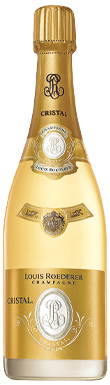

Cristal 2016 represents a return to purity and classicism for this cuvée, even seen through the lens of 2016's ripe, generous nature. It is discreet in youth, cloaking its ripeness in long, chalky, stony energy. Gentle mandarin, pale apricot and raspberry fruit sit under slowly maturing notions of floral honey and tight, smoky charm. An airy, flowing delicacy and persistence lifts this above some other expressions of this year. It's a hugely promising Cristal, likely to stand as tall as the sought-after 2012 and 2013 releases.
2016
Louis Roederer

Krug, Grande Cuvée 172ème Edition Brut, Champagne, France
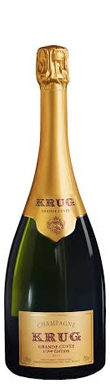
The youngest year (and largest component, at 58%) in this blend is 2016. Krug's 172nd edition casts the exuberance of that vintage in a typically complex, heady frame. Some of the heat and ripeness of 2016 is here, with aromas heading towards candied lemon, Seville orange, apricot macaroon and cherry nougat, already expressive. Krug's inimitable depth of reserve wines, here dating back as far as 1998, wraps them in complexities of mocha, baking spice and and baked fruits. Already showing some signs of buttery, browned pastry depth, this is a Grande Cuvée of density and harmony. It is tighter and a little firmer than than the 171ème and in greater need of time to unfurl. Disgorged January 2023.
Krug
Bérêche & Fils, Les Beaux Regards 1er Cru Extra Brut, Champagne, France, 2019
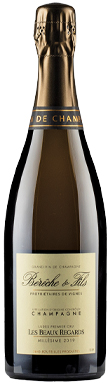
Raphaël and Vincent Bérèche produce one of Champagne's great Chardonnays away from the chalky terroirs of the Côte des Blancs and eastern Montagne de Reims in the form of this blend of two plots in Ludes on the north face of the Montagne de Reims. The flinty clay and limestone, together with the coolness of the terroir brings an exhilarating stony restraint to bergamot and grapefruit citrus, complex toasted sourdough and riper notions of baked stone fruit and nuts, bolstered by a touch of chewy extract and subtle, textured oak fermentation. A highly expressive, dynamic blanc de blancs that will blossom and settle further by mid-2025.
2019
Bérêche & Fils
Bollinger, PN VZ 19 Extra Brut, Champagne, France
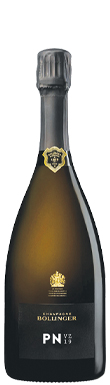
Bollinger continues its quest to highlight its Pinot Noir expertise with arguably the most exciting and focused wine yet in the PN series, focusing on the grand cru village of Verzenay from 2019 (backed up with reserves from all around the Montagne de Reims and Grande Vallée, 25% of which comes directly from magnums). It weaves a beautiful line between the clear, long and ultra-fine Pinot of Verzenay, mineral and understated, the quiet power of the 2019 vintage, and the stunning complexity of reserves. Baked apricot, scorched orange citrus and soft raspberry fruits, with toasty nougat, cocoa and dried pear ageing characters. A striking wine of persistent, tightly packed quality, holding terrific mid-term potential.
Bollinger
Piper-Heidsieck, Essentiel Extra Brut, Champagne, France
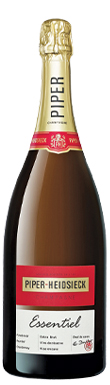
Piper-Heidsieck's premium non-vintage cuvée receives a stunning boost in a longer-aged magnum release, making it a terrific value cuvée that can give a few prestige cuvées a run for their money. Based on the 2013 vintage, it's full of the year's bright intensity in charry roasted limes and grapefruit marmalade, generous with fragrant raspberry and toasted nuts and fleshed out beautifully by almost four years of ageing post-disgorgement. Smooth, long and polished, there's not a hair out of place here.
Piper-Heidsieck
Emmanuel Brochet, Le Mont Benoît 1er Cru Extra Brut, Champagne, France
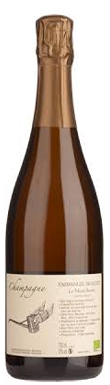
Brochet's increasingly sought-after organic cuvée from a 2.5ha north-facing chalk parcel near Reims is a Champagne enticingly held between power and restraint in 2020 (80% of the blend), saturated with black plum, ground pepper and browned pastry richness yet exhilaratingly bracing, too, buzzing with stony purity and length. The oak fermentation is beautifully transparent and supportive in its spiciness, the vinosity and intensity of the fruit never heavy. A gastronomic Champagne of serious quality.
Emmanuel Brochet
Les Frères Mignon, L’Aventure 1er Cru Blanc de Blancs Extra Brut, Champagne, France
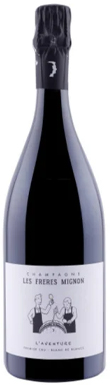
A star-bright, crisp and invigorating cuvée made with so much care; the energy and fragrance of the northern Côte des Blancs (Cuis, Avize and Cramant) is buzzing with lemon syrup and crisp yellow apple, the texture supple despite the concentration of the 2020 base year wine, the structure open and approachable without losing its snap. The 20% reserves going back to 2016 bring a little depth, but this is all about precision.
Les Frères Mignon
Etienne Calsac, Les Rocheforts 1er Cru Blanc de Blancs Extra Brut, Champagne, France
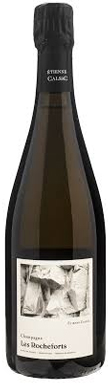
Avize's Etienne Calsac turns out a rare blanc de blancs from the chalky village of Bisseuil on the Montagne de Reims, which sees plenty of the invigorating, drying and mineral Chardonnay characters expected of the Côte des Blancs met with a little south-facing warmth and power from the Montagne. The cool 2021 base, however, is a little more restrained than some, although the pale stone fruit and lightly golden, sweet spice of 50% oak fermentation mean this is far from closed. It's a beautifully taut, layered Chardonnay.
Etienne Calsac
Henriot, Blanc de Blancs Brut, Champagne, France
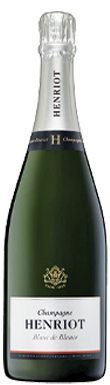
Delicate and racy with sweet lime, white pear and green almond aromas up front, although there’s some lemon madeleine richness tucked into the fluffy, gentle mousse. Narrow, pure yet not austere in style, it’s a zesty and ultimately refreshing, reductively styled blanc de blancs. From 12 crus of Chardonnay, with 30% reserve wine addition.
Henriot
Lacourte-Godbillon, Terroirs d'Ecueil, Champagne, France
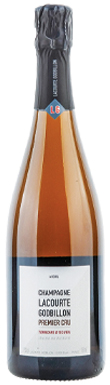
The most accessible cuvée from this charming, dedicated producer in the sandy Petite Montagne de Reims area is all about the beautiful suppleness of Pinot Noir in this part of Champagne. Based on the firm and ripe 2020 vintage, this reveals lovely aromas of apple sauce, brown bread and soft apricot fruits, with intriguing details of mixed spice and pine. With a gentle softness of texture and a sense of perfectly pitched maturity from the 50% reserve wines in the blend, it’s a friendly yet engaging entry point into a fine collection of wines.
Lacourte-Godbillon
Ayala, Brut Majeur, Champagne, France
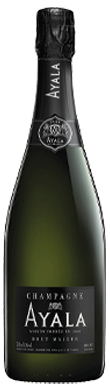
Ayala's recent moves to increase the Chardonnay content and freshness of its entry-level cuvée have worked a treat: it's now a very solid buy. Sunny yellow stone fruit and succulent clementine speak of zesty, bright Chardonnay, to which the gentle, flowing mousse is perfectly matched, subtly backed by some Pinot Noir structure and pale, crusty bread richness. An excellent find for fans of delicacy and finesse, this stands tall among the major maison non-vintages.
Ayala
Cazé-Thibaut, Naturellement Extra Brut, Champagne, France
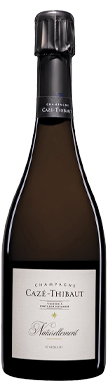
Beautifully crisp, pure and refreshing 100% Meunier from Fabien Cazé in Châtillon-sur-Marne on the north bank of the Marne in the (undeclared) 2020 vintage. Freshly pressed apple juice and white peach, juicy and youthful but not simplistic, there's just a touch of pastry and fresh nut depth, but the focus is on the fruit. It's unusual to find a Meunier this delicate and vibrant.
Cazé-Thibaut
Benoît Déhu, La Rue des Noyers Rosé de Saignée Extra Brut, Champagne, France
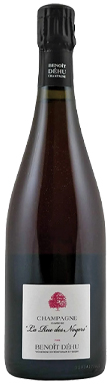
A rare and extraordinary skin-contact rosé from the Meunier in Déhu's core Rue des Noyers parcel in Fossoy in the west of the Marne valley. There's a wonderful affinity between the vibrant, extroverted dried strawberry and black fruit of the ripe 2019 vintage base, the gentle sweet spice of subtle oak and nutty, savoury ageing characters here, heading to intriguing tobacco and cocoa complexities. It's explosively juicy at first, but then surprisingly detailed and sapid for the style; a serious, vinous rosé de saignée for the table.
Benoît Déhu
Veuve Fourny, Vertus 1er Cru Rosé Brut, Champagne, France
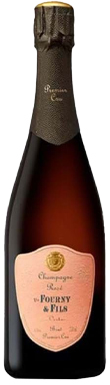
This effortlessly pretty, fragrant non-vintage uses 13% red wine from Vertus village, with 40% Pinot Noir as blanc de noirs and 47% Chardonnay from reserve to craft a rosé perfectly poised between sweet red apple, cherry and nectarine fruits, an energising squeeze of Chardonnay citrus and subtle richness of sourdough toast and fresh nut. Joyous.
Veuve Fourny
Ruinart, Rosé Brut, Champagne, France
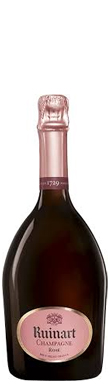
Ruinart's non-vintage rosé is always appealingly tuned to the slightly deeper side of Champagne's rosé spectrum, although it retains plenty of the snappy, Chardonnay-heavy DNA of the house, too. The sunny 2020 base year is full of sharp and sweet red plum, strawberry and tangerine, youthful and easy but admirably lithe. With peppery spice and rose petal complexity, it's a rosé that celebrates Pinot Noir juiciness yet transcends simplicity.
Ruinart
