
A guide to the cru classé wines of Provence
Elizabeth Gabay MW unpicks what it means for a wine to be considered cru classé in Provence.


Wine lovers will recognise the term, most notably from the wines of Bordeaux. But what does cru classé mean in Provence?
With only 18 estates holding this title, the rarity lends it a strong marketing pull and has recently encouraged big outside investment, but it doesn’t always indicate quality.
Scroll down to see tasting notes and scores for Elizabeth Gabay MW’s top cru classé wines of Provence
What does cru classé mean in Provence?
Parallels with Bordeaux’s 1855 Grands Crus Classés system are frequently made, but only insofar as having a historical backstory. Provence’s cru classé status is attributed to an estate, or indeed the legal company behind the estate, rather than to a terroir, and applies to all wines from an estate, wherever their vineyards are located, in all three colours and at all price points, as long as the wines are labelled under the Côtes de Provence appellation.

Somewhat confusingly, in the Côtes de Provence appellation rulebook the cru classé designation is not distinguished by a higher quality level, and does not officially indicate a superior wine. The cru classé wines must adhere to the same standards as any other Côtes de Provence wine, without any additional requirements.
In this sense, the cru classé distinction is more historical than anything else, and further estates cannot become cru classé today. This is different, for example, from the official terroir designations that exist for the five Côtes de Provence sub-regions, which are assigned based on terroir.
Coming soon: A guide to the Côtes de Provence sub-regions
The 18 estates together make over 100 different wines – rosé, white and red – that are labelled as cru classé.
The 18 cru classé estates of Provence:
Château de Brégançon, Bormes
Château de l’Aumérade, Hyères
Château de la Clapière, Hyères
Château de Mauvanne, Les Salins-d’Hyères
Château de St-Martin, Taradeau
Château du Galoupet, La Londe
Château Minuty, Gassin
Château Roubine, Lorgues
Château St-Maur, Cogolin
Château Ste-Roseline, Les Arcs
Clos Cibonne, Le Pradet
Domaine de la Croix, La Croix-Valmer
Domaine de la Source – Ste-Marguerite, La Londe
Domaine de Rimauresq, Pignans
Domaine du Noyer, Clos Mistinguett, Bormes
Domaines Ott, Château de Selle, Taradeau
Domaines Ott, Clos Mireille, La Londe
Jas d’Esclans, La Motte
Five additional estates that were on the original list but no longer exist:
Clos de la Bastide Verte, La Garde
Clos du Relais, Lorgues
Coteau du Ferrage, Pierrefeu
Domaine de la Grande-Loube, Hyères
Domaine des Moulières, La Valette
Provence cru classé: a history
Today’s list of cru classé estates is derived from a classification that was made in 1955, created after a few confusing years of inclusions, exclusions, partial admissions and internal politics.
It all started in 1895 when a small group of property owners in the Var decided to group together to improve the quality and marketing of their wines. There followed, in the early 20th century, a surge in the development of quality wine in Provence: Cassis was granted appellation status in 1936 and Bandol in 1941. The Var’s other producers were keen to compete. A shortlist was drawn up in 1943, which even included Château Simone (a renowned estate in the Palette appellation).

By 1947, the final list had 23 estates. Other producers could also apply to join the list, subject to meeting the prerequisite criteria, and theoretically cooperatives were also allowed to join. The criteria for initial membership stipulated that wines must be estate-bottled, with a minimum of 18 months ageing and with strict control of varieties used. Additionally, the age-worthiness of the wines needed to be demonstrated through the presentation of at least three vintages of red wine.
Arguably an estate’s original location played a part in its ascension to cru classé status – 15 estates from the original list were located near the coast, with the others along the main railway line, prime locations which gave these estates a keen advantage, better access to bottling lines and a network for sales.
The cru classé estates today

One thing that many of the cru classé estates have in common is their picture-perfect old Provençal villas, with long family histories, often located on former Roman sites and church properties. Château Ste Roseline is as much visited for its 12th century abbey, the mummified remains of Ste Roseline and its contemporary art collection as for its wine. This estate was a major producer in the early days, conveniently located with easy transport links.

Historically the cru classé estates were the most innovative: bringing in Rolle from the Bellet appellation, and using longer oak ageing, resulting in a strong reputation for red and white wines. Today, unfortunately they are among the least innovative in terms of rosé production, with a few exceptions: Château de St-Martin’s new premium rosé aged in acacia and mulberry barrels; Château du Galoupet’s focus on sustainability; Domaine de Rimauresq’s full-bodied, gastronomic style Cuvée Rebelle; and Clos Cibonne’s highly lauded, premium wines.
Surprisingly few Provence rosés are bottled in dark-coloured glass. But if the age-worthiness of rosé is to be taken seriously, the use of dark glass bottles should be considered, as it prolongs the wine’s life, protecting it from light strike. The few exceptions among the cru classé estates are Clos Cibonne, Château Galoupet, and the top wines of Château St-Martin and Château St-Maur.

With a history of commercial success, and inevitably higher quality wines, the question today is whether the wines can still distinguish themselves as being premium quality. The wines are typically sold at a premium price point, yet show no unifying taste of terroir or style. Despite this, they are often above average quality – although sadly not always.
The luxury goods group LVMH has bought three cru classé estates since 2019 – Château du Galoupet, Jas d’Esclans and Château Minuty; Pernod Ricard purchased Château Ste Marguerite; and Roederer purchased Château de Selle and Clos Mireille.
Whether as a group the cru classé estates can uphold their historic aim of age-worthy, premium and innovative wines remains to be seen, however the large scale investment in these estates, as well as the involvement of Kylie Minogue at Château Ste Roseline, will certainly raise the profile and volume of the wines – and hopefully the quality, too.

Provence cru classé timeline:
1895 – First informal group of producers gather to promote the wines of Provence.
1931 – The Syndicat de Défense des Côtes de Provence was created.
1943 – Shortlist of estates drawn up for evaluation.
1947 – The Institut National de l’Origine et de la Qualité selected 23 estates as part of a study to evaluate the terroir, quality and reputation of each domaine.
1955 – Key conditions for accession to cru classé status confirmed and final list determined.
1977 – Appellation Côtes de Provence was created.
2005 – Cru classé estates signed a Charte d’Excellence to maintain quality
Gabay’s selection of the best Provence cru classé wines to try:
Related articles
- Château Galoupet: bees and biodiversity to the fore
- Provence for wine lovers
- What makes a premium rosé plus 12 to seek out
Domaine de Rimauresq, Cuvée Quintessence, Côtes de Provence, Cru Classé, Provence, France, 2020
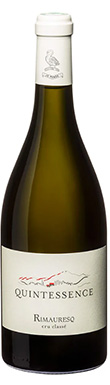

Old vine intensity from a single parcel on the north-facing slopes of the Massif des Maures gives this wine extra concentration. Creamy, buttery, waxy aromas...
2020
Domaine de RimauresqCôtes de Provence

Domaines Ott, Clos Mireille, Côtes de Provence, Cru Classé, Provence, France, 2021
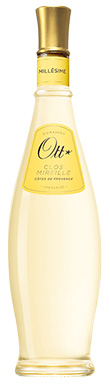
A beautifully composed wine boasting perfumed, waxy, white floral aromas through layers of fruit, oak and acidity. There’s fresh fruitiness up front with crisp white...
2021
Domaines OttCôtes de Provence
Château de Brégancon, Louise, Côtes de Provence, Cru Classé, Provence, France, 2021
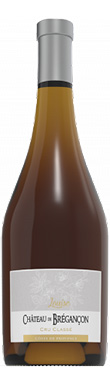
Floral leafy freshness with sweet, smoky new oak on the nose. It’s intensely oaky, with a hint of coconut sweetness on the palate giving creamy...
2021
Château de BréganconCôtes de Provence
Château Roubine, Inspire, Côtes de Provence, Cru Classé, Provence, France, 2021
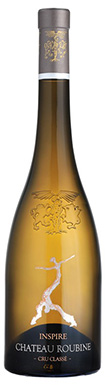
Powerful, heavy, toasted oak aromas. Sweet, heavily toasted oak dominates the wine, giving almost caramelised notes to the creamy white peach and sweet pineapple fruit....
2021
Château RoubineCôtes de Provence
Château Ste Roseline, La Chapelle, Côtes de Provence, Cru Classé, Provence, France, 2021
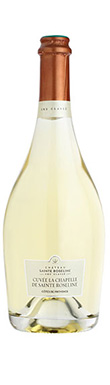
There’s a waxy quality to the aromas, with lots of chalky lime and perfumed citrus too. Hints of tropical fruit make for a surprisingly sweet,...
2021
Château Ste RoselineCôtes de Provence
Domaine de la Croix, Bastide Blanche, Côtes de Provence, Cru Classé, Provence, France, 2021
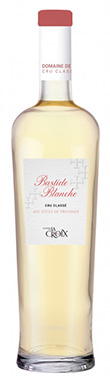
Almond blossom and beeswax aromas. Creamy, fresh white fruit, ripe pears, and a certain waxy quality. The sweetness of the fruit is emphasised by gentle...
2021
Domaine de la CroixCôtes de Provence
Jas d'Esclans, Cuvée du Loup, Côtes de Provence, Cru Classé, Provence, France, 2020
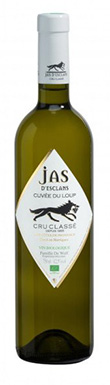
Hints of smoky oak on the nose lead to a delicate oaky structure on the palate, showing waxy white fruit. A wine relying more on...
2020
Jas d'EsclansCôtes de Provence
Château de St-Martin, Comtesse de St-Martin, Côtes de Provence, Cru Classé, Provence, France, 2020
It’s difficult to be innovative in the world of Provence rosé and retain Provençal typicity, but this wine has achieved both. In its inaugural vintage,...
2020
Château de St-MartinCôtes de Provence
Clos Cibonne, Château Cibon Cuvée Marius, Côtes de Provence, Cru Classé, Provence, France, 2019
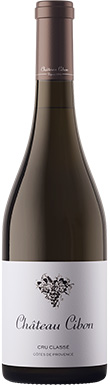
The latest cuvée from Clos Cibonne, the only Provence estate allowed to make almost 100% Tibouren thanks to historical precedence. History inspired this wine, harking...
2019
Clos CibonneCôtes de Provence
Château Galoupet, Côtes de Provence, Cru Classé, Provence, France, 2022
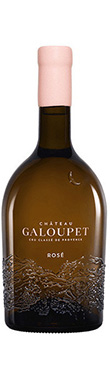
The second commercial vintage since LVMH took over the estate following considerable work in the vineyards. Even taking into account that 2022 was a hotter,...
2022
Château GaloupetCôtes de Provence
Domaines Ott, Clos Mireille, Côtes de Provence, Cru Classé, Provence, France, 2022
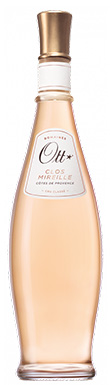
From vineyards touching the seashore, the maritime breezes seem to have contributed an extra crispness and a touch of sea salt. Floral notes, white stone...
2022
Domaines OttCôtes de Provence
Château de la Clapière, Côtes de Provence, Cru Classé, Provence, France, 2022
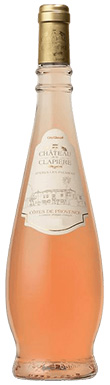
Charmingly mellow notes of saffron, garrigue and honeyed dried fruit aromas continue on to the palate with pretty, soft, creamy and gently honeyed fruit, typical...
2022
Château de la ClapièreCôtes de Provence
Domaines Ott, Château de Selle, Côtes de Provence, Cru Classé, Provence, France, 2022
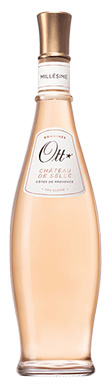
The original Ott estate on a plateau in central Provence, this rosé, unsurprisingly has benchmark character combined with the restraint typical of the Ott rosés....
2022
Domaines OttCôtes de Provence
Château de l'Aumérade, Cuvée Marie-Christine, Côtes de Provence, Cru Classé, Provence, France, 2022

Classically pale with boiled sweets aromatics. A definite move away from some of the more neutral, austere rosés. Abundant ripe red fruit and white peaches...
2022
Château de l'AuméradeCôtes de Provence
Domaine de Rimauresq, R, Côtes de Provence, Cru Classé, Provence, France, 2019
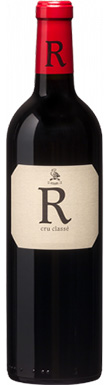
A hint of sweet new oak, fresh red berries and a tiny touch of sweet garrigue spice on the nose. The ripe red berry fruit...
2019
Domaine de RimauresqCôtes de Provence
Château de St-Martin, Comtesse de St-Martin, Côtes de Provence, Cru Classé, Provence, France, 2020
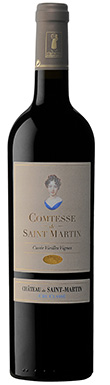
Sweet, smoky raspberry aromas continue on the palate, with hints of garrigue, a whisper of sweet leather, a touch of paprika, black tea, sweet hay...
2020
Château de St-MartinCôtes de Provence
Château Ste Roseline, La Chapelle, Côtes de Provence, Cru Classé, Provence, France, 2015
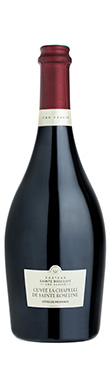
Creamy, spicy aromas lead to a palate of rich, ripe fruit, raspberry jam, black plums, bilberries and hedgerow berries. It’s showing some age with notes...
2015
Château Ste RoselineCôtes de Provence
Château de Brégancon, Prestige, Côtes de Provence, Cru Classé, Provence, France, 2019
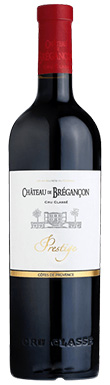
Cinnamon, brown sugar, red berries and some dark minerality on the nose, continuing on the palate with additional notes of raisins, coconut, dark chocolate, bitter...
2019
Château de BréganconCôtes de Provence
