
A peek inside Krug’s sleek and sophisticated new winery
In April this year Krug unveiled a brand new winery in the grand cru village of Ambonnay, where it will now do all of its vinifications. Two new wines were released at the same time; Natalie Earl visits and tastes.


Seven years in the making, Krug’s new winery and vinification centre was designed by Paris-based AW2 Architects and engineered by local Gnat Ingénierie. Christened Joseph 2.0 after the house’s founder Joseph Krug, the new site is located in the grand cru village of Ambonnay.
‘Seven years may seem like a very long time, but in fact it’s no more than the time in the cellar of an edition of Krug Grande Cuvée,’ says cellar master Julie Cavil during the revelation of the new winery to the press in April 2024.
Until now Krug has made most of its wine in the historic winery in the centre of Reims. But it wasn’t an easy place to work, with many constraints, notably space and temperature control. Cavil says that as climate change brings increasingly hot weather, controlling the temperature of vinification becomes more difficult.
The time had come to embrace modernity and ‘create the best conditions possible for the wines and the people of the next generation,’ says Cavil.
Scroll down to see tasting notes and scores for Krug’s two new releases plus eight other wines tasted

Environmental and ergonomic
With 9,500 square metres of floorspace (you could fit my small London flat into the space 130 times over), there are eight separate above-ground cellars, five underground vinification spaces, 4,300 barrels (for Krug’s famous plot-by-plot micro-vinifications, never for ageing) and 330 tanks.
Much emphasis has been afforded to the practical nature of the new winery. Making workflows more ergonomic and prioritising the comfort and safety of those working in the space were central in the decision making processes.
The project was certified as High Environmental Quality (HQE) from its conception, giving the team a framework and management tool around which to base their decisions. The certification is designed to minimise energy and water consumption, maximise the reusing and recycling of waste, and limit the impact on the surrounding environment.

This was the perfect opportunity to truly analyse every step of the process for every member of team: ‘We took three years to decide on the ideal flow of work,’ says Cavil, ‘to find out what we don’t want to do anymore, and what we dream of doing’. This means the site maximises efficiency, comfort and ease for those that work there, but also enhances the already high levels of precision for which Krug are so well known.
Barrels are stacked on specially designed racks with small wheels (which perfectly match Krug’s purple-red pantone) to avoid heavy lifting and facilitate cleaning.

Minimal impact
The two identical buildings that make up the winery are linked underground, where the cuverie, reserve wines and racking tanks are kept. Having a large portion of the construction below ground has minimised the overall visual impact of the buildings.
It’s undoutedly modern-looking, sleek and smooth, yet it doesn’t impose itself audaciously on the village; on the contrary, much thought has been put into how the site flows into the feel of its surroundings. The colour of the copper roof blends in well with the nearby houses.
The feel of the place is more understated than you might expect, functional but classy. ‘It’s a bit rough luxury,’ says Cavil, and you can see what she means; it’s a working site, but it has the undeniable sophisticated stamp of the house.

Why Ambonnay?
Krug has a deep connection with Ambonnay, and the building was constructed on the edge of the village alongside the house’s prized walled vineyard, the Clos d’Ambonnay. The village was an obvious choice because ‘it is really the darling growth of the house,’ says Cavil.
Logistically it will be much easier for the team to operate in a larger winery in a village as opposed to the centre of a city, where Cavil says it wasn’t an easy place to work, having to move casks around every day to create enough space.
Can a new winery location affect the eventual style or quality of the wines? Cavil doesn’t think so, but ‘if you think about the energy of the team of the people who are working,’ she says, ‘that could be felt in the wines, so yes that is what could change.’
The team is preparing for 2024 to be the first harvest processed in the new space, ready to be filled with new energy.
Krug’s latest releases
Coinciding with the unveiling of the new winery, Krug released the two newest iterations of its Grande Cuvée and rosé.
Grande Cuvée 172ème édition

The 172ème édition, based around the 2016 vintage, is a delicate, floral and saline Grande Cuvée at this early stage in its life. The palate is taut, tightly wound, gradually unfurling into toasted fruit bread, rye bread and roasted nuts, wrapped around an intricate and taut lemon core. It’s exceptionally long, spicy, rounded and spherical in shape.
Notes of sweet unsalted butter round out the finish, which has such length, elegance and balance. 58% of the wine is from the 2016 vintage, which saw a lot of rain in the spring and close to flowering, with 42% from reserve wines. The blend is made up of 146 separately vinified wines from 11 different years, and the oldest wine in the blend is from the 1998 vintage.
Rosé 28ème édition

Already gorgeously aromatically expressive, playing notes of delicate raspberry leaf and rose petals alongside exotic orange and grapefruit rind. There’s an inherent freshness here, long cascading lines of acidity banked by uplifting minty notes. What a sexy wine, one that teases sweetness against bitter fruit skin, like biting voraciously into a plump, succulent cherry and savouring its fleeting, electrifying impact.
I love the toothsome, tasty fruit profile. The blend is 62% from the 2016 vintage, with 38% of reserve wines dating back to 2010, and 10% of Pinot Noir red wine, made up of 32 separately vinified wines from six different years.
Krug new releases and eight more wines tasted:
Wines are listed by colour, then by score.
Related articles
Krug, Champagne, France, 2004
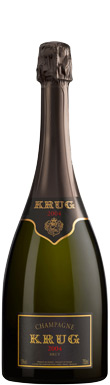

This is Krug’s top vintage release of recent times. This is a more developed, outgoing bottle than was tasted earlier in 2024, a little more...
2004
Krug

Krug, Grande Cuvée 172ème Édition, Champagne, France
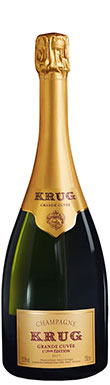
The youngest year (and largest component, at 58%) in this blend is 2016. Krug's 172ème edition casts the exuberance of that vintage in a typically...
Krug
Krug, Champagne, France, 2006
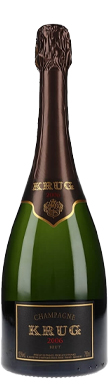
Veritably dripping with notes of rich buttery pastry and toasted brioche, honey and golden syrup-coated pineapple, this is the definition of indulgence. Fluffy pancakes and...
2006
Krug
Krug, Clos d'Ambonnay, Champagne, France, 2006
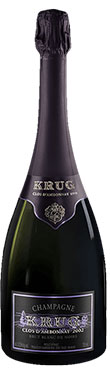
Clos d'Ambonnay from the 2006 vintage is drinking beautifully now, flexing its muscles by combining comforting aromas of Porcini mushroom, sweet hay, rice and toasted...
2006
Krug
Krug, Grande Cuvée 162ème Édition, Champagne, France
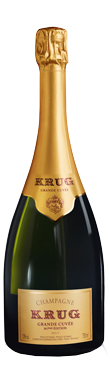
Another glimpse into 2006 (around which this Grande Cuvée is based), this offers up an incredibly nutty profile, combining grilled cashews, bitter walnut skin and...
Krug
Krug, Grande Cuvée 167ème Édition, Champagne, France
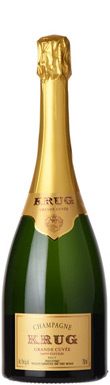
Showing complex notes of seaweed and dried mushroom on the nose, savoury and iodine. It's a soft and silky rendition of Grande Cuvée, drinking beautifully...
Krug
Krug, Champagne, France, 2011
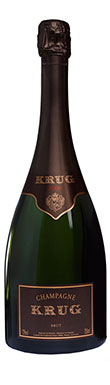
A floral expression, bright and fairly dainty. It's taut and youthful, with a rounded and lightly chewy texture, finishing lean but still succulent and hyper...
2011
Krug
Krug, Rosé 21ème Édition, Champagne, France
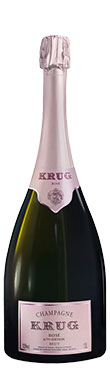
The 21ème édition is really in its stride now, although it still has lots of life ahead of it. The aromas seduce immediately with their...
Krug
Krug, Rosé 28ème Édition, Champagne, France
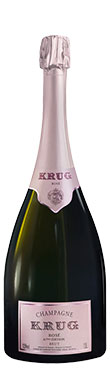
Krug's 28ème edition rosé is a relatively vibrant, succulent release, showing a lifting aromatic joyousness and a lightness of touch, alongside its gastronomic DNA. Rosy...
Krug
Krug, Rosé 27ème Édition, Champagne, France
Based on the 2015 vintage, this rosé edition is pretty and exuberant, easy to enjoy and a pleasure to drink. It doesn't quite have the...
Krug
