
Ageability in Rioja: 2001 & 2010
How does Rioja age beyond release? A comparative tasting of two top vintages, 2001 and 2010, examines whether wine lovers should be looking to cellar their purchases.


Rioja can be a complex region to describe – particularly in relation to other fine wine territories. With many different climates and soils, as well as vineyards with every possible exposure, it does not follow clear geographical guidelines in the way that, say, Bordeaux does.
In addition, Rioja producers have traditionally blended several different grape varieties, which puts them far from monovarietal Burgundy.
Scroll down to see tasting notes and scores for 12 top Riojas from the 2001 and 12 from the 2010 vintage
What’s more, there’s no ‘typical’ Rioja producer, but instead a mix of large companies, family-owned wineries, cooperatives and small growers that moved into winemaking. All of them operate across almost every price segment, which is idiosyncratic.
Wine lovers can find Rioja at a wide spectrum of prices, from everyday bottles at £5 to exclusive jewels costing more than £200. And all of them share the name, Rioja – quite unusual when compared with other appellations.
Golden oldies
However, there is something that Rioja does have in common with other top classic wine regions: its best wines have the ability to improve with bottle ageing. The best demonstration of this ageability is simply to drink some very old wines, many of which can still be easily found. For more than 150 years, the region has been unaffected by wars (even during the Spanish Civil War, it was within Franco-dominated territory from the start).
With no occupying forces to plunder wine stocks, most of the wineries at the time were able to keep numerous bottles of very old vintages. I have been fortunate enough to taste some of these older Riojas and can provide vivid testimony of their amazing freshness and integrity – even when they are past their centenary. The oldest Rioja I have ever tasted, a Riscal 1862, was mature and soft but by no means fading. And the 1895 was even tense and firm, too: recommended to keep.
Those wines were made according to what was then called the ‘Médoc method’, which involved vineyard selection, destemming, extended maceration, and very long, careful ageing in oak barrels, before bottling without filtration and storing for years in cellars. The best wines used to be aged the longest, and were designated according to the time they developed in casks: ‘third year’, ‘sixth year’ and so on; roughly equivalent to the current ageing terms ‘reserva’ and ‘gran reserva’.

Quality versus quantity
History also helps to explain why Rioja’s ability to age in bottle – even for the classic wines – is not better known internationally. Due to wars and dictatorship, Spain was a poor and isolated country for more than 40 years during the last century. As a result, top Riojas were the exclusive preserve of the Spanish elite. There was no international trade in those iconic wines. Even now, some families still have personal stocks of very old Riojas that were acquired by their ancestors, and those cellars are a major source for auction houses.
In the late 1960s, Spain began to develop and open up to international trade. The country’s decision-makers wanted Spain to be like other countries: it needed to become industrialised, manufacturing products at affordable prices. With this objective in mind, the government promoted radical changes in viticulture, aimed at producing quantity at the expense of quality.
In Rioja, many bush vines were grubbed up and replaced by trellised vineyards, with lesser potential. Low yields and slow, careful winemaking – which are crucial for high quality – were scorned.
Instead, the key aim was to be competitive. While a few heroes (such as López de Heredia) resisted the pressure, most producers entered the competitive productivity game. Those years were quite good for mid-quality crianzas, but terrible for old vineyards and classic wines that were intended to be aged for decades. The market demanded mass consumption, not refined pleasures.
So, once again, Riojas built for the long term weren’t available for export, this time because they weren’t being produced in large enough quantities. With a few (extremely valuable) exceptions, Riojas made in the 1970s and 1980s did not have the capacity to develop slowly towards greatness.

Moving forward
The situation changed dramatically after Spain joined the European Union in 1986. The country became more open, better training was more readily available and there was greater freedom to innovate and produce different wines. A new generation of Rioja producers came to the fore, supplementing the efforts of some of the top houses.
With the excellent 1994 vintage, the rebirth of top-standard Rioja was confirmed. Export markets started to appreciate these wines – and wine drinkers were willing to pay for them.
As the innovation continued, Rioja’s long-aged styles were supplemented by new-wave wines. These were much fruitier, with shorter stays in newer and more aromatic barrels. Many (mostly Spanish) wine critics branded classic-style wines as ‘oxidative’, preferring to reward the newer vintages. They focused on the quality of those wines when young, rather than their capacity to age – a view that was wrong, in my opinion.
At that time, it could be argued that no one was able to ascertain whether those new-wave wines had the potential to improve over time in bottle. Fortunately, almost 30 years later, we have the answer. Yes, the best of them age very well and are likely to match the ageing potential of classic, traditional Riojas.
Debates and differences
To complicate matters further, the backlash against classic styles resulted in many producers abandoning Rioja’s legal quality classification. This was based on the length of oak ageing – from crianza, which needs to be aged in oak for at least six months and released 24 months after harvest, to reserva (12 and 36 months) and gran reserva (18 and 60 months, respectively). This move aimed to give priority to quality and origin over ageing. It was also a mark of modernity.
Interestingly, most wines that don’t state an ageing period on their label have been aged for much longer than the minimum requirements. The best producers recognise that great Rioja (red or white) needs oak ageing.
Another big issue in Rioja is whether the wines should be aged in American or French oak barrels. More classic styles tend to favour American oak, or a blend of both French and American, while modern styles are aged in French oak. The former are generally more suavely textured, the latter are more intense and more grainy, but there is no definitive advantage to one style over the other. They are simply different.

Tasting 2001 and 2010
To demonstrate the ageing potential of both classic and new-wave Rioja styles, we decided to organise a blind tasting of two excellent vintages that are still relatively available in the market – although you may need to hunt around a little to find them.
We tasted classic and modern styles, a similar number of each. There were excellent examples of both vintages, at a wide range of prices. Our conclusion was that it is simply lovely to have this diversity. Gran reserva wines, some of them with a very modern profile, tend to be paler in colour and have very sophisticated textures; generic or reserva wines tend to have more concentration and a more grained texture. In the best cases, both offer very long and characterful finishes – and all are unmistakably Rioja.
Tempranillo was the grape variety of all the selected wines except one, either on its own or dominating in blends with Graciano, Mazuelo and/or Garnacha. Although there are examples of noble aged wines with the other grape varieties, there is no doubt that Tempranillo plays a crucial role in ensuring that the leading red Riojas improve over time. The combination of Tempranillo, expert vine growers and winemakers, top vineyards, low yields and oak ageing is a recipe for excellence in the long run.
It’s worth pointing out that only one of the selected wines was white – and this is an unfair representation of Rioja’s potential. Certainly, some of today’s classic white Riojas are made to last for as long as top Tempranillo. I have memories of tasting old Rioja whites, even from the 1920s, with amazing results. Marqués de Murrieta’s Castillo Ygay Blanco 1946 is probably a pinnacle in the wine world – even today.
To summarise, we tasted a total of 69 wines: 22 from the 2001 vintage and 47 from 2010. The results were impressive, with 19 of the 2001s and 40 of the 2010s scoring 90 points or more. No wine was awarded less than 86pts. Producers can claim most of the credit for this great result, but nature was particularly helpful in both vintages.
The 2001 vintage
2001 is widely considered to be the perfect vintage in Rioja; the best since the mythical 1964. Everything that could go well went well. Abundant rain between November and April replenished the soils with enough water to ensure healthy growth in late spring. Timely showers in summer prevented excessive water stress, while a long and mild ripening period gave perfect maturity. There were no spring frosts or fungal infections, with good quantity and excellent quality at harvest. In a word: perfect.
The more affordable 2001 vintages in this tasting are ready to drink now and should not be kept for more than five years. However, some of the best are still far from their peak. The tasting notes, which were made during the blind tasting, refer to the wine as it is now; they are supplemented by ‘drink dates’ to indicate remaining ageing potential. Indeed, many of the wines tasted are likely to provide huge pleasure and complexity in at least 20 years’ time. It would be a pity to open these now.
Wines from 2001 can be difficult to find in shops, but they do show up regularly at auction, and a good number of restaurants have them on their wine lists. Since the proportion of very good wines is remarkably high, ordering a 2001 Rioja from a renowned producer is a safe bet – and, quite often, the prices are relatively affordable.

The 2010 vintage
We selected 2010 to compare with 2001 because it was almost a decade later and was the summit of an incredible series of nine very good vintages, from 2004 to 2012. It was a tad cooler than 2001, mostly in springtime, when fruit setting was slightly delayed. The most remarkable feature of this vintage was that nothing bad or exceptional happened. The growing season developed placidly, and the vines delivered gorgeous grapes. Yields were lower than they were in 2001, although total production was slightly higher. A textbook vintage.
Again, as with the 2001s, some 2010s are now at their peak, though most top wines need to be kept for a long time. It is crucial to look at our recommended ‘drinking windows’, to make full sense of the tasting notes. Many 2010s are still available on the market, and many are auctioned in cases – making them a good choice for your cellar.
In both 2001 and 2010, there was a contrast between the vintage’s natural bounty and Spain’s economic circumstances. At the time of the 2001 harvest, there were large stocks of average-quality wine from 2000, which forced prices down. The 2010 vintage came at the worst possible time, when the financial crash of 2008 made itself evident in Spain. The country had to be rescued in May that year and, by October, millions of jobs were already lost or about to disappear.
In both years, the domestic market was in the doldrums, forcing producers to focus on exports in international markets. They were well aware that they could only compete by offering top quality. This has become a long-term trend, resulting in the high levels of quality found today.
Singular vineyards
Most of the wines we tasted were blends of grapes and/or vineyards. The current enthusiasm for single-vineyard wines in Rioja has been a factor for less than 10 years. At the time it began, producers were aware of the best vineyards selected for the top cuvées, although those single vineyards were not named on the label. Vineyard names were not guaranteed or protected by the appellation.
One of the features of present-day single-vineyard wines is that they are undoubtedly made for the long run. I look forward to tasting many old single-vineyard Riojas in the future and assessing the differences with the wines made from blends.
Riojans used to say that they sell wines ready to drink. The main reason for that is not a noble vocation or lack of commercial vision but, probably, the softer nature of Tempranillo tannins, which become supple after oak ageing. But that is only half the story.
It is a truism that a good Rioja gran reserva looks ready to drink when it is released. However, once again our tasting was convincing proof that the best wines gain added complexity and greater refinement as they age in bottle. Once they reach their peak, they tend to develop very slowly. If the purpose of cellaring is about discovering new sensorial experiences as wines mature (with unique elegance and that exclusive feeling of patina), then top Rioja should be a priority for your cellar.
The taste of two decades: 12 top Riojas from 2001 and 12 from 2010
Wines are listed in score order starting with the 2010s
Related content
Five great Rioja vintages to drink nowWhat’s hot in RiojaVega Sicilia: producer profile and latest releases tasted
Bodegas Vallobera, Caudalia, Rioja, Northern Spain, Spain, 2010
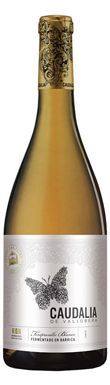

Intense, lovely smoky nose, showing little age development. Gorgeous ripe white fruit and vanilla from the oak. Balanced, with fair acidity and nice vibrant fruit....
2010
Bodegas ValloberaRioja

Bodegas Valenciso, 10 Años Después, Rioja, Northern Spain, Spain, 2010
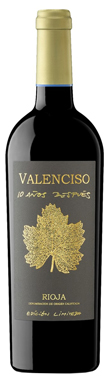
A most ambitious wine, with huge fruit concentration, a solid structure and very firm tannins. It is not yet at its peak, and should be...
2010
Bodegas ValencisoRioja
Baigorri, Baigorri de Garage, Rioja, Northern Spain, Spain, 2010
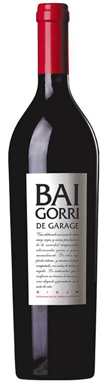
Deep, multi-layered, complex and quite baroque. Intense but convoluted and luxurious, showing dedication from the vineyard. There is a dark, fresh, linear quality to the...
2010
BaigorriRioja
Rodriguez Sanzo, La Senoba, Rioja, Northern Spain, Spain, 2010
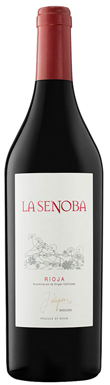
Alight with red cherry juiciness, packed with dark chocolate, layered with coffee, and fresh herbs. The tannins are firm and structured, while the acidity lifts...
2010
Rodriguez SanzoRioja
Bodegas Muga, Selección Especial Reserva, Rioja, Northern Spain, Spain, 2010
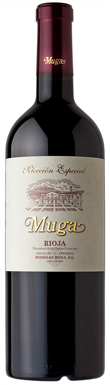
Lively new oak leads into a ripe palate, bursting with cherries and redcurrants. Deep and full-bodied in the mouth, but still elegant. Good crunchy acidity,...
2010
Bodegas MugaRioja
Bodegas Palacio, Cosme Palacio Reserva Viñedos Viejos, Rioja, Northern Spain, Spain, 2010
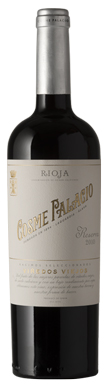
Vivid, but showing nice maturity. It begins with ripe mature cherries, then builds spices and supple tannin. Balanced in the mouth, savoury, round and appetising....
2010
Bodegas PalacioRioja
Campo Viejo, Gran Reserva, Rioja, Northern Spain, Spain, 2010
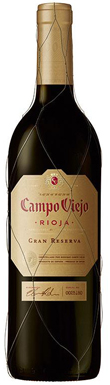
Complex, with earthy and animal aromas, quite elegant. Round and well knitted, with soft abundant tannins. Warm and fresh at the same time. Very long....
2010
Campo ViejoRioja
Paco García, Beautiful Things, Rioja, Northern Spain, Spain, 2010
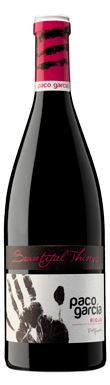
An intensely tarry, new oak nose – and yet it is 11 years old. Bold, spicy and black fruited, with a firm grip of tannin,...
2010
Paco GarcíaRioja
Pujanza, Norte, Rioja, Northern Spain, Spain, 2010
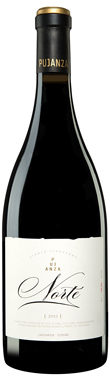
Darkly plummy wine, with brisk acidity from sour cherries. Notes of liquorice and cacao. Very complex. Still young in character, and will develop over time....
2010
PujanzaRioja
Amaren, Tempranillo Reserva, Rioja, Northern Spain, Spain, 2010
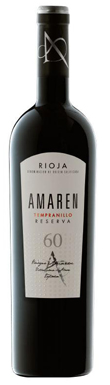
Rich, dense and concentrated. Lots of fruit and oak, nice sinewy texture. The wine is still far from its peak, and needs bottle ageing. Very...
2010
AmarenRioja
Bodegas Montecillo, Gran Reserva, Rioja, Alta, Northern Spain, Spain, 2010
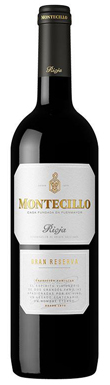
Some reduction; mature colour, elegant aromas, very classic. It is still very fruity but has started to fade in the mid palate. Long finish, deliciously...
2010
Bodegas MontecilloRioja
Bodegas Puelles, Zenus, Rioja, Northern Spain, Spain, 2010
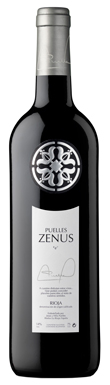
Extremely concentrated and selective, an impressive wine. It is now approaching elegant friendliness, although it needs another 10 years to reach complex velvetiness. Excellent for...
2010
Bodegas PuellesRioja
Finca Nueva, Gran Reserva, Rioja, Northern Spain, Spain, 2001
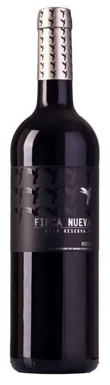
How lovely. A mature wine, with vivid acidity, a lemon lift, a fine layer of red and black fruits, firm and suave tannins, and an...
2001
Finca NuevaRioja
Bodegas Valdemar, Conde Valdemar Edición Limitada, Rioja, Northern Spain, Spain, 2001
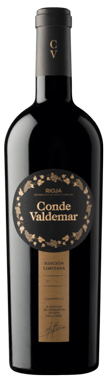
Amazing nose, with black fruit, red berries and a hint of pepper (Cabernet?). Balanced, serious, deep, complex and powerful. A great wine, made to improve...
2001
Bodegas ValdemarRioja
Izadi, Selección, Rioja, Northern Spain, Spain, 2001
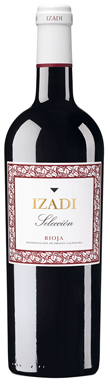
Restrained and very elegant, with complex macerated fruit, spice and tertiary aromas. In the mouth it is spectacular and multilayered, with finely grained tannins and...
2001
IzadiRioja
Ollauri, Conde de los Andes, Rioja, Northern Spain, Spain, 2001
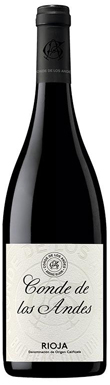
Great fruit concentration and impressive depth. Nice tannin texture, suave but firm balance. Some chocolate and leather notes. Long finish, although not particularly complex. A...
2001
OllauriRioja
Bodegas Santalba, Viña Hermosa Gran Reserva, Rioja, Northern Spain, Spain, 2001
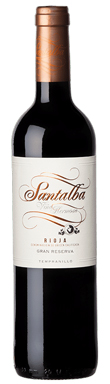
Benchmark aromas of good old Rioja: vanilla, cinnamon, dry fruits, truffles. Great on the palate, in the style of the 1950s: suave, delicate but persistent,...
2001
Bodegas SantalbaRioja
Bodegas Ontañón, Gran Reserva, Rioja, Northern Spain, Spain, 2001
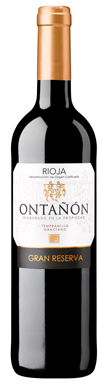
Pungent, intense spicy notes, with orange peel, animal notes and truffles. Delicious, complex, fresh, long and very open, with an appetising finish. A great wine,...
2001
Bodegas OntañónRioja
Bodegas Manzanos, Finca Manzanos Gran Reserva, Rioja, Northern Spain, Spain, 2001
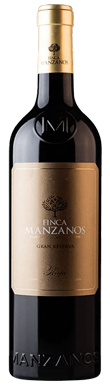
Intensely perfumed (cedar box, dry herbs, sous-bois). Tannic, solidly built, very serious, quite austere. Needs aeration; with time in glass it opens up to reveal...
2001
Bodegas ManzanosRioja
Remírez de Ganuza, Gran Reserva, Rioja, Northern Spain, Spain, 2010
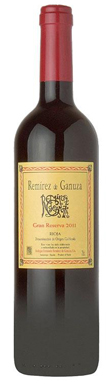
Rich, multilayered, savoury and intriguing, with a long life ahead. It needs decanting, and improves after some time in the glass. Very long and full...
2010
Remírez de GanuzaRioja
Roda, Roda I, Rioja, Northern Spain, Spain, 2001
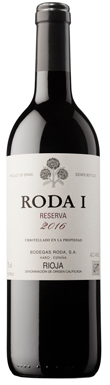
Impressively built, powerful, tannic but velvety. So long and complex; subtle but assertive. This is a Tempranillo monster, made to grow for years and last...
2001
RodaRioja
Urbina, Reserva Especial, Rioja, Northern Spain, Spain, 2001
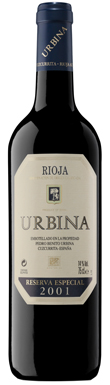
Clearly an oxidative style with so much maturity and age. Probably at its peak, yet the palate is still perfumed and floral. A slightly drying...
2001
UrbinaRioja
Bodegas Bilbaínas, La Vicalanda Reserva, Rioja, Northern Spain, Spain, 2001
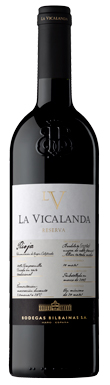
Fine, open and quite developed, with chocolate and earthy aromas, but very savoury. Complex and nicely textured. Long. Ready to drink.
2001
Bodegas BilbaínasRioja
Lecea, Gran Reserva, Rioja, Northern Spain, Spain, 2001
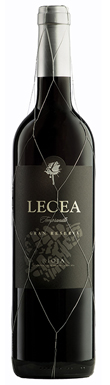
Quite intense aromas, earthy and noble. Showing spectacular vividness in the mouth, with soft velvety tannins, freshness and an open, complex finish.
2001
LeceaRioja
